New PNAS research finds that melting Antarctic ice is releasing mercury stored over the past ~200 years back into coastal waters. Sediment cores from the Antarctic Peninsula show mercury accumulation rose ~160% since the mid‑1800s, with ice-melt-driven terrestrial release increasing ~550% and air–sea exchange ~350%. Exports to the open ocean rose ~400%, raising risks of methylmercury entering the Southern Ocean food web. Reducing fossil-fuel emissions and industrial mercury releases would limit further mobilization.
Melting Antarctic Ice Is Releasing Centuries of Mercury — A Growing Threat to the Southern Ocean
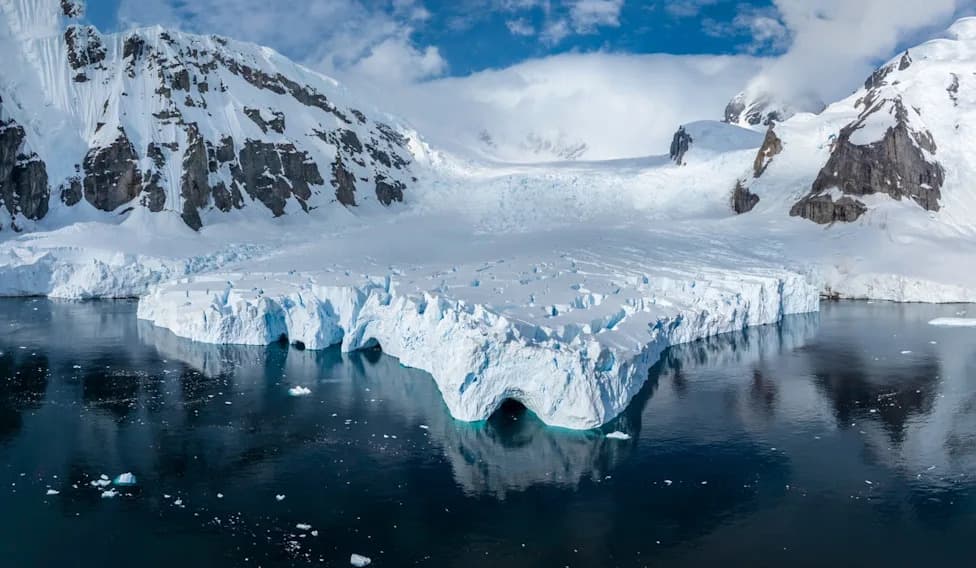
(Paul Souders/Stone/Getty Images)
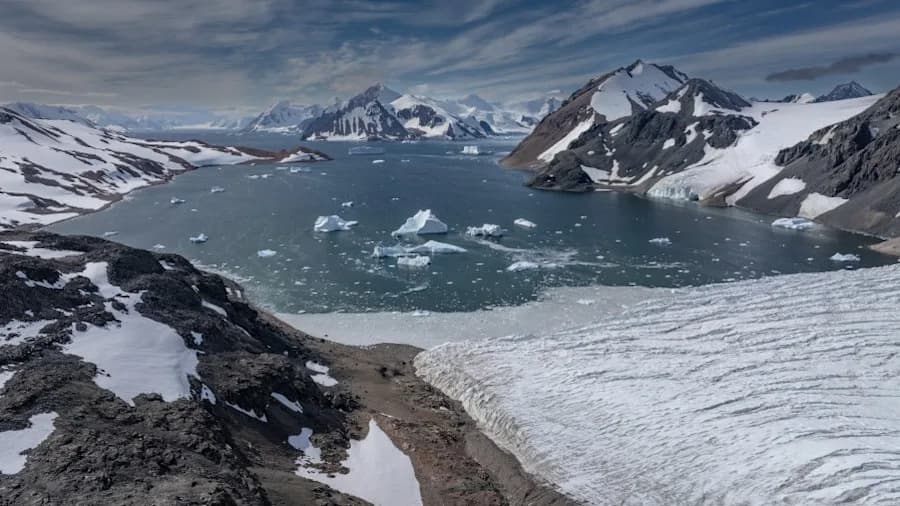
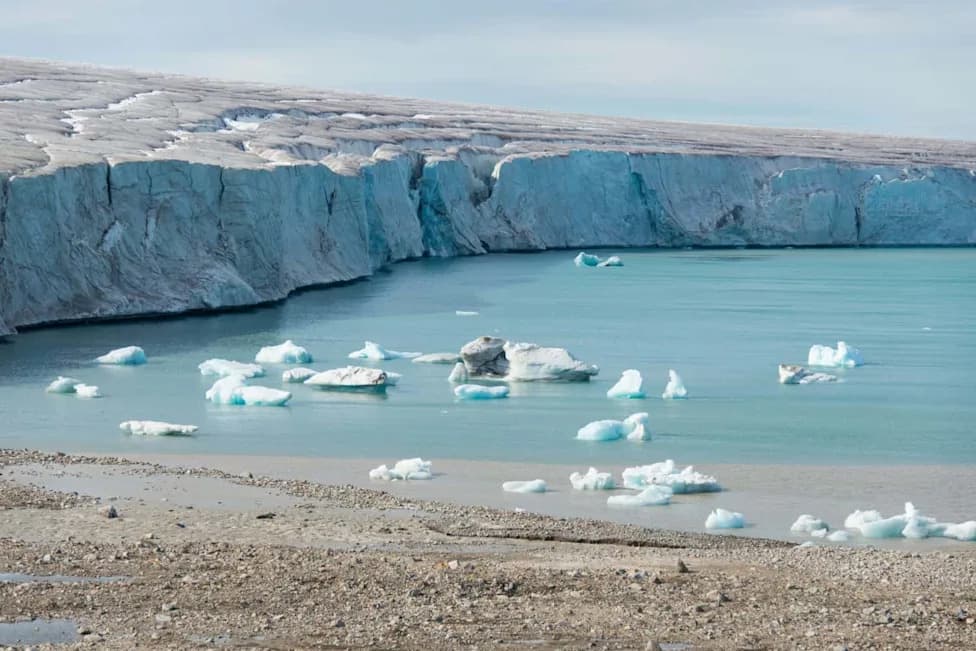
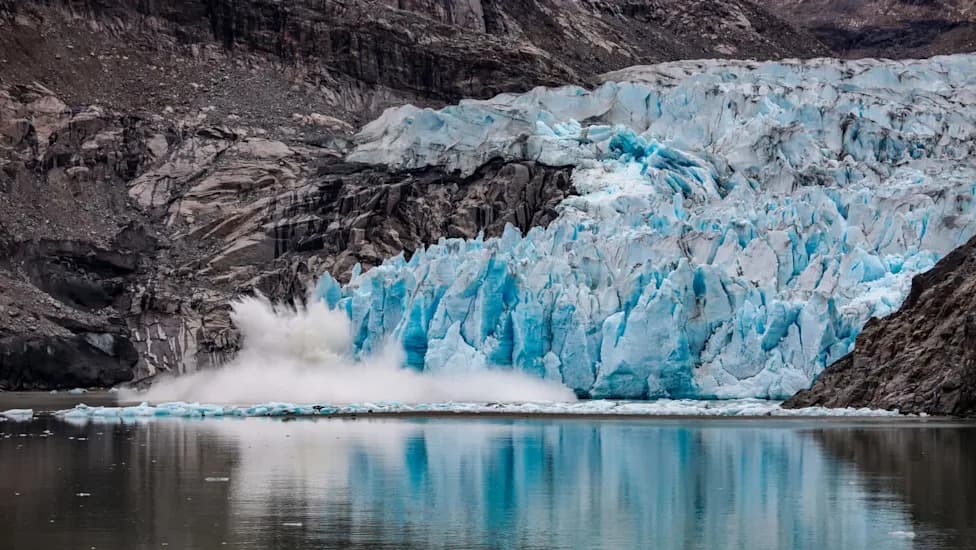
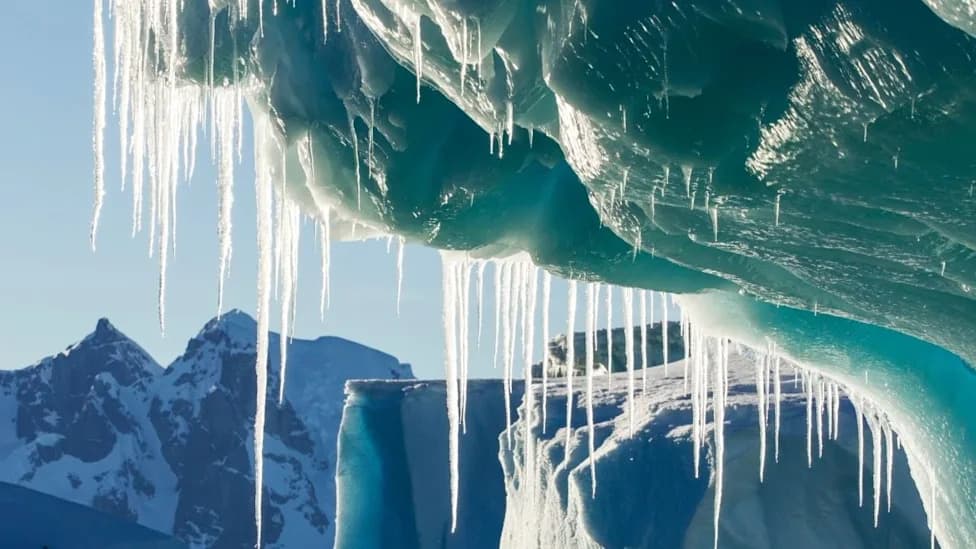
Over the past two centuries Antarctica has acted as a cold, long-term reservoir for mercury pollution. New research shows that as the continent warms and its ice melts, this ‘‘legacy’’ mercury is being remobilized and released into coastal waters — with implications for the Southern Ocean food web and fisheries beyond the poles.
What the Study Found
A team led by environmental scientist Chengzhen Zhou of Peking University used sediment cores from the Antarctic Peninsula — the fastest-warming and fastest-melting region of Antarctica — to reconstruct historic and modern mercury inputs. Their findings, published in Proceedings of the National Academy of Sciences (PNAS, 2026), reveal substantial increases in mercury accumulation and transport linked to both atmospheric deposition and ice melt.

YouTube Thumbnail
Key quantitative results: Mercury accumulation on the Antarctic Peninsula shelf is roughly twice the global continental-shelf average. Since the mid-1800s (the start of industrialization), accumulation has risen by about 160%. When ice melt-driven pathways and air–sea exchanges are combined, the researchers estimate terrestrial mercury release driven by ice melt has increased by ~550% and air–sea exchange by ~350% relative to preindustrial rates. Exports of mercury from the Antarctic Peninsula into the open ocean have risen by roughly 400%.
How Mercury Moves
The study describes two interacting transport loops. The well-known atmosphere–ocean loop delivers airborne mercury to surface waters and can allow re-emission to the air. The newly emphasized atmosphere–glacier–land–ocean loop is activated by melting ice and coastal erosion: thawing liberates mercury that was locked in snow, glacier ice, and terrestrial deposits and transports it into coastal seas.
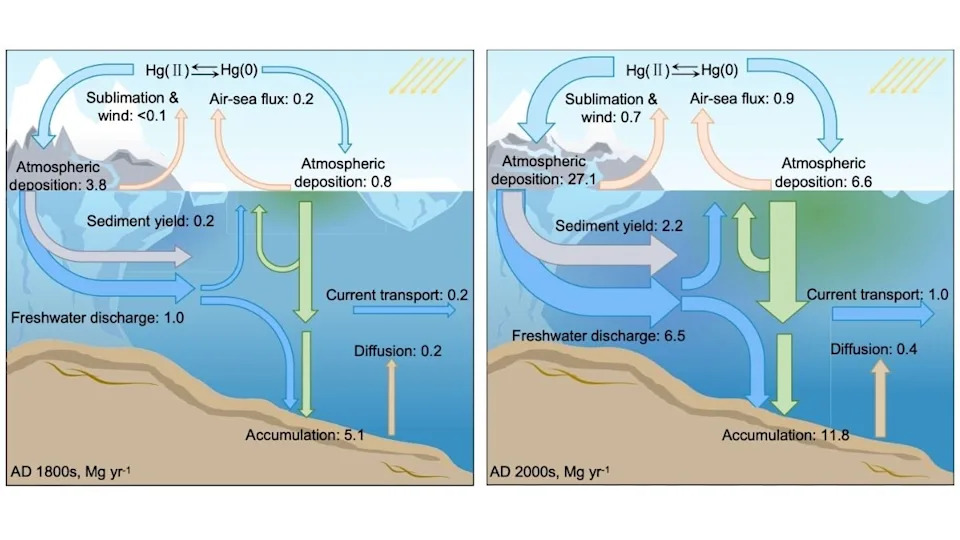
Major mercury (Hg) fluxes for the preindustrial period (1800s, Mg y−1) and the modern period (2000s, Mg y−1), including atmospheric deposition, air-sea exchange, cryospheric and terrestrial inputs, marine sedimentary processes, and ocean current export. (Zhou et al.,PNAS, 2026)
“Climate warming is turning the large historical mercury reservoir in Antarctica into an active secondary pollution source, amplifying polar mercury pollution risk.” — Zhou et al., PNAS (2026)
Ecological And Human Health Concerns
The World Health Organization lists mercury among the top 10 chemicals of major public-health concern because it is toxic at low concentrations. Inorganic mercury can be converted by microbes into methylmercury, a highly toxic form that bioaccumulates and biomagnifies through food webs. Earlier research identified Antarctic sea-ice bacteria capable of methylating mercury, raising the risk that remobilized mercury will enter the Southern Ocean food chain — from diatoms and krill up to fish and top predators.
Observations already show elevated mercury in Antarctic species such as Antarctic toothfish and some sharks, in some cases exceeding previous records and food-safety limits. The study’s reported increases in export to the open ocean also raise concerns about contamination spreading to fisheries beyond polar waters.

Subscribe to ScienceAlert's free fact-checked newsletter
What Can Be Done
Because the accelerated remobilization of mercury is tied to human-caused climate warming and ongoing industrial emissions of mercury, mitigation is possible. Reducing fossil-fuel combustion and controlling mercury emissions from mining and other industrial sources would both lower future atmospheric inputs and slow ice loss that mobilizes stored mercury.
Bottom line: Warming in Antarctica is turning long-stored mercury into a renewed pollution source with ecological and potential food-safety consequences. The PNAS study highlights yet another pathway by which climate change amplifies long-term environmental and health risks.
Help us improve.