Fifty years after the 1976 drought, the 2026 dry spell arrived differently: a wet winter left reservoirs full, then rainfall stopped in spring and a rapid 'flash drought' set in. Draycote Water in Warwickshire was around 43% full in 1976 versus about 80% in 2026, yet surrounding land was parched. Severn Trent plans to raise the reservoir rim by roughly 60 cm and reports an extra demand of about 400 million litres a day on the hottest days. Long-term temperature records show warming since about 1990, reinforcing the shift toward wetter winters and hotter, drier summers.
Why 2026's 'Flash Drought' Feels Different — What It Reveals About Climate Change
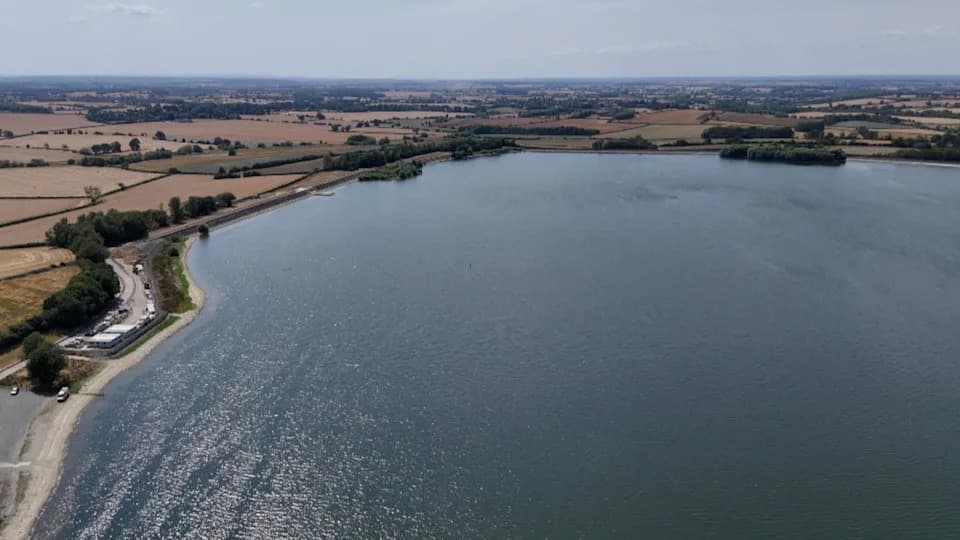
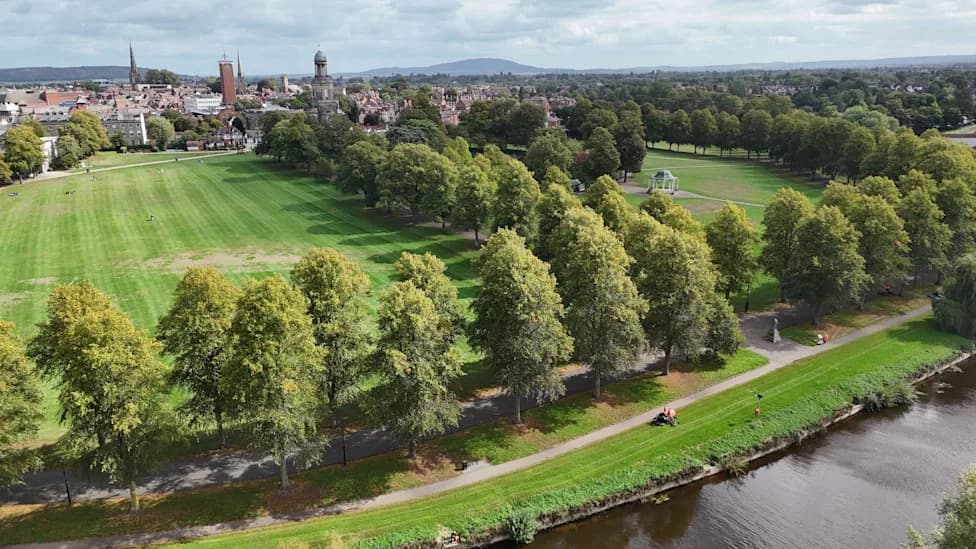
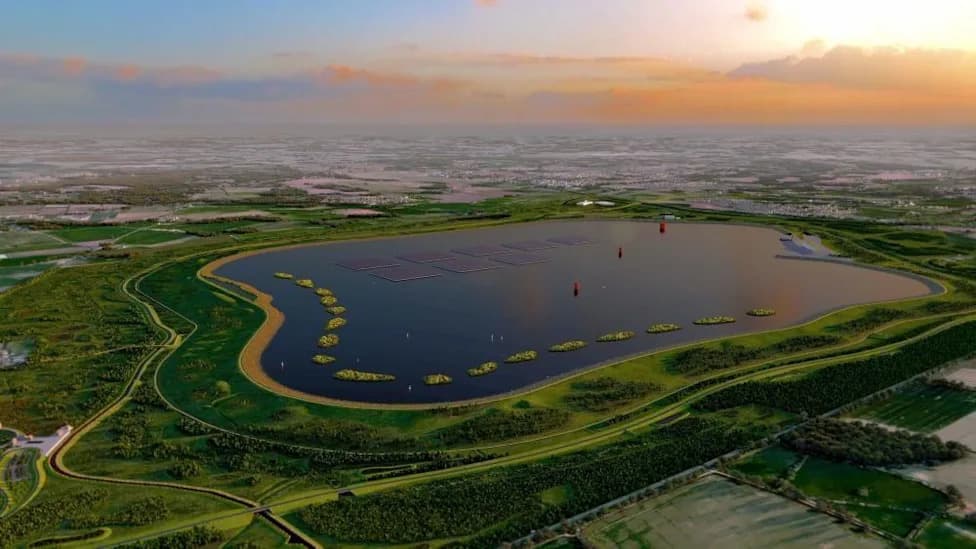
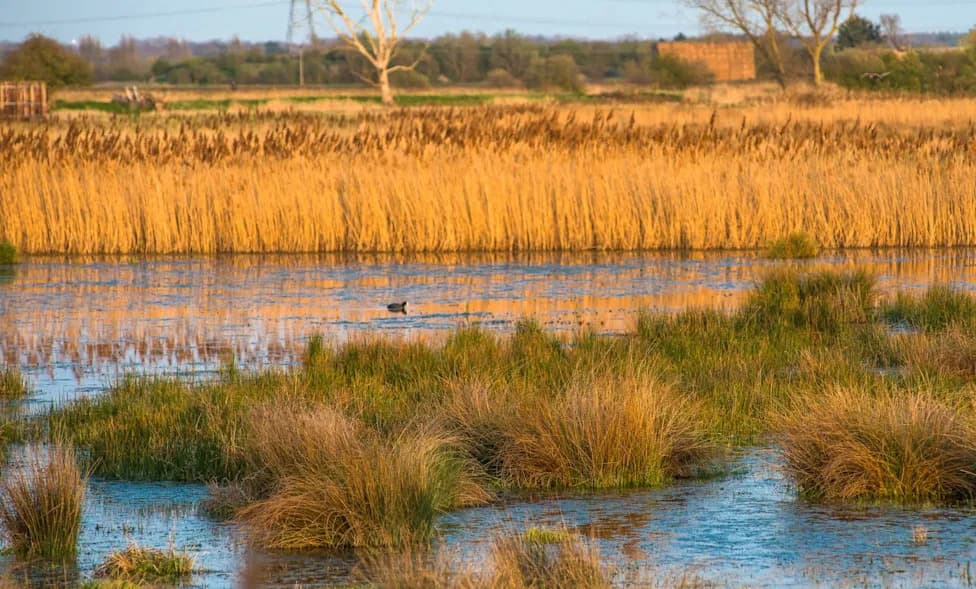
The 240-hectare reservoir and country park draws its water from River Leam [BBC]
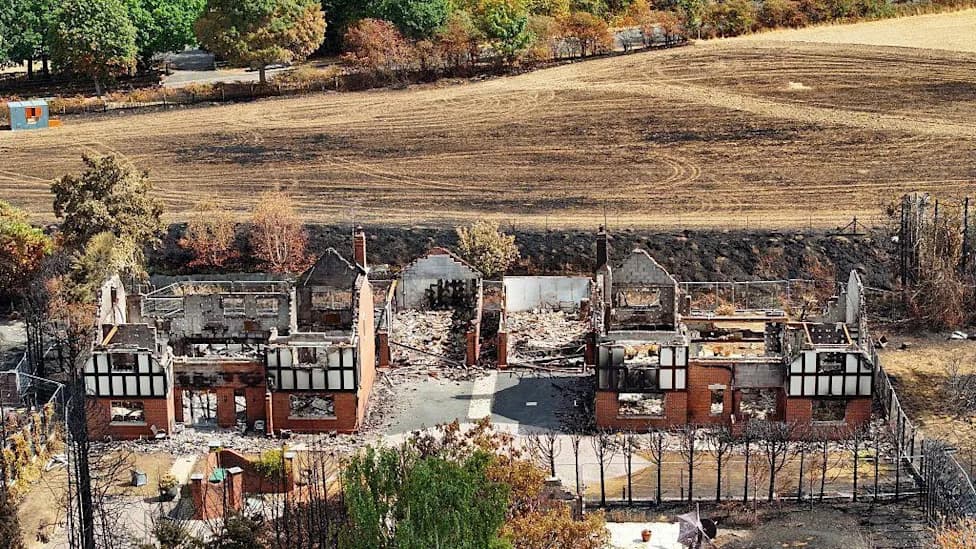
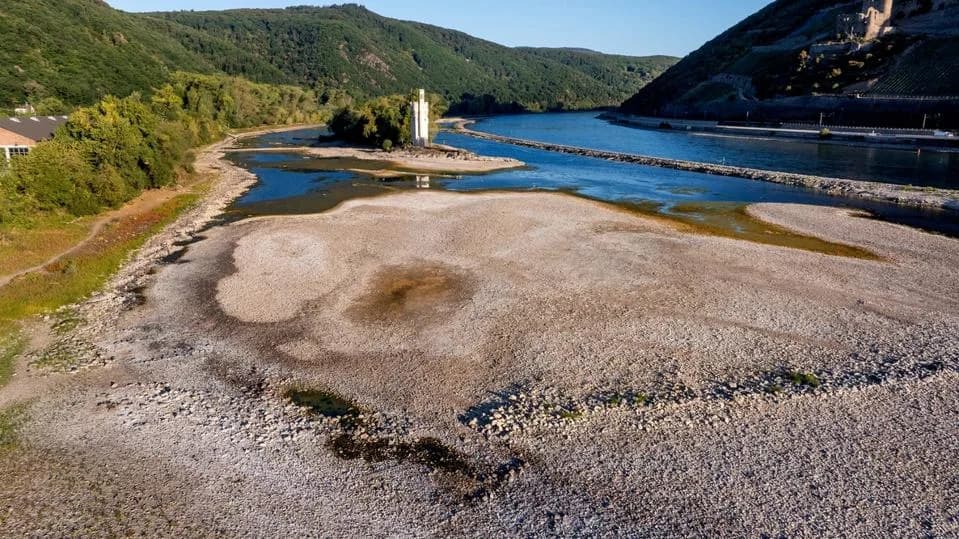
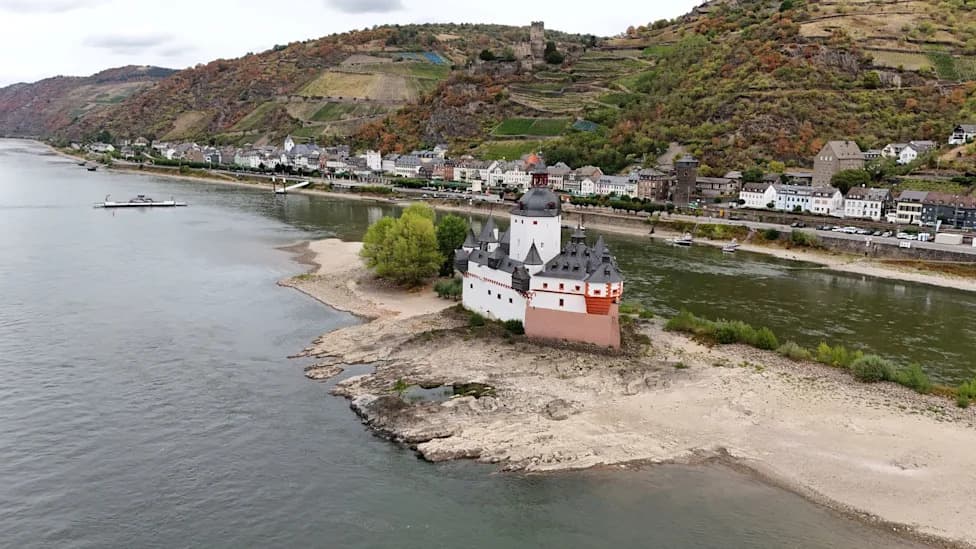
Half a century after the notable drought of 1976, the UK faced another intense dry spell in 2026 — but the pattern has changed. What once built gradually through a dry winter and spring now can arrive suddenly after a wet season, a shift often described as a 'flash drought'. This change reflects the combined effects of a warming climate, population growth and modern water use.
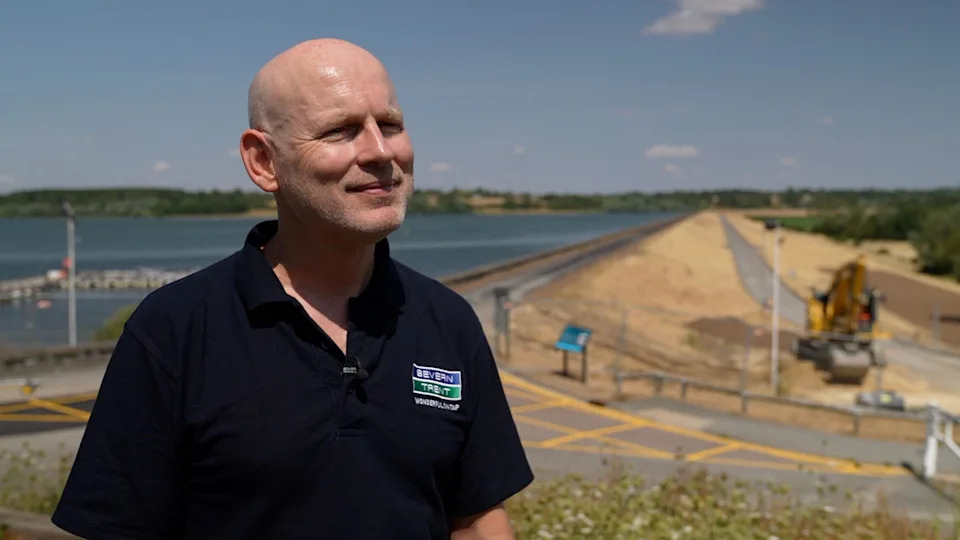
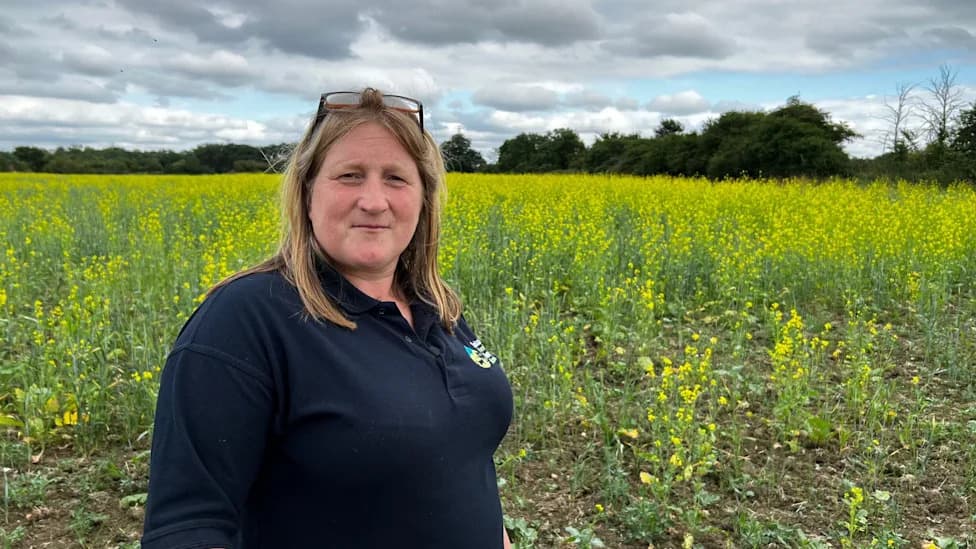
Severn Trent's Doug Clarke said they were increasing the height of the reservoir [BBC]
How 2026 differed from 1976
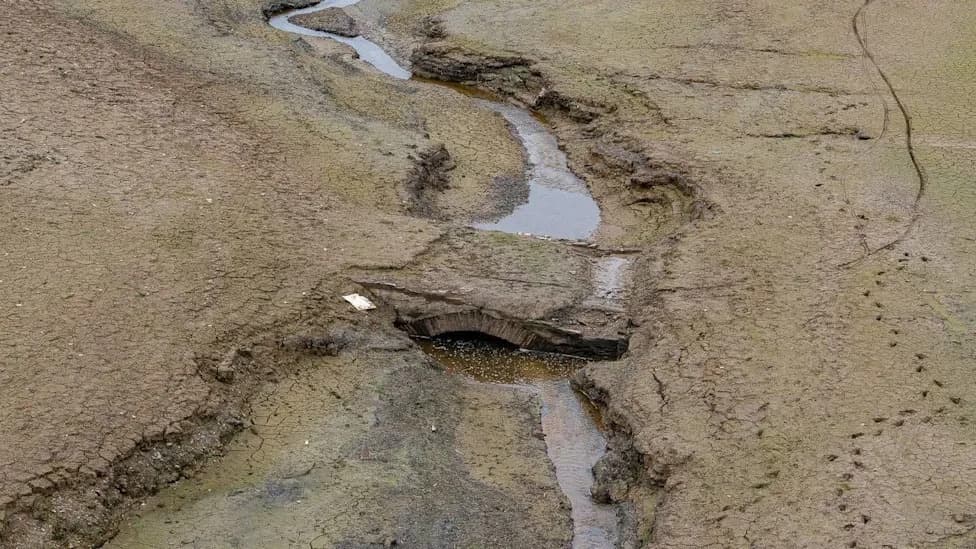
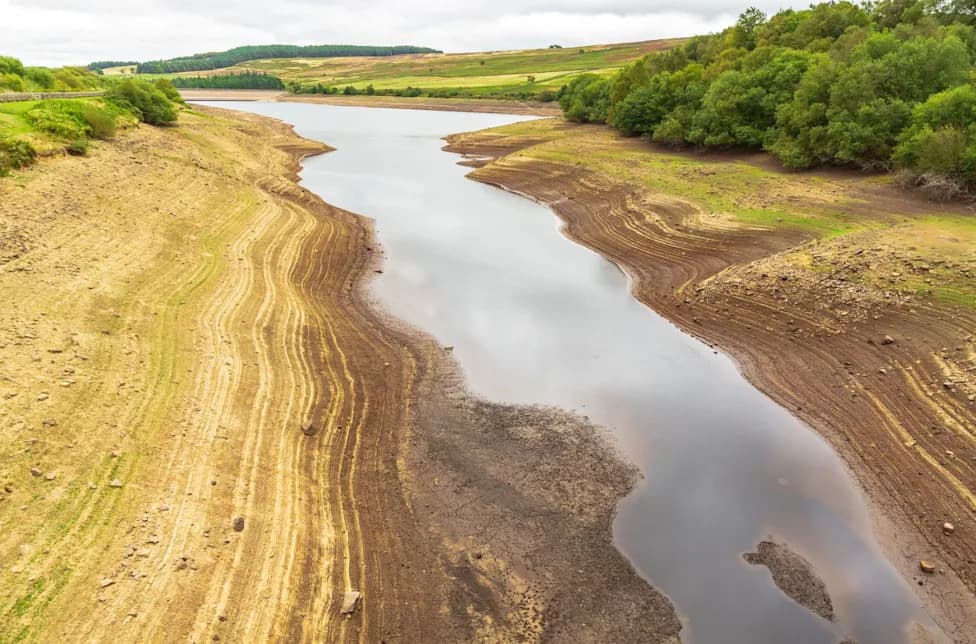
In 1976, the drought developed after a dry year that continued through spring into summer. In 2026, by contrast, a wet winter filled reservoirs, but rainfall abruptly ceased in spring and parched conditions took hold quickly. The speed of that transition — from full reservoirs to rapidly drying landscapes — is what people mean by 'flash drought'.
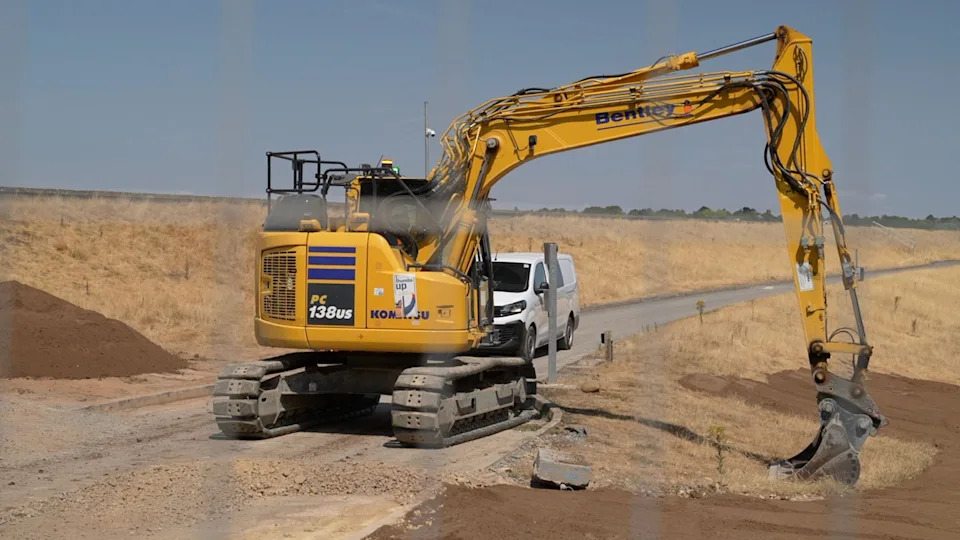
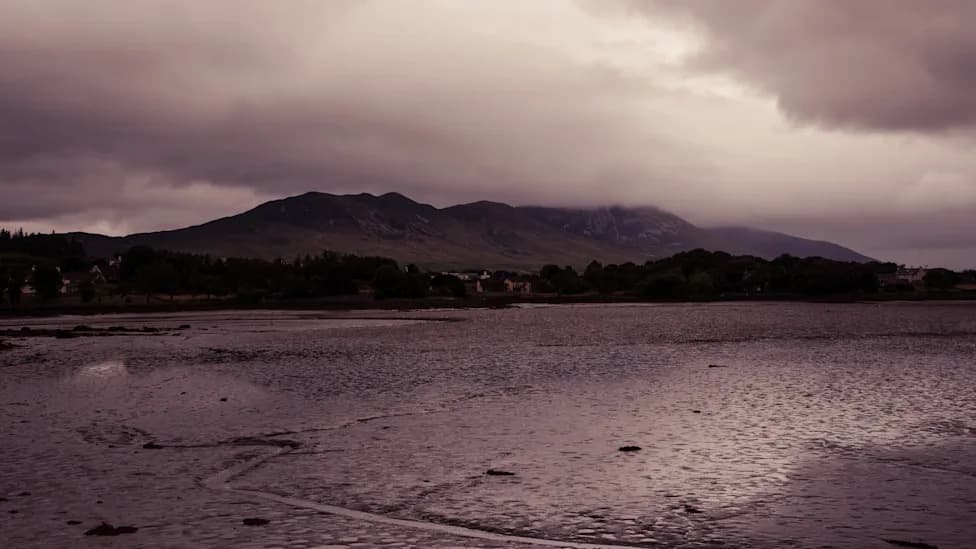
Upgrade works are currently under way at the reservoir [BBC]
Draycote Water: a vivid local example
Draycote Water, a 240-hectare reservoir and country park on the River Leam near Dunchurch in Warwickshire, illustrates the contrast. It supplies drinking water to Rugby and Coventry and is managed by Severn Trent. During the 1976 drought the reservoir was recorded at just 43% capacity. In 2026 it measured about 80% full, yet the surrounding fields were browned and extremely dry.
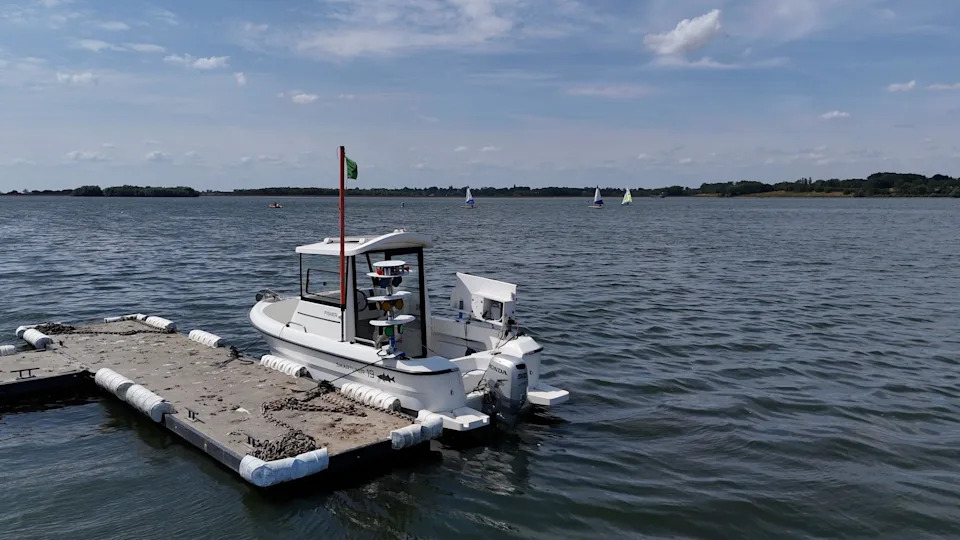
Walking, fishing and watersports are popular activities at Draycote Water [BBC]
Doug Clarke, Severn Trent's water resources planning lead, notes that archive records show this clear difference between 1976 and today.
Severn Trent is making resilience upgrades at Draycote: raising the reservoir rim by about 60 cm to increase storage, improving transfer capability between supplies, and continuing work to reduce leaks. While there has not been a hosepipe ban for the company in the past three decades, Clarke warns that droughts still pose serious operational and supply challenges.
Demand and temperature trends
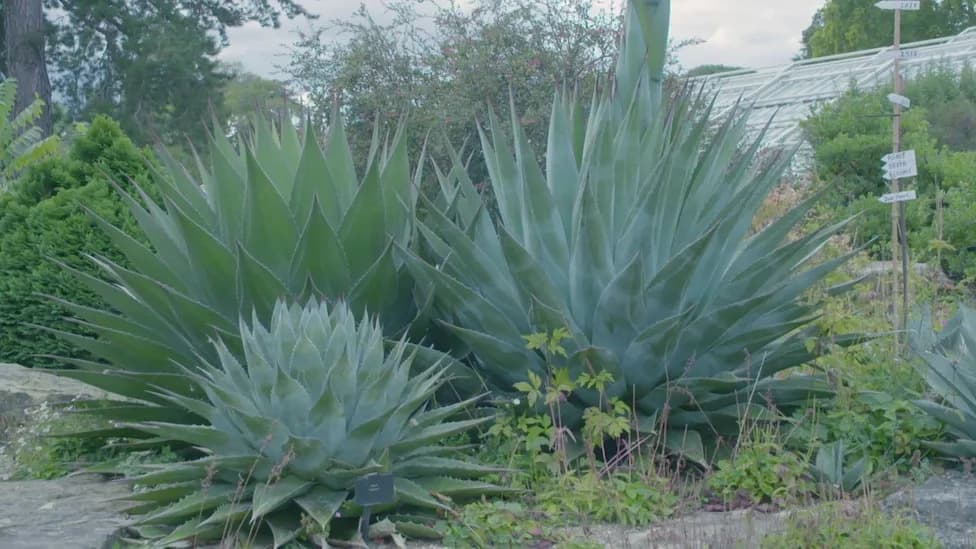
On the hottest days in 2026, Severn Trent reported an extra demand of around 400 million litres a day — roughly a 25% uplift — highlighting how modern usage amplifies stress on systems during heatwaves. Long-running records such as the Central England Temperature (CET) series, which includes readings from Pershore in Worcestershire, show that the exceptional heat of 1976 was followed by progressively more frequent and intense warm seasons from about 1990 onwards.
Takeaway
Locally the trend is often summarised as 'wetter winters and hotter, drier summers': winters store more water but summers now dry out faster and more intensely. That combination makes reservoir management, demand reduction and infrastructure upgrades more important than ever. Officials continue to urge people to use water wisely to reduce pressure on supplies and avoid restrictions.
Activities: Despite the drought, Draycote remains a popular site for walking, fishing and watersports, but visitors are reminded to respect water-use guidance during dry spells.
Help us improve.