2026 brought extreme swings to the Midlands: an unusually wet winter gave way to drought and intense heatwaves, contributing to wildfires that scorched areas such as Cannock Chase. Ash-enriched soils are encouraging bracken to overrun rare heathland species, while bluetongue spread north via infected midges with dozens of confirmed cases in September. Utilities and land managers are adapting — for example, Severn Trent is raising Draycote reservoir by 60 cm — but experts say adaptation is now essential as risks and costs grow.
This Summer Made Climate Change Feel Real For The Midlands — What Happened In 2026
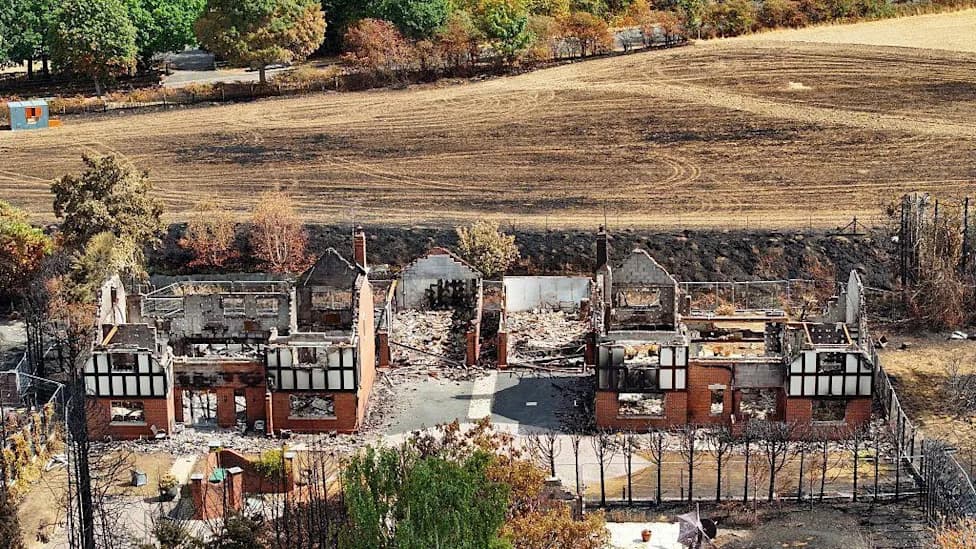
This summer, 19 homes were destroyed by a major fire that broke out in Stourbridge [PA Media]
Is 2026 the year climate change finally registered for people across the Midlands? After a 25-year career documenting floods, dry spells and heatwaves in the region, the changes this year felt clearer and more immediate than ever.
A Year of Extremes
The year began with what felt like an endless winter of rain. When the downpours stopped, the region swung into drought, followed by repeated, intense heatwaves. Those rapid swings from wet to dry and then to extreme heat exposed vulnerabilities across landscapes, farms and water supplies.
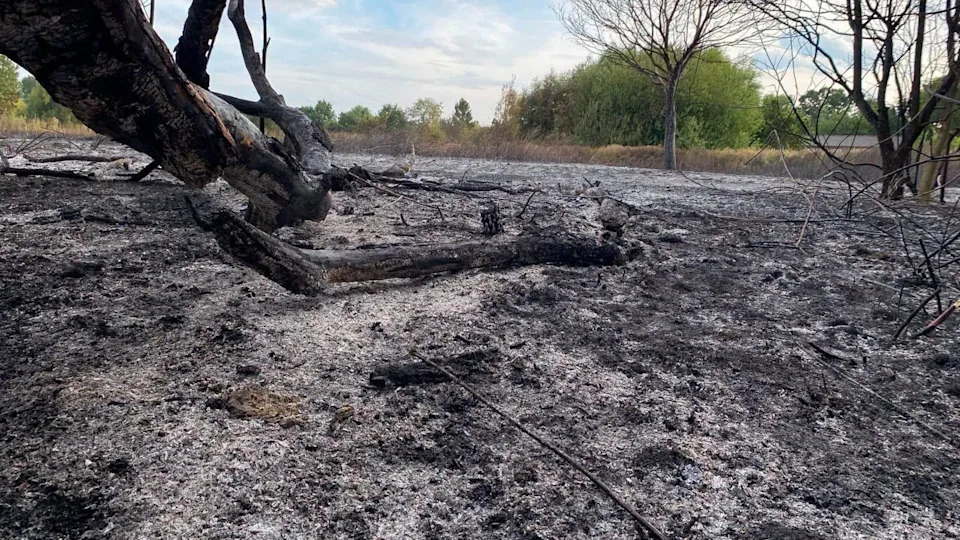
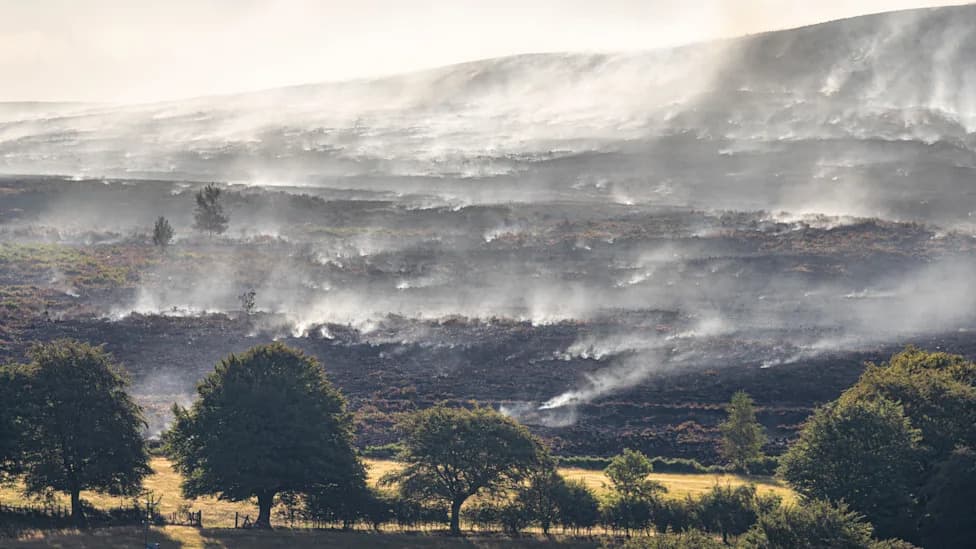
Sheldon Country Park was one of the areas in the Midlands left scorched by fire [West Midlands Fire Service]
Wildfires and Ecosystem Damage
Wildfires scorched areas such as Cannock Chase and Sheldon Country Park. Staffordshire County Council rangers described blackened ground, dead adders and cracked eggs from ground-nesting birds. At the fire’s peak in Sherbrook Valley, up to 15 fire crews were deployed to tackle the blaze.
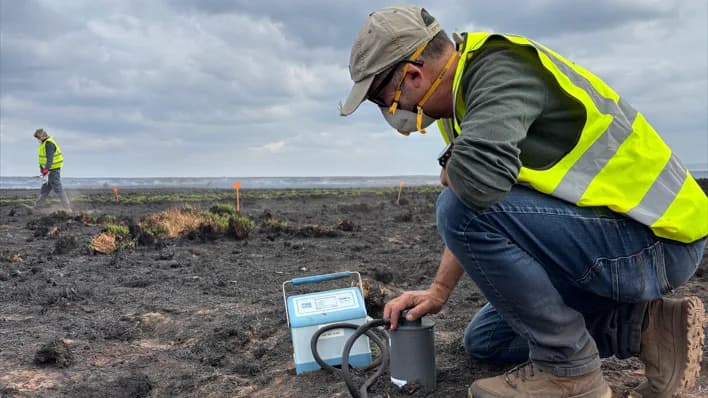
Fire ash is changing soil chemistry: it often raises nutrient levels, which might sound beneficial but threatens rare lowland heath. Heather, bilberry and cowberry prefer poor soils, whereas bracken is thriving through the char and will eventually crowd out these specialist species unless the habitat is actively restored.
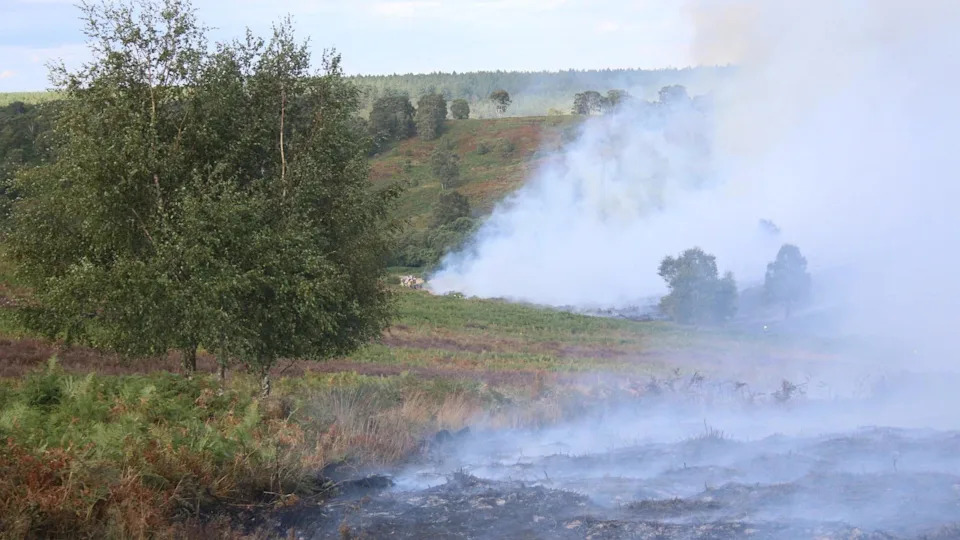
At its height, 15 crews tackled a blaze at Sherbrook Valley in Cannock Chase [Staffordshire Fire and Rescue Service]
Pests, Livestock and Farming Impacts
The Met Office warns that climate change increases fire risk and expands the ranges of pests and disease vectors. Farmers in the Midlands have seen that first-hand: bluetongue — a viral disease that can kill lambs and calves — is spread by infected midges that have moved north as the climate has warmed.
On 2 September there were 24 confirmed bluetongue cases in Staffordshire. Shropshire reported nine cases, Herefordshire two, and Worcestershire, Warwickshire and Solihull one case each. Farmers now face higher costs and new choices: housing animals during high-risk periods, investing in vaccination or changing husbandry practices.
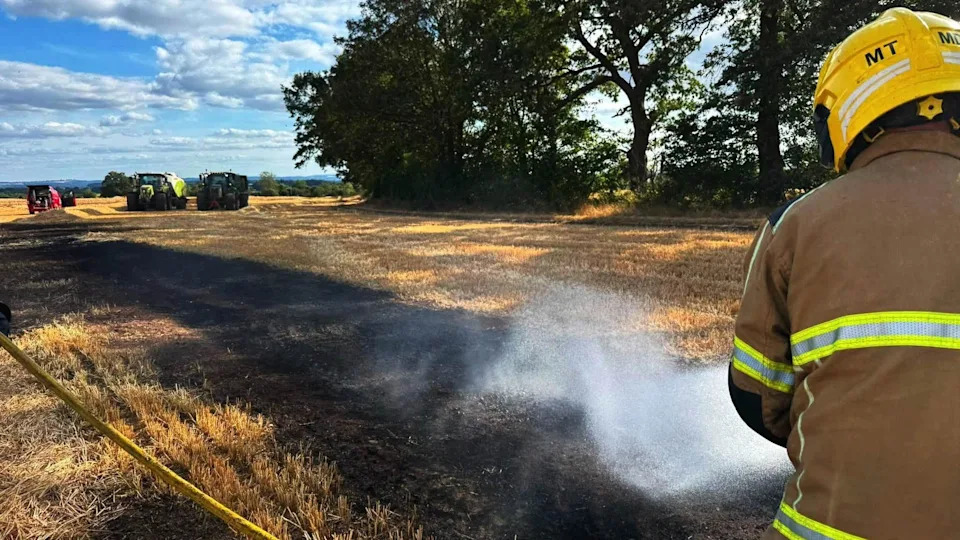
About 30sq m (322 sq ft) of crops caught fire in a field near Market Drayton, Shrosphire [Shropshire Fire and Rescue Service]
Water, Infrastructure and Response
Risk to water supplies is another growing issue. Utilities and land managers are adapting: Severn Trent is raising Draycote Water reservoir by 60 cm (24 inches) to increase storage. At Cannock Chase teams are restoring scorched habitats, widening fire breaks and improving access for emergency vehicles ahead of the next wildfire season. Elsewhere, about 30 sq m (322 sq ft) of crops burned near Market Drayton in Shropshire.
"Climate change is here; the climate the UK was designed for no longer exists," an expert said — underlining that adaptation has become essential.
Looking Ahead
Communities, farmers and emergency services across the Midlands are already paying the costs of these shifts. If this summer is a guide, the region should expect more frequent and complex climate-driven challenges in the years ahead.
Help us improve.