Study Finds: Human-driven warming made extreme evaporative demand during Ireland’s record-dry July 2026 about eight times more likely and roughly 7% stronger. July received just 0.63 in (16.1 mm) of rain — ~17% of the 1991–2020 average — while summer temperatures averaged 61.3°F (16.28°C). The report highlights a damaging seasonal whiplash (wetter winters followed by rapid summer drying) that is already straining farms and raising wildfire risk, with further evapotranspiration increases projected under continued warming.
Study: Climate-Driven Evaporation Made Ireland’s Record July Drought Eight Times More Likely
Photo Credit: iStock
A new attribution study led by researchers at Maynooth University, with support from Met Éireann and Teagasc, finds that human-driven warming substantially increased the atmosphere’s capacity to draw moisture from Irish soils and vegetation during July 2026. That increase in evaporative demand amplified the impacts of Ireland’s driest July on record beyond what the rainfall shortfall alone would explain.
Key Findings
Evaporative Demand: The study estimates that exceptionally high evaporative demand in July 2026 was about eight times more likely because of human-caused warming and roughly 7% more intense than it would have been without that warming.
Rainfall: July 2026 remains the driest July on record for Ireland, with just 0.63 inches (16.1 mm) of rain — about 17% of the 1991–2020 average. The researchers found no clear attribution of that very low July rainfall to human-caused climate change.
Heat Signals: Heat showed a much stronger link to climate change. Ireland’s average summer temperature in 2026 reached 61.3°F (16.28°C), the country’s second-warmest summer. Fourteen of Met Éireann’s 25 principal stations recorded their hottest summer, and Phoenix Park in Dublin recorded 68 days above 20°C.
Extremes: The analysis suggests that daytime temperature extremes like those in 2026 are now about 40 times more likely, while unusually warm nighttime minimums have become more than 1,000 times as likely.
Impacts on Agriculture and Ecosystems
Irish farms and ecosystems are adapted to relatively reliable rainfall and soil moisture. Severe soil moisture deficits in parts of southern and eastern Ireland reduced grass growth during July 2026, forcing some livestock farmers to provide extra feed and to draw on fodder reserved for winter. Tillage and horticultural crops were also affected, and growers increased irrigation for potatoes and vegetables.
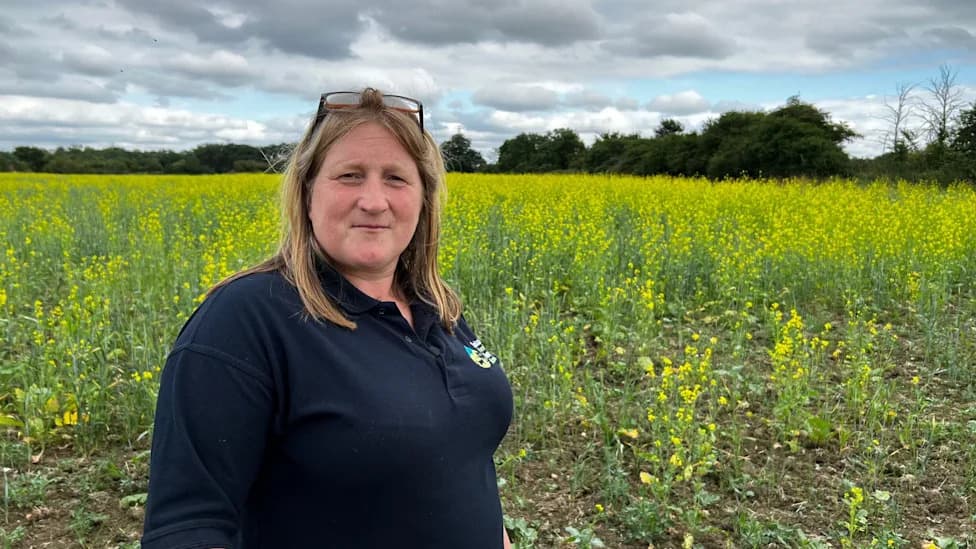
The study highlights a seasonal “whiplash” effect: October–March rainfall leading up to summer 2026 was roughly 35 times more likely and about 27% heavier because of climate change, producing lush vegetation that then dried rapidly under persistent heat. As Dr Claire Bergin of Maynooth University’s ICARUS Climate Research Centre explained, fields can be waterlogged late in the season and quickly become parched, lowering grass yields while increasing wildfire risk as vegetation dries out.
Looking Ahead
Researchers warn the trend is likely to intensify. Under a 3°C (about 5.4°F) global warming scenario, July potential evapotranspiration is projected to rise by nearly another 6% from current levels, adding more stress during future dry spells. As Met Éireann climatologist Paul Moore noted, the stable climate of the recent past, under which many of Ireland’s ecosystems evolved, no longer exists.
Implications For Adaptation
The authors emphasise that planning must move beyond rainfall totals. Warmer conditions increase the atmosphere’s ability to evaporate moisture from soils and plants, shortening irrigation windows and raising demands on fodder supplies, crop choices and wildfire preparedness. Improved attribution, targeted irrigation strategies, flexible fodder planning and wildfire mitigation are among the measures they recommend to help farmers and land managers adapt.
Bottom line: Climate change didn’t necessarily cause the low July rainfall in 2026, but it made the heat-driven drying — and its agricultural and ecological impacts — far more likely and more intense.
Help us improve.