Thames Water plans to apply for permission this year for the 150 billion litre White Horse Reservoir near Abingdon, intended to help supply about 15 million customers by 2040. The reservoir would be filled from the River Thames in winter, but recent low rainfall (around 35% of average this month) and depleted groundwater complicate that strategy. A Defra-funded £100m Evenlode Landscape Recovery programme is paying 240 farmers to improve soils and recharge underground aquifers in the Cotswolds, reinforcing the case for combining engineered reservoirs with nature-based water storage. Current stress is clear: Farmoor Reservoir levels are roughly 75% below average and ten hosepipe bans remain in effect nationwide.
How Will the 150 Billion Litre White Horse Reservoir Be Filled? Nature-Based Solutions and River Supplies Under Strain
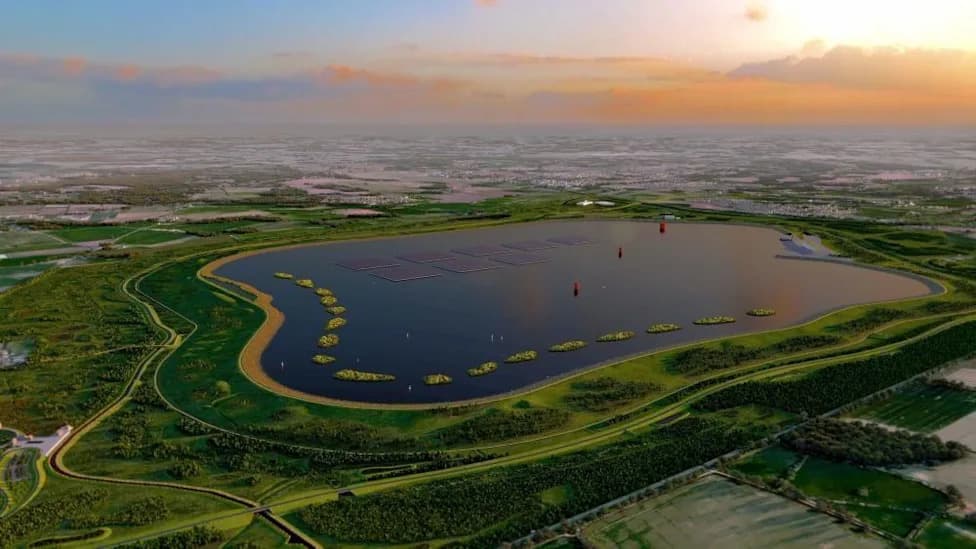
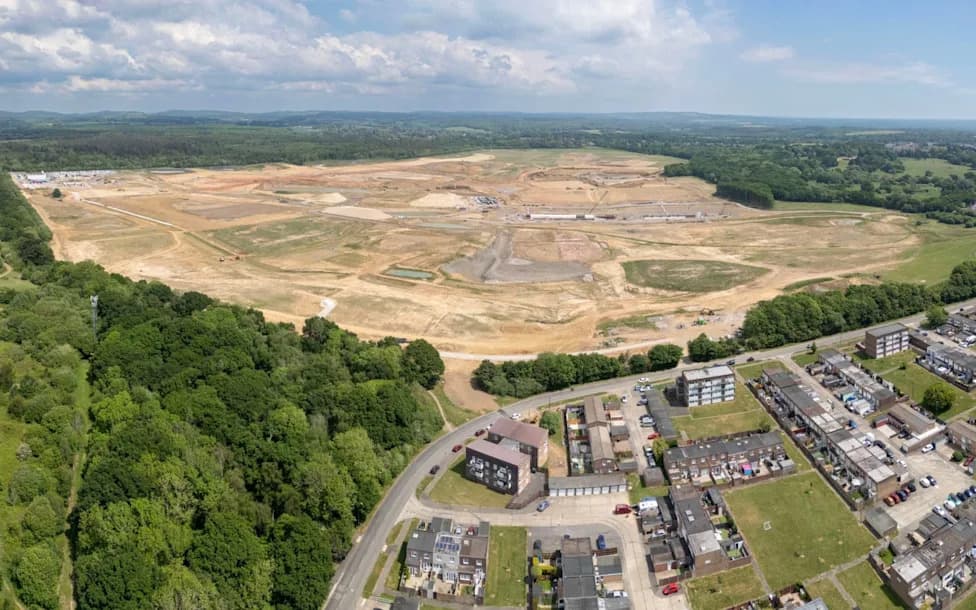
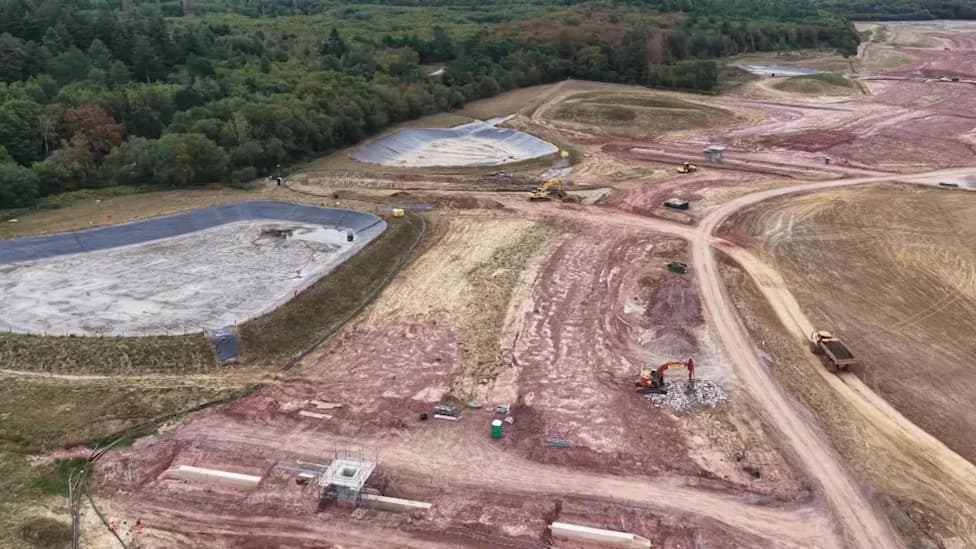
The proposed White Horse Reservoir would supply 15 million people in the south east of England [Thames Water]
Plans to build a 150 billion litre reservoir in the Thames Valley have moved forward, and attention is turning to a key question: where will the water come from? Thames Water intends to apply for planning permission this year for the proposed White Horse Reservoir near Abingdon, Oxfordshire. The company says the new facility, expected to cost between £5.5bn and £7.5bn, is designed to help supply about 15 million customers across the south-east by 2040.
Thames Water's proposal is to fill the reservoir from the River Thames in winter months when river flows are higher. But recent dry conditions illustrate the challenge: rainfall in the Thames Valley this month has been only around 35% of the long-term average, and surface and groundwater stores are well below normal.
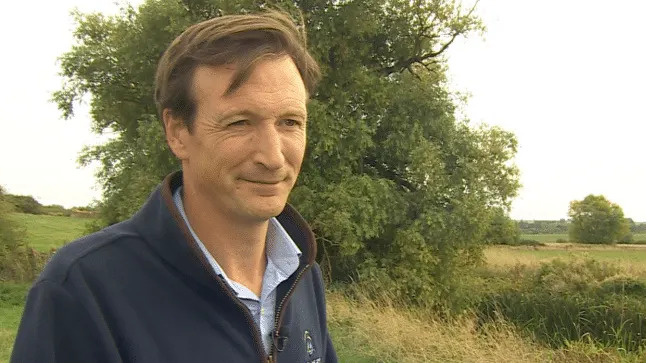
Tim Field, director of the Evenload Landscape Recovery programme, said retaining the natural reservoir under the Cotswolds is where water resilience really begins. [BBC]
Nature-Based Approaches Upstream
To supplement engineered storage, a nature-first project upstream is using land management to capture and hold more water naturally. The Evenlode Landscape Recovery programme — involving 240 farmers whose land borders the Evenlode, Cherwell and Windrush rivers — has secured £100m from Defra over 20 years to restore landscapes that boost flood resilience, increase biodiversity and improve supplies to the south-east.
The scheme focuses on soil and catchment management: improving soil structure so it becomes more porous and stores more rainwater, encouraging infiltration into the limestone beneath the Cotswolds rather than rapid surface runoff. That process helps recharge underground aquifers and "natural reservoirs" beneath the valley that can be tapped in droughts.
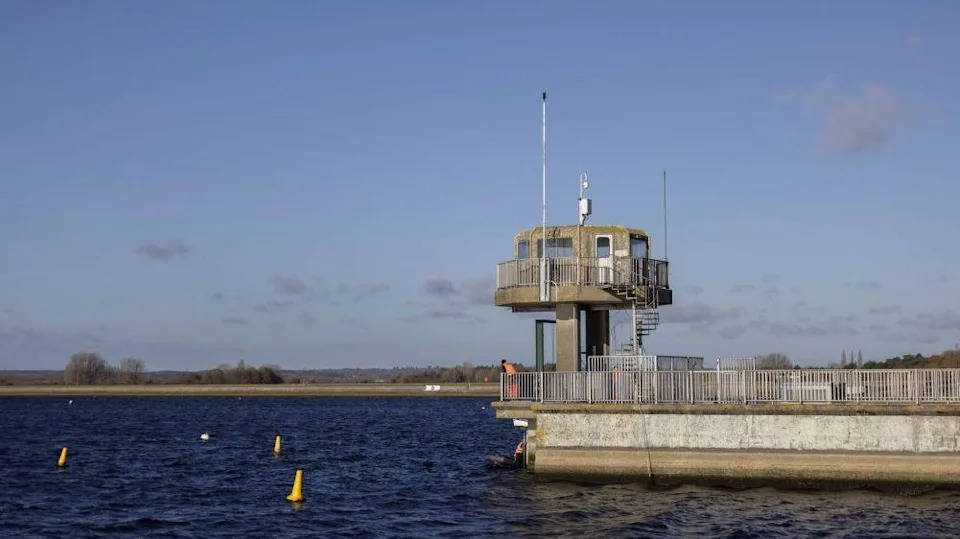
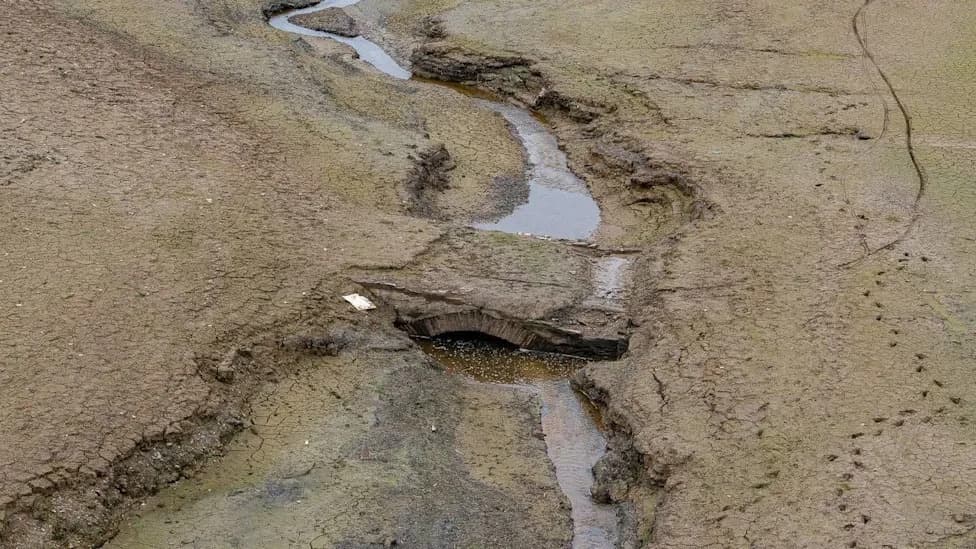
The water stored at Farmoor Reservoir near Oxford is far below the average level Thames Water would expect [Getty Images]
"We can't just rely on reservoir building to overcome this problem," says Tim Field, director of the Evenlode Landscape Recovery programme. "If we abstract more water from rivers without looking after the catchment and groundwater, the rivers run dry. We've got to protect the natural reservoirs under the Cotswolds as well as build new ones."
Current Water Stress and Why It Matters
The need for both engineered and natural solutions is underlined by current storage and rainfall figures. Farmoor Reservoir, which serves Oxford, is holding roughly 75% less water than the long-term average for this time of year. Thames Water's head of water resources, Julie Morton, notes that regional rainfall from March to August was less than half of what is normally expected; while some river levels have recovered with recent rain, groundwater and soil moisture remain significantly depleted. Across England, ten hosepipe bans remain in place as water companies manage low supplies.
What This Means for the White Horse Proposal
Thames Water highlights water security as a primary reason for building a new reservoir; filling it from the Thames in winter is central to that plan. But experts involved in landscape recovery stress that protecting and enhancing upstream groundwater recharge and catchment health is essential to ensure rivers can sustain both environmental needs and abstraction for reservoirs.
As planning progresses, the debate is likely to focus on balancing large-scale engineered projects with investments in natural capital that keep river flows and underground stores healthy. The White Horse proposal and programmes such as Evenlode together illustrate how multiple approaches may be needed to bolster long-term water resilience in the south-east.
Help us improve.