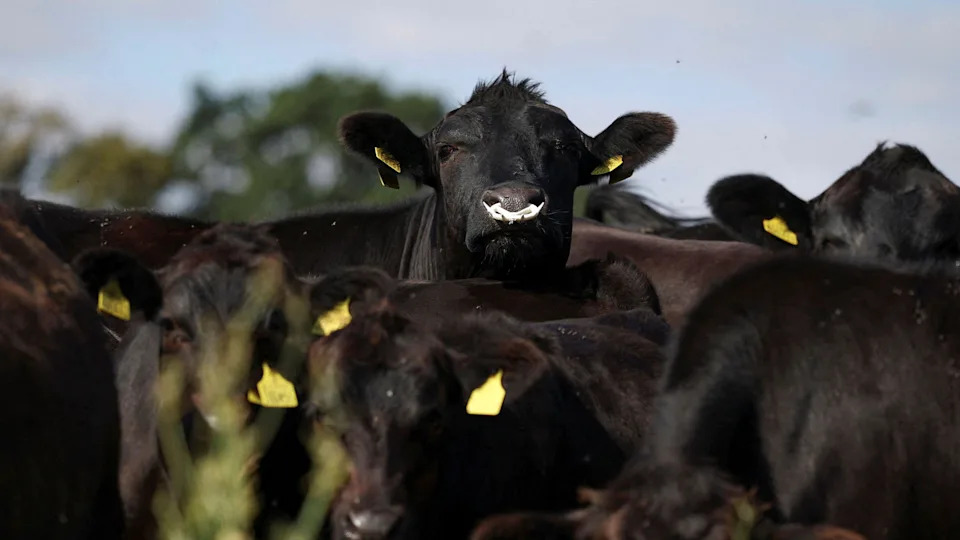
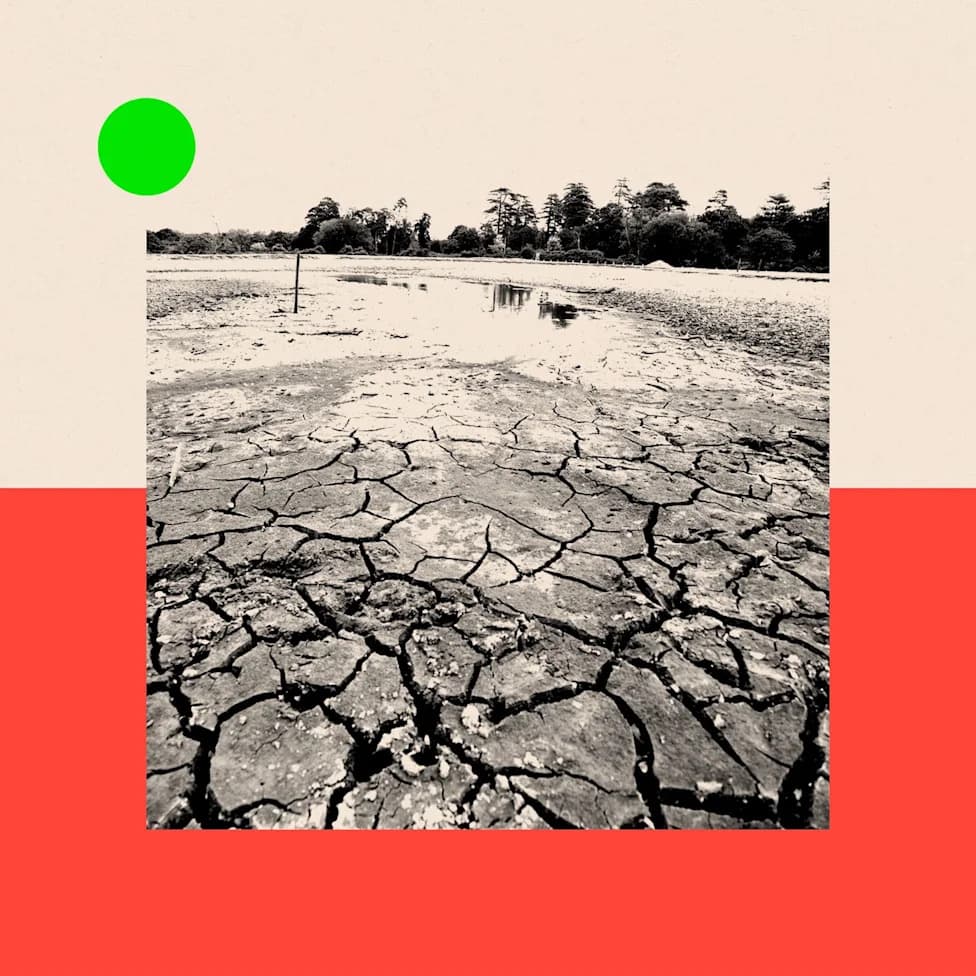
Extreme heat this summer forced dairy farmers in England and Wales to deliver about 240 million fewer litres of milk than expected, the Energy and Climate Intelligence Unit (ECIU) has found. Between May and August, the shortfall amounted to roughly four fewer days of milk supply.
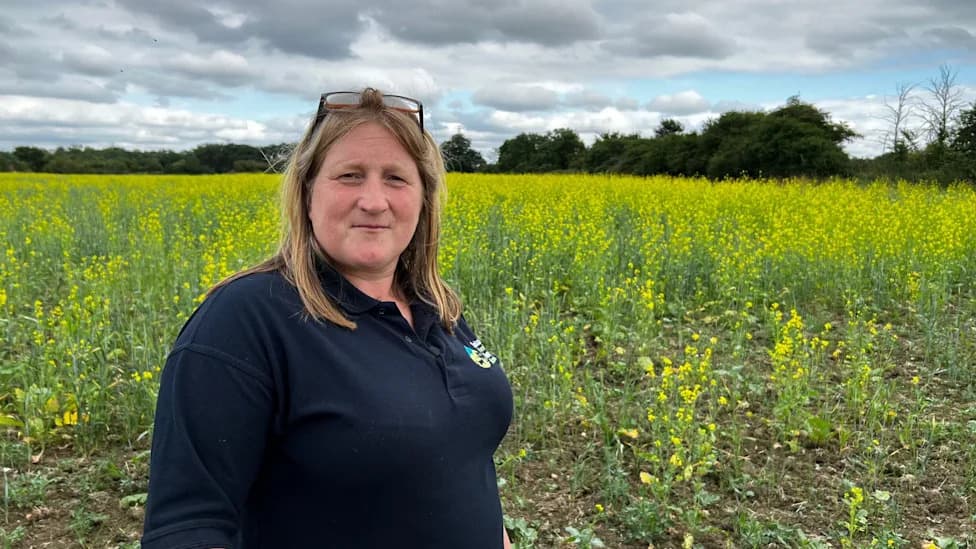
Poor grazing, stunted harvests and heat stress on cattle prompted many producers to move to winter forage early. Debbie Wilkins, who runs a dairy and beef farm in Prior's Norton, Gloucestershire, described the season as "difficult," saying:
"The costs pile up when you have to bring the cows indoors and the loss of milk production compounds the issue."
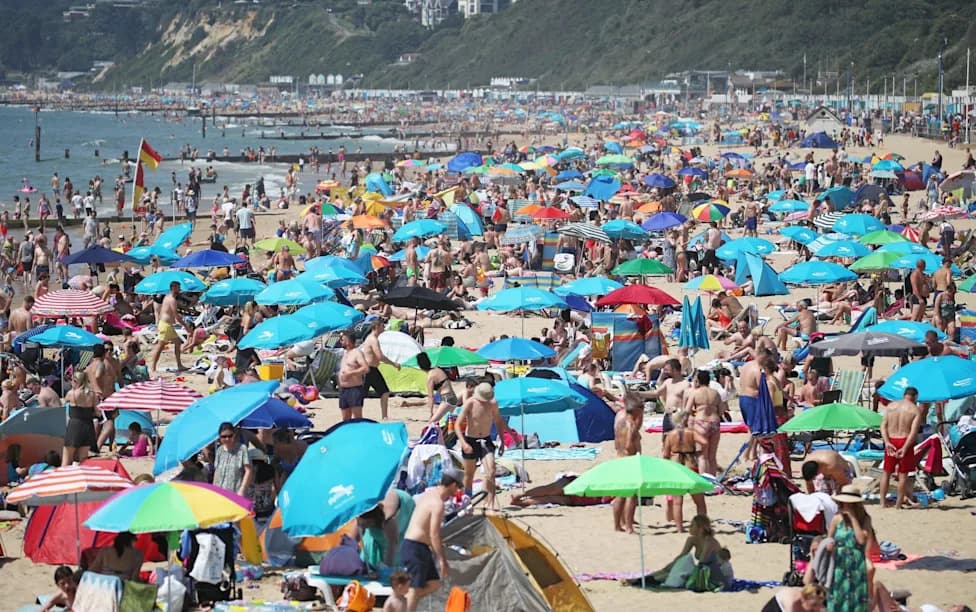
The ECIU estimates the lost milk is worth more than £83 million — a volume equivalent to over one billion school milk cartons. The shortfall follows what was recorded as the UK's hottest summer on record in 2026, which featured five intense heatwaves and several drought declarations.
More shade, trees and water are needed if farmers want to survive future severe weather events, the ECIU said [Reuters]
Despite the summer losses, the ECIU noted that UK milk production for 2026 could still approach near-record levels because farmers had built up a buffer earlier in the year that partially offset the litres lost during the hot months. The report also highlights structural shifts in the sector: consolidation, mechanisation and economies of scale have helped increase outputs even as herd sizes have fallen.
Warnings and Solutions
Tom Cantillon, a senior analyst at the ECIU, warned that future heatwaves will be harder to recover from because milk cannot be stockpiled. He added:
"The costs don't stop now that the rain has come. A second bad year for grass has pushed farmers into their winter forage early, with feed prices to follow."
The ECIU urged investment in on-farm climate resilience measures — more shade, tree planting, reliable water supplies and other adaptations — to help livestock cope with more frequent and severe weather events.
Implications: The disruption highlights risks for farm incomes, feed costs and seasonal supply chains. Policymakers and industry groups may need to prioritise resilience support to reduce the impact of recurring extreme weather on dairy production.