Erratic seasonal patterns linked to climate change have forced Shrewsbury Town Council to change how it manages parks and green spaces, scaling back mowing during drought and bringing forward other maintenance when wetter conditions returned. Researchers at Harper Adams and the University of Warwick are collaborating to breed crops with traits that increase resilience to heat and drought. Local businesses, such as a Wellington cafe, are also altering operations after heat-related closures. Scientists warn record-breaking heat is likely to continue, and projections suggest the UK could see mid-40s Celsius temperatures by 2050 if warming persists.
Unpredictable Seasons Force Councils and Communities to Rethink Park Care
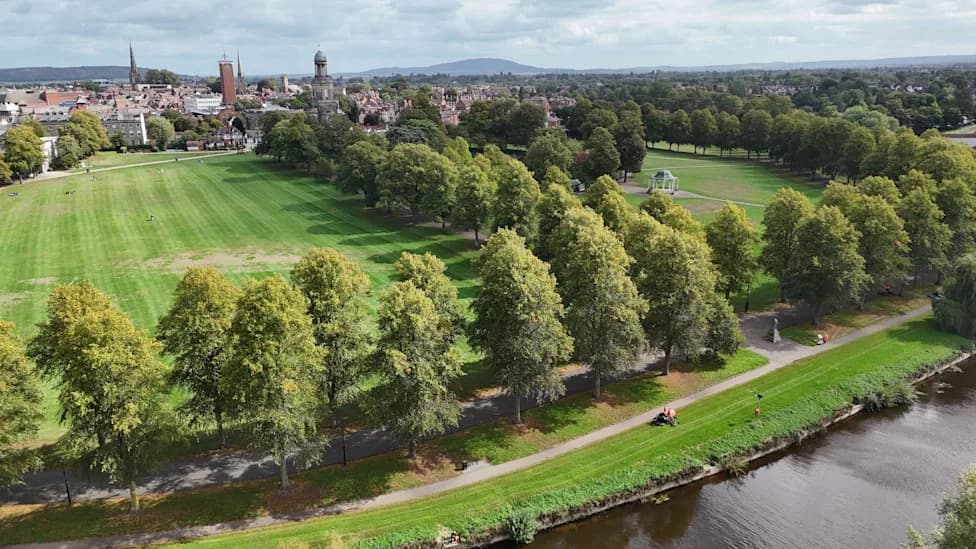
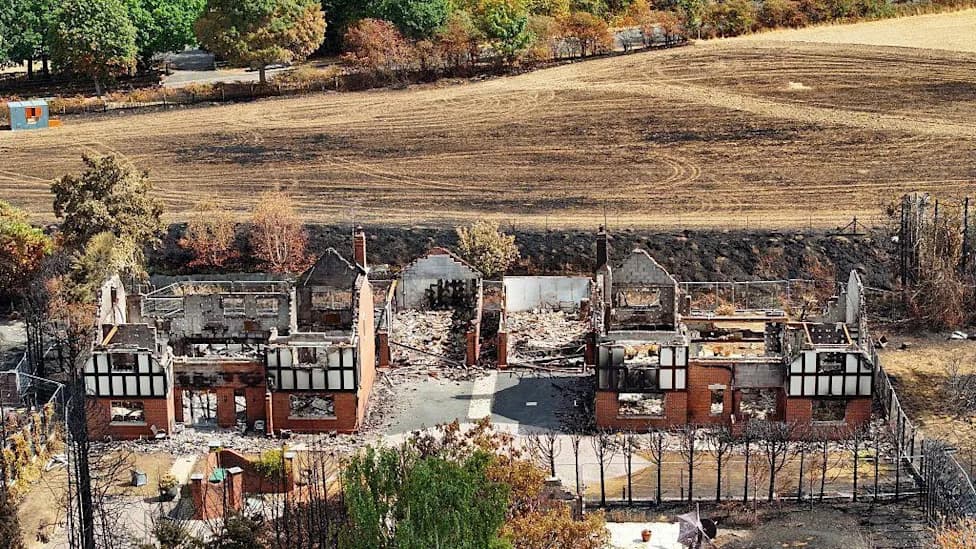
Shrewsbury Town Council says rising temperatures are affecting how it manages parks and green spaces [Shrewsbury Town Council]
Increasingly erratic seasons linked to climate change are forcing local authorities, researchers and businesses to adapt how they manage parks, crops and day-to-day operations.
Shrewsbury Town Council reported unusually rapid grass growth this year after an "unusually dry summer followed by warm, wet conditions." The town council said those sudden shifts in weather meant routine maintenance schedules had to be revised.
July 2026 was recorded as the driest on record across England and Wales, and the Met Office has warned it is "very likely" that 2027 will be the hottest year on record globally. Against this backdrop, council teams are changing how they manage local green spaces to remain resilient to greater weather variability.
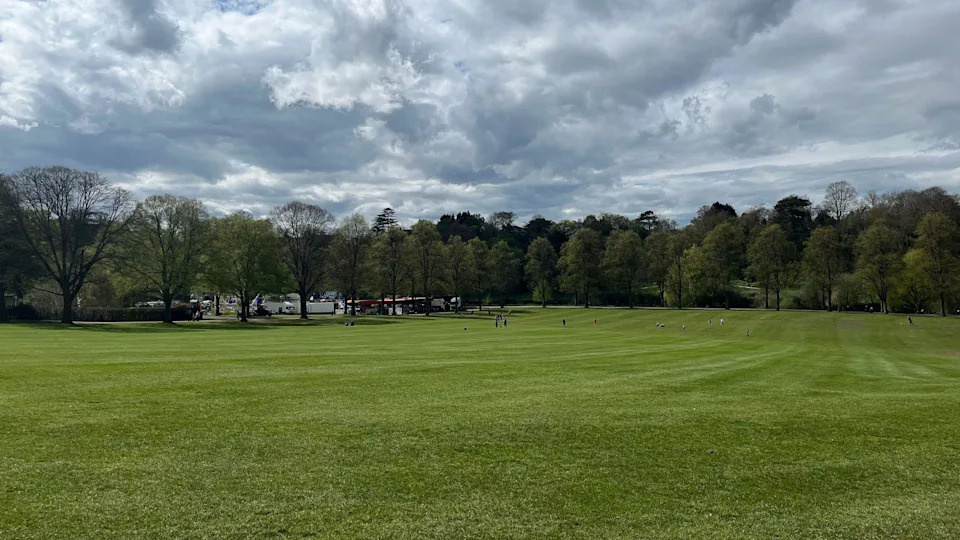
The town's Quarry is one of the spaces maintained by the local authority [BBC]
During the prolonged dry spell, grass cutting was scaled back to conserve stressed turf. When wetter, warmer conditions returned, some tasks usually scheduled later in the year—such as path tidying and hedge cutting—were brought forward.
"The weather has given us very different conditions to manage this year," said Danny Powell, operations manager for the council's recreation and green space team. "Our teams have been able to make good use of the quieter period for mowing, getting ahead with other maintenance work. It's important that we remain flexible as our weather and seasons become less predictable."
The council said it will review planting schemes, grass management and wider maintenance programmes to make them more resilient to variable weather. Shrewsbury's Quarry is one of the public spaces maintained by the authority and highlighted as an example where adaptive management is needed.
Research and Local Businesses Respond
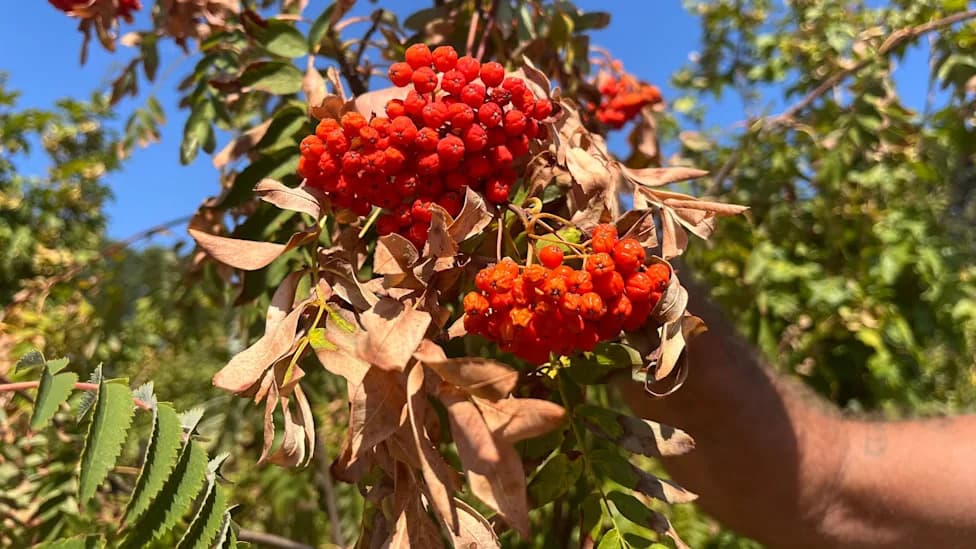
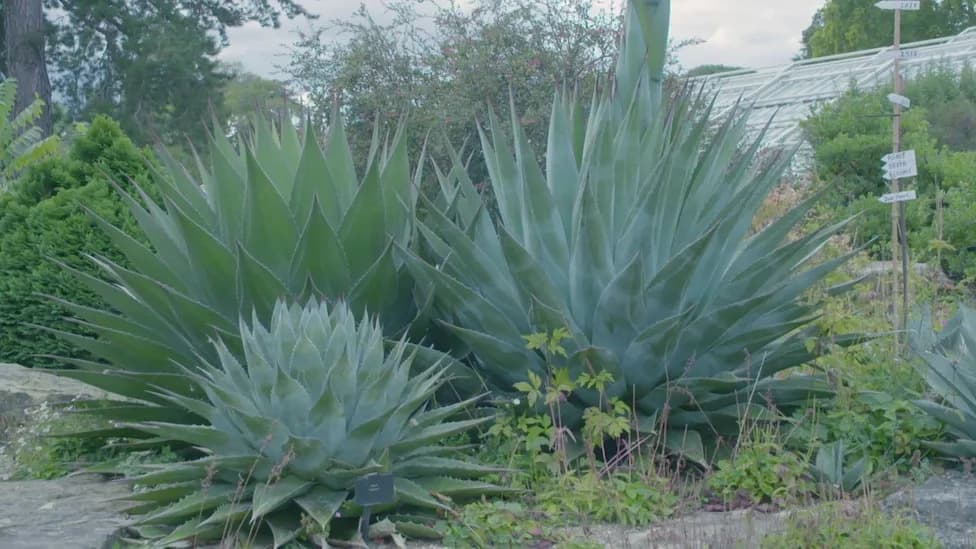
Researchers at Harper Adams University in Shropshire have begun collaborating with the University of Warwick Crop Centre to develop crop varieties that better tolerate heat, drought and other weather stresses. The teams are identifying "beneficial features" in resilient plant varieties that could be bred into crops.
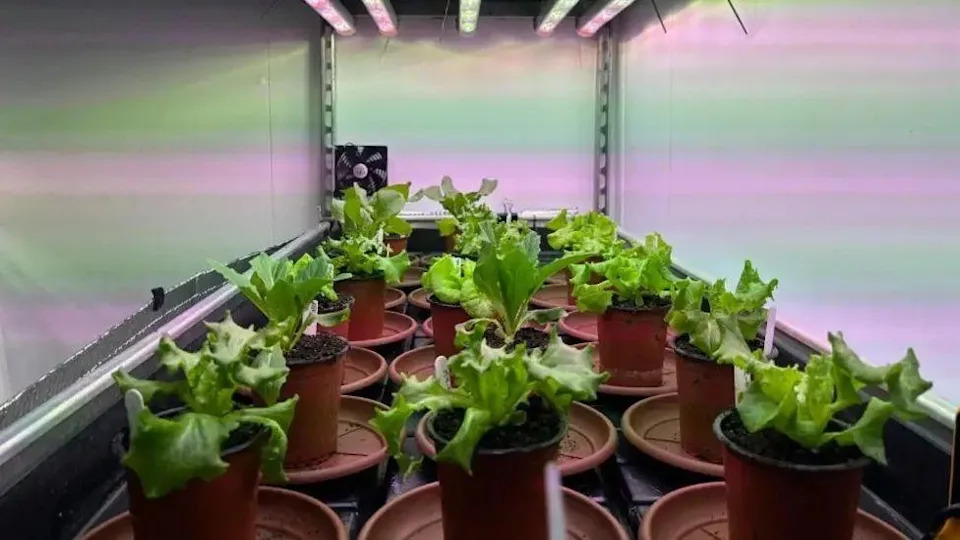
Scientists are exploring ways in which crops can be made more resilient in a changing climate [BBC/ Alex James]
Dr Andrew Beacham, a lecturer at Harper Adams, said the work focuses on taking "beneficial features" from varieties that cope better under extreme conditions to improve overall resilience.
Local businesses are also adapting. A cafe owner in Wellington, Shropshire, David Cheshire, closed for two days in June due to extreme heat and is considering changing opening hours seasonally—potentially opening earlier and serving hot food only at the start of the day to keep indoor temperatures lower.
"We're trying to introduce new practices to become more accustomed to the heat," Cheshire said, describing operational changes being considered to reduce heat impact on staff and customers.
Scientists' Warnings and Projections
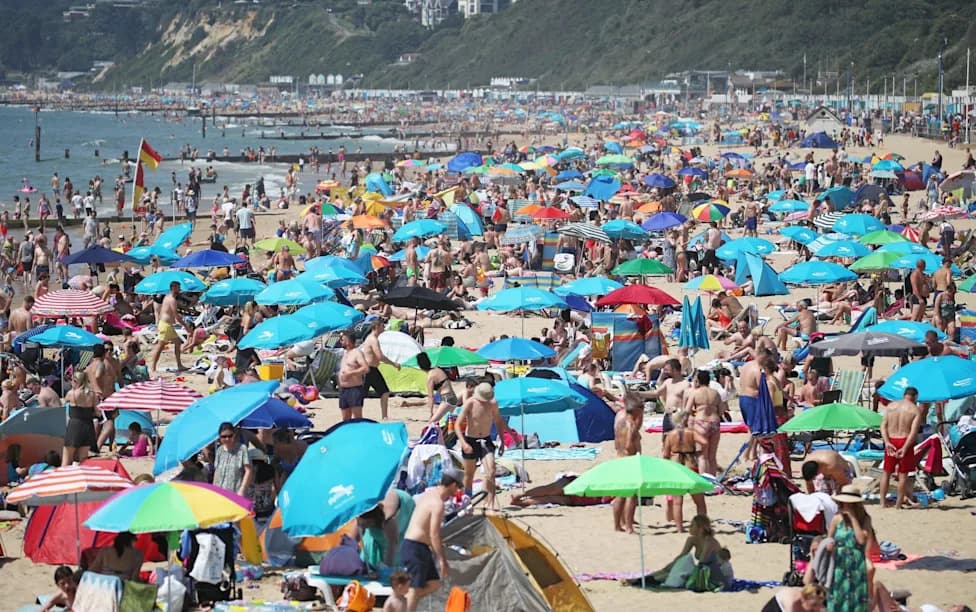
Scientists warn that hotter temperatures and more frequent extremes are likely to continue. Lizzie Kendon, professor of climate science at the University of Bristol and head of climate projections at the Met Office, said: "We expect increasing temperatures and the breaking of temperature records due to climate change."
The UK's highest recorded temperature remains 40.3°C, set in July 2022; before 1990 the UK had not recorded 37°C. Met Office projections indicate that if global warming continues at its current pace, temperatures in the mid-40s Celsius could be possible in the UK by 2050.
"Climate change is loading the atmosphere with extra heat and making extreme temperatures far more intense than they would have been in the past," said Dr Akshay Deoras, senior research scientist at the University of Reading.
Local authorities, researchers and businesses say planning for these changing conditions—through flexible maintenance, resilient planting and adjusted operations—will be essential to protect green spaces, food systems and communities as the climate continues to shift.
Help us improve.