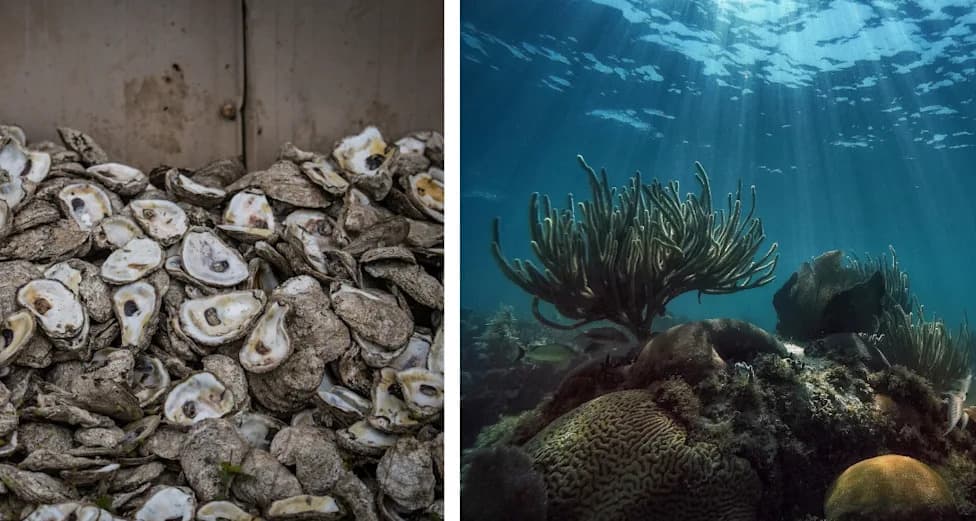
The Gulf's oyster reefs have declined drastically from habitat loss, overharvest and disasters like the 2010 Deepwater Horizon spill. Since 2007, NOAA and partners have promoted community-led programs that collect and cure used oyster shells, then deploy them in mesh bags to form artificial reefs. These restored shell reefs help oyster larvae settle, support roughly 170 other species, strengthen shorelines and sustain a $250 million regional industry.
Communities Are Restoring Gulf Oyster Reefs — One Recycled Shell at a Time
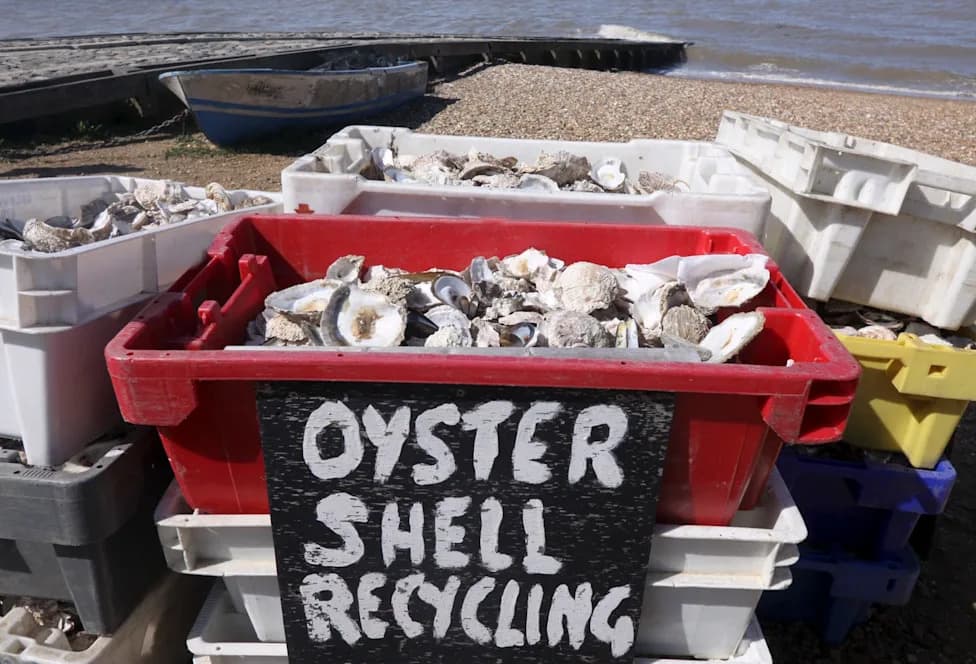
Recycled Oyster Shells Are Restoring ReefsMoonstone Images - Getty Images
The Gulf of Mexico once teemed with oysters. Today those reefs have been severely depleted by habitat loss, overharvest, pollution and catastrophic events like the 2010 Deepwater Horizon oil spill. Local communities, restaurants and conservation groups have responded with a simple but effective solution: recycling used oyster shells to rebuild oyster habitat.
Why Oyster Reefs Matter
Oyster reefs provide multiple benefits: they are natural water filters, habitat for hundreds of species, and a first line of defense against storm surge and coastal erosion. The Gulf region still supports the world’s largest wild oyster fishery and supplies roughly half of U.S. oysters — a roughly $250 million industry that sustains fishermen, processors and restaurants.
Mounting Threats
Over the last two centuries most of the world’s oyster reefs have been lost; a 2020 study in Biology Letters warned that nearly one-third of remaining reefs are functionally extinct. In the Gulf, additional pressures such as freshwater influxes from Mississippi River flooding, changing salinity, and oil spills have driven major reef declines across Texas, Louisiana, Mississippi, Alabama and Florida.
How Shell Recycling Works
Beginning in 2007, NOAA's Community-Based Restoration Program and the Southeast Aquatic Research Partnership (SARP) helped scale projects that turn discarded oyster shells into artificial reef material. The process is straightforward and science-driven:
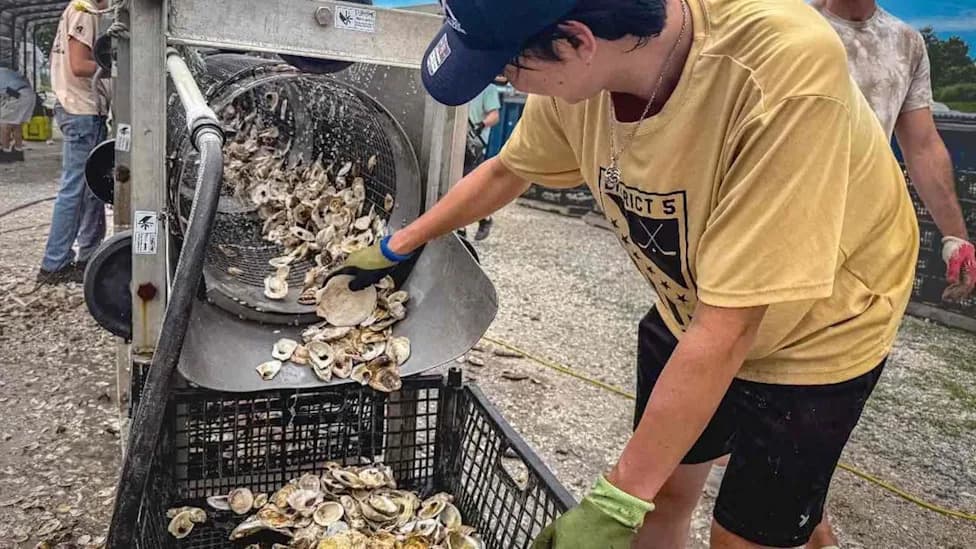
- Restaurants and community volunteers collect used oyster shells.
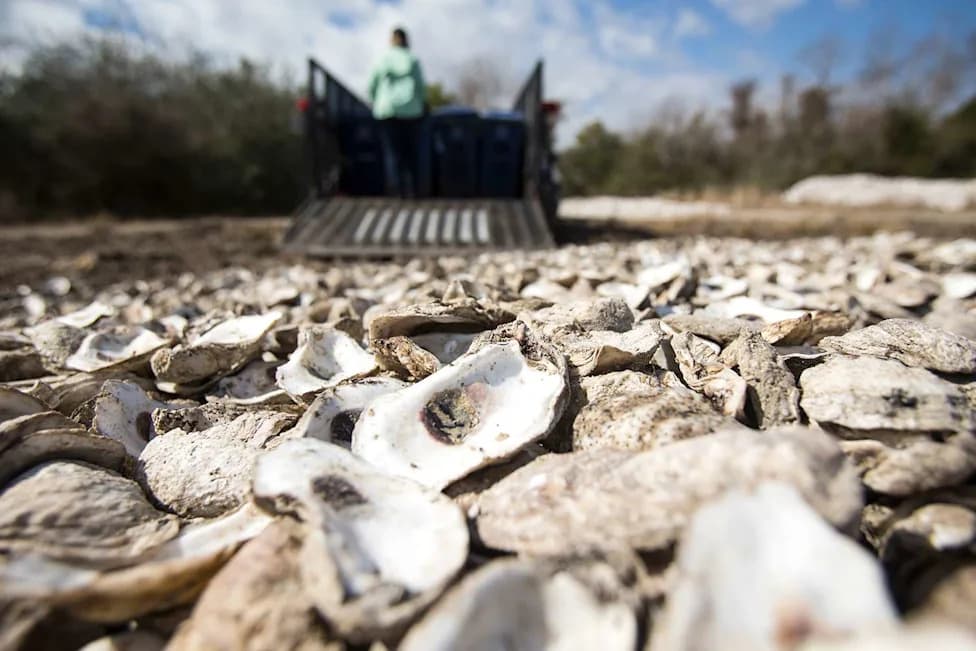
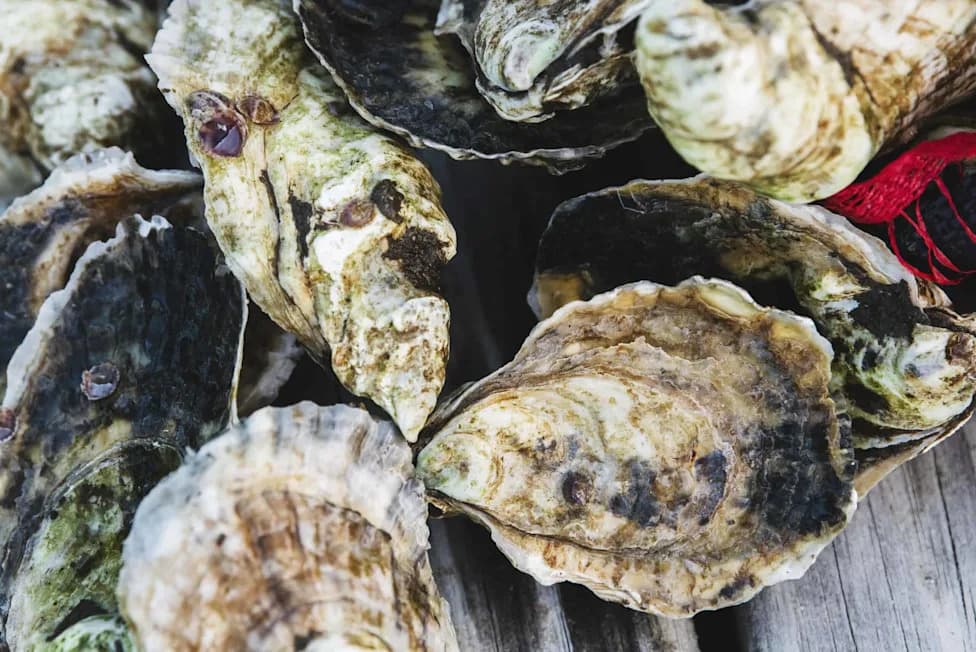
- Shells are cured on land for about three to six months to eliminate harmful bacteria and let scavengers remove any remaining tissue.
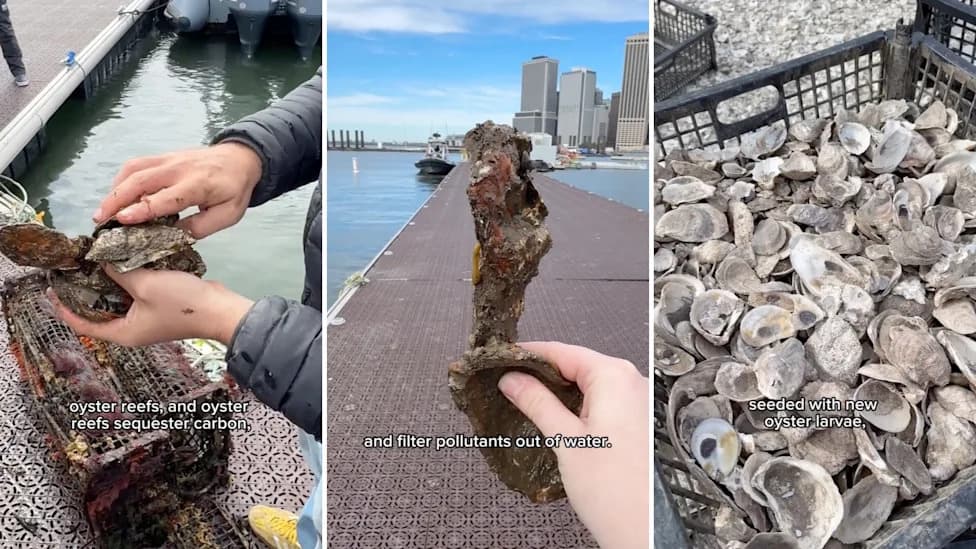
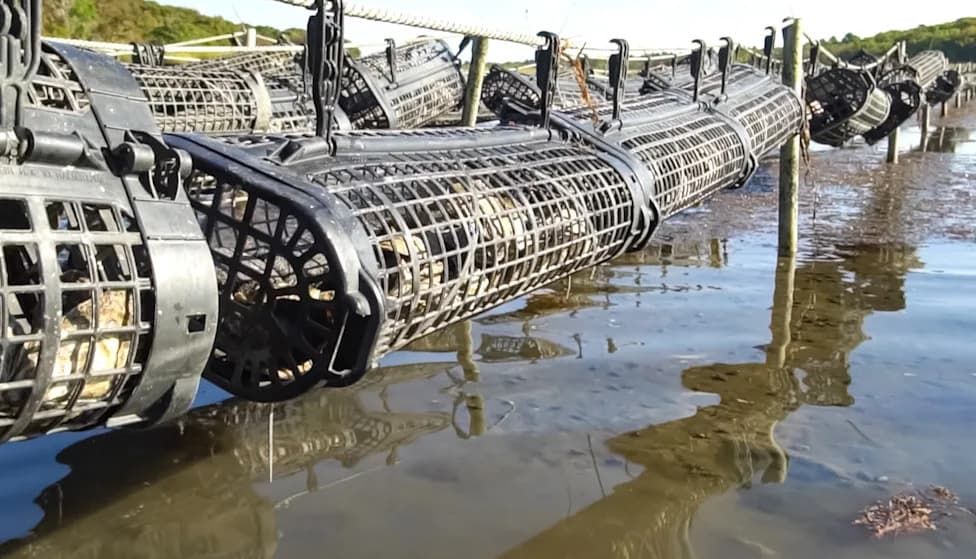
- Cured shells are packed into mesh bags or reef structures and deployed at carefully chosen coastal sites.
- Once in place, shells develop a natural biofilm that oyster larvae need to attach and grow.
Shells make up about 75 percent of an oyster's biomass, so returning them to the water helps recreate the physical structure oysters require. Organizations monitoring these projects report substantial returns; for example, estimates suggest Florida has returned roughly 500,000 tons of shell to Gulf waters.
Benefits and Community Impact
Restored shell reefs attract oyster larvae and provide habitat for an estimated 170 other species, including fish, crabs and shrimp. They also improve shoreline resilience and help filter pollutants from the water. Beyond ecological gains, shell-recycling programs foster local stewardship: restaurant owners, volunteers and school groups collaborate on collection drives, creating visible, positive conservation stories for coastal communities.
"When community members are involved, they realize that actions have impact," says Serra Herndon, Habitat Restoration Director for Tampa Bay Watch.
Challenges and Best Practices
Early concerns about disease transmission and unregulated dumping have been addressed through standardized curing protocols, careful site selection, and monitoring. Successful programs combine rigorous science, regulatory oversight and community engagement, making them scalable models for other coastal regions.
By pairing local commitment with proven restoration techniques, Gulf communities are helping rebuild oyster reefs, protect shorelines and sustain a vital regional industry — one recycled shell at a time.
Help us improve.