In 1972, Broward Artificial Reef Inc. sank about 2 million tires off Fort Lauderdale to create artificial reef habitat, but corroded clips and failing rope caused the bundles to disintegrate and the tires to scatter. Removal efforts since 2001 have recovered hundreds of thousands of tires, yet a 2019 report estimated 500,000–1,000,000 still remain. Florida agencies, the military and contractors continue cleanup work, and a 2023 law requires a DEP restoration plan by July 1, 2024.
Osborne Reef Disaster: How 2 Million Tires Dumped in 1972 Still Haunt Florida’s Coast
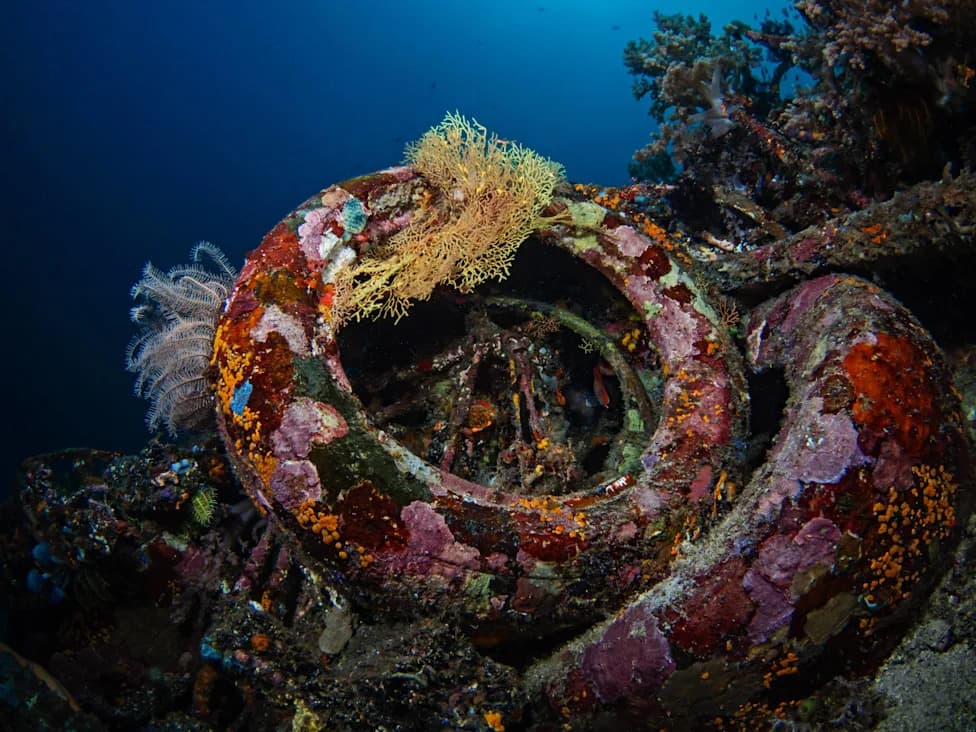
Florida's 1972 Tire Reef Project: 2 Million Tires Harmed Natural Reefs Instead of Helping
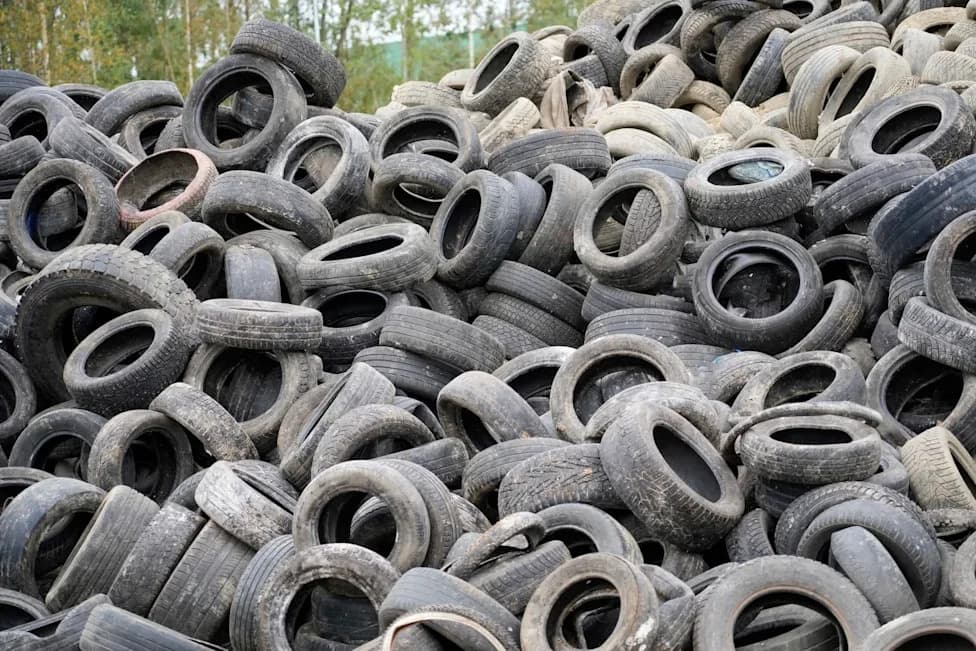
In 1972, Broward Artificial Reef Inc., a nonprofit group of fishermen and boaters, sank roughly 2 million tires a little over a mile off Fort Lauderdale with the hope that marine life would colonize them and form an artificial reef. The tires were placed across about 34 acres of seabed in 60–70 feet of water as a low-cost recycling and habitat-creation experiment.
Why the Plan Failed
The design relied on steel clips and nylon rope to hold tire bundles together, but saltwater rapidly corroded the metal and weakened the rope. Over time storms and currents tore the bundles apart. Individual tires were scattered across the seafloor, where they abraded and smothered nearby natural reefs instead of providing stable new habitat. Some tires were reportedly carried as far north as North Carolina.
Decades-Long Cleanup Effort
Large-scale removal didn't begin until decades later. Between 2001 and 2009, military divers and other teams recovered about 72,000 tires. A commercial contractor removed roughly 250,000 more from 2016 to 2019, costing an estimated $4.3 million. Despite these efforts, a November 2019 report estimated between 500,000 and 1 million tires still remained on the seabed. Early removal cost estimates near $17 per tire contributed to the perception that complete cleanup would be prohibitively expensive.
Government Response and Restoration Plans
The Florida Department of Environmental Protection (DEP) has allocated state funds and coordinated with the Army, Navy, Coast Guard and Broward County to continue removal and restoration. A 2023 state law requires the DEP to report on remaining tires and to "develop a comprehensive restoration plan for Osborne Reef by July 1, 2024, upon completion of the cleanup and tire removal project." State lawmakers have emphasized the importance of healthy reefs as coastal storm buffers and framed Osborne Reef as a cautionary example of poorly tested recycling solutions.
Lessons and Next Steps
Osborne Reef is now widely cited as a cautionary tale: well-intentioned fixes can create long-term environmental harm if they aren't rigorously tested. The episode underscores the importance of durable materials in marine projects, accurate cost estimates for remediation, and stronger waste-reduction and recycling practices to keep debris out of the ocean.
Where to Learn More: State reports, the 2023 Florida law, and the 2019 assessment provide detailed timelines and remaining tire estimates. Local and federal agencies continue coordinated efforts to finish removal and restore affected reef habitat.
If you want to help prevent similar problems, look for local tire recycling programs and municipal hazardous-waste events that accept tires and other bulky items rather than tossing them into the environment.
Help us improve.