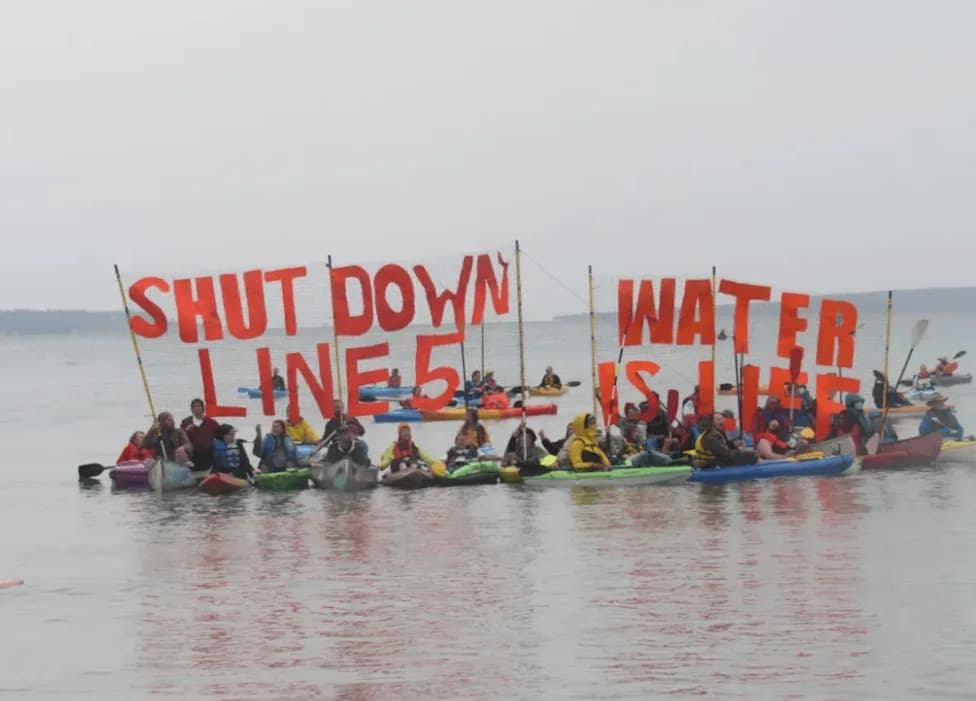
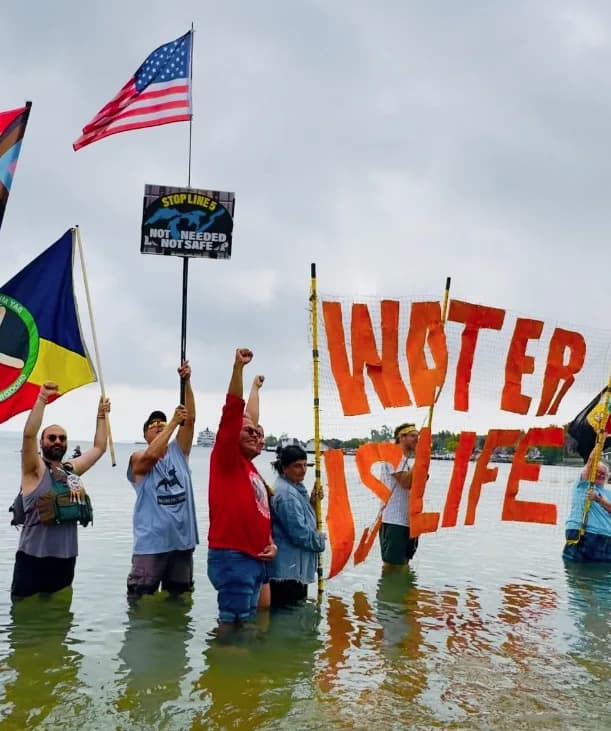
The Michigan Supreme Court vacated a 2023 permit for Enbridge’s proposed tunnel to replace a segment of Line 5 beneath the Straits of Mackinac, ruling the Michigan Public Service Commission failed to assess the project’s broader environmental impacts and implications for the public trust. In a 6-1 decision, the court remanded the permit and instructed regulators to determine whether the tunnel would extend the 73-year-old pipeline’s lifespan and increase spill risk and greenhouse gas emissions. Plaintiffs — four tribal nations and three environmental groups — said the ruling reopens discussion of alternatives to Line 5 and strengthens tribal treaty and public trust protections. Enbridge called the decision a delay and is reviewing legal options.
Michigan Supreme Court Voids Key Permit for Enbridge’s Line 5 Tunnel, Sends It Back for Broader Environmental Review
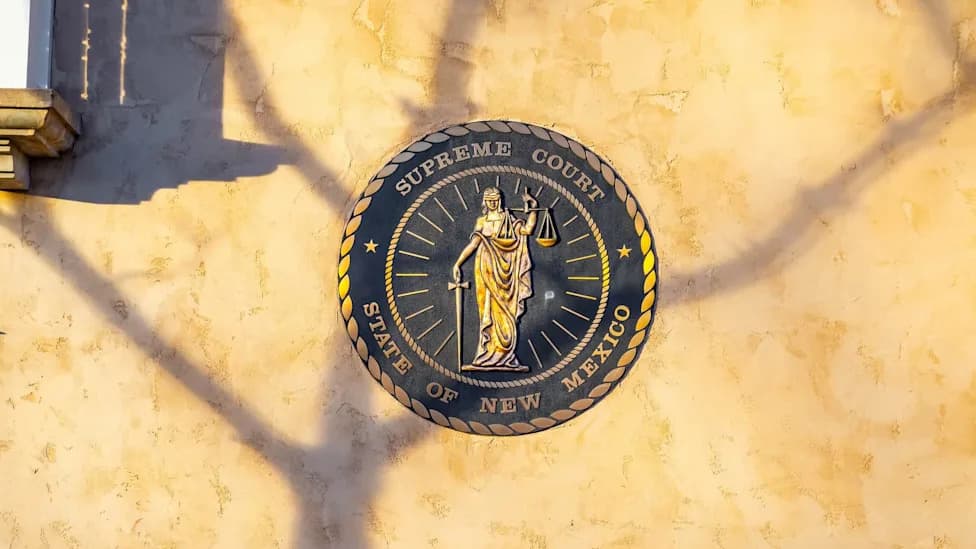
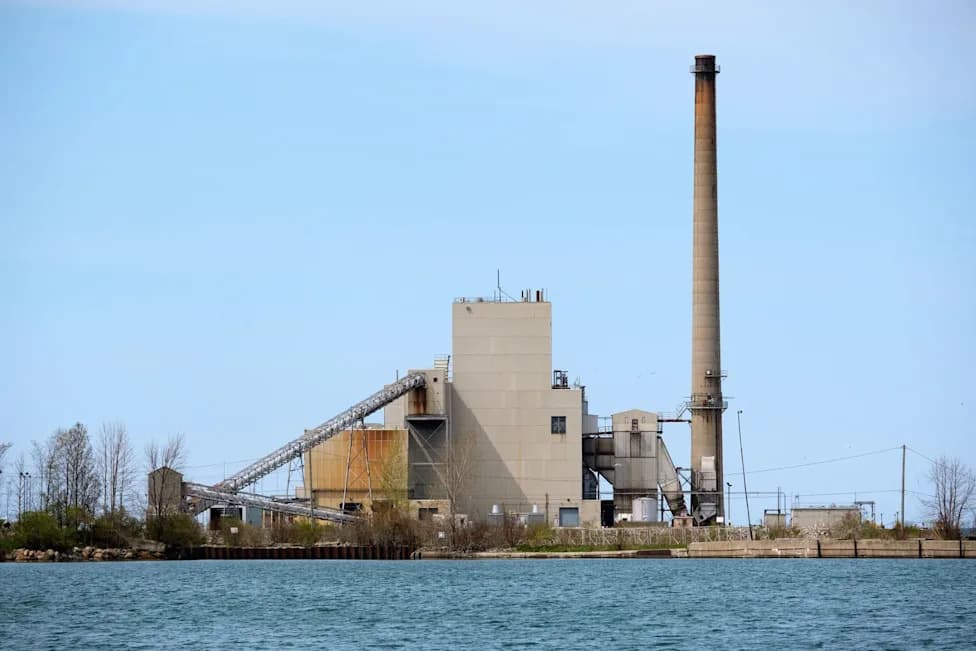
The Michigan Supreme Court last week dealt a major setback to Enbridge Energy’s plan to replace a segment of the Line 5 pipeline beneath the Straits of Mackinac, vacating a critical 2023 permit and returning the matter to regulators for a more comprehensive environmental review.
In a 6-1 decision authored by Justice Elizabeth Welch, the court found that the Michigan Public Service Commission (MPSC) failed to consider the full scope of potential environmental harms and did not evaluate how the project would affect the public’s right to use state natural resources under Michigan’s public trust doctrine.
What the Court Ordered
The justices remanded the permit to the MPSC and instructed the commission to examine not only the proposed tunnel itself but also how the tunnel project would affect the broader Line 5 system. Specifically, regulators must determine whether building the tunnel would effectively extend the service life of the 73-year-old pipeline and, if so, assess the resulting environmental and public-trust impacts.
"It is impossible to prevent or mitigate an environmental risk without understanding the nature of that risk," the opinion said.
Background and Stakes
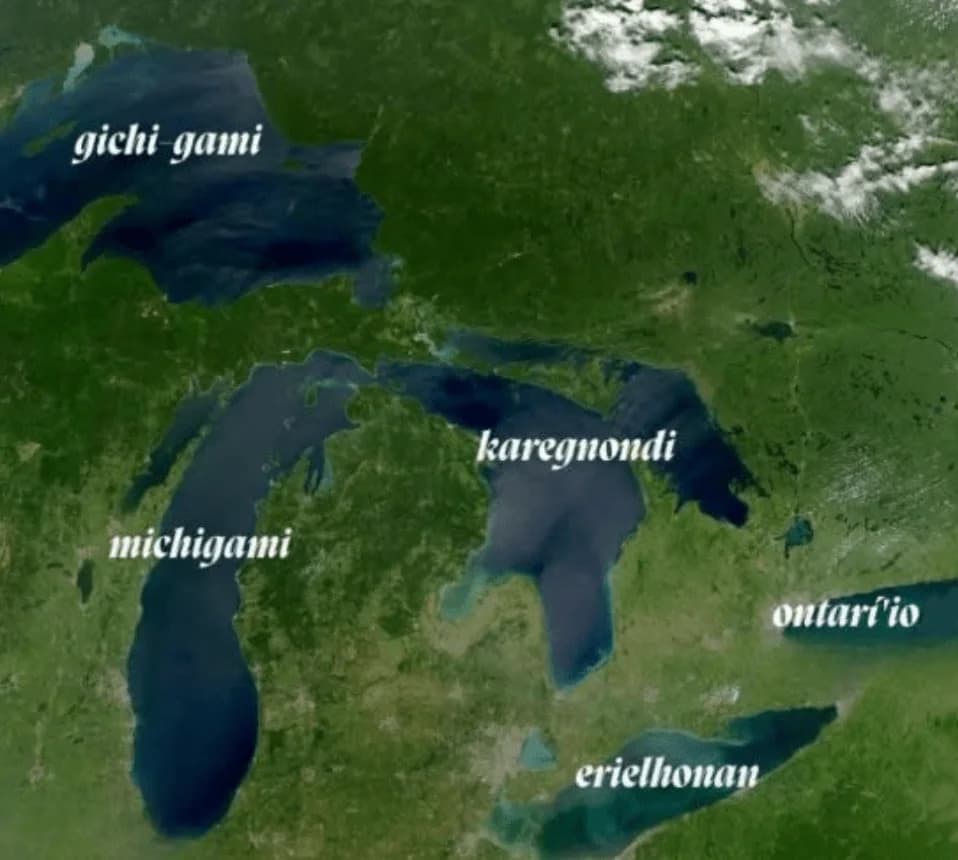
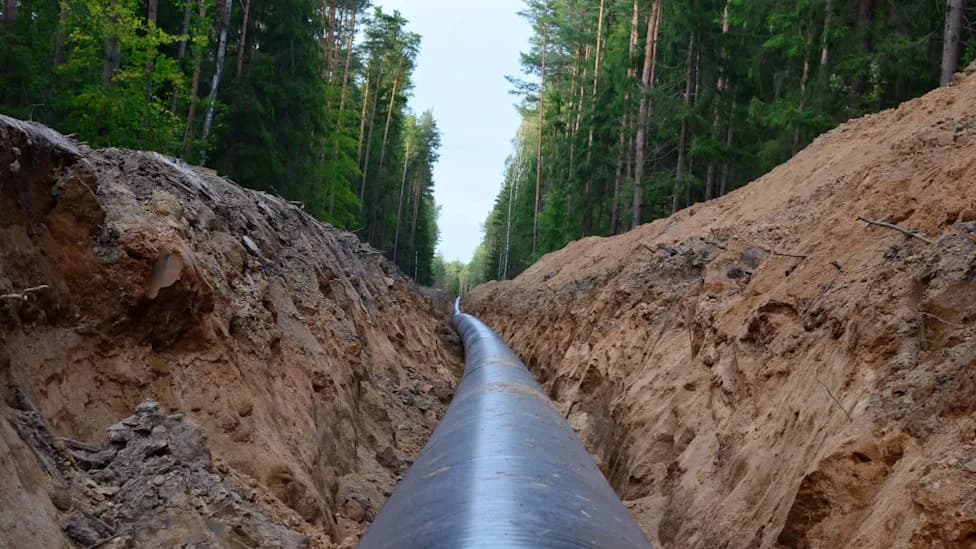
Line 5 carries crude oil and natural gas liquids for about 645 miles from Superior, Wisconsin, through Michigan to Sarnia, Ontario. Approximately 4.5 miles of the pipeline run beneath the Straits of Mackinac, an ecologically sensitive area in the Great Lakes region. Enbridge proposed replacing the Straits segment by installing a new pipeline inside a tunnel bored into the lakebed; opponents argued that the tunnel would prolong the pipeline’s lifespan and increase spill risk and greenhouse gas emissions across Line 5’s route.
Plaintiffs in the case included four tribal nations and three environmental groups, who challenged the MPSC’s 2023 permit under the Michigan Environmental Protection Act. They argued the commission improperly limited its review to the tunnel alone rather than evaluating project-wide impacts.
Responses and Implications
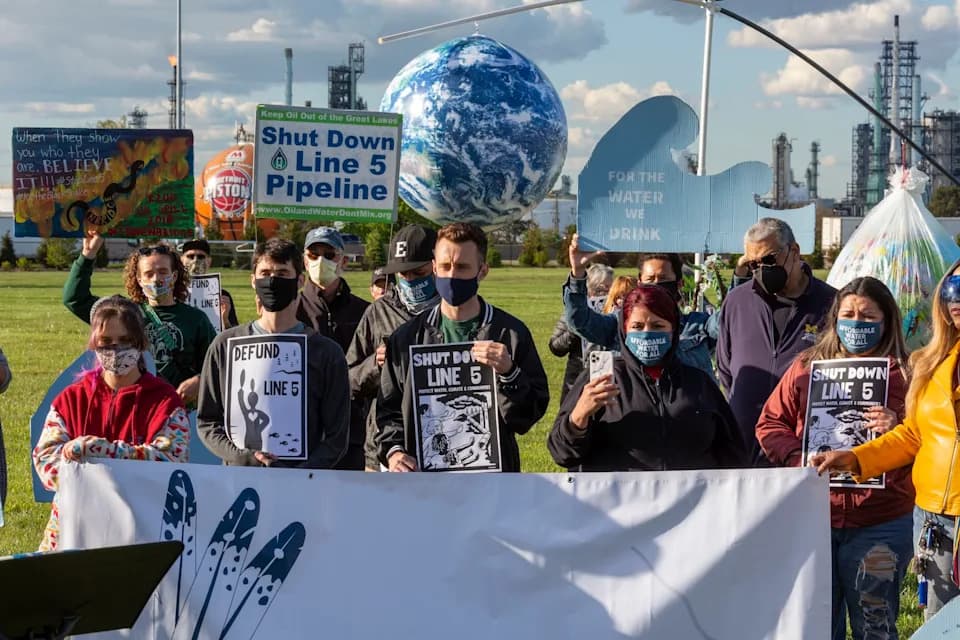
Environmental lawyers and tribal leaders hailed the ruling as a significant victory for public trust protections and for tribal treaty rights. Whitney Gravelle, President of the Bay Mills Indian Community, said the decision opens the door to considering alternatives to Line 5 and elevates long-term stewardship concerns rooted in Indigenous teachings about safeguarding resources for future generations.
Enbridge called the decision disappointing and said it will review the opinion and consider legal options. The company reiterated its commitment to operating Line 5 safely and to enhanced safety measures in the Straits.
Justice Brian Zahra issued the lone dissent on the scope issue, warning that requiring regulators to revisit the fundamental public-interest determination made decades ago could create a "moral hazard." Zahra agreed, however, that the commission must consider the public trust doctrine and suggested the commission look to a recent permit issued by the Department of Environment, Great Lakes, and Energy for guidance.
The ruling comes amid ongoing, separate legal battles over whether the aging pipeline may continue operating in the Straits. This spring, the U.S. Supreme Court issued a unanimous decision that cleared the way for state-court proceedings on the question.
What’s Next
With the permit remanded, the MPSC must conduct a broader analysis under state environmental law and the public trust doctrine. That process will likely extend the timeline for final action and could reshape the conversation about whether to repair, replace, or retire Line 5.
Key parties: Enbridge Energy (permit holder), four tribal nations and three environmental groups (plaintiffs), Michigan Public Service Commission (regulator), Justice Elizabeth Welch (majority opinion), Justice Brian Zahra (dissent).
This article was originally published by Grist on Aug 5, 2026.
Help us improve.