The U.S. Court of Appeals for the D.C. Circuit on Sept. 11 found that the Department of Energy exceeded its authority when it ordered Michigan's J.H. Campbell coal plant to remain open past its scheduled May 2025 closure. Judge Cornelia Pillard wrote that DOE's broad view of emergency powers could allow the agency to override state energy planning. Plaintiffs—including Michigan, Illinois and several environmental groups—won the challenge, while Consumers Energy said it will continue operating the plant while reviewing the decision.
Appeals Court Rules Administration Exceeded Authority By Ordering Michigan Coal Plant To Stay Open

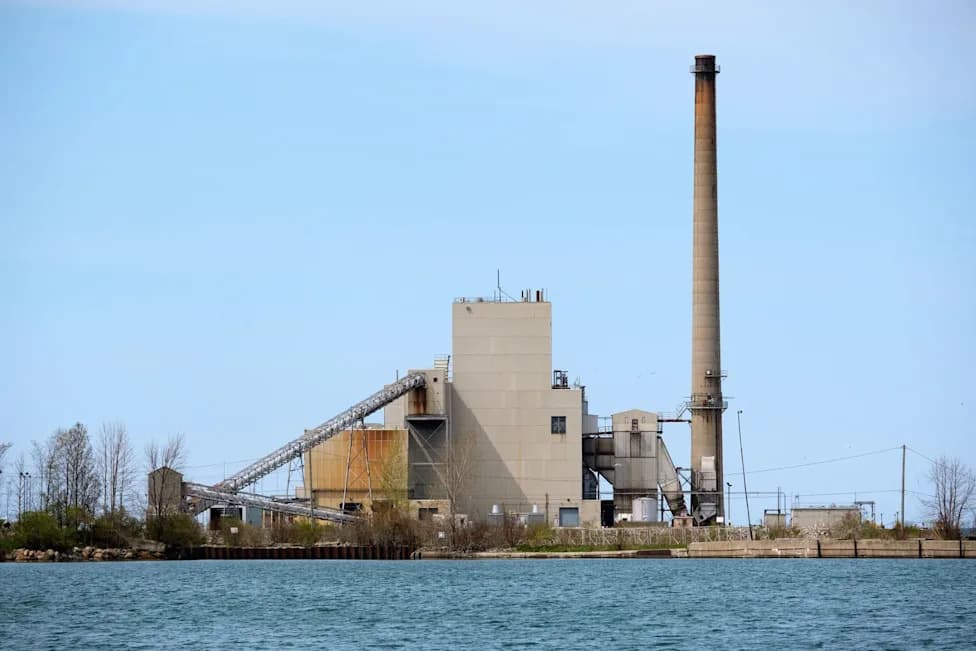
A federal appeals court on Friday ruled against a Trump administration order enforced by Energy Secretary Chris Wright requiring a Michigan coal plant to stay open beyond its scheduled closure. File Photo by Graeme Sloan/UPI
A federal appeals court on Sept. 11 overturned a Trump administration directive that had forced Michigan's J.H. Campbell coal-fired power plant to remain in service past its scheduled retirement date, ruling the Department of Energy exceeded its statutory authority.
The 64-year-old J.H. Campbell facility in West Olive had been slated to close in May 2025 but remained online after Energy Department Secretary Chris Wright issued an emergency order keeping it in operation. The plant is one of six coal-fired stations the administration ordered to stay open as part of a broader effort to prop up coal generation.
Court's Ruling and Reasoning
The U.S. Court of Appeals for the D.C. Circuit concluded the Department of Energy's action went beyond the scope of its emergency powers. Writing for a three-judge panel, Judge Cornelia Pillard said the department's interpretation of emergency authority was too broad and risked overriding state energy planning processes.
"Our reading of the text, structure, and history leaves us unpersuaded by DOE's sweeping conception of its 'emergency' authority," Judge Pillard wrote. "The Department's position would empower it to pick its preferred power sources in Michigan -- or, presumably, any other state -- and order them to operate without regard to the multiple procedural and substantive constraints built into state reliability planning processes."
The panel emphasized that DOE may invoke emergency powers only when it "identifies a risk of substantial harm from inadequate electricity supply that calls for immediate action by DOE in particular, as opposed to by the states." In short, the court said, emergency authority is reserved for immediate, systemwide risks that federal action — not state processes — must remedy.
Lawsuit And Reactions
The challenge to the order was brought by the states of Michigan and Illinois along with several environmental organizations. Michael Lenoff, lead attorney for plaintiff Earthjustice, said the decision confirmed that emergency authority cannot be used to favor particular energy resources or to supplant state regulatory roles.
"The court rejected the Department of Energy's use of emergency authority, and agreed with our interpretation that emergency authority is to be used for actual emergencies, not picking preferred resources or addressing issues that Congress and the law have entrusted states to deal with," Lenoff told The New York Times.
Consumers Energy, the owner of the Campbell plant, said it will continue operating the facility while it reviews the court's decision. Company spokesman Brian Wheeler said the utility will "follow the law and work to ensure that everyone who benefits from power from the Campbell plant across the Midwest pays their fair share."
Implications
The ruling constrains the DOE's ability to unilaterally extend the life of power plants under the guise of emergency authority and reinforces the role of states and regional entities in reliability planning. It could affect the fate of the other coal plants the administration sought to keep online and sets a precedent limiting expansive federal intervention in routine grid planning decisions.
Help us improve.