Energy Transfer has asked Pennsylvania’s Commonwealth Court to invalidate parts of the nearly 90-year-old Clean Streams Law, arguing that imposing criminal liability for accidental pollution violates the requirement for a mens rea. The petition comes during a criminal probe into a January 2025 Twin Oaks pipeline breach in Bucks County that contaminated private wells with jet fuel and detected benzene and xylenes in at least 28 homes. State officials, including the attorney general and the Bucks County district attorney, oppose the pre-emptive legal challenge and warn it could weaken enforcement powers. Legal experts say the filing appears premature while investigations and remediation efforts continue.
Energy Transfer Asks Court To Void Parts Of 89-Year-Old Pennsylvania Clean Streams Law Amid Jet-Fuel Spill Probe
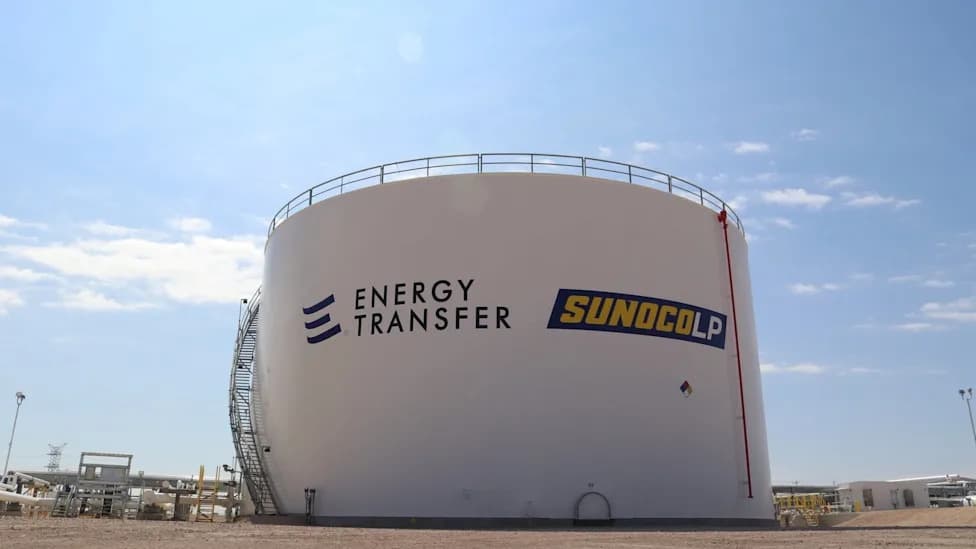
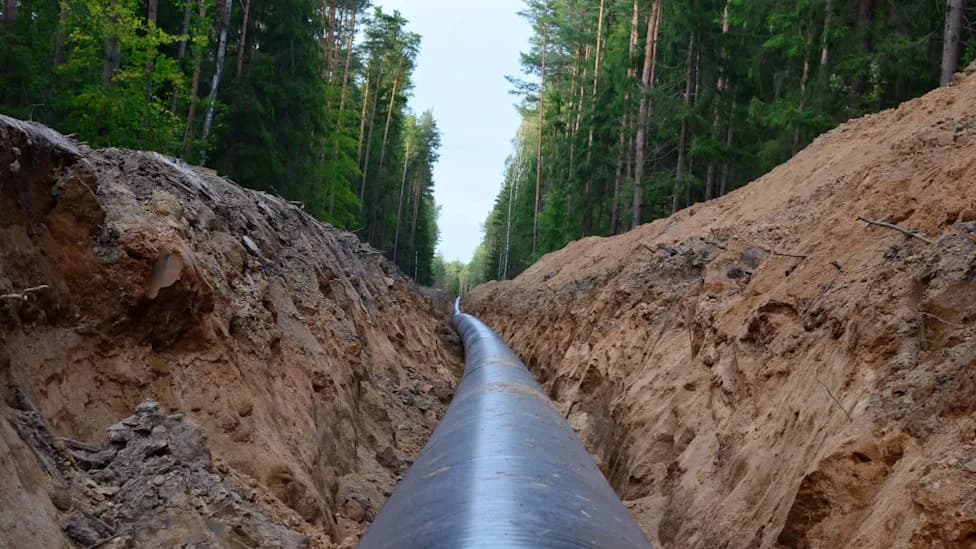
Photo Credit: Energy Transfer
Energy Transfer has asked Pennsylvania’s Commonwealth Court to strike down portions of the state’s nearly 90-year-old Clean Streams Law even though no criminal charges have been filed in connection with a January 2025 jet-fuel leak that contaminated private drinking wells, court filings show.
The Dallas-based pipeline operator filed a petition in April arguing that sections of the statute are unconstitutional because they permit criminal liability without an explicit mens rea (criminal intent) requirement. In its petition, the company argued that applying criminal penalties to accidental pollution would violate principles of justice and fail to give regulated parties adequate notice of what conduct could trigger prosecution.
State Officials Push Back
On Aug. 25, Pennsylvania Attorney General Dave Sunday urged the court to dismiss Energy Transfer’s request, saying the company is improperly trying to short-circuit an anticipated criminal case. "A criminal investigation is not a criminal charge, and a declaratory judgment cannot be used to substitute a defense against a criminal charge," the attorney general wrote.
Bucks County District Attorney Joe Khan has also opposed the pre‑emptive challenge, warning that accepting Energy Transfer’s argument could erode enforcement tools across many state laws that address minor offenses. Khan said petitioners are seeking to weaken the enforcement authority of the Department of Environmental Protection (DEP), the Attorney General’s Office, and local district attorneys rather than assuring future compliance.
What Happened In Bucks County
The petition comes as regulators and prosecutors continue to scrutinize the Twin Oaks pipeline rupture in Bucks County. The breach, discovered in January 2025, allowed jet fuel to enter private wells in Upper Makefield Township. Initial reports said six homes had jet fuel in their drinking water when the problem was first detected, and subsequent testing found toxic compounds, including benzene and xylenes, in at least 28 wells.
Energy Transfer has paid for treatment systems at more than 200 homes and proposed a remediation plan focused on vacuum extraction and ongoing water monitoring. Officials caution, however, that full cleanup could take years.
Legal Stakes: Summary Offenses And Beyond
The company’s challenge targets the Clean Streams Law’s least severe enforcement tier — summary offenses — which carry fines from $100 to $10,000 for pollution discharges. Other provisions of the law allow prosecutors to pursue misdemeanors or felonies when conduct is alleged to be negligent, reckless, or intentional.
"There’s really a tremendous amount of doubt that they would ever be resorting to the provision that this lawsuit is trying to have declared unconstitutional," said Ronald Sarachan, a retired federal prosecutor who once led the Justice Department’s environmental crimes unit.
Several legal experts told Inside Climate News the lawsuit appears premature because it seeks a preemptive ruling while an investigation is ongoing.
Broader Context
Court records were partly unsealed on Aug. 19 after a judge determined that only confidential material should remain under seal, giving the public greater visibility into the dispute. Under the Commonwealth Court schedule, Energy Transfer must file a supporting brief by Sept. 24.
Energy Transfer has faced environmental enforcement in Pennsylvania before. In 2022 the company pleaded no contest in a significant criminal matter that involved industrial waste discharges and drinking-water pollution at 22 sites across 11 counties.
The case highlights broader debates over corporate accountability, the scope of criminal enforcement for environmental harms, and how energy companies disclose risks and shoulder cleanup costs — questions that extend beyond Bucks County and speak to national tensions over aging infrastructure and regulatory oversight.
Help us improve.