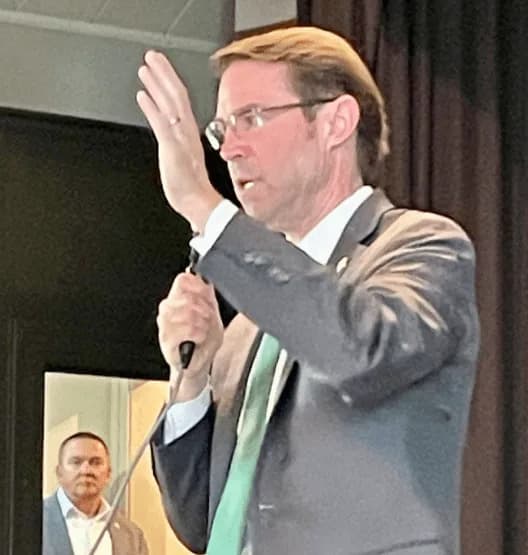
Dr. Aaron Payment and tribal leaders protested Enbridge Line 5 at the Paddle for Our Future in St. Ignace, arguing the pipeline and a proposed tunnel threaten treaty rights, Great Lakes water quality and regional economies. The Michigan Supreme Court found a July 2026 tunnel permit was issued without proper environmental review, and University of Michigan modeling shows a Straits spill could inundate Mackinac Island and pollute up to 150 miles of shoreline. A 2017 tribal economic study predicts devastating impacts to tourism, fishing livelihoods, and state finances if a major spill occurs.
Shut Down Line 5: Tribal Leaders Warn of Environmental, Economic and Treaty Risks
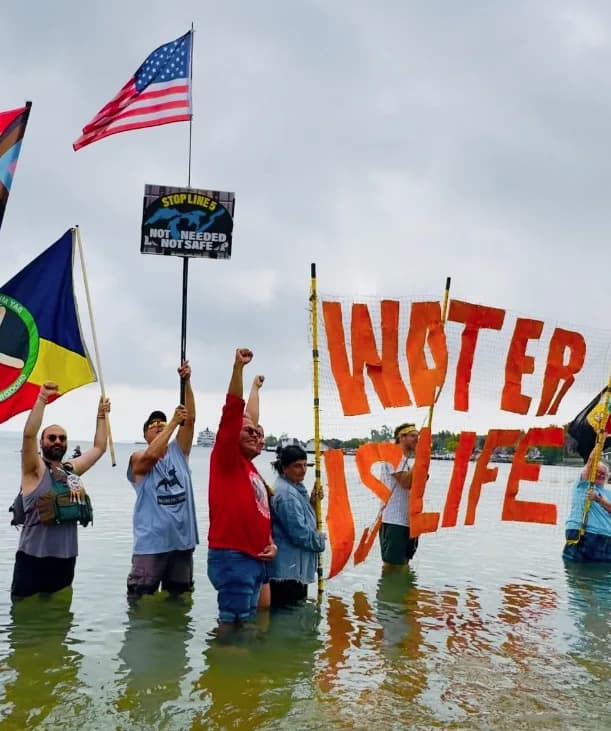
Aaron Payment, authro of this op/ed, is in the red shirt. (Photo/Facebook)
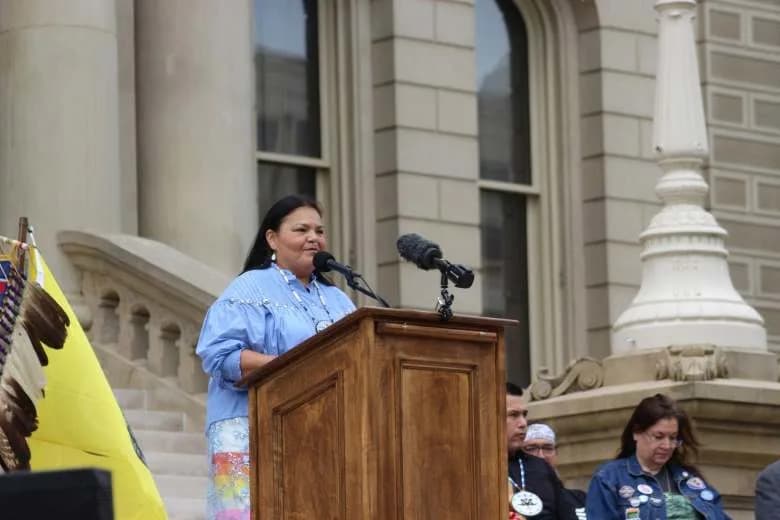
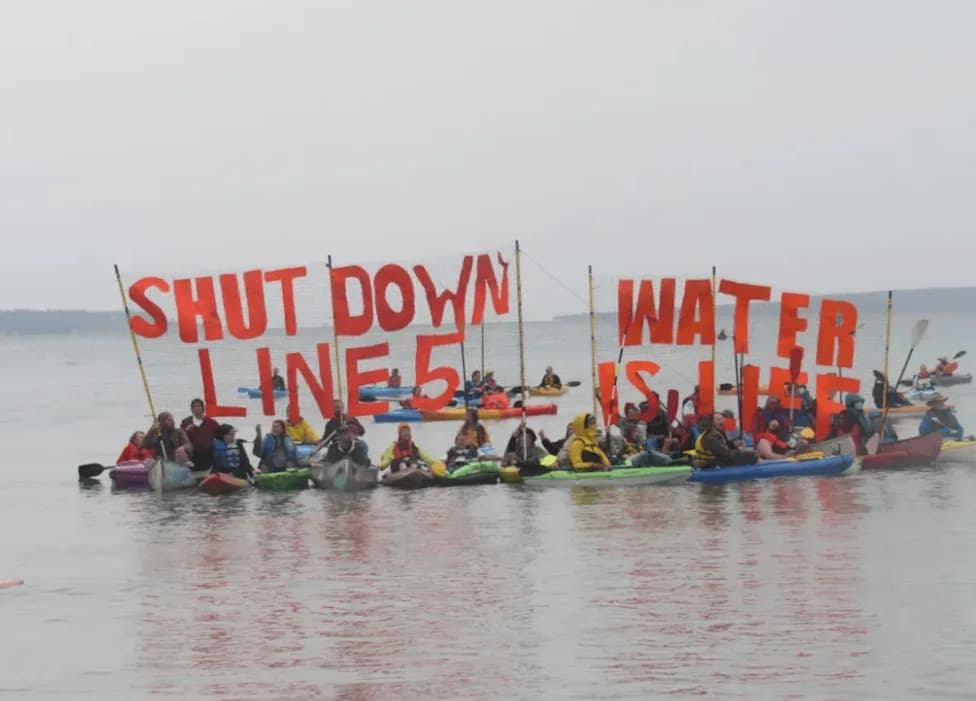
On Saturday, August 29, I joined my tribe's chairman, Austin Lowes, to speak at the Paddle for Our Future protest in St. Ignace, Michigan, urging immediate action to shut down Enbridge Line 5 and to reject a proposed tunnel that would prolong the pipeline's presence beneath the Straits of Mackinac.
Why This Matters
Line 5 threatens water, livelihoods and treaty rights. Days before the protest, Chairman Lowes and his administration participated in a consultation with the U.S. Army Corps of Engineers as part of the tunnel permitting process. That input was ignored by the federal administration at the time.
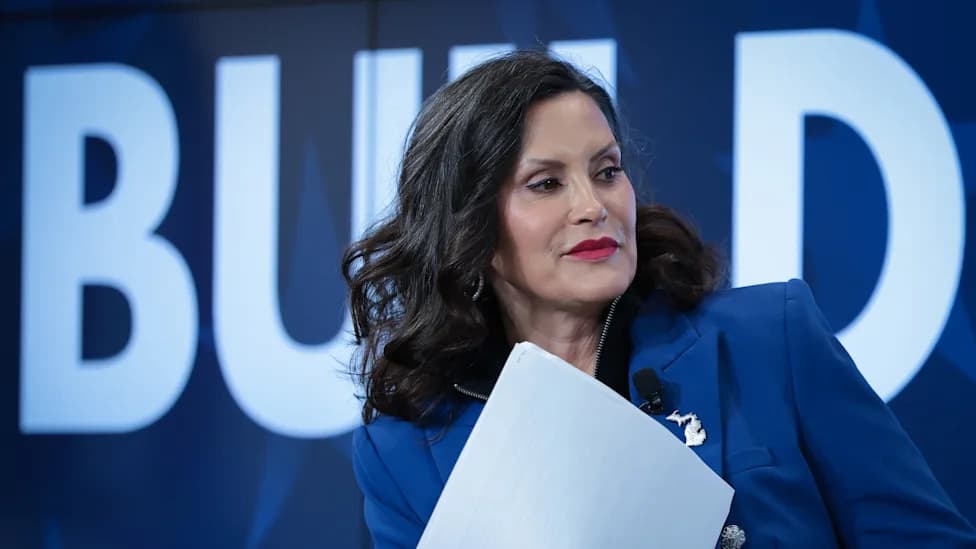
In July (as of July 2026), the Michigan Department of Natural Resources approved a tunnel permit despite earlier assurances to tribal leaders that approval would not occur. Fortunately, the Michigan Supreme Court later found that the permit had been issued without adequate consideration of environmental impacts. While the governor has since voiced opposition to the tunnel, the permit's earlier approval underscores how quickly decisions can threaten treaty-protected resources.
Personal And Historical Perspective
As the son of a tribal commercial fisherman and a longtime tribal leader, I bring personal and professional experience to this fight. While serving as tribal chair, I spoke at more than 20 rallies organized with groups such as Oil & Water Don’t Mix and For the Love of Water.
My experience responding to the 2010 Kalamazoo River oil spill while an executive for the Nottawaseppi Huron Band of the Potawatomi taught me how catastrophic spills unfold and how communities and ecosystems suffer. The Battle Creek Enquirer described the response as resembling the "Keystone Cops." More than one million gallons entered the river system in that incident, and scientists estimate some affected areas may take a century or more to recover.
Scientific And Legal Risks
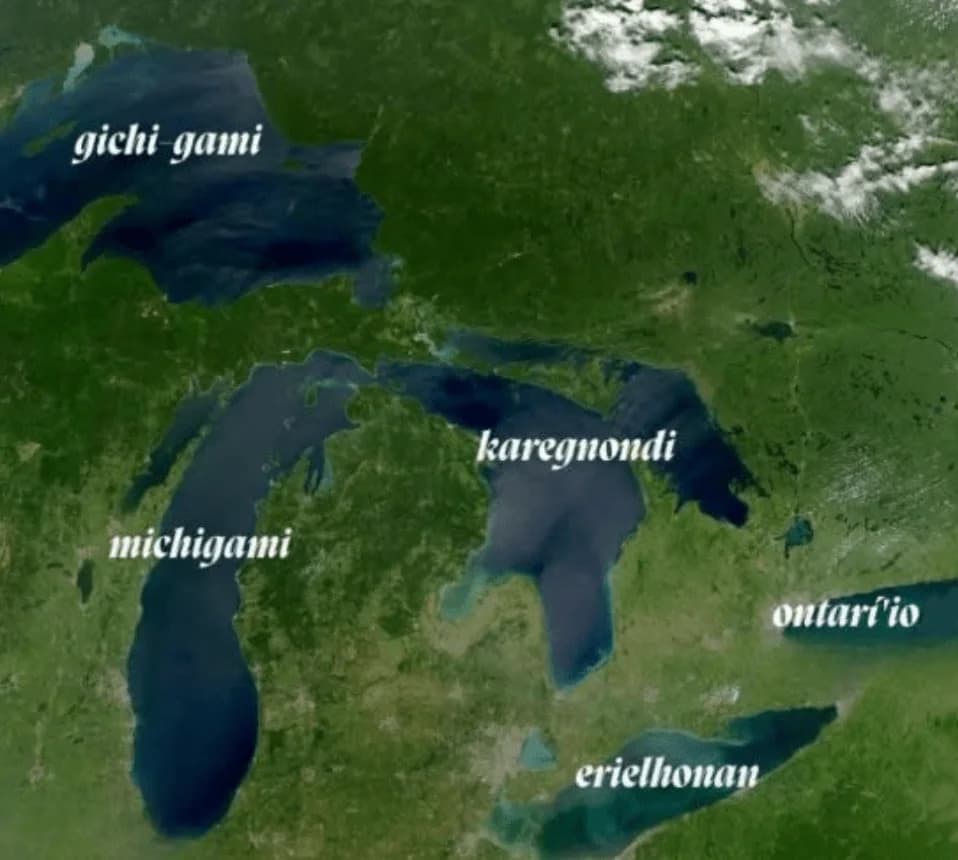
University of Michigan modeling—using currents, temperature and topography—shows a spill in the Straits could rapidly engulf Mackinac Island and force an evacuation. Because the island draws fresh water from the surrounding Great Lakes, contamination could make bottled water a long-term necessity. Rivers and tributaries along as much as 150 miles of shoreline could be fouled, and key species such as Atik Ameg (whitefish) could be decimated, destroying a centuries-old Indigenous way of life.
Line 5's easement was granted more than 73 years ago at a time when many tribes were not formally recognized and no consultation occurred to evaluate impacts on treaty rights. The U.S. Supreme Court decision in United States v. Michigan affirmed the primacy of treaty-protected resource rights. This is not a matter of welfare; under the 1836 Treaty of Washington our people ceded nearly 14 million acres in exchange for reserved rights to fish and harvest resources.
Economic Consequences
My tribe’s 2017 economic-impact study of a Straits spill found severe regional consequences: at least one or two lost tourist seasons, business closures, loan defaults, rising unemployment to pandemic-era levels, depletion of unemployment funds, and taxpayer exposure to cleanup and economic losses. A spill would, for the foreseeable future, eliminate fishing-based livelihoods in the region.
Past proposals to create a Tunnel Authority—first attempted under former Governor Rick Snyder and later reintroduced in other forms—raised concerns that Michigan taxpayers would carry fixed and operating costs that Enbridge has not committed to cover. I have long argued Enbridge must carry liability insurance adequate to cover catastrophic exposure rather than leaving taxpayers on the hook.
Corporate Behavior And Accountability
Congressional hearings in 2010 documented Enbridge spills across the country totaling more than one million gallons, supporting criticism that a "pump and pray" approach has guided parts of its operations. Large oil companies frequently use litigation to delay accountability while private shareholders capture gains and taxpayers bear much of the risk.
Shutting down Line 5 and denying a tunnel are essential to protect the Great Lakes, tribal treaty rights and the region's economy.
If policymakers prioritize short-term jobs over the long-term integrity of our waters and treaty obligations, they risk irreversible harm to natural resources and to people who depend on them.
Contact: Dr. Aaron Payment, Tribal Council Member. Email: [email protected].
Help us improve.