The U.S. Court of Appeals for the Third Circuit vacated New Jersey's water-quality certification for the proposed $1 billion Northeast Supply Enhancement pipeline, finding the NJDEP's approval "arbitrary and capricious" for failing to ensure protection against buried contamination before dredging. The ruling, issued Sept. 8, sends the permit back to NJDEP, which may request more studies, revise its decision, or reissue certification. The pipeline — first proposed in 2017 — is not dead, but the decision intensifies scrutiny on how states review gas projects and weigh environmental and public-health risks.
Federal Appeals Court Vacates New Jersey Water-Quality Permit For $1 Billion Underwater Gas Pipeline

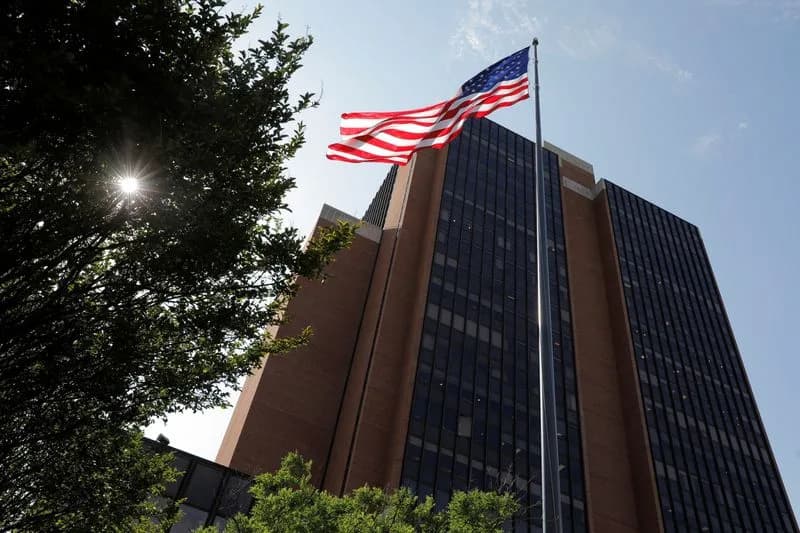
Photo Credit: iStock
A federal appeals court has set aside a key New Jersey water-quality certification for the proposed $1 billion Northeast Supply Enhancement pipeline, forcing state regulators to re-examine their approval of one of the region's most controversial energy projects.
What the Court Said
On Sept. 8, a three-judge panel of the U.S. Court of Appeals for the Third Circuit ruled that Williams — through its subsidiary Transcontinental Gas Pipeline Company — may not rely on the state's existing water-quality certification for the pipeline that would cross Raritan Bay, according to reporting by New Jersey Monitor.
"A key safeguard is missing: no prescribed NJDEP approval stands between the unfinished plans and dredging," wrote Judge Jane Richards Roth, finding the New Jersey Department of Environmental Protection (NJDEP) acted in an "arbitrary and capricious" manner by approving the permit without requiring the company to demonstrate that buried contamination in the bay would be adequately protected before dredging begins.
Background
The pipeline was first proposed in 2017. State officials denied earlier permit applications in 2019 and 2020 in part because of water-quality concerns, but NJDEP issued the contested certification in November 2025. A separate state environmental panel later approved the final permit the project still required.
Reactions
Williams spokeswoman Cherice Corley said the company is reviewing the ruling and maintained that the pipeline "remains critical to strengthening energy reliability and meeting the region's growing energy demand."
"This is a win for the waterways of New Jersey, the people who rely on them, and the rule of law," said Jackson Garrity, an attorney for the Natural Resources Defense Council (NRDC), which challenged the water-quality certification. A second coalition — Food & Water Watch, the New Jersey League of Conservation Voters, and New York/New Jersey Baykeeper — brought a similar suit; the appeals court consolidated the challenges.
Environmental Concerns
Opponents argue the project would primarily move natural gas from Pennsylvania to New York City while offering little direct benefit to New Jersey residents. They warn that dredging in Raritan Bay could disturb toxic materials buried in the seafloor, damage marine habitat, and harm wetlands connected to associated infrastructure.
What Happens Next
The court did not kill the project. Instead, it remanded the permit to NJDEP and left several options on the table: the agency may supplement its explanation, require additional submissions or studies, issue a new or revised certification, or reach a different conclusion. If NJDEP addresses the court's concerns, the pipeline could still move forward.
Broader Implications
The case highlights growing legal scrutiny of gas infrastructure approvals and how regulators balance pollution, public health and long-term fossil-fuel investment. Similar legal and regulatory questions are playing out in other states — from pipeline expansions in North Carolina to utility investments in Massachusetts and environmental policy litigation in Montana — demonstrating that legal review is becoming as consequential as engineering in deciding large energy projects.
Key dates and facts: Project proposed in 2017; earlier denials in 2019 and 2020; contested NJDEP certification issued November 2025; Third Circuit vacated certification on Sept. 8 and remanded the matter to NJDEP.
Help us improve.