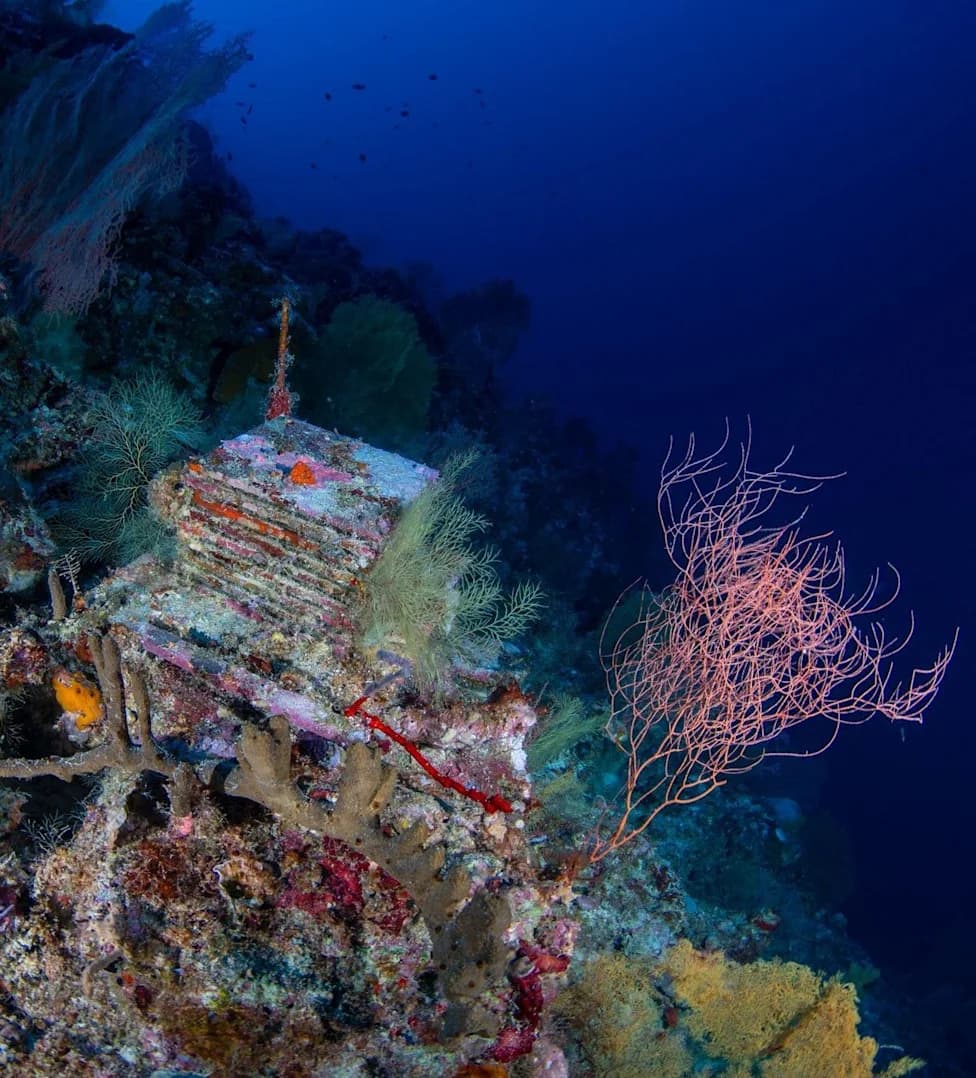
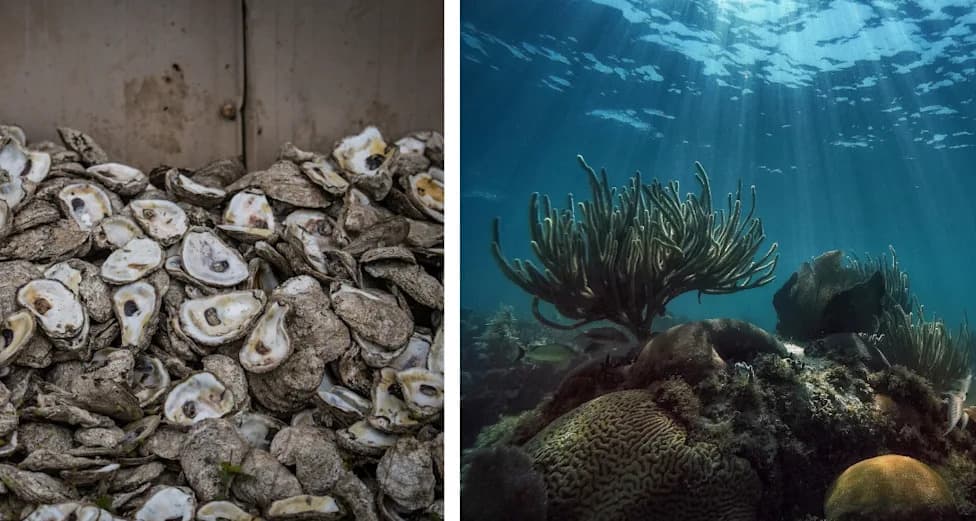
The Grenada Artificial Reef Project (GARP/GAARP) deployed four concrete pyramid structures off Grand Anse in 2013 to test whether artificial blocks could kick-start habitat recovery. Within three months algae, sponges, invertebrates and juvenile fish had colonised the pyramids; by about 18 months reef-building corals were establishing. Over roughly a decade the site expanded to more than 100 pyramids supporting 30+ fish species and 14 coral types. Artificial reefs can accelerate local recovery but cannot replace natural reefs and must be paired with broader conservation efforts.
How Concrete Pyramids Turned a Barren Seabed Into a Thriving Reef in Months
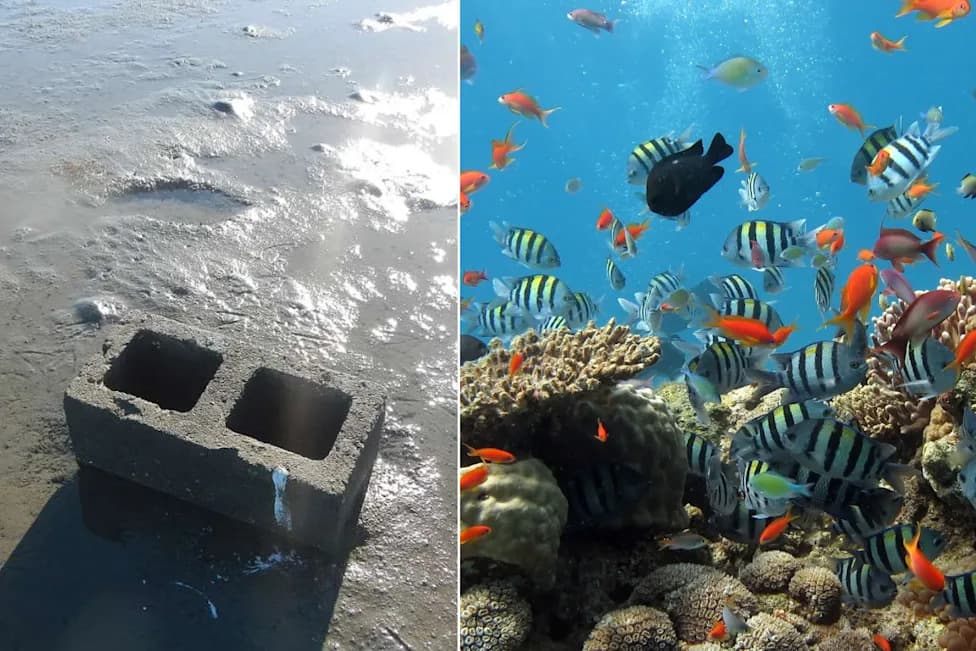
Scientists are turning simple concrete into the building blocks for a healthier ocean.
A viral clip showing a split hopper barge opening and dumping a large load of cinderblocks into the ocean looks shocking at first, but it documents a real and deliberate conservation technique. The concrete blocks in the footage are being used to create artificial reef structures designed to jump-start marine recovery on otherwise barren seabed.
What the Grenada Project Did
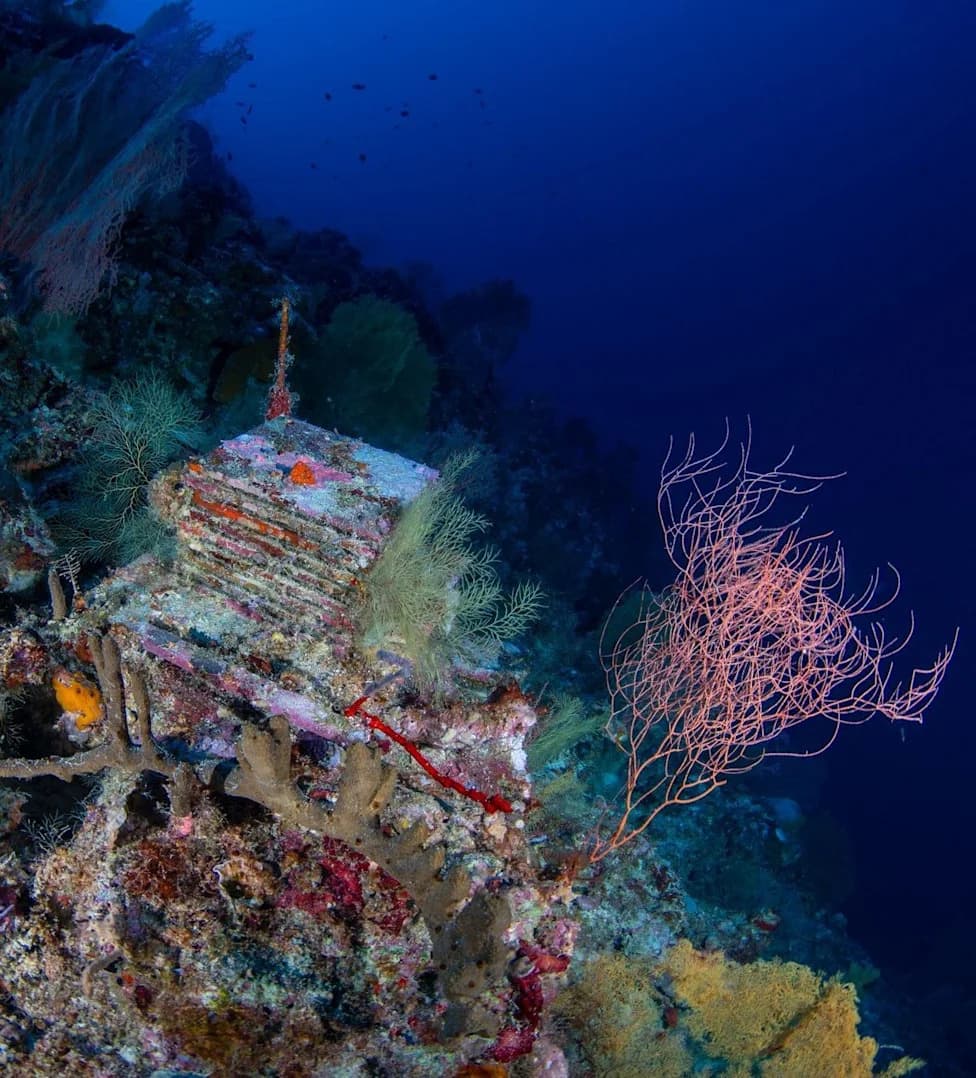
In 2013 the Grenada Artificial Reef Project (GARP or GAARP) deployed four purpose-built concrete pyramids off the beaches of Grand Anse, Grenada. The pyramids are simple, heavy, textured structures made to stay put on the seafloor and provide attachment surfaces and shelter for marine organisms.
Rapid Colonization and Growth
Within three months the pyramids attracted a strong biological response: a coating of algae and colourful encrusting sponges appeared first, followed by a variety of invertebrates such as feather duster worms, lobsters, crabs and urchins. Juvenile fish — including squirrelfish, goatfish, grunts and scorpionfish — began using the structures as shelter and feeding grounds.
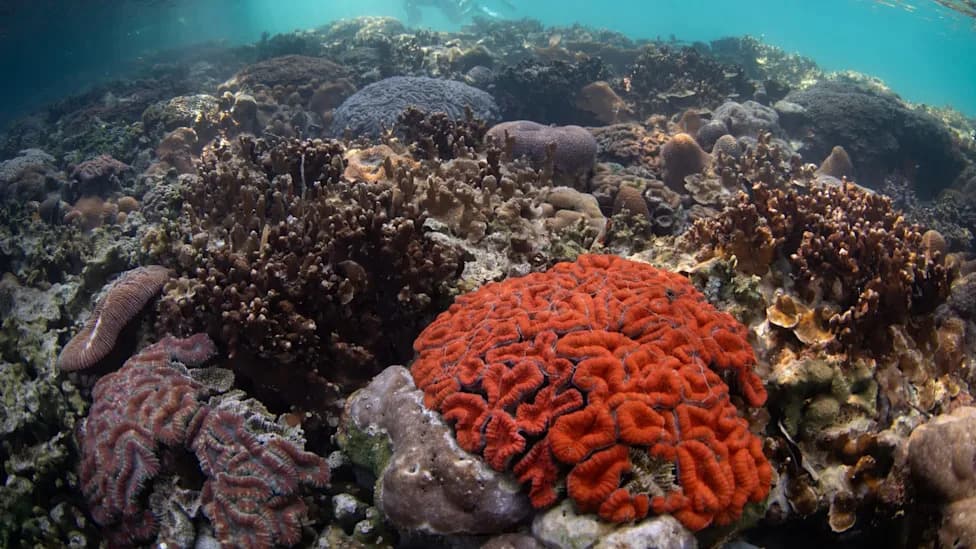
By about 18 months, reef-building organisms such as stony corals and brain corals had begun to settle and grow on the concrete surfaces. Over the following decade the project expanded: more pyramids were added and, today, the site includes over 100 pyramid blocks and supports more than 30 fish species, 14 different coral types and many typical reef invertebrates and algae.
Why Concrete Works (and What Can Go Wrong)
Concrete is heavy and durable, which helps specially designed units remain stable on the seabed even in rough conditions. Its textured surface also gives corals and other sessile organisms places to attach. That said, not all materials make good artificial reefs. A notable failure was the Osborne Reef project in Florida, which used millions of tires in the 1970s; storms and currents dislodged many tires, creating pollution and damage that required major cleanup work.
Limits and Lessons
Artificial reefs like GARP can accelerate local habitat recovery and provide refuges for fish and coral larvae, but they are not a substitute for natural reefs, which form over centuries to millennia. Reef loss is driven by many factors — coastal development, pollution, overfishing, coral harvesting, ocean warming and mass bleaching events — so successful restoration must be part of a broader strategy addressing those threats.
Projects such as GARP are valuable because they demonstrate how thoughtfully designed structures can help rebuild biodiversity and ecological function in degraded areas. They buy time and create local benefits, but long-term reef survival still depends on reducing pollution and greenhouse gas emissions and protecting intact reef habitats.
Note: This article was updated from a previous version and summarizes findings and observations reported by the Grenada Artificial Reef Project.
Help us improve.