Monarch butterflies that overwinter in Mexico occupied 7.24 acres (2.93 hectares) of forest in 2025–26, a 64% increase from the prior winter and a 226% jump from 2023–24. WWF-Canada researcher Valerie Bolduc said the larger occupied area could represent millions more butterflies, but scientists remain cautious. The eastern monarch population is still down about 80–90% since the 1990s, and threats such as climate warming, habitat loss and extreme weather continue to jeopardize recovery. Conservation efforts and habitat restoration—plus planting milkweed and fall flowers—can help support the migration corridor.
Monarch Comeback? Overwintering Habitat in Mexico Rises 64%, Offering Hope Amid Long-Term Decline
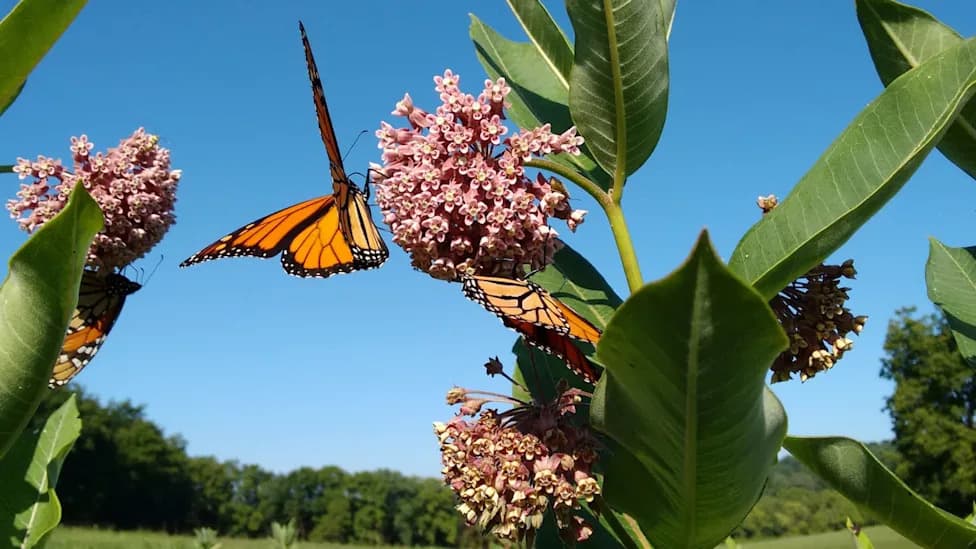
Photo Credit: iStock
For a species long seen as an emblem of biodiversity loss, the latest news for monarch butterflies is cautiously encouraging.
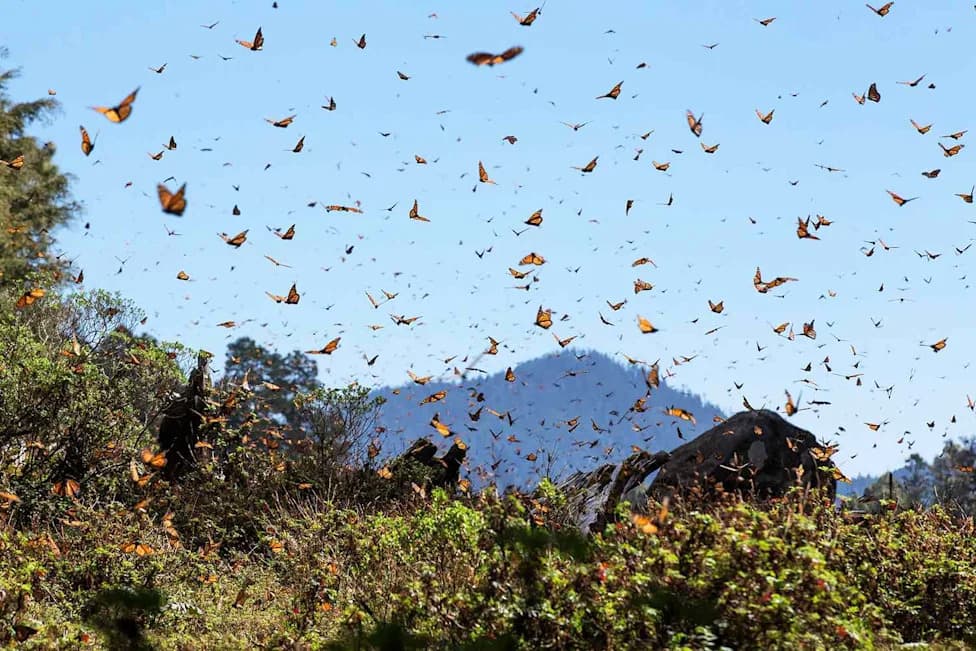
World Wildlife Fund (WWF) Mexico's annual survey found that monarchs occupied 7.24 acres (2.93 hectares) of forest during the 2025–26 overwintering season — a 64% increase from 4.42 acres (1.79 hectares) the previous winter. That rise also represents about a 226% increase compared with the winter of 2023–24, when occupied area was roughly 0.9 hectares.
WWF-Canada conservation researcher Valerie Bolduc told The Weather Network that the larger occupied area could translate to "a few million to tens of millions" more monarchs than the year before. Still, scientists emphasize that the result does not mark a full recovery.
"Scientists are cautiously optimistic. This winter's 2.93 hectares of trees blanketed in butterflies, compared to 1.79 hectares a year earlier and just 0.9 hectares the winter before, is encouraging," Bolduc said.
Monarchs in eastern North America undertake a remarkable migration of roughly 4,000–5,000 kilometers (2,500–3,100 miles) from Canada and the United States to specialized overwintering forests in central Mexico. Because those wintering sites are so concentrated, a single extreme weather event or a large loss of habitat could have devastating effects.
Why the Increase Matters — And Why Caution Remains
Improvements in monarch counts can signal broader progress in protecting forests, grasslands, and flowering plants that many species rely on. However, WWF-Canada notes that monarchs occupied nearly 45 acres of forest about 30 winters ago, and the eastern population remains down roughly 80–90% since the 1990s.
Bolduc highlighted climate warming as a major ongoing threat: shifts in migration timing have been observed in some regions, and warmer temperatures can reduce the nutritional quality of nectar that fuels long-distance flights. Habitat loss, deforestation, wildfires and drought also continue to pressure populations.
Conservation Actions And How You Can Help
WWF is working across Canada, the United States and Mexico to protect and restore habitat along the monarch migration corridor. In Canada, WWF-Canada supports programs such as re:grow, a free gardening resource, and the Go Wild initiative, which offers grants to schools restoring habitat in their communities.
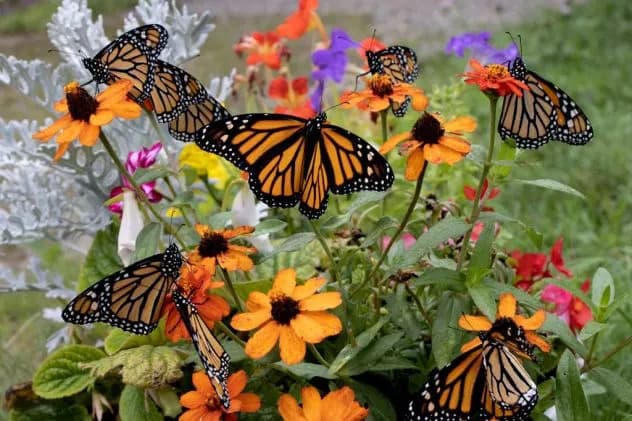
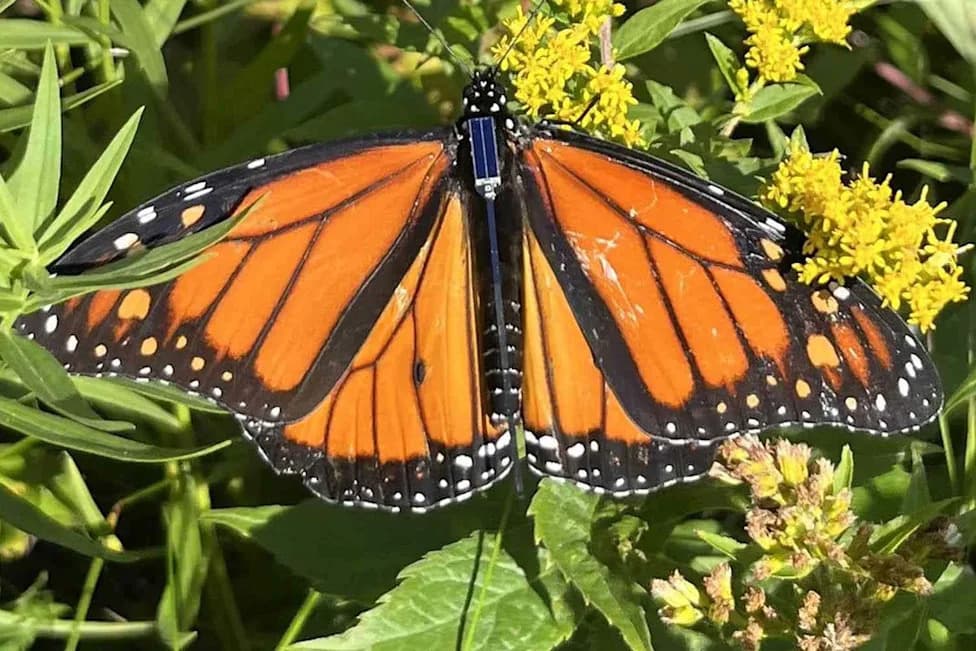
Bolduc urges simple actions that help: plant native milkweed for caterpillars during spring and summer and provide fall-blooming flowers — for example, New England aster, goldenrod or Joe Pye weed — to give adult monarchs the energy they need for their southward migration.
"Monarchs need healthy habitats everywhere they live," Bolduc explained. "If threats such as the loss of native flowers, deforestation, forest fires and drought continue to degrade that habitat, monarch populations may never fully recover and could continue declining."
While this year's rebound is an important positive sign, experts urge sustained conservation efforts to ensure monarchs have a long-term path to recovery.
Help us improve.