As fall arrives across the U.S., many species begin seasonal migrations to find warmer temperatures, food and suitable habitats. Birds travel south to Mexico, Central and South America and the Caribbean, while monarch butterflies overwinter in central Mexico. Large mammals such as caribou and elk move hundreds to thousands of miles on land, and humpback whales swim from Alaskan feeding grounds to warmer waters to give birth; NOAA notes whales can cover journeys of roughly 3,000 miles in a few weeks.
Where Do Animals Go When Fall Arrives? Inside America's Epic Seasonal Migrations
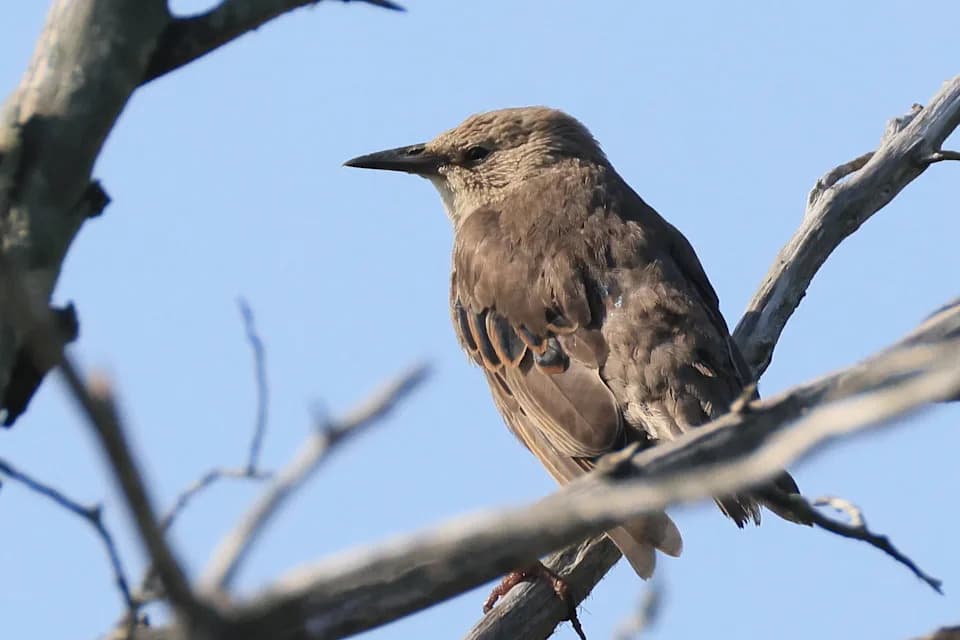
OCEANSIDE, NEW YORK - AUGUST 16: A House Sparrow populates the Marine Nature Study Area on August 16, 2026 in Oceanside, New York. The Long Island region provides a welcome habitat for a host of wildlife.
As autumn approaches across the United States, temperatures cool, leaves change color and millions of animals begin seasonal journeys to find warmer climates, reliable food and suitable habitats for winter survival.
Why Animals Migrate
Migration is driven mainly by the search for food, breeding or safe places to raise young, and more favorable temperatures. These movements can span thousands of miles and reshape ecosystems along the way.
Birds: The Most Visible Travelers
Many North American birds leave in late summer and through autumn for wintering grounds in Mexico, Central and South America and the Caribbean. Songbirds such as finches and sparrows, waterfowl (geese, swans, ducks), shorebirds and raptors (falcons, hawks, bald eagles) all time their departures to follow food sources and milder climates. According to the New York City Department of Parks & Recreation, migration activity can begin as early as mid-June and continue through December.
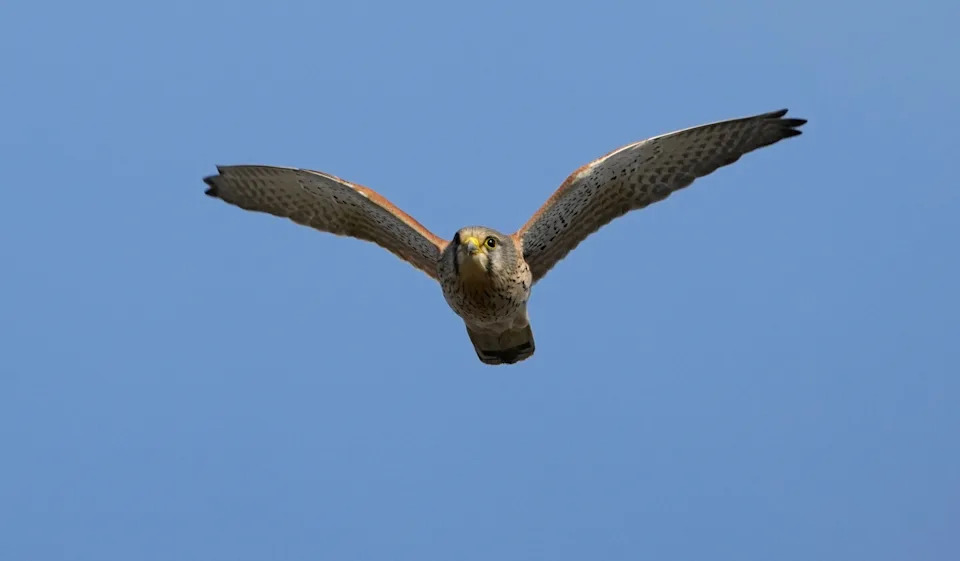
27 February 2026, Berlin: 27.02.2026, Berlin. A kestrel (Falco tinnunculus) flies in the blue sky.
Some species, like the common yellowthroat, follow insect prey—grasshoppers, dragonflies, beetles and caterpillars—so they move wherever those insects remain active. In cities, landmarks such as the Gateway Arch have even been dimmed at night to help reduce collisions and guide millions of migrating birds.
Insects and Small Travellers
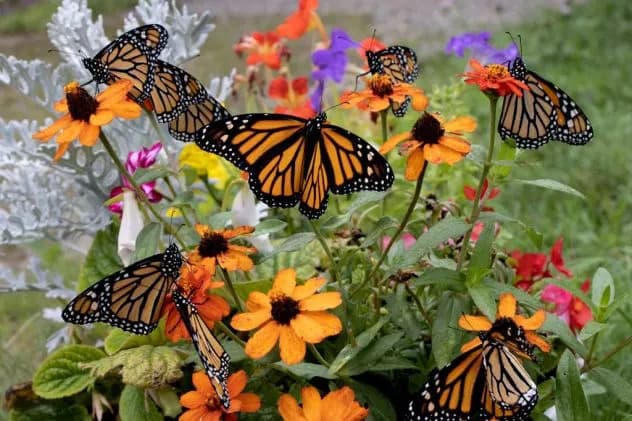
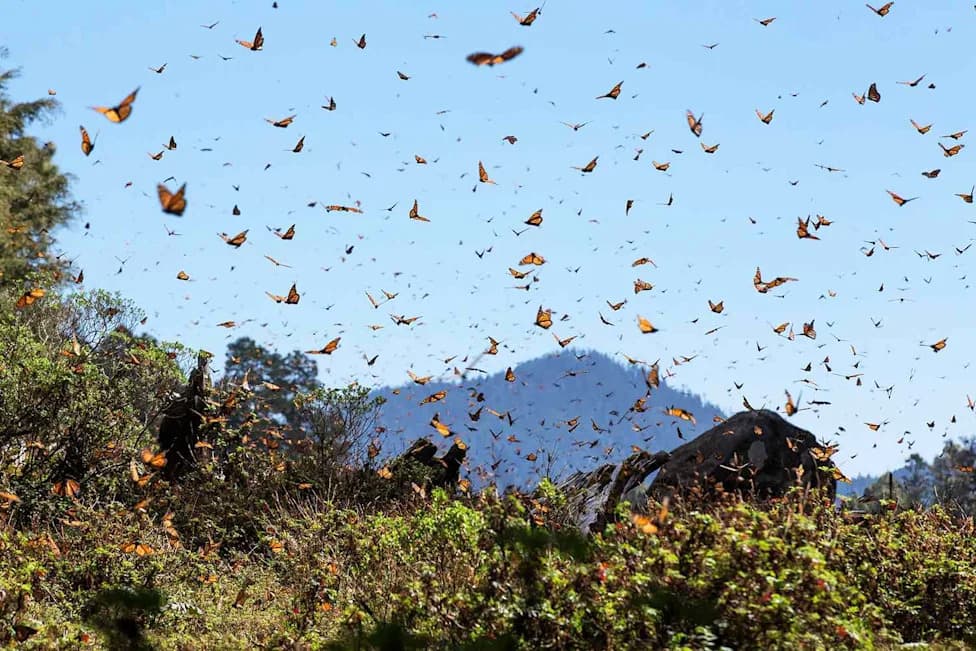
Not all migrations are grand in scale, but some are remarkable: monarch butterflies from across the United States travel to overwintering sites in central Mexico, congregating in oyamel fir forests each winter—a migration documented and studied by the National Park Service.
Marine Migrations
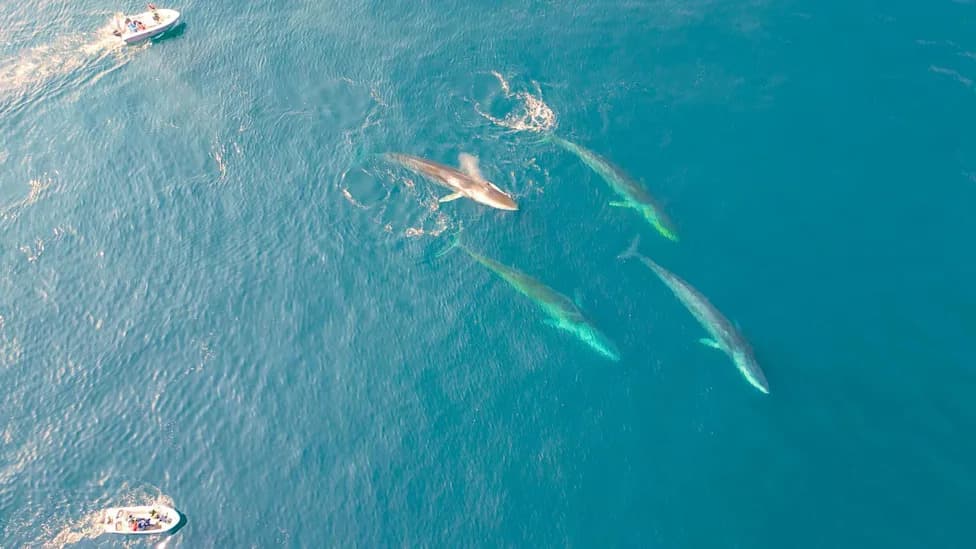
Oceans host astonishing movements as well. Humpback whales often leave nutrient-rich Alaskan feeding grounds for warmer waters near Mexico or Hawaii to give birth and care for calves through the winter. NOAA notes some baleen whales can cover journeys on the order of 3,000 miles in a matter of weeks.
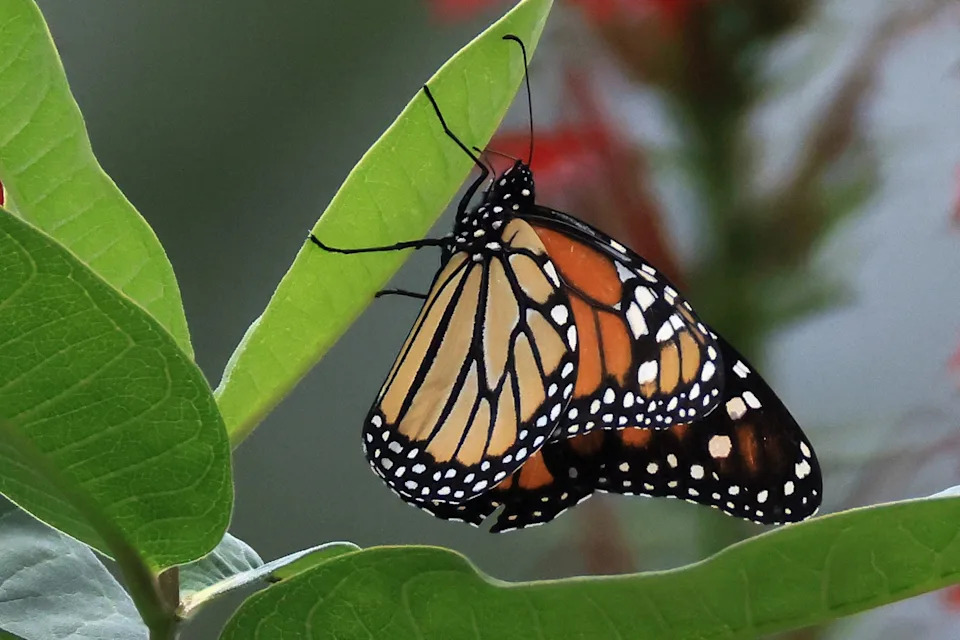
ROSLYN, NEW YORK - AUGUST 16: A Monarch Butterfly populates the Cedarmere Park on August 16, 2026 in Roslyn, New York. The Long Island region provides a welcome habitat for a host of wildlife.
Large Land Mammals
Among terrestrial mammals, caribou (referred to as reindeer in some regions) are famous for extensive seasonal treks—many herds travel more than 2,000 miles between summer and winter ranges, typically from September through November. Elk and other ungulates also move downhill or southward beginning in late October to escape deep snow and find forage.
How Migrations Vary
Not all animals migrate the same way or for the same distance. Some shift short distances to lower elevations or sheltered areas, while others undertake transcontinental voyages. Migration timing and routes can change year to year in response to weather, food availability and long-term shifts in climate.
Why It Matters
Seasonal migrations connect habitats across hemispheres and highlight the need to protect stopover sites, wintering grounds and migration corridors. These movements also provide spectacular natural events—watching shorelines fill with migrating birds or seeing monarch clusters in Mexican forests are reminders of a planet in motion.
As the first days of fall arrive, many species are already on the move, setting the stage for another season of remarkable migrations by land, air and sea.
Help us improve.