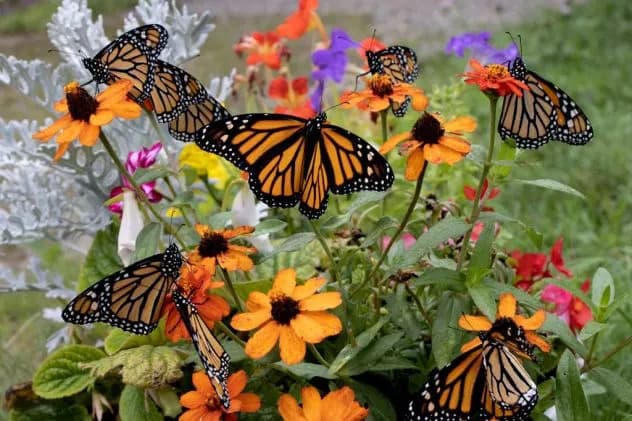
Millions of monarch butterflies have launched their fall migration across North America, with eastern populations traveling up to 3,000 miles to central Mexico. The World Wildlife Fund reports eastern colonies covered 7.24 acres during the 2025–2026 winter — a 64% increase from the prior year — yet numbers remain far below the late‑1990s peak of nearly 45 acres. Major threats include habitat loss, milkweed decline, pesticides and climate change; planting native milkweed and nectar flowers can help support the migrants.
Monarchs On The Move: Millions Begin Their 3,000‑Mile Fall Migration — How You Can Help
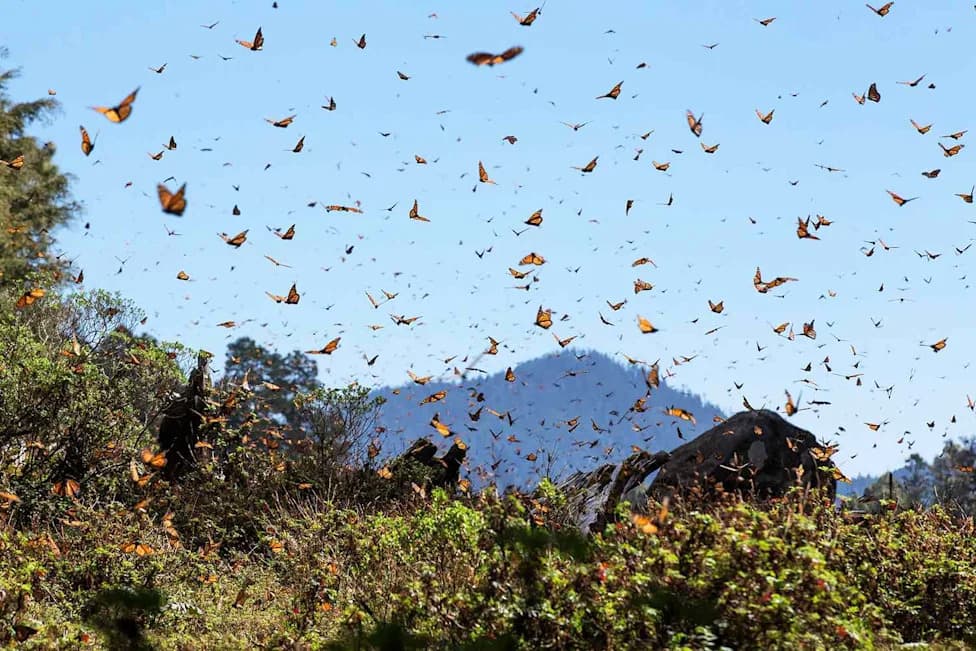
Monarch butterfly sanctuary in San José del Rincón, State of Mexico.Credit: Getty
Millions of monarch butterflies are once again on the move, beginning their annual fall migration across North America toward wintering sites in central Mexico and along the Pacific Coast. If you live in the United States or southern Canada, there’s a good chance this spectacular procession will pass near your neighborhood in the coming weeks.
Migration generally begins in the northernmost parts of the monarch range. According to the Farmers' Almanac, butterflies may start moving south from southern Canada and the northern U.S. as early as August, with the main wave sweeping through in September and October. What makes the journey especially remarkable is that the butterflies completing the trip have never made it before — they navigate to overwintering sites they themselves have never visited.
The eastern monarch population undertakes one of the longest migrations known among insects, with some individuals traveling up to 3,000 miles from the northern U.S. and southern Canada to mountain forests in central Mexico. Western monarchs, those west of the Rocky Mountains, follow a separate route toward the California coast and into northern Baja California.
During the day monarchs travel singly, visiting sunny, open places rich in nectar—meadows, gardens, parks and wildlife refuges are the best viewing spots. At night they often roost in trees, sometimes clustering by the hundreds. When migration begins locally depends on temperature and day length, urban entomologist Brandon Runyon told PetHelpful.
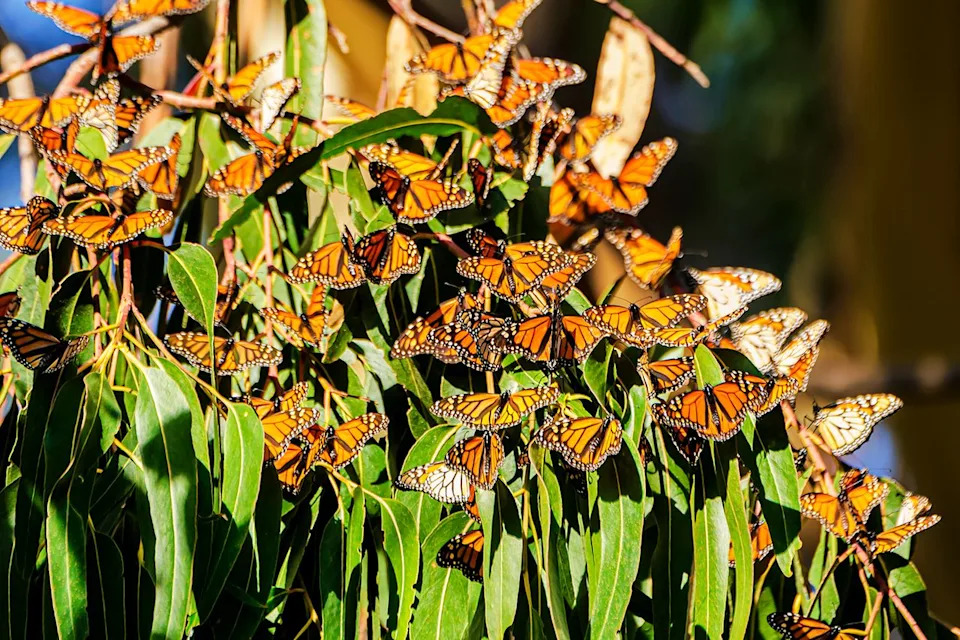
Close-up of monarch butterflies (Danaus plexippus) resting on a tree branch near the winter nesting area in Taken in Santa Cruz, CA, USA.Credit: Getty
This season brought encouraging news: the World Wildlife Fund’s annual survey found eastern monarch colonies occupied 7.24 acres of forest in Mexico during the 2025–2026 winter, up from 4.42 acres the previous year — a 64% increase in the area covered. Scientists use the forest area occupied by colonies, rather than counting individual butterflies, as a long-standing proxy for population size.
Despite the rebound, experts warn the species remains far below historic levels. Colonies once covered nearly 45 acres at the species’ late-1990s peak. Long-term declines have been driven by habitat loss, reductions in native milkweed (the only plant where monarchs lay eggs), pesticide exposure and the effects of climate change.
The monarch was listed as Endangered by the International Union for Conservation of Nature (IUCN) in 2022, and in 2024 the U.S. Fish and Wildlife Service proposed listing the species as Threatened under the Endangered Species Act.
How You Can Help
Plant Native Milkweed: Milkweed is essential for monarch reproduction — it’s the sole host plant for their caterpillars. Choose native species suited to your region.
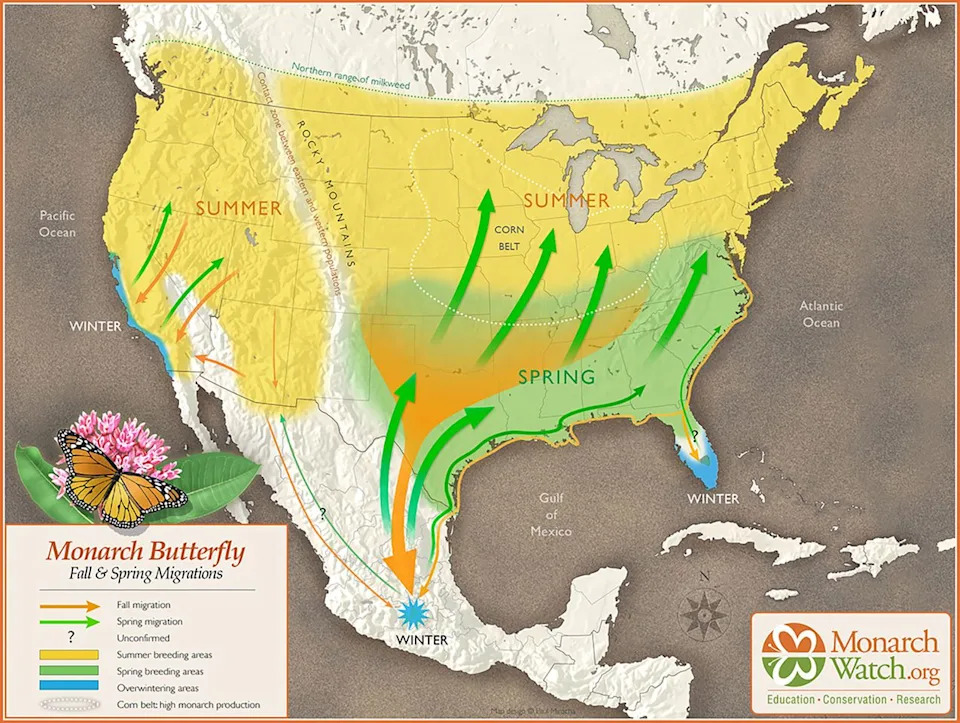
Monarch Migration Map.Credit: monarchwatch.org
Grow Nectar Plants: Offer a succession of nectar-rich flowers that bloom from spring through the first fall frost to fuel migrating adults.
Avoid Pesticides: Reduce or eliminate pesticide use in gardens and public green spaces to protect monarchs and other pollinators.
Create Habitat Corridors: Even small patches of native plants in yards, medians or community spaces can provide critical stopover resources during migration.
“Local conditions — especially temperature and day length — are the main cues that trigger migration,” said urban entomologist Brandon Runyon.
With coordinated conservation and continued public support, these migrations can remain a vibrant, recurring spectacle for future generations.
Help us improve.