Monarch butterflies are migrating south across North America, with some individuals traveling up to 3,000 miles to wintering grounds in central Mexico and coastal California. The late-summer migratory "super generation" can live up to nine months, and migration timing typically runs from August through November depending on region and weather. Best viewing is at parks, meadows and gardens with late-blooming nectar plants; volunteers can support tracking through programs like Journey North. Simple actions—planting native flowers and milkweed and avoiding pesticides—help fuel and protect migrating monarchs.
Monarchs on the Move: When and Where the Great Southbound Migration Will Pass Your Area
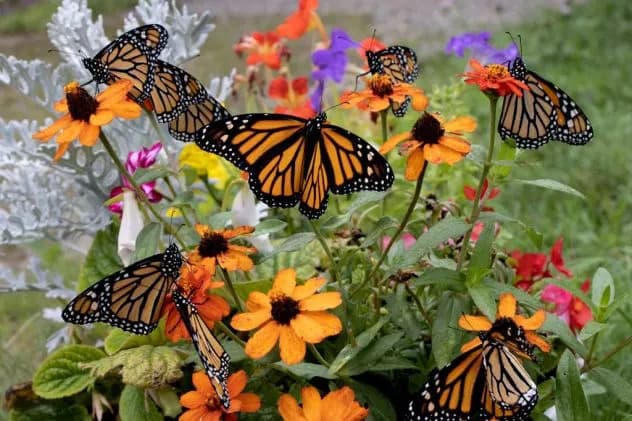
File: Newly released monarch butterflies, raised from a kit at home, land on garden flowers for the first time, August 10, 2022 in Chatham, New Hampshire. (Photo by Andrew Lichtenstein/Corbis via Getty Images)
An orange-and-black tide is sweeping south across North America as monarch butterflies begin one of the planet’s most extraordinary seasonal journeys. Late-summer monarchs join a special migratory "super generation" that can travel up to 3,000 miles and live for up to nine months as they head to wintering grounds in central Mexico and coastal California.
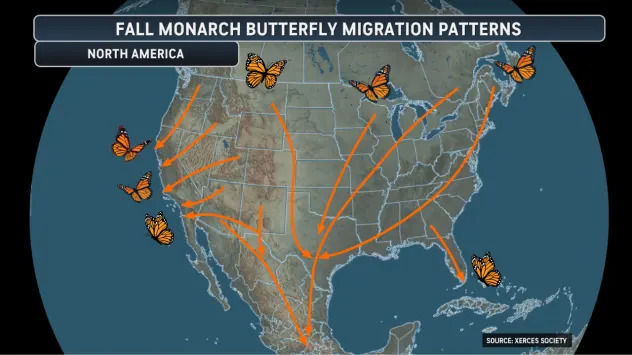
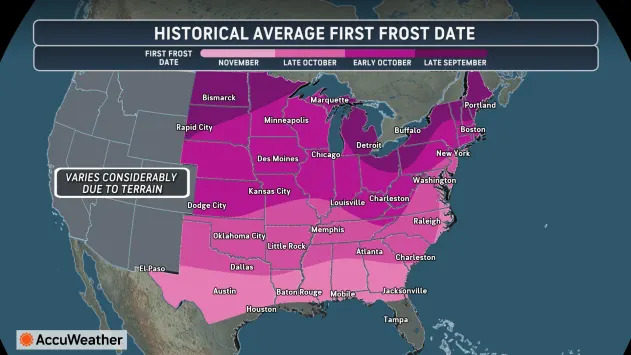
Monarch butterfly fall migration patterns south, according to Xerces Society maps. (Image: AccuWeather)
When Will Monarchs Pass Through?
The southbound migration typically begins in August in southern Canada and the northern United States, shifting steadily south through September and October. Peak abundance varies by region: early to mid-September around the Great Lakes and parts of the central U.S., late September into early October across the southern Plains and upper South, and October into November along the Gulf Coast and toward central Mexico.
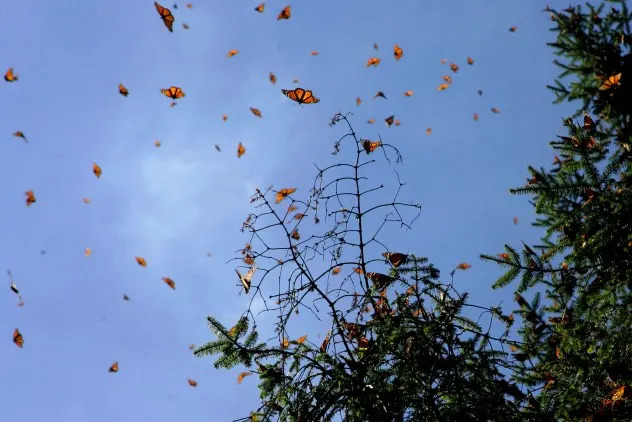
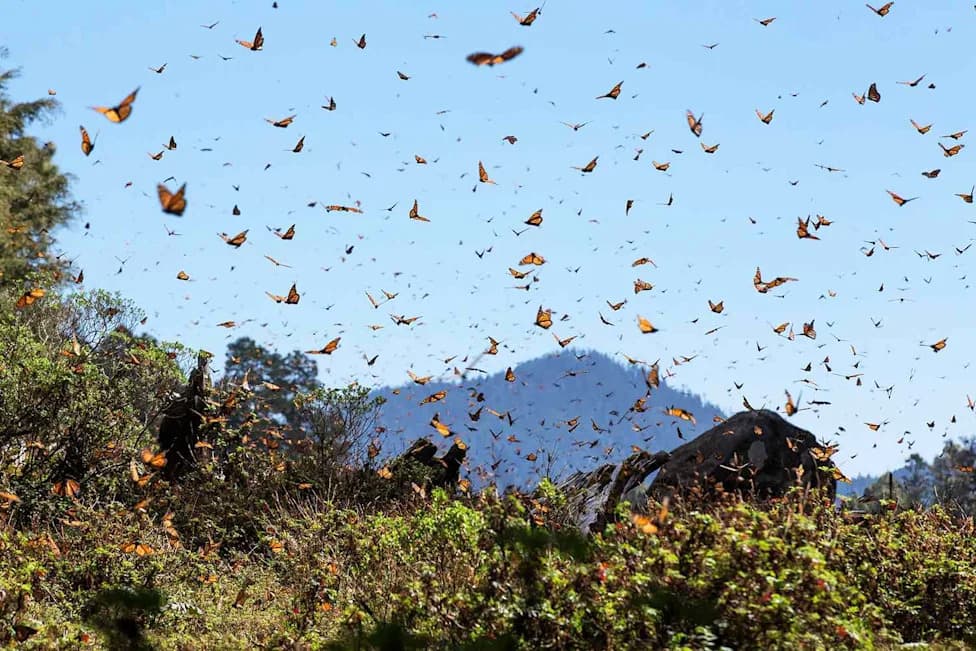
Monarch butterflies take flight at the Monarch Butterfly Biosphere Reserve on Wednesday Dec. 14, 2005 in Sierra Chincua, Mexico . Rangers with assault rifles over their shoulders and body armor strapped to their chests protect the winter nesting grounds of millions of orange and black winged butterflies from armed gangs of illegal loggers in the Monarch Butterfly Biosphere Reserve. The monarchs are not listed as endangered, but scientists say the deforestation could threaten their existence. (AP Photo/Dario Lopez-Mills)
Weather strongly affects timing. Strong southwesterly winds can slow progress, while cold fronts or favorable north/northwest winds can push large numbers rapidly south. When conditions are ideal, monarchs can ride air currents and travel more than 100 miles in a single day.
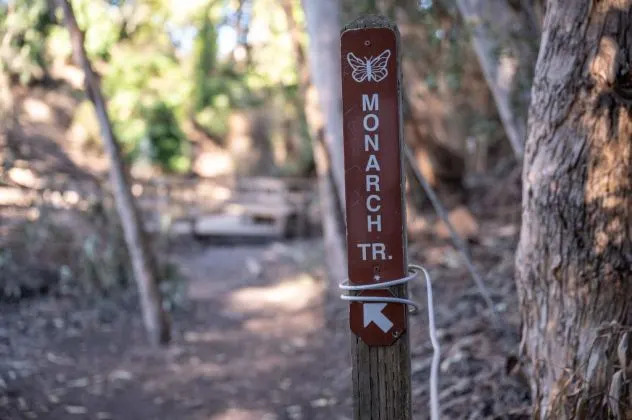
File: A sign along a trial seen in the protected area inside Natural Bridges State Beach in Santa Cruz, California on January 26, 2023. (Photo by Amy Osborne / AFP) (Photo by AMY OSBORNE/AFP via Getty Images)
Where To Look During Migration
During the day, migrating monarchs usually fly alone; at night they often cluster in sheltered trees, forming roosts that can contain dozens to thousands of butterflies. Best viewing sites include parks, meadows, wildlife refuges and gardens rich in late-blooming nectar plants.
AccuWeather.com
Flowers that provide critical fuel include goldenrod, asters, blazing star, coneflowers and other nectar-rich species. In California, public winter groves such as Natural Bridges State Beach, the Pacific Grove Monarch Sanctuary and Pismo State Beach Monarch Butterfly Grove often host large aggregations from mid-November through December.
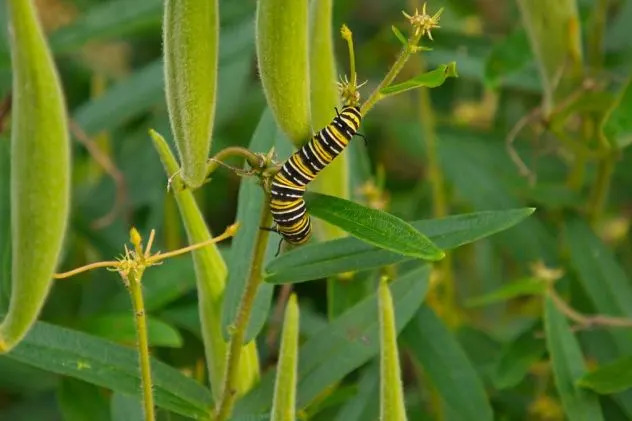
Larva of Monarch butterfly on butterfly weed, Lorton, Virginia. (Photo by: Robert Knopes/UCG/Universal Images Group via Getty Images)
How To Help Migrating Monarchs
Simple actions make a big difference: leave late-blooming flowers standing through the first frost, plant regionally native flowers that bloom into October, and add native milkweed species (the only host plant for monarch caterpillars). Reduce or avoid pesticide and herbicide use in gardens and planters—even small urban spaces can provide important nectar and breeding sites.
When visiting overwintering sites, stay on marked trails and avoid touching the butterflies. Report sightings and roosts to community science programs such as Journey North to help researchers track migration timing and routes.
Fast Facts About the Migratory Generation
Long-lived: Unlike summer generations (2–6 weeks), the migratory generation can live up to nine months.
Long-distance travelers: Some butterflies travel as far as 3,000 miles to reach wintering sites.
Navigation: These butterflies have never made the trip themselves but still find the same sheltered forests their ancestors used.
Monarch migration is a continental spectacle shaped by biology and weather. With a few simple conservation-minded actions—planting native nectar sources and milkweed, reporting sightings, and protecting overwintering habitats—you can help these iconic butterflies complete their remarkable journey.
Help us improve.