Australia will retire the official Climate Active "carbon-neutral" label after credibility concerns led more than 100 participants to exit the program. Critics said the scheme sometimes relied on offsets and accounting rather than real emissions cuts. Assistant Climate Minister Josh Wilson pledged a significant transition period while the government consults on a stronger successor that would demand clearer disclosures, independent verification and greater focus on reductions at source.
Australia Scraps 'Carbon-Neutral' Climate Active Label After Credibility Concerns
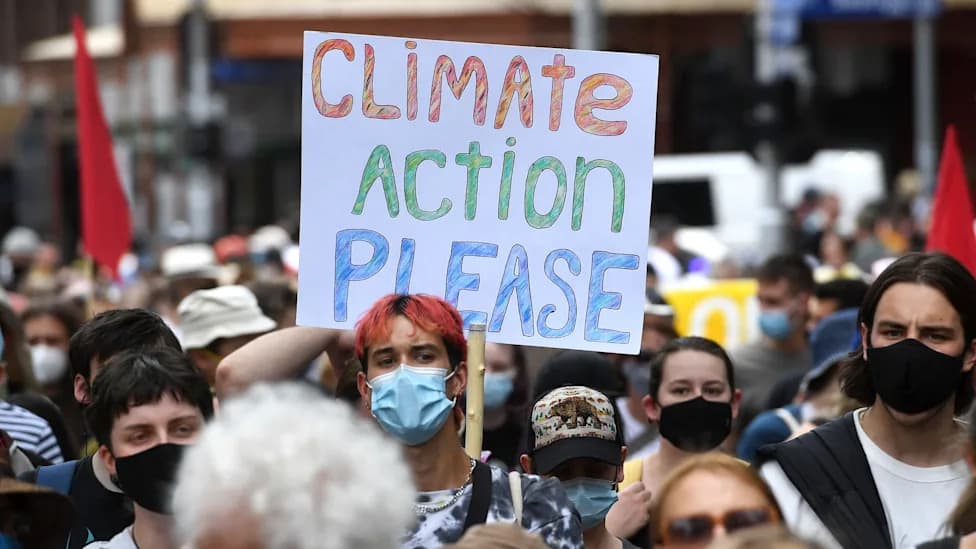
Photo Credit: Getty Images
Australia's federal government has announced it will discontinue Climate Active, the official "carbon-neutral" certification, after concerns about the program's credibility prompted more than 100 participants to leave.
Why the Program Is Ending
Originally established in earlier forms under former prime minister Julia Gillard, Climate Active gave businesses an authorised route to label products and services as "carbon-neutral" if they met government criteria. That endorsement carried marketing value as more consumers sought lower-impact options.
But critics argued the label did not always reflect meaningful cuts to emissions and sometimes relied heavily on accounting-based offsets rather than direct pollution reductions. These doubts about rigour and credibility contributed to a steady loss of participants and renewed scrutiny of the scheme.
"Climate Active has been overtaken and now is the time to move on," said Assistant Climate Minister Josh Wilson, who led the review of the program. "The government will support Climate Active users with a significant transition period, to be informed by their feedback and insights from this consultation."
Implications and Concerns
Climate labels are intended to help consumers make quicker, clearer decisions. When official labels are perceived as vague or misleading, that clarity is lost — and so is consumer trust.
Communities already confronting higher temperatures, increased fire risk and other climate impacts could benefit if a successor framework places stronger emphasis on honest reporting and on policies that drive real emissions cuts at the source rather than relying primarily on offsets.
At the same time, some businesses will likely raise concerns about uncertainty: many invested time and resources to comply with Climate Active rules, and removing the label without a clear replacement could create a confusing patchwork of competing environmental claims.
What a Stronger Replacement Might Look Like
Observers and advocacy groups say any successor should include:
- Clearer public disclosures about emissions and offsetting approaches;
- Stricter independent verification and audit mechanisms;
- A greater focus on measurable emissions reductions at source rather than an overreliance on crediting and accounting;
- A well-signalled transition period to limit disruption for businesses that complied with the previous rules.
Climate Council senior adviser Ben McLeod criticised Climate Active for giving a "green tick" to a wide range of organisations, from major fossil fuel companies to petrol retailers, saying it distracted from the ‘‘real job’’ of cutting pollution at the source.
Ending the Climate Active label alone will not eliminate greenwashing, but the decision signals that government-backed environmental claims will face tougher scrutiny. The central challenge now is to replace the scheme with clearer, enforceable standards rather than leaving a regulatory vacuum.
Help us improve.