At a New York event marking the 20th anniversary of An Inconvenient Truth, Al Gore acknowledged unexpectedly sustained resistance from fossil fuel interests but said he remains optimistic that clean‑energy momentum can overcome that opposition. He cited recent extreme events — record heatwaves and a glacier collapse on the Nepal–Tibet border — as evidence that climate impacts are accelerating. Gore warned of dangerous tipping points like ice‑sheet melt and Amazon dieback, while noting renewables and batteries are rapidly scaling and becoming cheaper than fossil fuels.
Al Gore, 20 Years After An Inconvenient Truth: 'We Are Going To Win This' — But Time Is Running Out
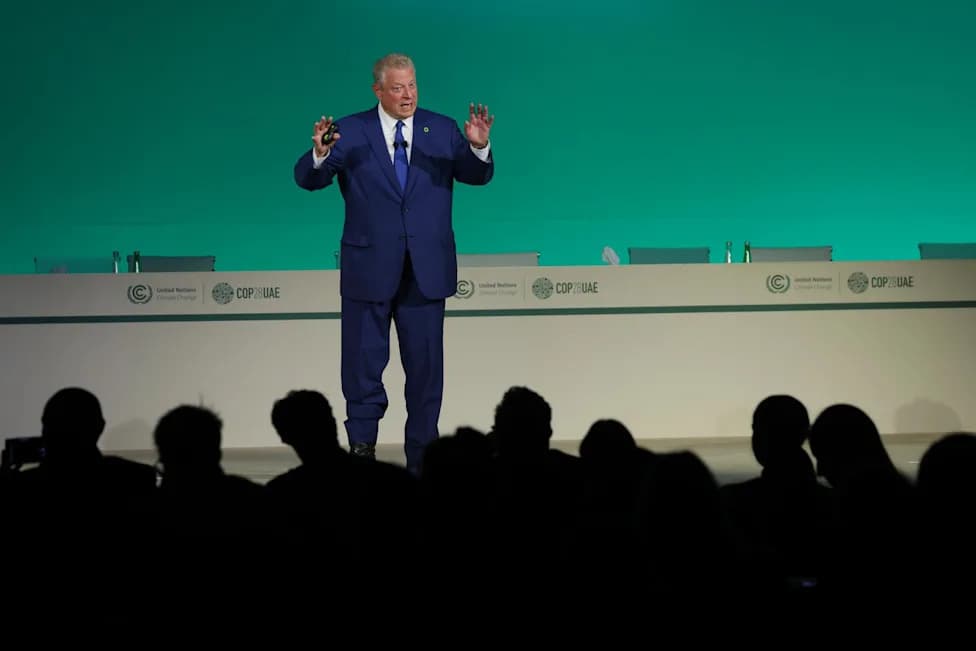
Al Gore at the Cop28 climate conference in Dubai, United Arab Emirates, on 3 December 2023.Photograph: Sean Gallup/Getty Images
At a New York event marking the 20th anniversary of the documentary An Inconvenient Truth, former US vice-president Al Gore, 78, reflected on two decades of climate advocacy, acknowledged unexpectedly durable resistance from fossil fuel interests, and reiterated cautious optimism that humanity can still avert the worst impacts of global warming.
Gore’s Assessment: Science, Resistance and Momentum
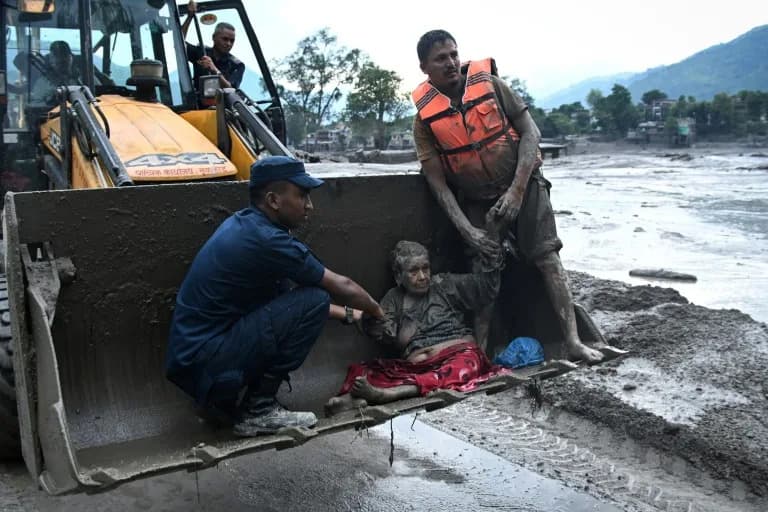
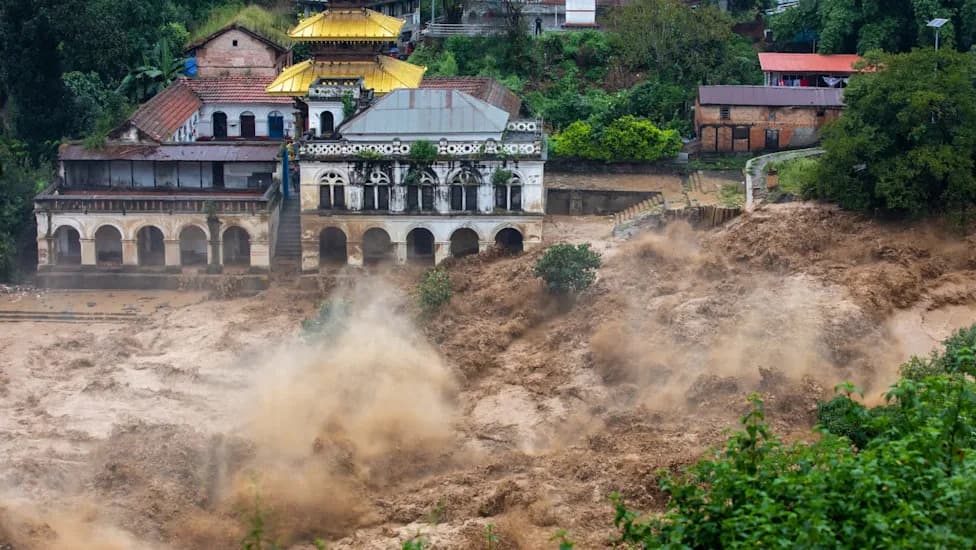
Gore said the scientific warnings issued years ago have been “proven to be absolutely correct,” and in some cases may have understated how quickly impacts would accelerate. He pointed to recent record heatwaves and a glacier collapse on the Nepal–Tibet border as evidence that climate effects are becoming more frequent and more severe.
“Courage is not the absence of fear or despair. It’s the decision to go forward in spite of it.” — Al Gore
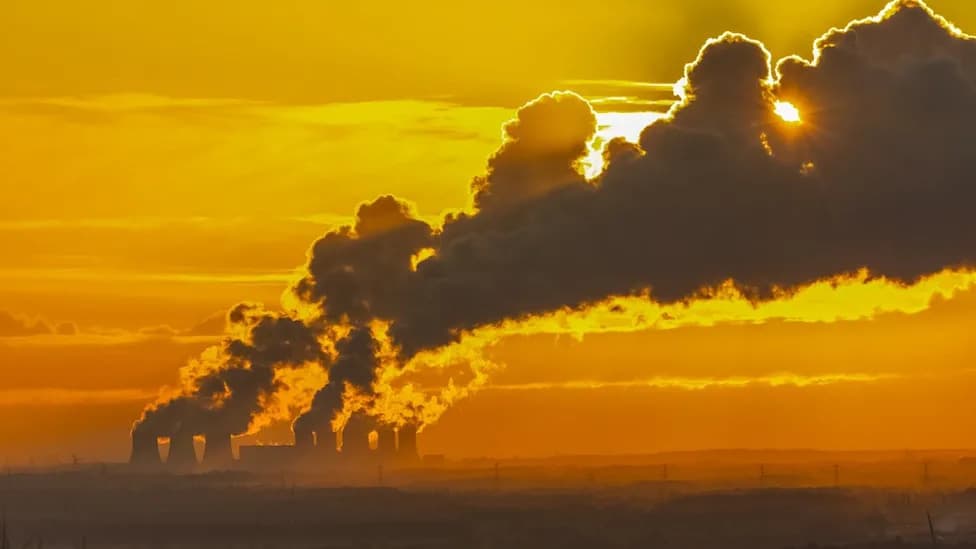
He also expressed surprise at how persistent and well-funded the backlash from the fossil fuel industry and its political allies has been, saying that those interests have “captured control of too many governments” and have even exerted worrying influence within some UN climate processes — a claim he referenced alongside recent reporting by The Guardian about Saudi involvement in drafting high-profile UN climate materials.
Organising and the Path Forward
Since the film’s release in 2006, Gore built a global organising effort: the Climate Reality Project, which he says reaches about 4.5 million people in 196 countries. Speaking with TV weather presenter Al Roker during Climate Week, Gore compared the climate campaign to past social movements, noting that advocates often felt despair but pressed on until public opinion shifted.
Gore warned of looming climate "tipping points," including rapid ice-sheet melt and the risk of the Amazon rainforest transitioning to savanna—events that could push the world toward catastrophic change if global temperatures breach internationally agreed thresholds (commonly discussed around 1.5–2°C above pre-industrial averages).
Energy Trends and Global Challenges
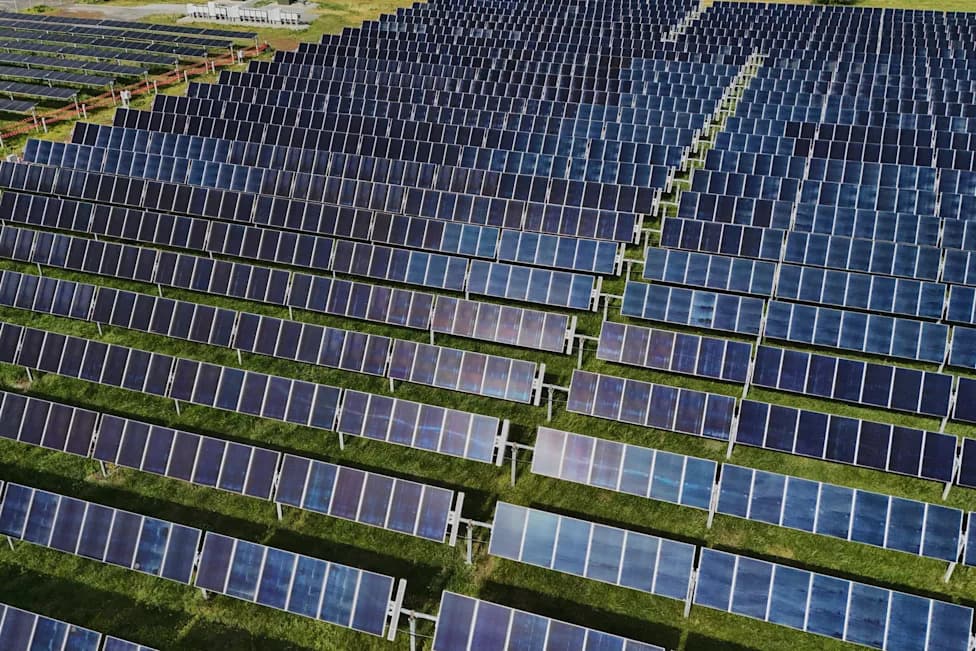
On the positive side, Gore said the rapid deployment of renewables and battery storage — now often cheaper than coal and gas — has made extreme 4°C-plus scenarios by century’s end less likely. He cautioned, however, that many developing countries still face financing and infrastructure barriers to scale up clean energy quickly enough.
“The day is coming when our momentum will overtake the resistance. We’re getting very close now,” Gore said. “I think we are going to win this. The remaining question is whether we will win it in time to avoid those negative tipping points I talked about.”
UN Leadership and Global Policy
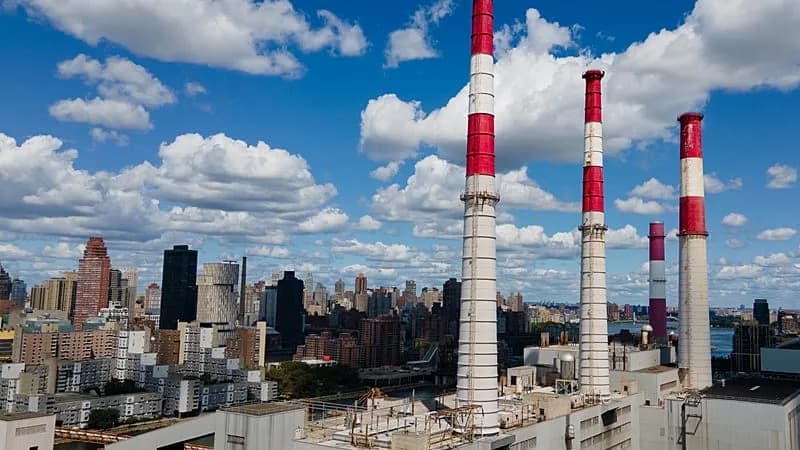
Gore’s remarks preceded a major UN climate session led by outgoing UN Secretary‑General António Guterres, who criticised continued fossil fuel expansion as “defying science, economics and common sense.” Guterres urged countries to triple renewable deployment, halt deforestation and electrify their economies, calling renewables “the cheapest, fastest and most secure source of new electricity almost everywhere.”
Bottom line: Gore framed the climate struggle as a long social movement with growing public support and rapidly improving clean‑energy economics — but he warned the world still faces a narrow window to prevent the most dangerous and irreversible impacts.
Help us improve.