The UK Advertising Standards Authority found on September 9 that several travel ads used phrases like "eco resort" and "eco hotel" in misleading ways. Directive (EU) 2024/825, effective September 27, 2026, tightens rules on generic environmental claims and requires measurable, substantiated achievements. Hotels must audit all consumer-facing channels, ensure sustainability badges rely on qualifying certifications, and avoid claiming climate neutrality based only on offsets.
Europe Cracks Down On 'Green' Hotel Claims: What Hoteliers Must Do Before Sept. 27, 2026

"Green" hotel - Photo credit: Unsplash+ License
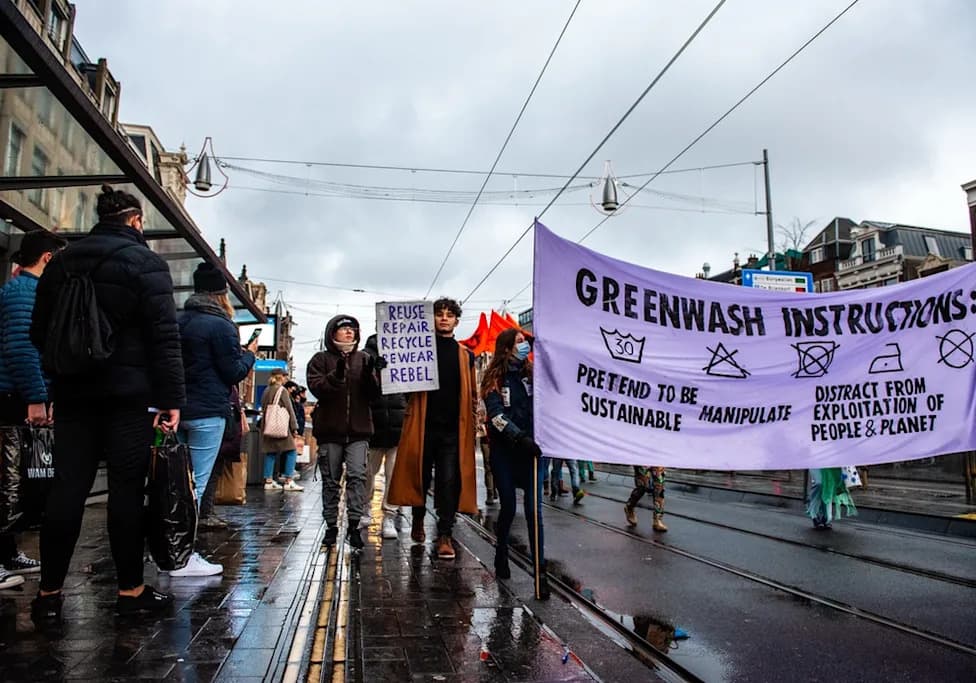
European regulators are tightening rules on vague environmental marketing. Terms such as "eco," "green" and "sustainable" are increasingly treated as specific claims that must be proven — not casual adjectives hotels can use without evidence.
UK ASA Rulings Highlight Risk
On September 9 the UK Advertising Standards Authority (ASA) ruled that travel ads from Thomas Cook, loveholidays and DialAFlight used phrases like "eco resort," "eco hotel" and "eco-conscious resort" in ways likely to mislead consumers. The ASA found the wording suggested verifiable environmental benefits that were not explained or substantiated. In one case, Thomas Cook argued Google’s automated tools had inserted the word "eco" because it formed part of a property's name; the ASA still considered the phrase an environmental claim.
New EU Rule: Directive (EU) 2024/825
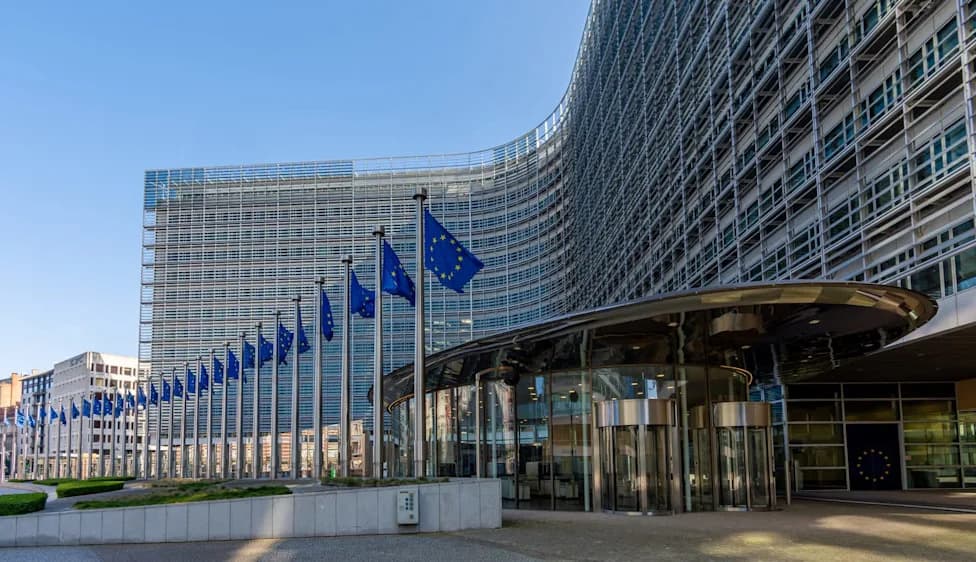
Directive (EU) 2024/825 — the Empowering Consumers for the Green Transition Directive — was adopted in 2024 and will apply from September 27, 2026. Member states had until March 27, 2026, to transpose it into national law. The directive expands the EU's list of commercial practices that are unfair in all circumstances and targets generic environmental claims.
Under the directive, generic terms such as "environmentally friendly," "eco-friendly," "green," "climate friendly" and "carbon friendly" may be prohibited unless the business can demonstrate recognized, excellent environmental performance directly relevant to the claim. Claims must be measurable, accurate and clearly substantiated, and any qualifications must be presented prominently rather than buried in fine print.
Badges, Labels and Carbon Offsets
Private sustainability labels and badges will generally need to be based on qualifying certification schemes. Importantly, claims that a hotel stay is climate neutral, reduced, or positive cannot rely solely on carbon offsetting; firms must show the underlying emissions reductions and robust methodology.
Enforcement And Penalties
The ASA rulings did not impose fines, but the UK’s consumer-protection framework allows the Competition and Markets Authority and courts to seek penalties up to 10% of global turnover for consumer law breaches. For significant cross-border infringements, EU consumer-protection rules permit maximum fines of at least 4% of annual turnover in the member states concerned. National authorities will consider seriousness, duration and remedial steps when setting sanctions.
Practical Checklist For Hotels
- Audit all consumer-facing content: websites, booking engines, paid search campaigns, social media, OTA listings and sustainability pages.
- Review property names and how they appear in ads — a word like "eco" can be read as a claim.
- Document measurable environmental achievements (e.g., certified energy savings, water reductions, waste diversion rates) and make substantiation easy for consumers to access.
- Ensure sustainability badges are supported by qualifying certification schemes and links to methodology.
- Avoid relying solely on offsets to claim neutrality; show actual emissions reductions and transparent offset protocols if offsets are used as a last resort.
Bottom line: From September 27, 2026, calling a hotel "eco" or "green" without clear, verifiable proof will be risky. Hoteliers should act now to avoid regulatory scrutiny and potential fines.
Help us improve.