The rush to plant trees for carbon credits is reshaping New Zealand farmland: almost 9,000 sq km of carbon‑credit forest have been approved and roughly 3,300 sq km of sheep and beef land has been sold for forestry since 2017. Forestry investments, buoyed by ETS carbon credits, have pushed up grazing land prices and contributed to job and population losses in rural communities. Officials say forestry is a cost‑effective part of meeting climate targets, while critics warn it encourages offsetting instead of direct emissions cuts.
Carbon-Credit Boom Is Replanting New Zealand Farmland — and Hollowing Out Rural Communities
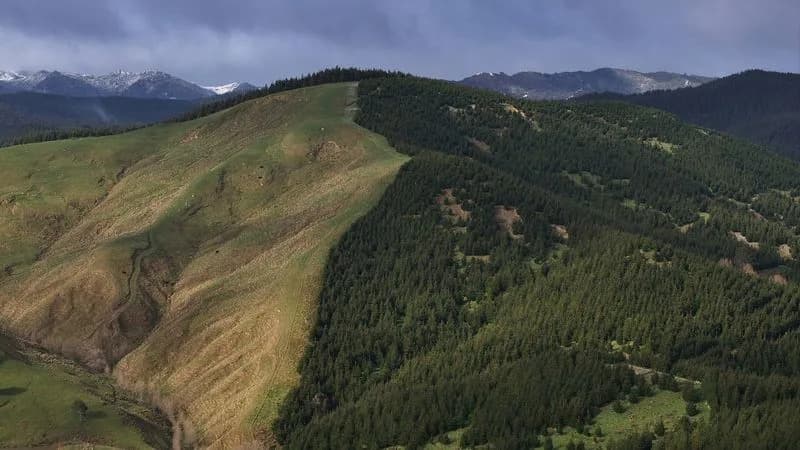
A pine forest borders a pasture owned by farmer Alex Renner near Pongaroa, New Zealand, August 5, 2026. REUTERS/Hollie Adams
At the start of lambing season, the Ramsden family farm near Pongaroa looks like a classic New Zealand scene: newborn lambs trailing their mothers across steep pasture, native cabbage trees punctuating the hills, and a white homestead that has stood for about a century. But encroaching pine plantings are changing the view.
From Pasture To Pine
On blocks once used for sheep and cattle, young Monterey (radiata) pines now carpet the slopes. Landowners plant these trees to generate carbon credits under New Zealand's emissions trading scheme (ETS), which over nearly two decades has approved almost 9,000 square kilometres of carbon-credit forest — roughly 11 times the area of New York City. For many owners, forestry now offers a more attractive long-term financial return than livestock.
"You're connected to the land and that's why it's quite depressing to see good farmland — and to sheep and beef, good country — going into pine trees," said Fiona Ramsden, who runs a 1,215-hectare property near Pongaroa.
Why Trees Often Beat Sheep
More than half of New Zealand's greenhouse gas emissions come from agriculture (mainly methane and nitrous oxide), but agricultural emissions are largely excluded from the ETS, which focuses on carbon dioxide and emissions from industry. Owners of post-1989 forests can earn carbon credits as trees grow and sell those credits to emitters needing offsets. That potential revenue has enabled forestry investors to outbid sheep and beef farmers for grazing land.
Key figures cited in local reporting include roughly 3,300 sq km of sheep and beef farmland sold for conversion to forestry since 2017 — enough land to graze more than 2 million sheep — and grazing land prices rising about 9.7% while dairy land prices rose about 3.7%. Foreign buyers have acquired over 1,000 sq km of farmland for forestry conversion in the same period; Ingka Investments (the investment arm linked to IKEA) owns about 430 sq km of forestland in New Zealand.
Community And Economic Impacts
The shift from livestock to trees has social as well as economic consequences. As farms are planted in pine, fewer ewes and calves mean fewer jobs for shearers, truck drivers, stock agents and rural contractors. Local services and social institutions can falter: in the Pongaroa area, the local rugby club folded in 2022 and a community-run daycare closed in 2023. The wider Owahanga area has seen an estimated 2.6% population decline over the past decade.
Farmers report additional practical problems when neighbouring blocks become forested: increased feral goat, pig and deer activity, more frequent infrastructure damage after storms, and worries about wildfire risk during hot, dry summers. Cyclone Gabrielle in 2023 demonstrated the risks: forestry debris washed into waterways and damaged infrastructure in some regions.
Policy Debate And Outlook
Supporters argue forestry is a cost‑effective way to lower net emissions because New Zealand has favourable growing conditions and an established sector. The independent Climate Change Commission expects ETS forests to deliver roughly 25% of the emissions reductions needed for the 2026–2030 target and nearly 50% for 2031–2035.
Critics counter that the ETS lets emitters buy offsets rather than invest in direct decarbonisation, and that cheap credits can delay harder emissions cuts across the economy. In late 2023 the government tightened ETS rules for non-native species such as radiata pine on more productive land; preliminary industry data suggest conversion purchases slowed to about 160 sq km last year, though figures may be revised.
Forestry representatives note the sector supports jobs, related industries and significant export earnings — roughly NZ$6.5 billion annually — while red meat exports bring around NZ$12 billion. The debate now centers on how to balance climate goals, rural livelihoods and long‑term land use.
Voices From The Ground
Some farmers sold at market peaks and reinvested locally, while others say rising prices and conversions have closed the door on farming careers. "Once they go into forestry, it's one less farm that can be bought," said shearer Axle Reid. For many rural communities, the landscape is changing not only visually but economically and socially.
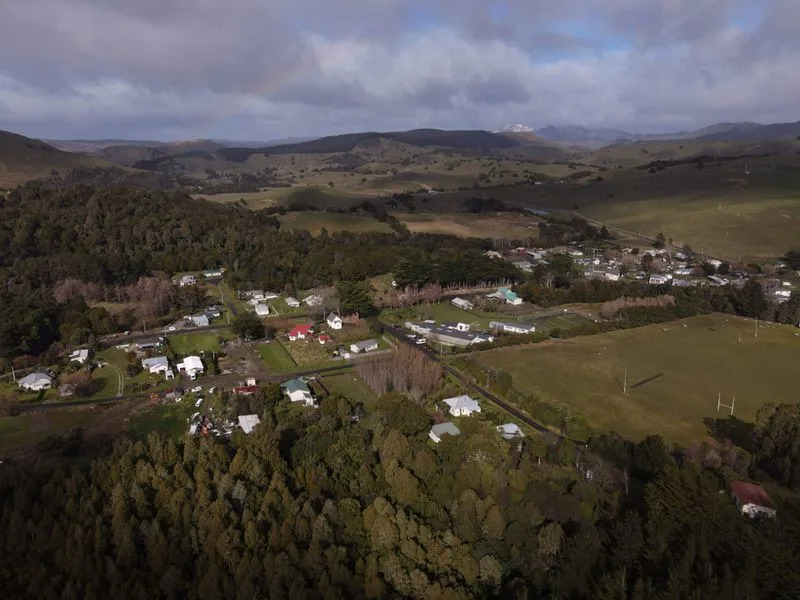
A drone view of the rural village of Pongaroa, New Zealand, August 5, 2026. REUTERS/Hollie Adams

Marty Hull, former club captain of Puketoi Rugby Club, sits inside the closed clubhouse in Pongaroa, New Zealand, August 5, 2026. REUTERS/Hollie Adams
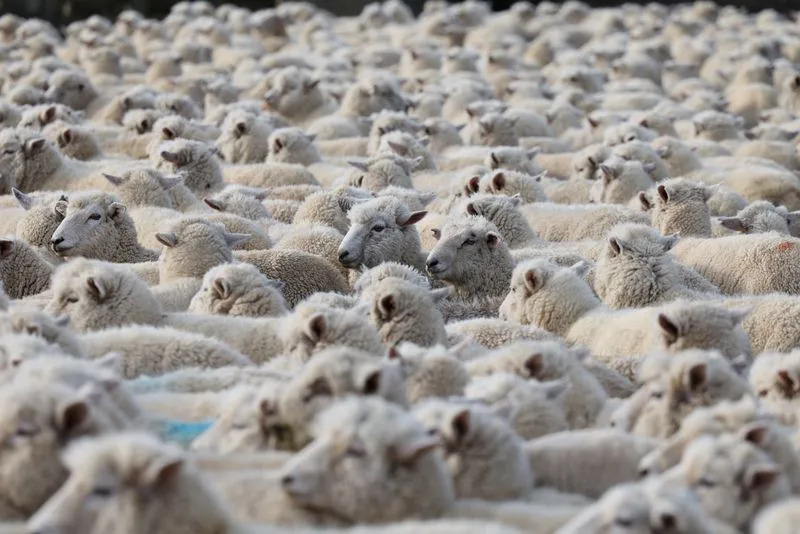
Sheep react as they are rounded up in Pongaroa, New Zealand, August 3, 2026. REUTERS/Hollie Adams
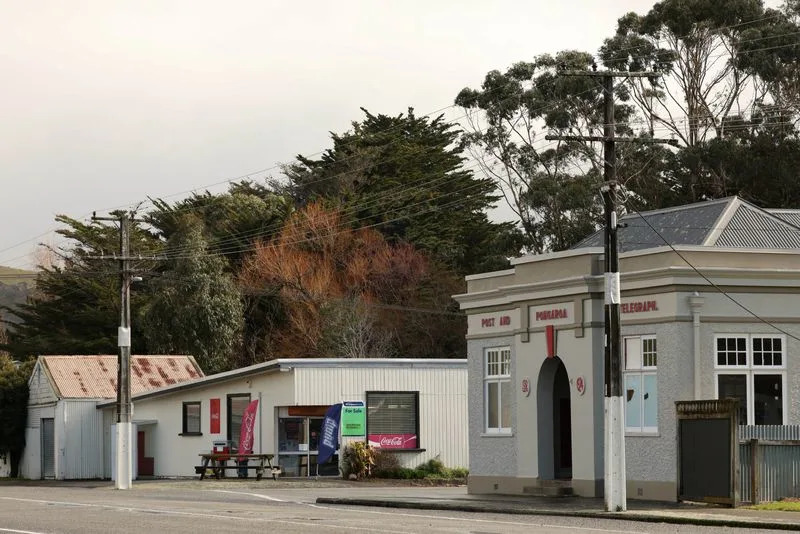
The main street in the rural village of Pongaroa, New Zealand, August 5, 2026. REUTERS/Hollie Adams

A young radiata pine tree near Porangahau, New Zealand, August 4, 2026. REUTERS/Hollie Adams
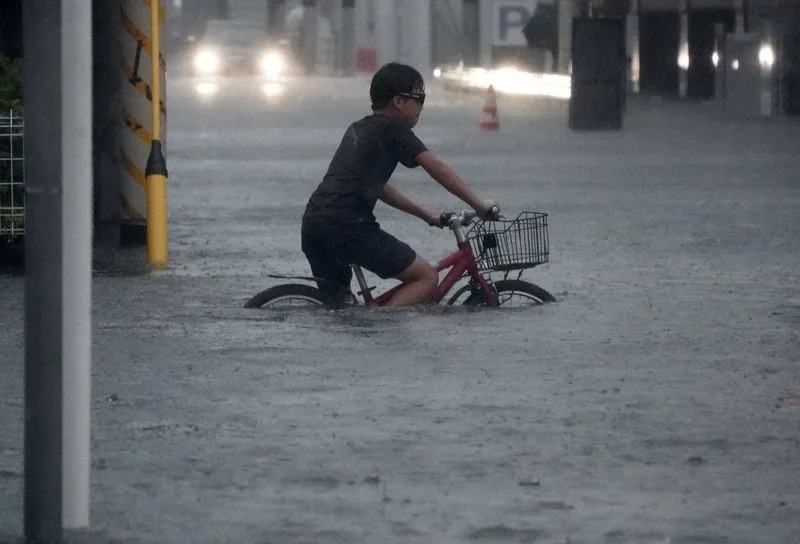
A boy cycles through a flooded street as Typhoon Dujuan brings heavy rain, in Ichikawa, Chiba Prefecture, Japan, September 21, 2026 in this photo taken by Kyodo. Kyodo via REUTERS
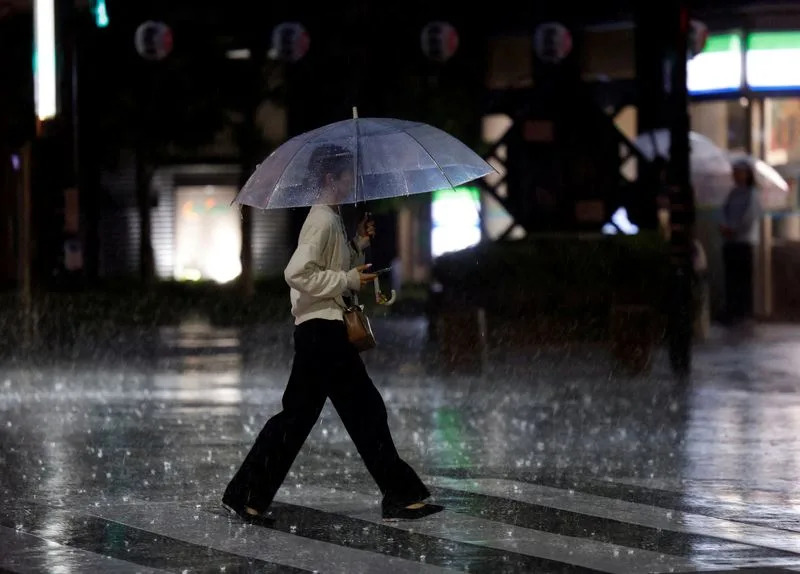
A woman crosses a street in heavy rain as a result of Typhoon Dujuan in Tokyo, Japan, September 21, 2026. REUTERS/Kim Kyung-Hoon

Passengers rest at Haneda Airport as many flights are delayed and cancelled due to Typhoon Dujuan, in Tokyo, Japan, September 21, 2026. REUTERS/Kim Kyung-Hoon
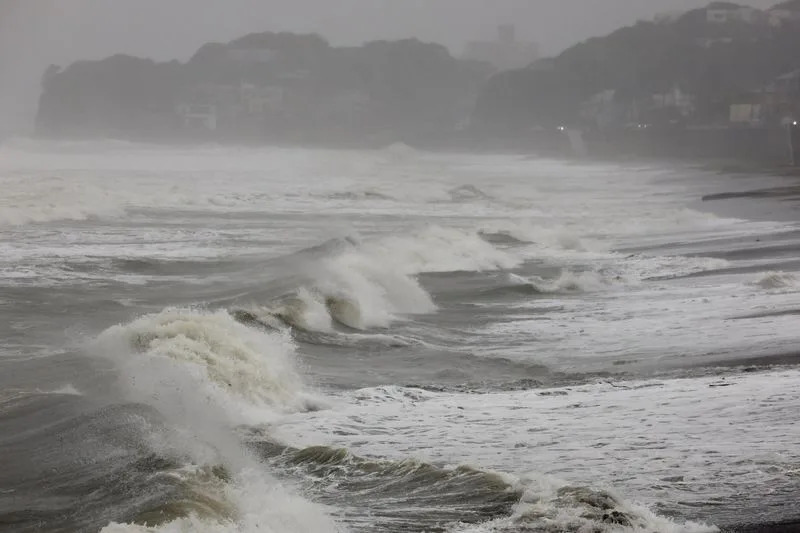
Rough waves hit the coast as Typhoon Dujuan approaches, in Kamakura, Kanagawa Prefecture, Japan, September 21, 2026 in this photo taken by Kyodo. Kyodo/via REUTERS
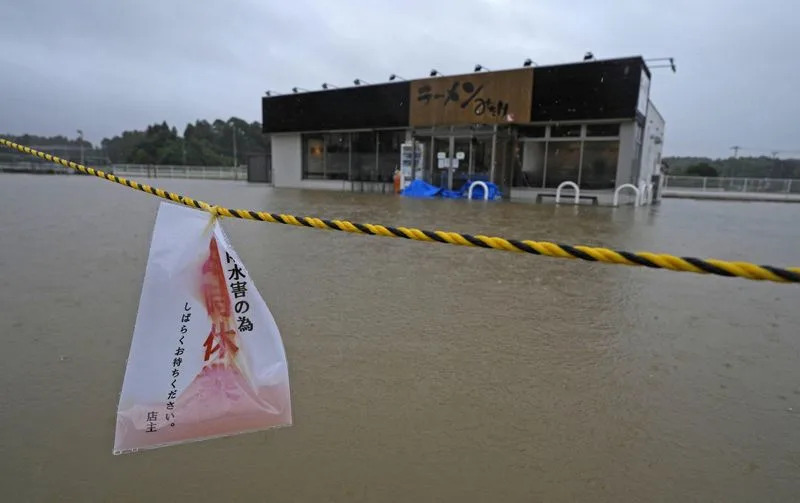
The area around a ramen restaurant is flooded by heavy rain as Typhoon Dujuan approaches, in Oamishirasato, Chiba Prefecture, Japan, September 21, 2026 in this photo taken by Kyodo. Kyodo/via REUTERS
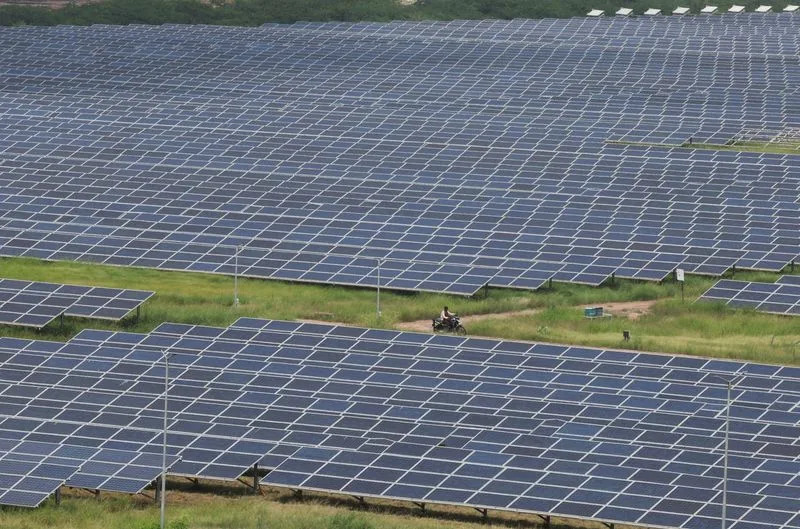
FILE PHOTO: A man rides a motorcycle along the solar panels in Gujarat Solar Park also called Charanka Solar Park at Patan district in Gujarat, India September 12, 2024. REUTERS/Amit Dave/File Photo

Words "AI Artificial Inteligence", keyboard, and a robotic hand in this illustration taken June 5, 2026. REUTERS/Dado Ruvic/Illustration
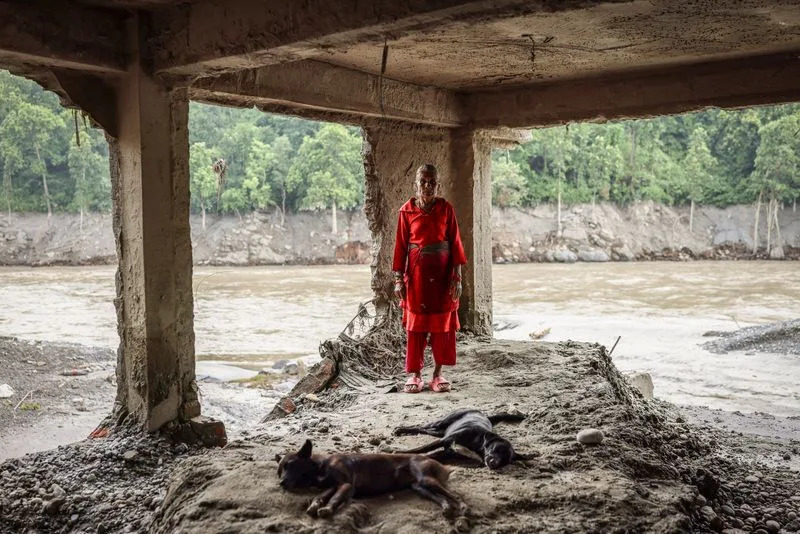
Nani Kanchi Khatri, 60, poses inside her home where walls were destroyed by floodwaters in Galchhi, Dhading district, Nepal, September 6, 2026. Khatri, who lives alone and suffers from asthma, said the flood damaged her only property and swept away medicines she had recently purchased. "I don't have a husband or son to look after me. With my only property damaged by the flood, I don't have anywhere to go," she said. REUTERS/Tyrone Siu
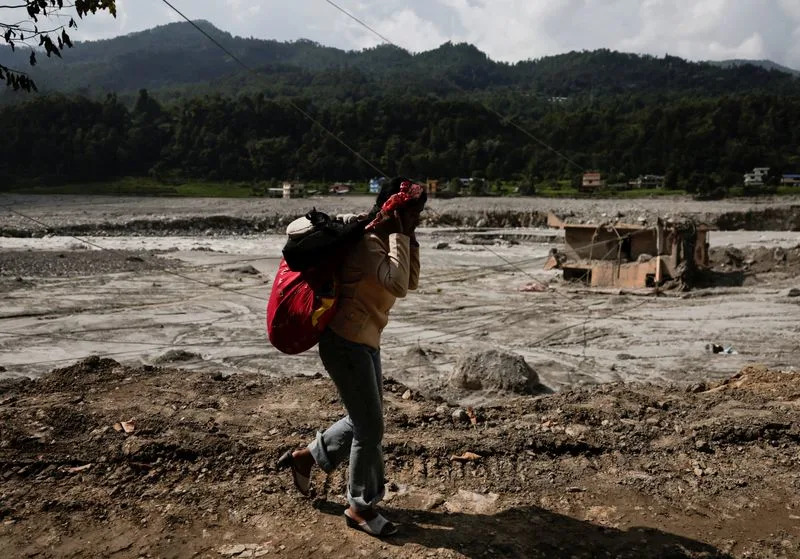
A woman carrying her belongings walks through Betrawati in Nuwakot district towards her village in Rasuwa, following deadly flash floods and a mudslide, in Nepal, September 21, 2026. REUTERS/Navesh Chitrakar
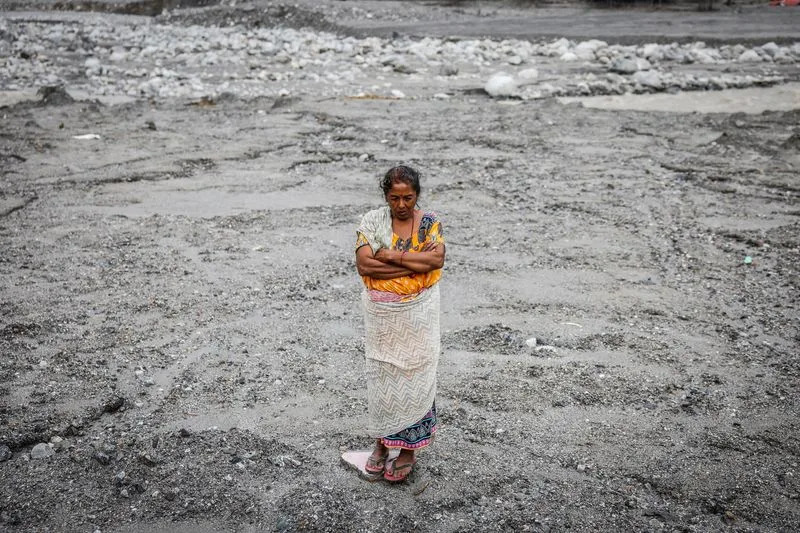
Shanti Dangol, 61, displaced by recent flash floods and mudslides, poses for a photograph on the sludge that buried her home in Betrawati, Nuwakot district, Nepal, September 9, 2026. Shanti described Betrawati as a once-thriving town that catered to pilgrims and trekkers and had grown more prosperous in recent years as families built larger homes, rented rooms and invested in their children's education. "Economically, people here had started doing well. Now, nothing remains," she said. REUTERS/Adnan Abidi
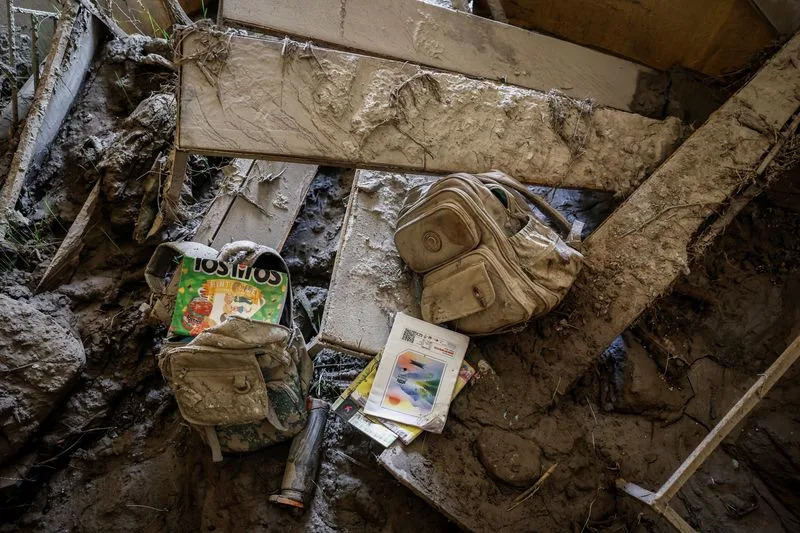
Desks and school bags covered in sludge are seen inside a classroom at Uttargaya Public School following flash floods and mudslides in Angitar, Nuwakot district, Nepal, September 9, 2026. There are 5,130 people still reported missing on the Nepal side of the border after the flood caused by a glacial collapse that swept down the mountains, killing at least 1,386 people. The authorities continue to search for survivors, but it has been days since anyone has been found alive. REUTERS/Adnan Abidi
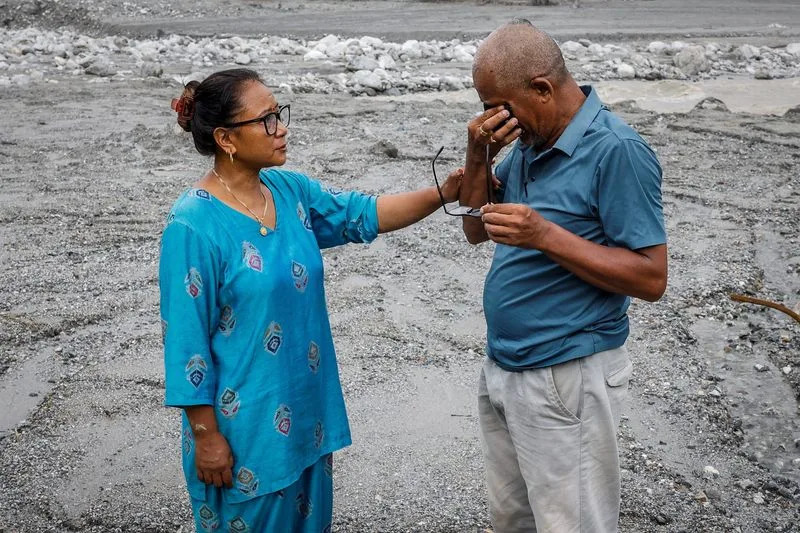
Chari Thapa Magar, 54, and Sita Thapa Magar, 45, who were displaced by recent flash floods and mudslides, cry as they pose for a photograph on the sludge that buried their home in Betrawati, Nuwakot district, Nepal, September 9, 2026. Sita Thapa Magar said the earthquake had brought hardship and loss, but families had at least been able to salvage belongings and rebuild on their land. This time, the two houses she owned with her husband had been swept away and their farmland buried under debris. "This time, we have lost everything," she said. REUTERS/Adnan Abidi
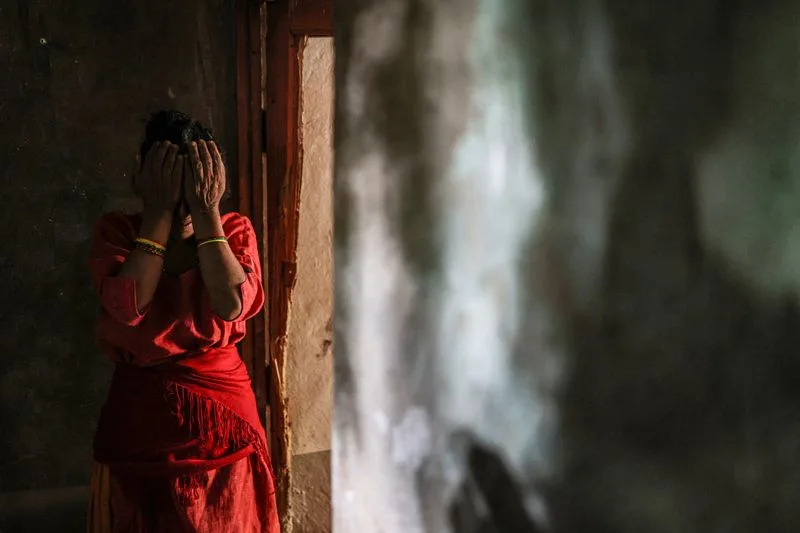
Shanti Pudasaini, 53, cries inside her house as she speaks about her uncertain future following flash floods and mudslides in Devighat, Nuwakot district, Nepal, September 9, 2026. In Devighat, residents have been salvaging what belongings they can, though many say they will have no reason to return again. Shanti's family said they had lived in the area for more than three decades and had never witnessed flooding on such a scale, leaving their home and neighbourhood heavily damaged. REUTERS/Tyrone Siu
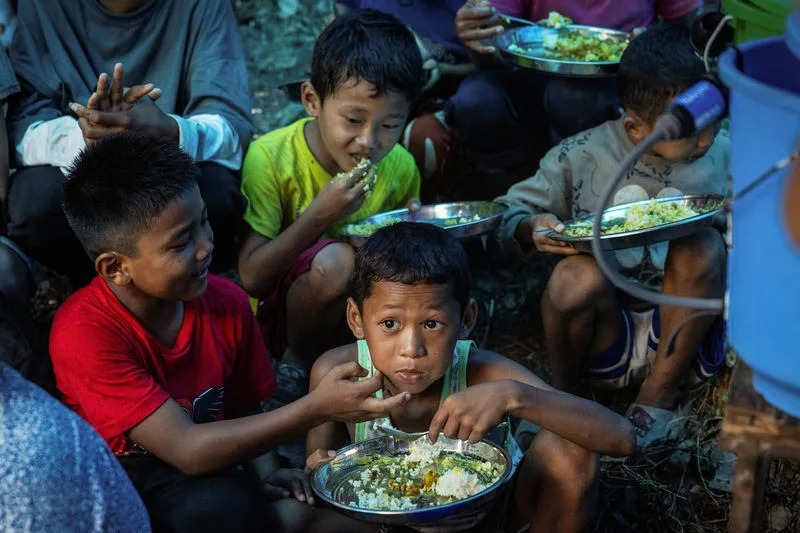
Children displaced by flash floods and mudslides eat lunch inside a makeshift kitchen at a temporary shelter on a hill in Betrawati, Nuwakot district, Nepal, September 9, 2026. Each day, scores of survivors sheltering in clusters of tents on a hillside above the site of Betrawati walk the half a kilometre (500 yards) to wander across the wasteland that was once their town, searching for traces of homes, shops and loved ones swallowed by the floods. There are 5,130 people still reported missing on the Nepal side of the border after the flood caused by a glacial collapse that swept down the mountains, killing at least 1,386 people. The authorities continue to search for survivors, but it has been days since anyone has been found alive. REUTERS/Adnan Abidi
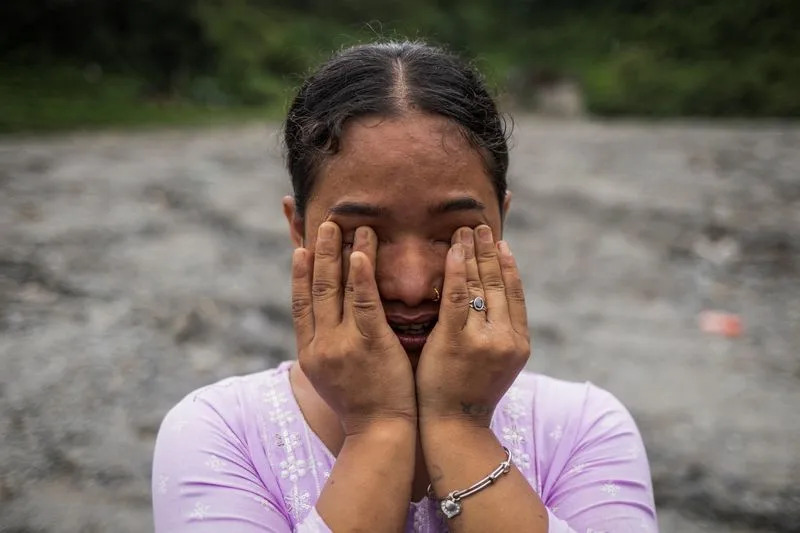
Anusa Thapa Magar, 23, displaced by recent flash floods and mudslides, cries as she poses for a photograph on the sludge that buried her home in Betrawati, Nuwakot district, Nepal, September 9, 2026. Magar returned from working in the Maldives after hearing about the disaster and fears her grandmother may still be buried beneath the family home. "If my house is buried underneath, that means my Aama is still here underneath too, right?" she said. REUTERS/Adnan Abidi
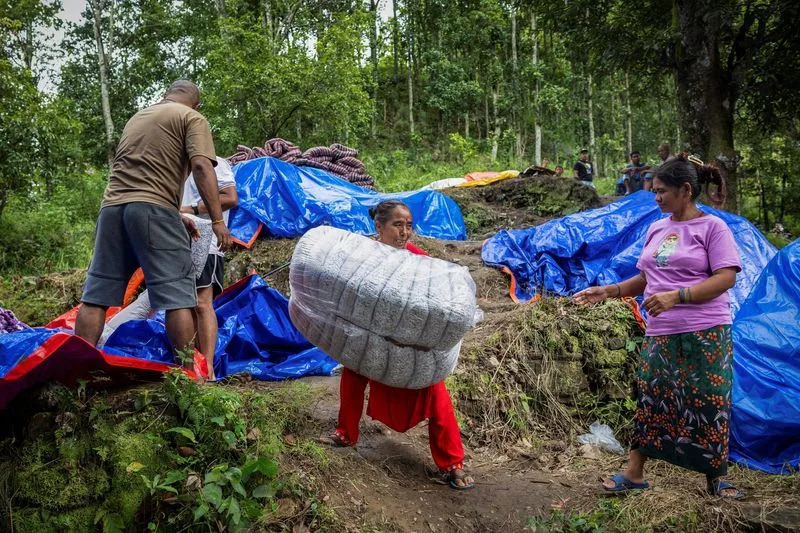
Chary Thapa Magar, displaced by flash floods and mudslides, carries a sack of aid supplies at a temporary shelter on a hill in Betrawati, Nuwakot district, Nepal, September 9, 2026. Each day, scores of survivors sheltering in clusters of tents on a hillside above the site of Betrawati walk the half a kilometre (500 yards) to wander across the wasteland that was once their town, searching for traces of homes, shops and loved ones swallowed by the floods. There are 5,130 people still reported missing on the Nepal side of the border after the flood caused by a glacial collapse that swept down the mountains, killing at least 1,386 people. The authorities continue to search for survivors, but it has been days since anyone has been found alive. REUTERS/Adnan Abidi

FILE PHOTO: Racks for data servers, GPUs and CPUs inside the Nebius AI UK data centre, a new facility hosting NVIDIA and other computer firms, at Ark Data Centres, in Chertsey, Britain, November 6, 2025. REUTERS/Toby Melville//File Photo
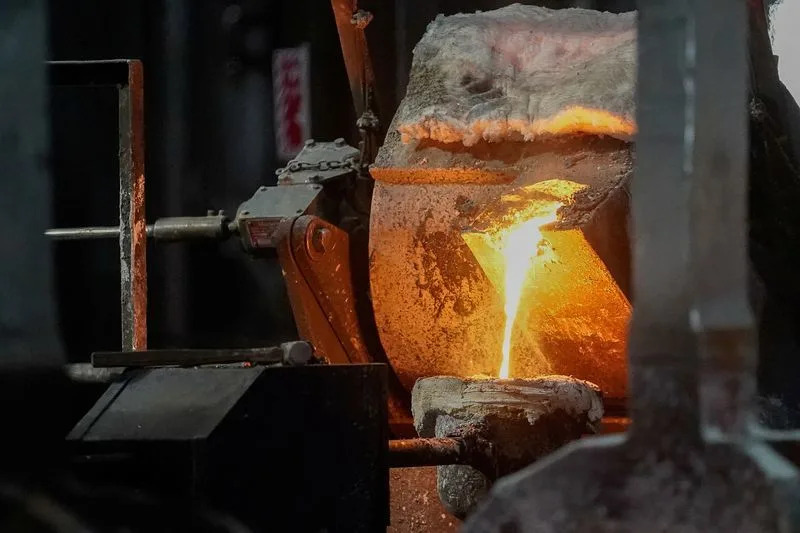
FILE PHOTO: Molten metal is poured into carbon anodes at Century Aluminum Company in Hawesville, Kentucky, U.S. May 14, 2019. REUTERS/Bryan Woolston/File Photo
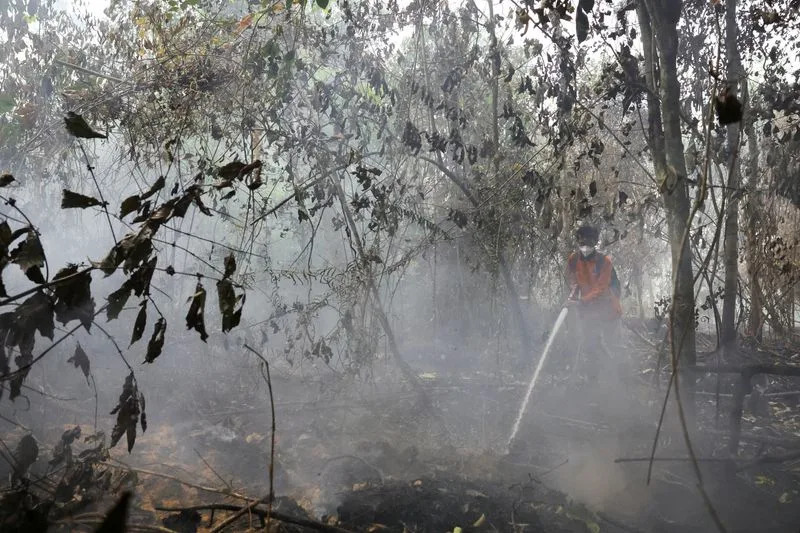
FILE PHOTO: A staff member of the Regional Disaster Agency (BPBD) uses a hose to extinguish a fire in a peatland area burnt by wildfires, in Kubu Raya, West Kalimantan province, Indonesia, September 15, 2026. REUTERS/Ajeng Dinar Ulfiana/ File Photo
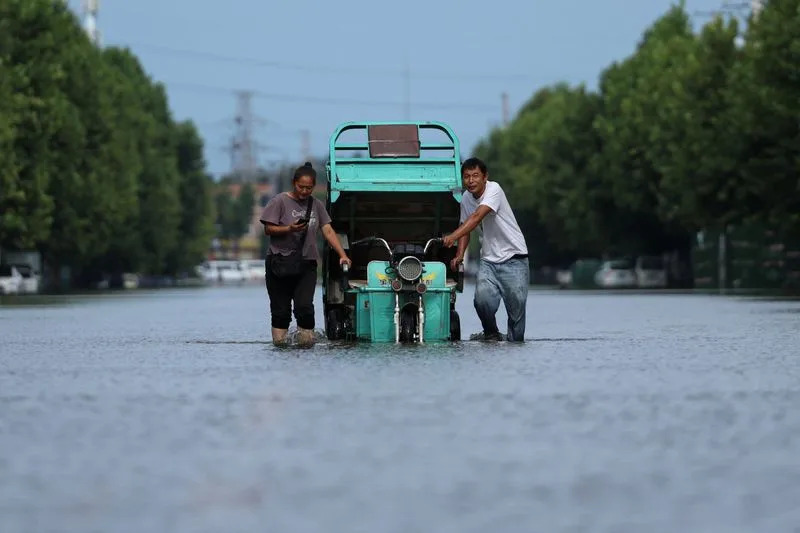
FILE PHOTO: Residents push a vehicle as they wade through a flooded street, following heavy rainfall brought by remnants of Typhoon Dolphin, in Xuchang, Henan province, China August 13, 2026. REUTERS/Tingshu Wang/ File Photo
Help us improve.