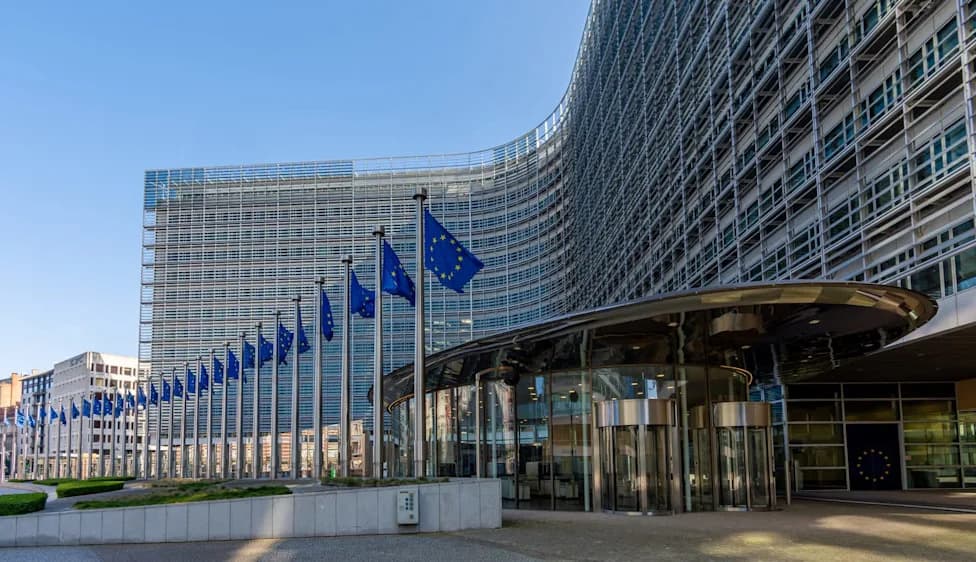
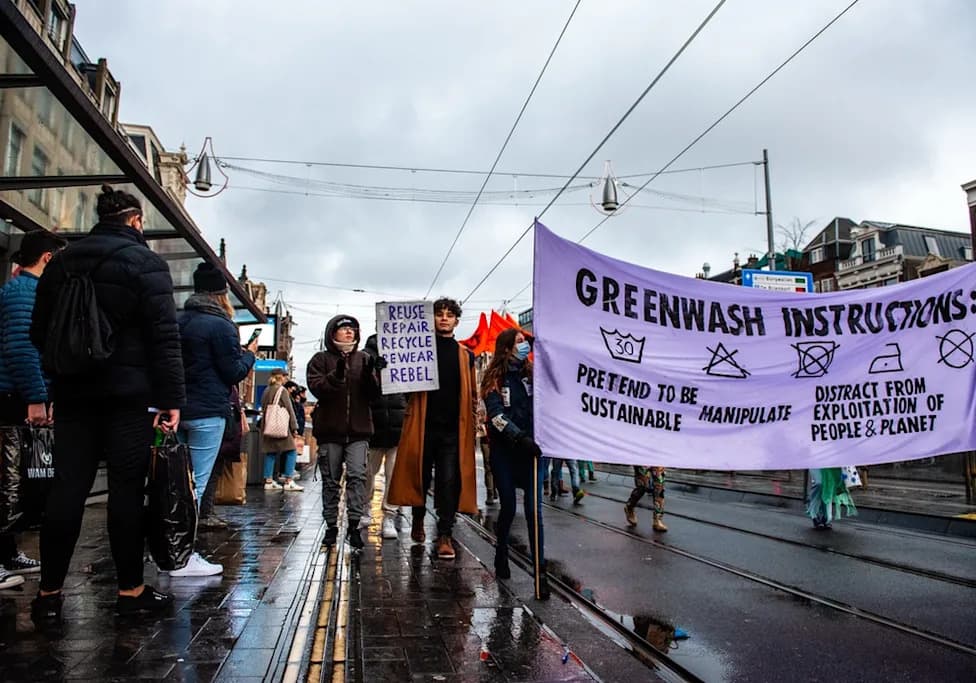
European regulators have tightened the rules on vague environmental marketing. Hotels that once used labels like "eco," "green" or "sustainable" as shorthand now face closer scrutiny: generic claims can be treated as formal environmental promises that must be proven or removed.
UK ASA Rulings: A Warning Shot
On September 9, 2026, the UK's Advertising Standards Authority (ASA) issued rulings against Thomas Cook, loveholidays and DialAFlight for ads using terms such as "eco resort," "eco hotel" and "eco-conscious resort." The ASA concluded that consumers were likely to interpret these phrases as promises of environmental benefits, and found the ads misleading because they did not explain or substantiate those benefits.
The ASA discovered the adverts using its AI-powered Active Ad Monitoring system. Notably, the regulator ruled that even wording automatically generated by ad platforms — or words embedded in a property's name — can amount to an environmental claim.
EU Directive (EU) 2024/825 — What It Means
Directive (EU) 2024/825, the Empowering Consumers for the Green Transition Directive, was adopted in 2024 and comes into application on September 27, 2026. The directive tightens the rules on environmental claims across the EU and adds several generic green statements to a blocklist of practices considered unfair in all circumstances unless strict conditions are met.
- Generic Claims Prohibited Unless Substantiated: Terms such as "environmentally friendly," "eco-friendly," "green," "climate friendly" and "carbon friendly" are disallowed unless the business can demonstrate recognized, excellent environmental performance relevant to the claim.
- Clear Qualifications Required: Any qualifications or limitations must be presented clearly and prominently — not hidden in fine print.
- Sustainability Labels: Private sustainability badges generally must be based on qualifying certification schemes to be used legally.
- No Relying Solely on Offsets: Claims that a stay is carbon neutral, reduced, or has a positive greenhouse-gas impact cannot be based solely on carbon offsetting.
Timeline and Transposition
EU member states had until March 27, 2026, to transpose the directive into national law. The European Commission confirms the directive enters into application on September 27, 2026, from which date businesses must comply with the new rules for consumer-facing environmental claims and sustainability labels.
Penalties and Enforcement
Enforcement and fines are applied at national level. Authorities will weigh factors such as the seriousness and duration of the breach and whether the business corrected it. For serious cross-border infringements, EU consumer-protection rules allow maximum fines of at least 4% of annual turnover in the affected member states. In the UK, broader consumer-protection provisions allow the Competition and Markets Authority and courts to impose penalties of up to 10% of global turnover for breaches of consumer law.
What Hotels Should Do Now
Hotel operators and online travel sellers should act promptly to avoid enforcement risk. Practical next steps include:
- Audit websites, booking engines, paid search ads, social media, OTA listings, sustainability pages and badges for generic or unsubstantiated environmental claims.
- Remove or revise phrases like "eco," "green," or "eco-friendly" unless supported by specific, measurable and third-party-recognized evidence.
- Ensure any sustainability labels are based on qualifying certification schemes and display qualifying information prominently.
- Reassess claims about carbon neutrality or positive climate impact and avoid relying solely on offsets without transparent, verifiable methodology.
- Document substantiation and be ready to present evidence to authorities or consumers.
Bottom line: The word "green" is no longer a marketing shortcut. Across Europe, it is now a regulatory claim that must be proven — and hotels that fail to substantiate environmental statements risk enforcement action and fines.