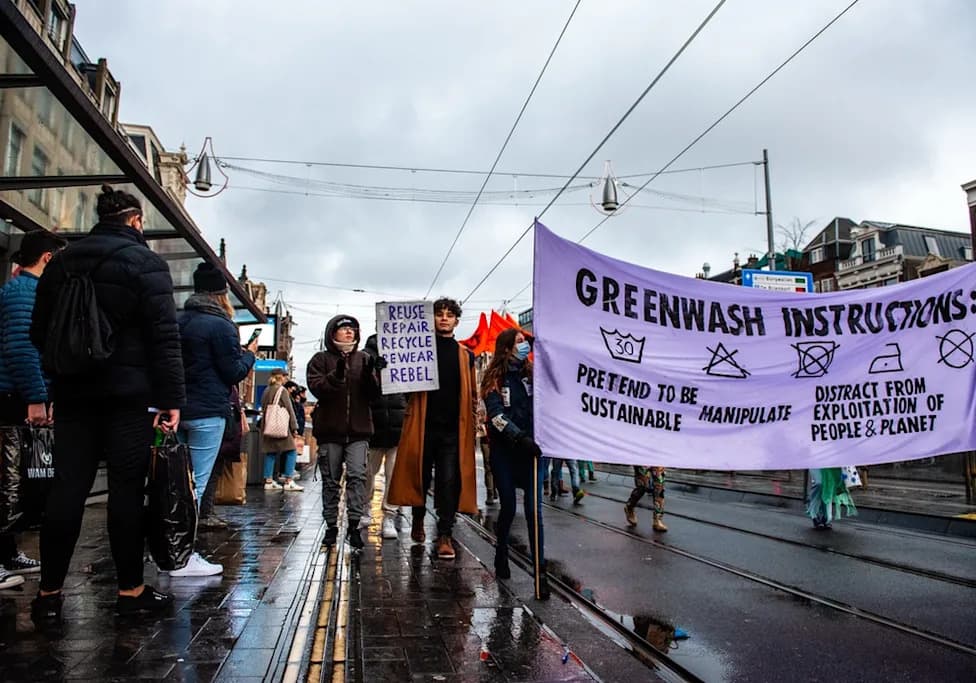
The EU's Directive on Empowering Consumers for the Green Transition is now in force, tightening rules on environmental marketing and product durability. Broad sustainability terms like "environmentally friendly" and offset-based emissions claims must be substantiated. Sustainability labels are limited to official schemes, guarantees must be more visible, and repairability and durability assertions must be provable. Companies making future climate commitments must publish independently verified implementation plans with clear timelines and resources.
No More Vague ‘Eco’ Claims: EU Bans Unsubstantiated Sustainability Marketing and Hidden Obsolescence
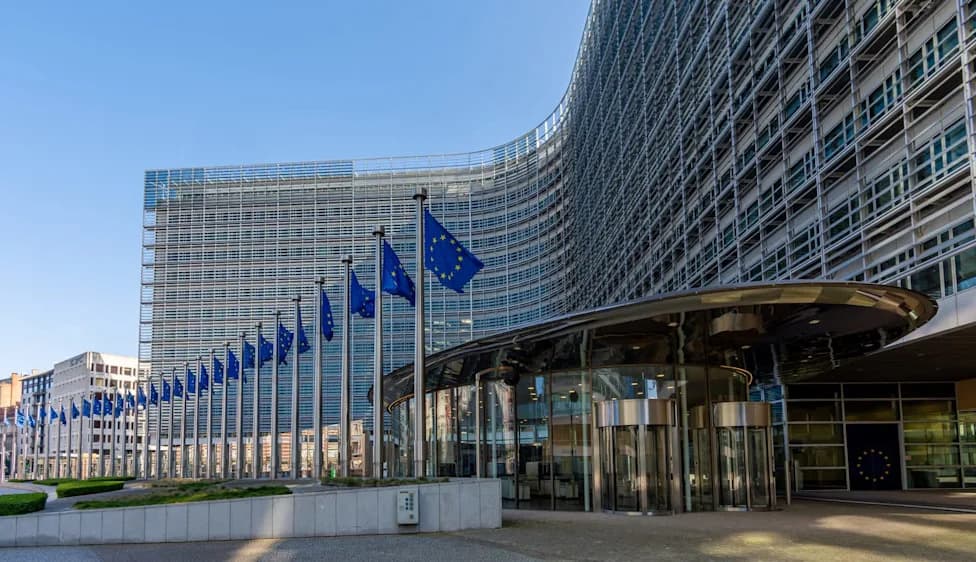
Photo Credit: iStock
Consumers across the European Union now have stronger protections against vague sustainability marketing and hidden product obsolescence following the entry into force of the EU Directive on Empowering Consumers for the Green Transition. The directive clarifies how businesses must substantiate claims about durability, repairability and environmental performance.
What the Directive Changes
Clearer rules on environmental claims. Companies may no longer use broad, promotional terms such as "environmentally friendly" or "biodegradable" unless they can provide clear, verifiable evidence. The directive specifically targets unsubstantiated or misleading language in marketing and on product packaging.
Limits on offset-based claims. Messaging that frames a product as neutral, low, or beneficial in greenhouse gas emissions is restricted when the claim relies primarily on carbon offsetting schemes rather than demonstrable emission reductions.
Labels, Guarantees and Repairability
Sustainability labels and eco-marks will be more tightly controlled: only labels linked to official certification schemes or public authorities will be permitted. Guarantee information must be displayed more prominently, and a standardized label will help consumers identify products with longer guarantees at a glance.
Firms are prohibited from making durability or repairability claims they cannot substantiate. That includes preventing practices that encourage premature replacement of parts or whole products, or claiming a product is repairable when spare parts, manuals, or repair services are not reasonably available.
Long-Term Climate Claims and Verification
Companies that make long-term climate commitments must publish realistic implementation plans that set out timelines, milestones and dedicated resources. Those plans must be reviewed and verified by an independent third-party expert before being used in marketing or public communications.
Context and Enforcement
Adopted in 2024, the measure updates existing consumer-protection rules including the Unfair Commercial Practices Directive and the Consumer Rights Directive to better reflect circular-economy and green-transition objectives. When proposing the reforms, the European Commission referenced research showing that more than half of environmental claims in the EU were vague or misleading and that around 40% lacked substantiation.
Everyday Examples
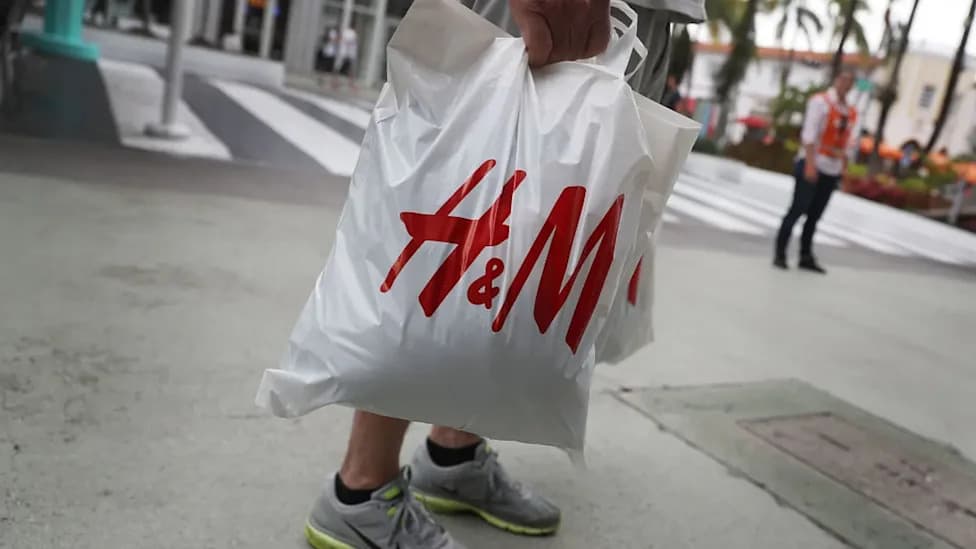
- Investigations found some retailers used misleading recyclable-packaging claims that obscured the material's ultimate fate.
- A reported warranty process required a customer to destroy a defective product before receiving a replacement, highlighting repairability and warranty-design problems.
- Shoppers flagged confusing or unverified recyclable-packaging claims from consumer brands as examples of greenwashing.
Taken together, these changes aim to make sustainability claims more trustworthy and to extend product lifespans through better information, enforceable guarantees and restrictions on misleading marketing.
Help us improve.