Senate Bill 1305 would direct California's Department of Fish and Wildlife to prepare a roadmap assessing whether grizzly reintroduction is "feasible and advisable." Supporters—including at least 40 tribes and conservation groups—point to a 2025 study that identified several mountain regions as potentially suitable and estimated a carrying capacity of 424–1,713 bears, proposing an initial cohort of about 25. Opponents cite public-safety, livestock and agency-capacity concerns, and the bill contains no dedicated funding.
California Considers Study To Explore Reintroducing Grizzly Bears After Century-Long Absence
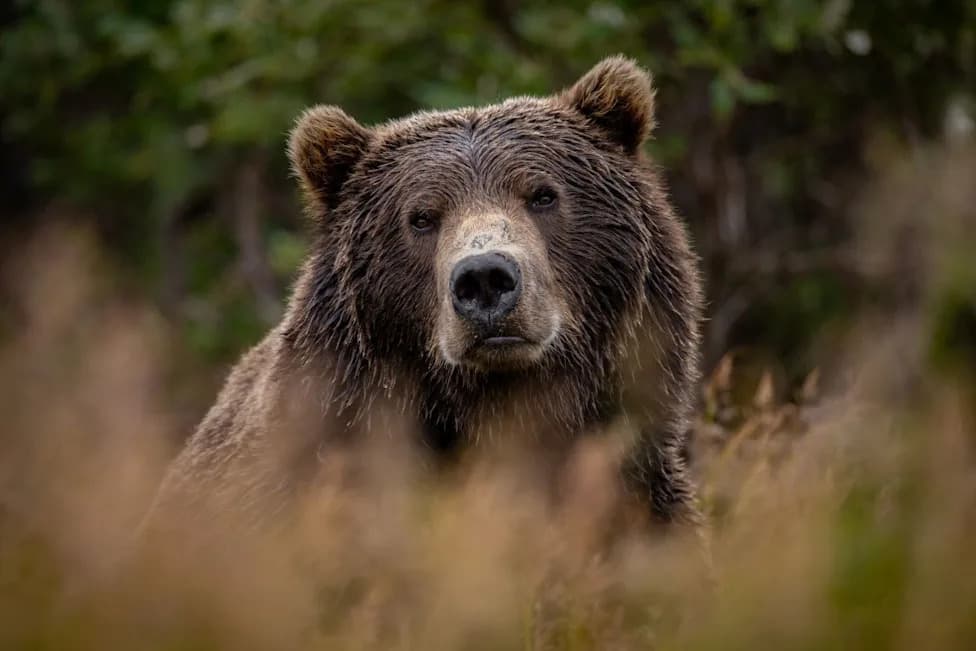
Photo Credit: iStock
California's iconic grizzly, absent from the state's wildlands for roughly a century, has returned to public debate as lawmakers weigh whether restoring the species is possible—and prudent—today.
What The Proposal Would Do
Senate Bill 1305, introduced by Inglewood Democratic Sen. Laura Richardson, would not authorize immediate releases of grizzly bears. Instead, it would direct the California Department of Fish and Wildlife (CDFW) to produce a roadmap assessing whether and under what conditions grizzly reintroduction is "feasible and advisable." The proposal is currently awaiting consideration by the Assembly Appropriations Committee after the legislature reconvenes on Aug. 3, according to CalMatters.
Historical Context
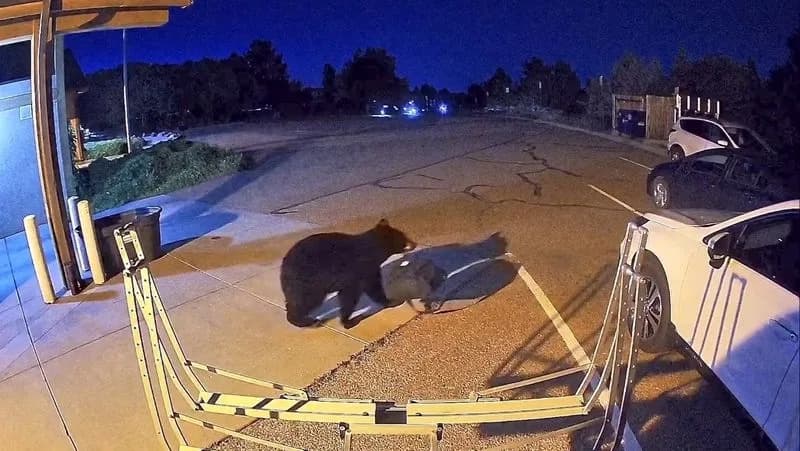
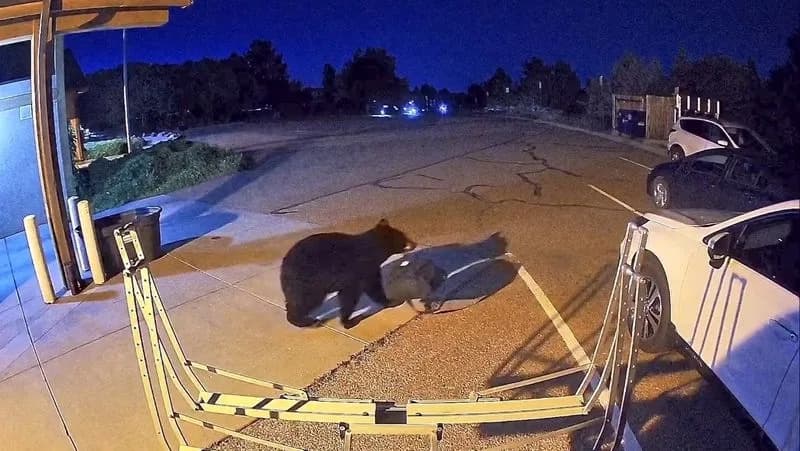
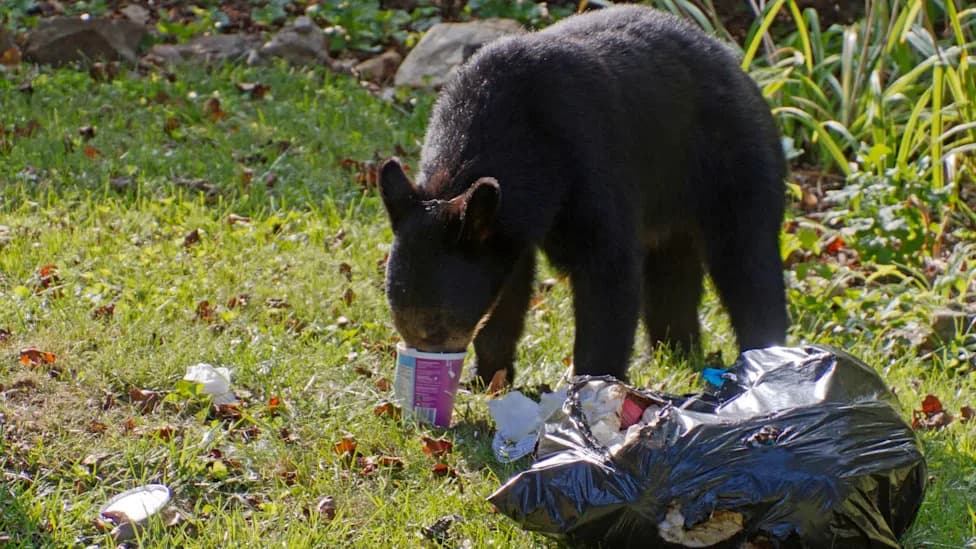
Before the Gold Rush, grizzlies were thought to number as many as 10,000 across much of what is now California. Systematic eradication by settlers led to the species' disappearance from the state by the 1920s, leaving black bears as California's only remaining native bear.
Supporters' Case
Supporters—including at least 40 tribes, environmental groups and animal-welfare organizations—argue that restoring an apex predator could help reestablish ecological processes that have been disrupted for generations. They point to research suggesting benefits to prey population balance, soil health and landscape resilience to wildfire.
Tiana Williams-Claussen, director of the Yurok Tribe's wildlife department, told lawmakers: "I can see the ways in which my homeland has suffered from the loss of iconic species such as the grizzly, and that this loss lingers in our heart and in the attenuation of a millennia-old relationship."
A 2025 study by tribes, conservation groups and university researchers identified the Klamath Mountains, Trinity Alps, southern Sierra Nevada and parts of the Transverse Ranges as potentially suitable habitat. That analysis estimated the combined carrying capacity in those regions at roughly 424 to 1,713 grizzlies and proposed an initial reintroduction cohort of about 25 animals.
Opposition And Concerns
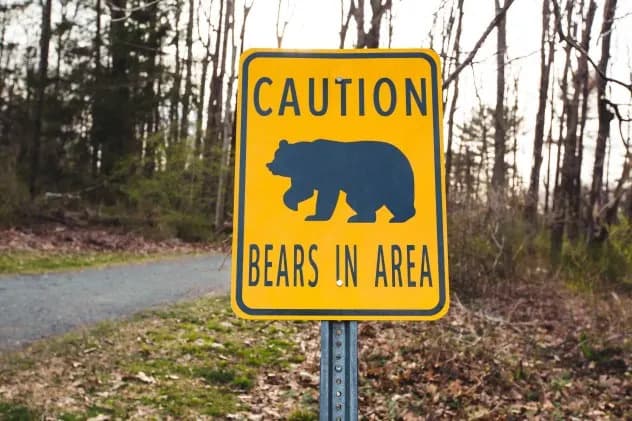
Opponents—including some Republicans, ranchers, hunting organizations and many rural residents—say California today may not be ready for another large predator. They raise concerns about human safety, livestock losses and the strain on already burdened wildlife-management agencies.
Republican Assembly Member Heather Hadwick warned, "I just don't think that our California today is ready for a grizzly bear."
Elizabeth Washoe of Modoc County cautioned that reintroduction could also be unfair to the bears themselves because modern California is much more populated, increasing the likelihood of dangerous human–bear encounters.
Practical Hurdles
Even the limited step of commissioning a study faces obstacles. The bill contains no dedicated funding, and the CDFW has said it is already stretched thin. A legislative analysis cited by CalMatters found the department currently has resources to complete only about 38% of its existing duties.
Former CDFW spokesperson Jordan Traverso told Alta Journal (as reported by CalMatters): "Bringing another predator into the state that we would have to manage and come up with some program to figure out what happens when the grizzly attacks a human or kills livestock does not seem feasible for us."
What Comes Next
At this stage, lawmakers are deciding only whether to commission a study—not whether to reintroduce grizzlies. Supporters say a formal, funded study would allow California to evaluate habitat suitability, public-safety implications, livestock impacts and long-term management needs before any decision to move forward. Opponents say those questions underscore why the state should not proceed.
Bottom line: SB 1305 would start a fact-finding and planning process rather than immediate reintroduction; the outcome will hinge on scientific findings, funding decisions, and political judgment about public safety and land use.
Help us improve.