Governor Gavin Newsom is poised to sign A.B. 2218, which would codify government-to-government tribal consultation on water policy for California’s 109 tribes, even as he may approve S.B. 886 and S.B. 887 on data centers that do not guarantee the same consultation. Legal experts and tribal leaders say California’s tribal consultation process is often reactive, leaving communities to challenge developments after investments are made. While the data center bills close some technical loopholes, they stop short of creating a standing consultation duty—raising legal, environmental and political risks that Native voters and activists are watching closely.
Newsom’s Data Center Bills Threaten Tribal Consultation Gains — And Native Voters Are Watching

Gavin Newsom’s Data Center Plans May Cost Him the Native Vote
Governor Gavin Newsom faces a political and policy crossroads: he is expected to sign A.B. 2218, which would enshrine a statutory government-to-government role for California’s 109 federally recognized tribes in water policymaking, while also likely approving two data center bills, S.B. 886 and S.B. 887, that contain no comparable, standing tribal consultation requirement.
Why This Matters
The Karuk Tribe, a co-sponsor of A.B. 2218, says the bill would require state agencies to acknowledge and address water inequities caused by past state actions—termination, removal and assimilation—and to consult tribes on water-related decisions regardless of whether an environmental review is triggered. That guaranteed consultation would be written directly into statute, rather than relying on reactive triggers.
Where The Data Center Bills Fall Short
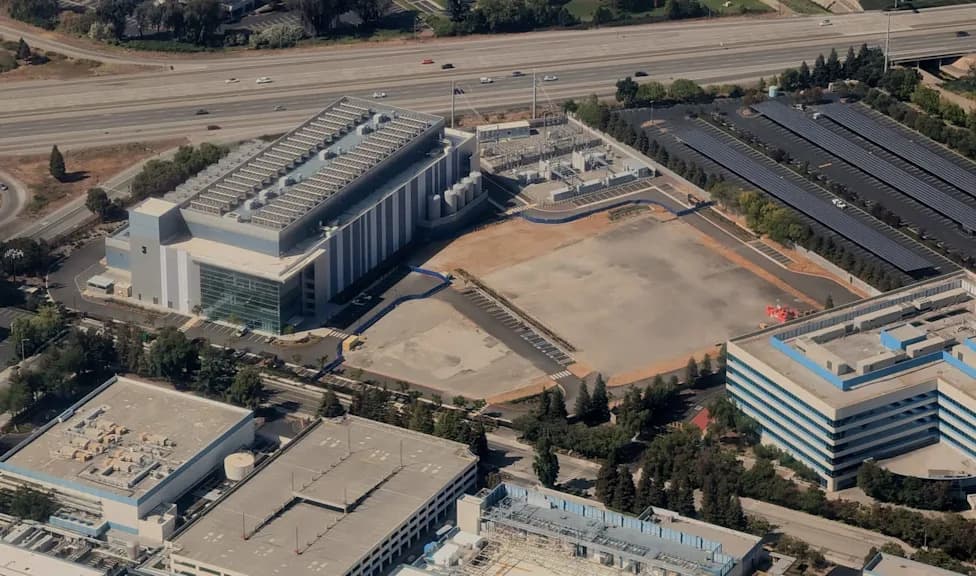
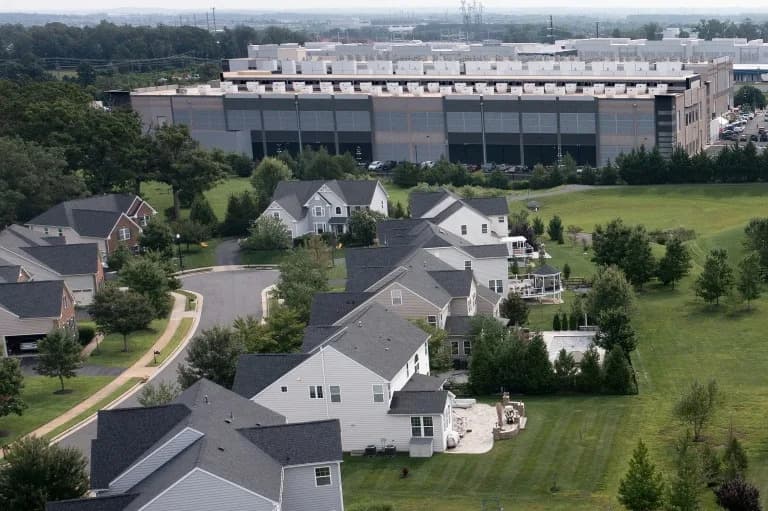
By contrast, S.B. 886 and S.B. 887 aim to regulate the rapidly expanding hyperscale data center industry but do not establish a standing government-to-government consultation requirement for tribal nations. S.B. 887 closes a loophole by barring categorical exemptions that let some projects avoid environmental review; S.B. 886 requires data centers larger than 25 megawatts to internalize certain costs, including contributions tied to wildfire mitigation and environmental programs. Neither bill, however, embeds tribal consultation into the process.
Real-World Stakes
Honor the Earth’s tracker shows at least 106 proposed or operational data centers on or near Native lands nationwide — part of the broader stress that touches a meaningful share of the country’s 575 federally recognized tribes. In California, the current consultation system is often reactive: when a project triggers environmental review, tribes may be notified and can request consultation, but projects on or near tribal lands frequently proceed through permitting long before tribes or the public are fully engaged.
“By the time tribes and the public know what’s happening, companies have already spent too much money,” says Jessie Barrington, an attorney who specializes in tribal consultation law. “Consultation becomes an afterthought — just a box to check.”
Legal And Political Flashpoints
That after-the-fact experience carries legal risk. In 2025 California Attorney General Rob Bonta intervened in litigation challenging approval of a 108,425-square-foot development in San Benito that sits within Juristac, a tribal cultural landscape significant to the Amah Mutsun Tribal Band. Bonta argued the county’s environmental review violated CEQA and failed to satisfy consultation requirements—an example of how skipped consultation can trigger costly litigation.
Imperial County — home to the Fort Yuma Quechan and Torres Martinez Desert Cahuilla Indians — is one of two California locations identified by a Next10–Santa Clara University study as having the worst overlap of water scarcity and social vulnerability related to data center expansion. A proposed one-million-square-foot data center there is already tied up in litigation over the kinds of consultation gaps these bills do not remedy.
Broader Consequences
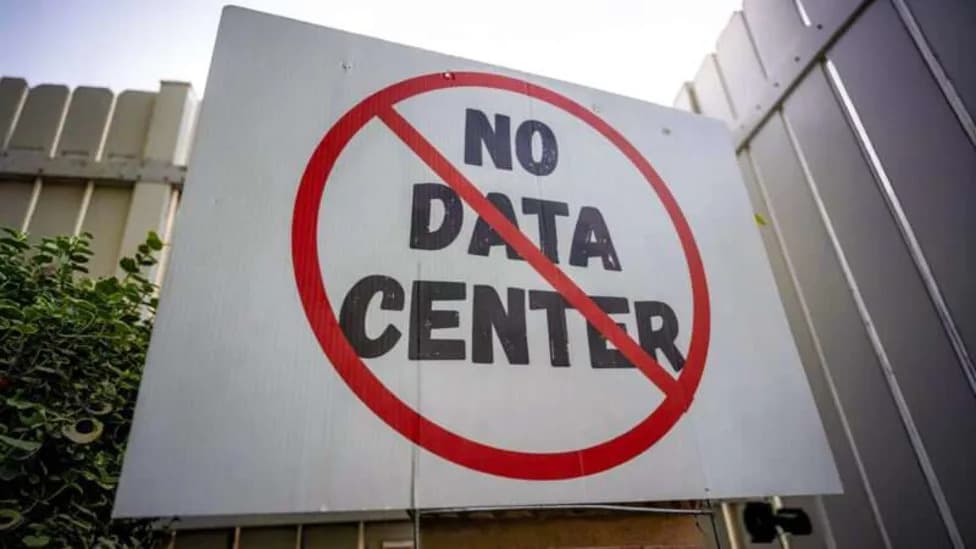
Delaying or omitting early tribal engagement hurts communities and environmental outcomes and undermines public trust. A July 2026 Public Policy Institute of California poll found that 73 percent of Californians oppose data center construction in their own communities, suggesting sharp public resistance. For companies, poor-faith or belated consultation is not only an ethical failure but a financial risk: lawsuits, injunctions and reputational damage can be more costly than negotiating agreements up front.
National Implications
Some tribes are not waiting for state solutions: the Cherokee Nation, Sault Ste. Marie Tribe of Chippewa Indians and Seminole Nation have used sovereign authority to ban hyperscale data centers on their lands. California’s laws often set a national example, and political scientists warn that a gap in the state’s approach to tribal consultation could be emulated elsewhere. Native voters are an important constituency in several swing states, and activists treating data center expansion as a national fight are watching Newsom’s decisions closely.
Conclusion
Signing A.B. 2218 would mark a meaningful advance in statutory tribal consultation on water policy. Approving S.B. 886 and S.B. 887 without also establishing a standing, government-to-government consultation mechanism risks undercutting that progress, leaving tribes to pursue remedies project by project and court by court. For a governor with national ambitions, the political cost of appearing to ignore tribal sovereignty and environmental justice could be significant.
Help us improve.