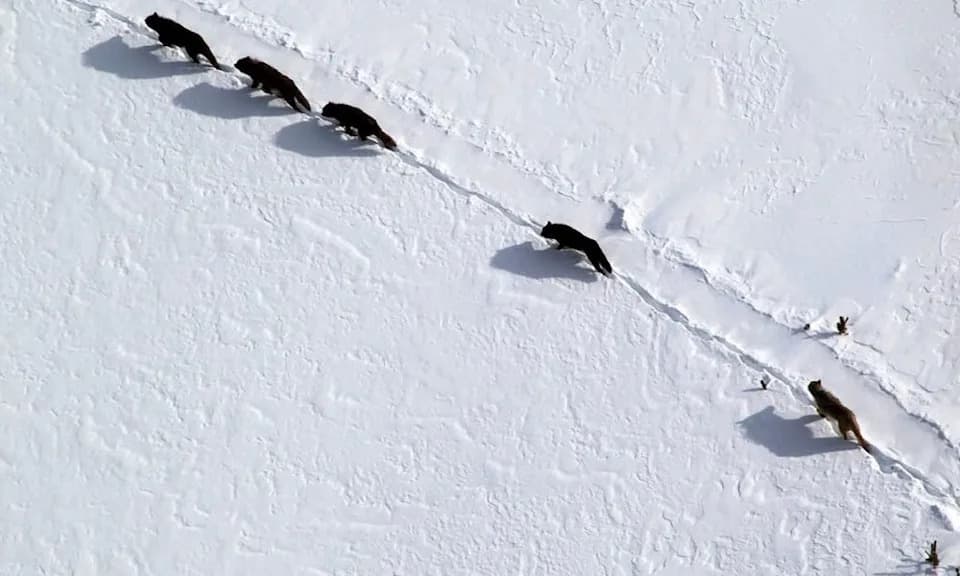
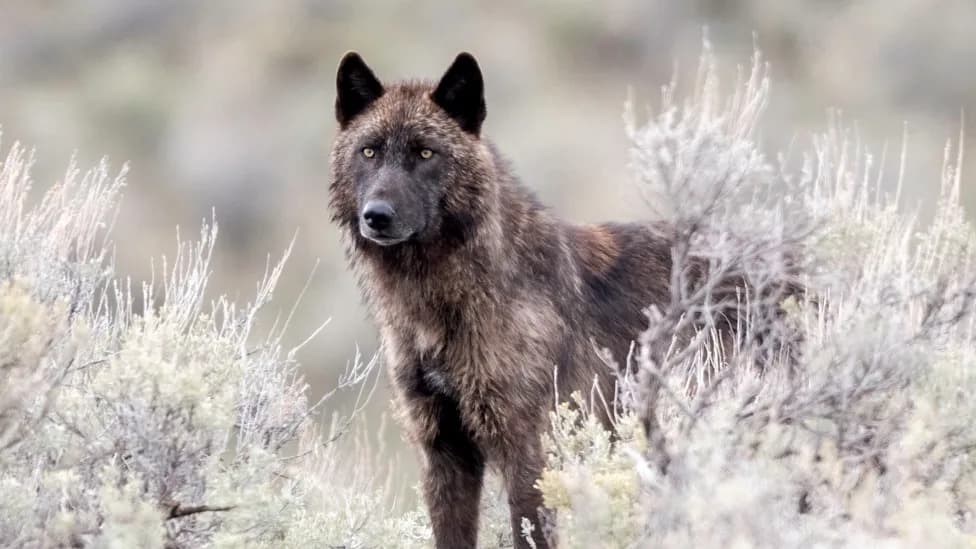
A TikTok video documents the start of Colorado's gray wolf reintroduction, showing wolves flown in by helicopter, examined by wildlife staff, and released at remote sites west of the Continental Divide. Voters approved the program in 2023, and the first 10 wolves were released in mid- to late December 2023 (five on December 18, plus five more in the following days). Wolves can reshape ecosystems by altering prey numbers and behavior, but Colorado's full ecological impacts will require years of monitoring and study.
Watch: Colorado Releases Wolves Back Into the Rockies After Decades Away
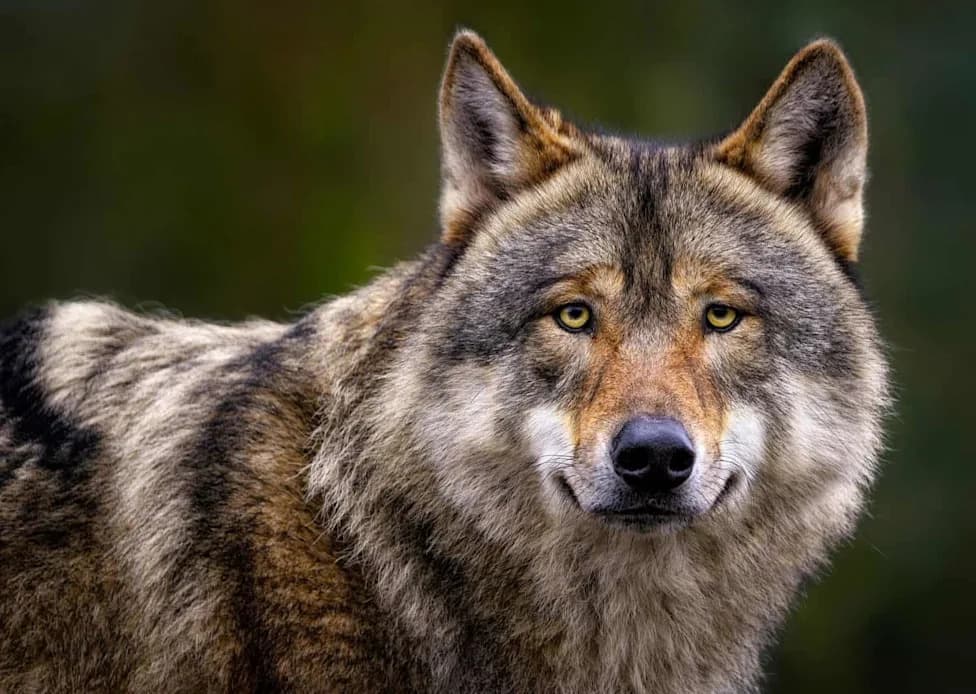
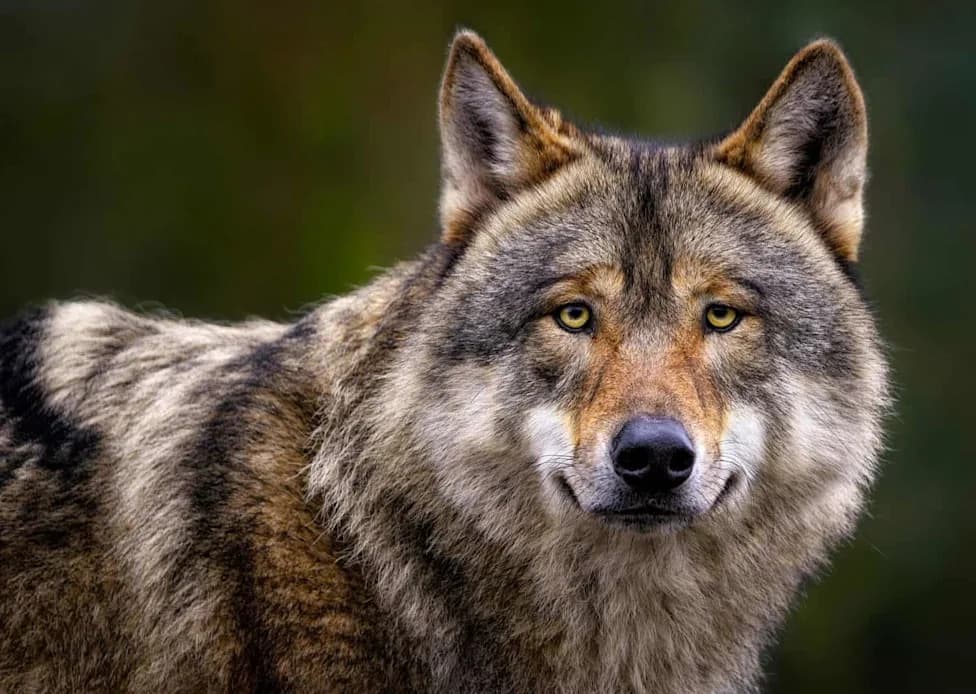
A close up of a Grey Wolf (Gray Wolf)© ambquinn/Shutterstock.com
A recently posted TikTok video provides a close-up look at the opening phase of Colorado's gray wolf reintroduction. The footage highlights the careful planning and veterinary oversight involved in moving wild wolves from Oregon to remote release sites west of the Continental Divide.
The clip shows wolves tranquilized for safe helicopter transport, then gently handled by wildlife staff. One animal is wrapped in a blanket, carried across a field for a final health check, and placed in a transport crate to recover. Once cleared by researchers, the crate door is opened and the wolf walks into its new surroundings.

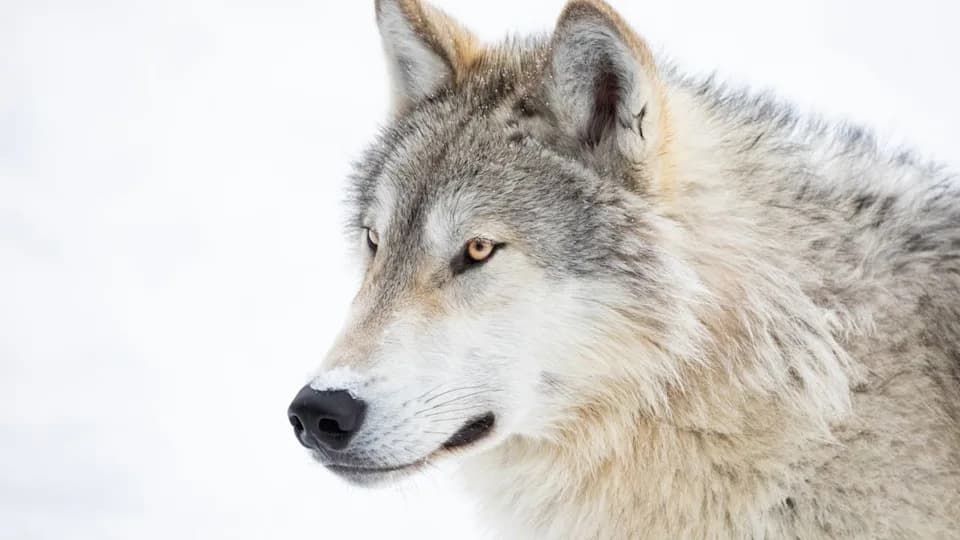
Gray wolves historically lived throughout Colorado before being extirpated from the state by the mid-20th century. Colorado began a voter-approved reintroduction program in 2023.©Galyna Andrushko/Shutterstock.com
Gray wolves were once native across Colorado but were extirpated by the mid-20th century. In 2023, Colorado voters approved a reintroduction program to restore wolves to portions of the state. The first group of five wolves was released on December 18, 2023; five more followed in the days after, bringing this initial effort to a total of ten animals.
Why Wolves Matter
As large predators, wolves can influence prey populations and behavior, with potential ripple effects through an ecosystem—an ecological process called a trophic cascade. Research from places such as Yellowstone National Park suggests wolves can contribute to declines in elk numbers and changes in herbivore behavior, which in turn may affect vegetation and scavenger dynamics. However, scientists caution that ecosystem responses are complex: climate, hunting, other predators, and water availability also shape outcomes.
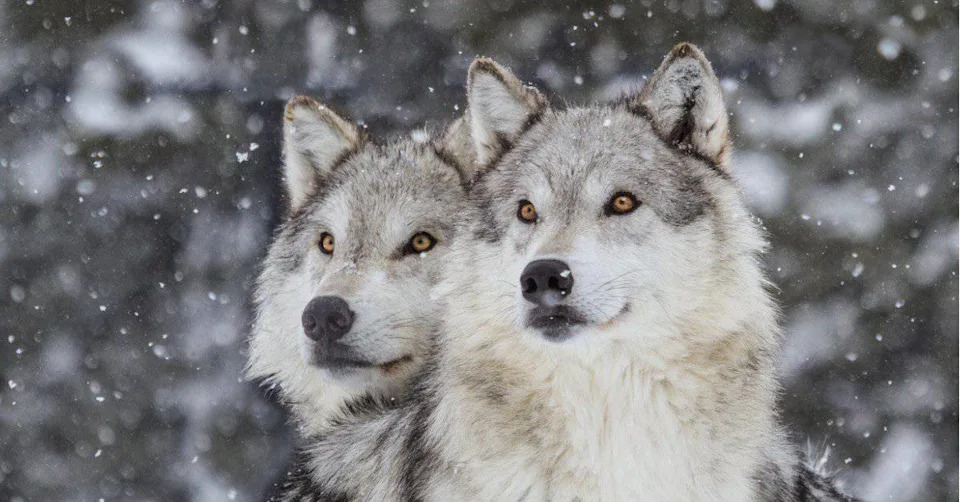
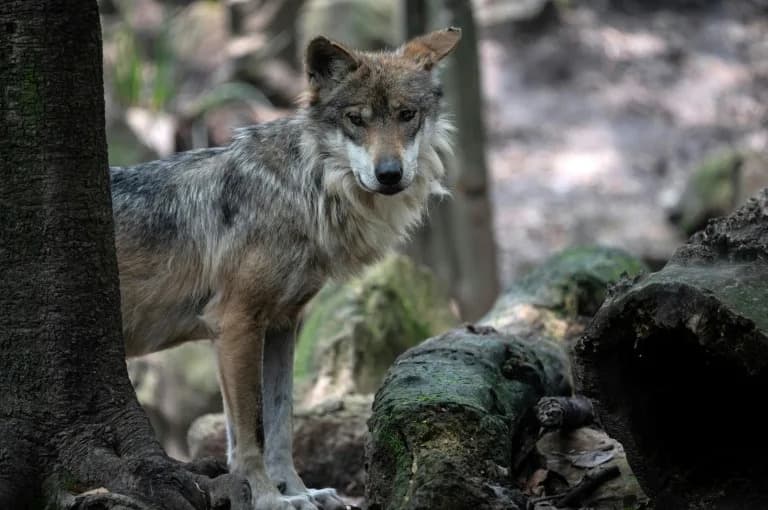
Mysterious Gray Animals©iStock.com/rogertrentham
Looking Ahead
Colorado wildlife managers emphasize that scientific monitoring will be critical. Researchers will track how reintroduced wolves interact with deer and elk, other predators, livestock, and people, and they will study broader ecological effects over years. Early footage offers a compelling look at the reintroduction logistics, but the long-term ecological and social consequences will take time and careful study to fully understand.
Image credit: ©Galyna Andrushko/Shutterstock.com
Help us improve.