Las Vegas has invested in deep infrastructure to keep drawing water from Lake Mead even as levels fall. The city built three intake lines over decades, culminating in the billion-dollar "Third Straw," whose intake sits around 860 ft above sea level—about 35 ft lower than Hoover Dam's dead-pool elevation (895 ft). While the Third Straw extends access, it does not create new water; sustained conservation and basin-wide solutions remain essential.
How Las Vegas Can Still Draw Water as Lake Mead Drops: The Role of the 'Third Straw'
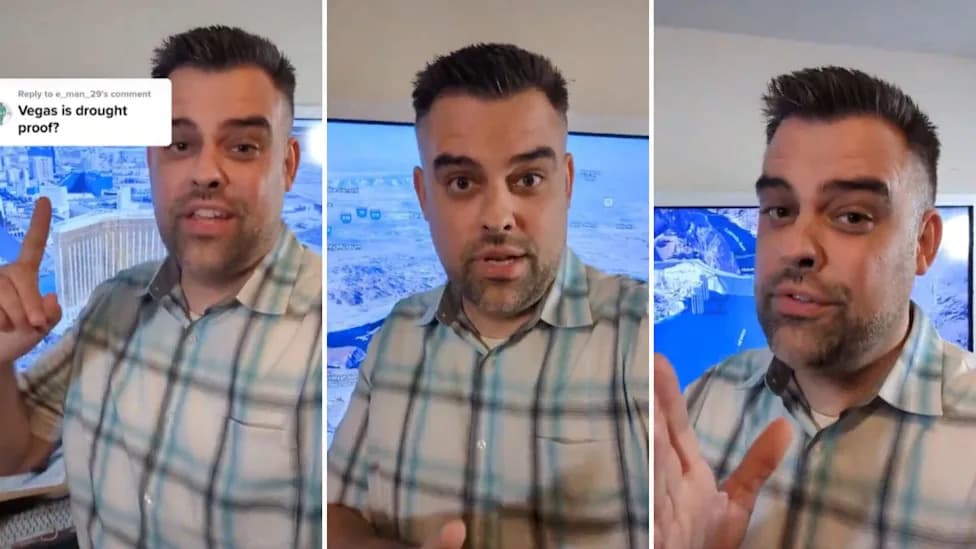
Photo Credit: TikTok
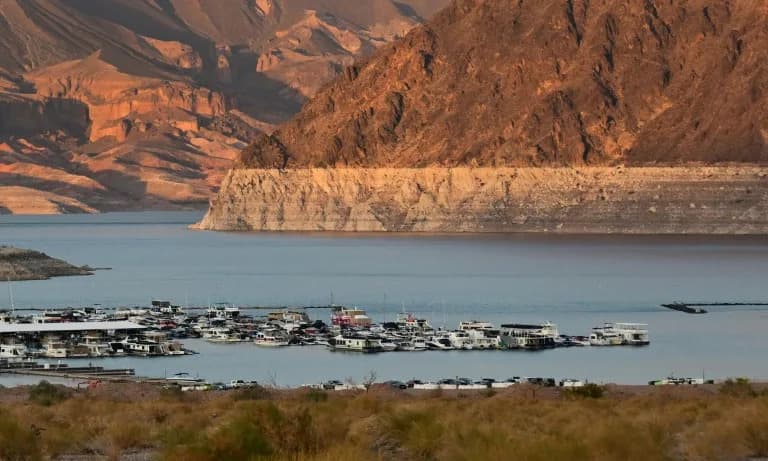
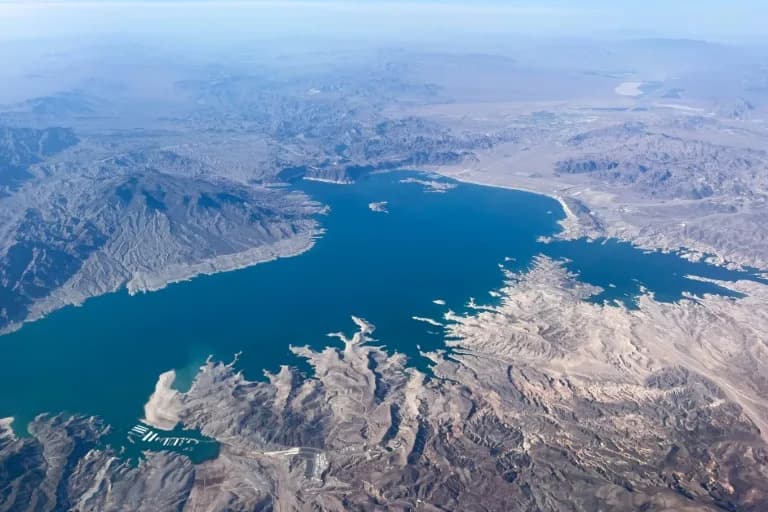
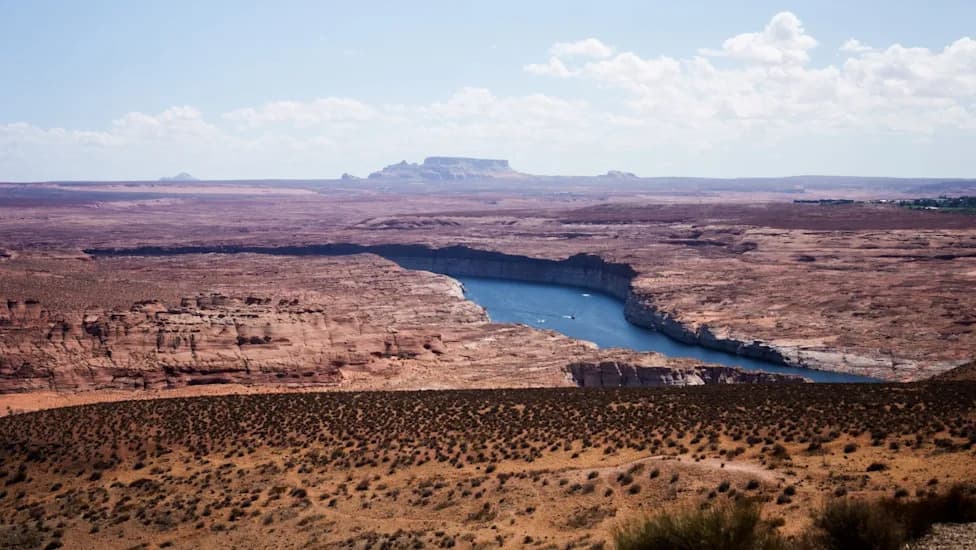
Lake Mead is one of the most closely watched reservoirs in the United States and a primary water source for Las Vegas. As the reservoir has fallen in recent years, the city has relied on more than luck—Las Vegas invested in deeper infrastructure to extend its access to the lake.
What Is the "Third Straw"?
The "Third Straw" is a deep intake tunnel built roughly two decades ago as part of a multibillion-dollar modernization and resilience effort. City leaders spent more than $1 billion on this project to connect a tunnel and pump system much farther below Lake Mead’s surface than the older intake lines.
Why It Matters
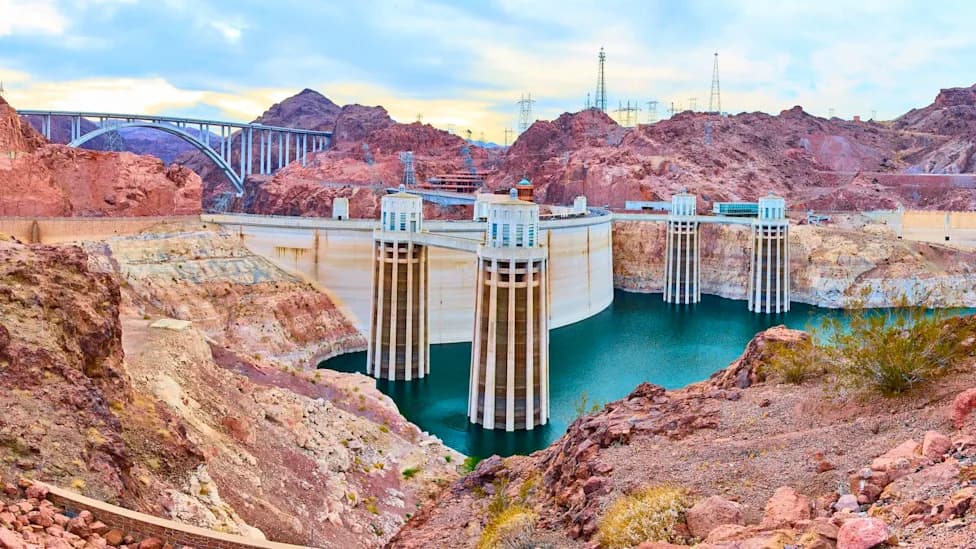
The key detail is elevation. Hoover Dam’s so-called "dead pool"—the level below which water can no longer pass through the dam’s outlets—is roughly 895 feet above sea level. The Third Straw’s intake sits at about 860 feet above sea level, roughly 35 feet lower. That difference means Las Vegas can continue drawing water from Lake Mead after the dam itself can no longer route water in the usual way.
“If it drops too far, they won't even be able to run water through Hoover Dam. This is what's called Deadpool.” —Armchair Engineer (TikTok)
What the Third Straw Does — and Doesn’t — Do
The Third Straw does not create new water or solve the Colorado River’s long-term supply challenges. Instead, it buys time and resilience: a deeper intake extends how long Las Vegas can withdraw from Lake Mead compared with older infrastructure.
For a desert metropolis dependent on the reservoir, that extra margin can be critical during prolonged dry periods. But having access to lower water levels is not a substitute for demand reduction. Las Vegas combines the deeper intake with aggressive conservation measures and water-efficiency programs so the Third Straw functions as a contingency, not a license to increase consumption.
Bottom Line
The Third Straw is a major engineering and planning success that extends Las Vegas’s water access as Lake Mead declines. However, it is only one tool among many—long-term solutions will require river-wide cooperation, continued conservation, and reduced demand across the Colorado River basin.
Help us improve.