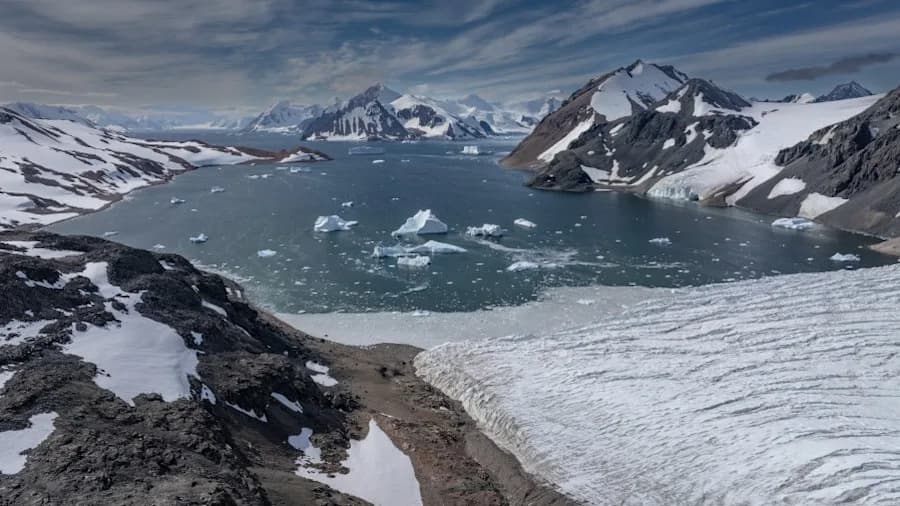
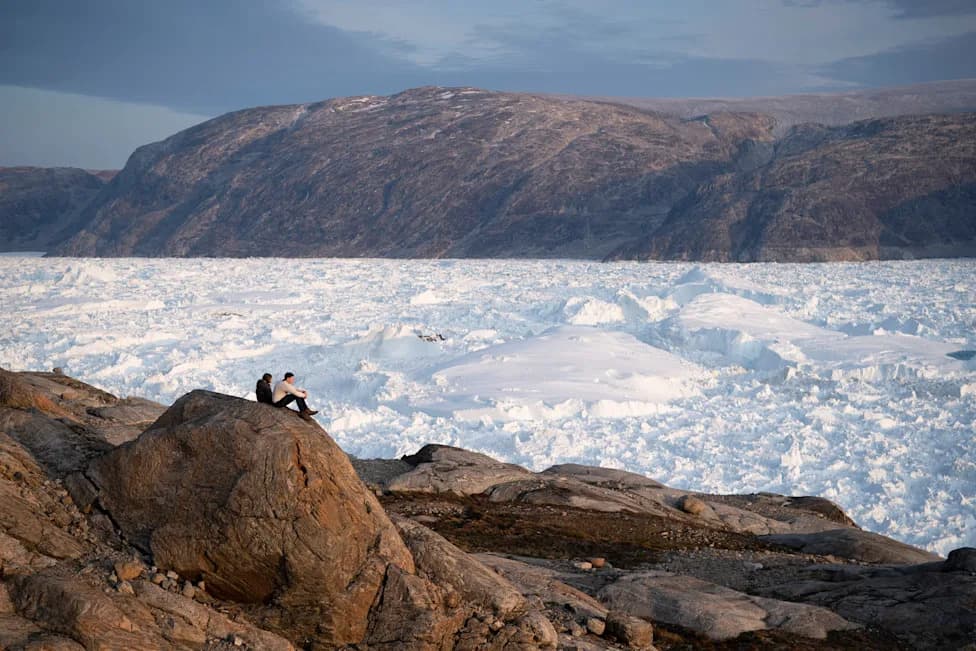
Antarctica is the world's largest desert because deserts are defined by low precipitation, not temperature. The continent receives about 2 inches (≈50 mm) of precipitation per year and covers roughly 5.4 million square miles (≈14 million km²), about 1.5 times the Sahara. Despite its dryness, Antarctica contains about 90% of Earth's ice and ~70% of its fresh water. NASA compares parts of Antarctica to Mars and tests robots there.
No Sand, No Heat: Why Antarctica Is the World's Largest Desert

The world’s biggest desert has zero sand and it is not where you think
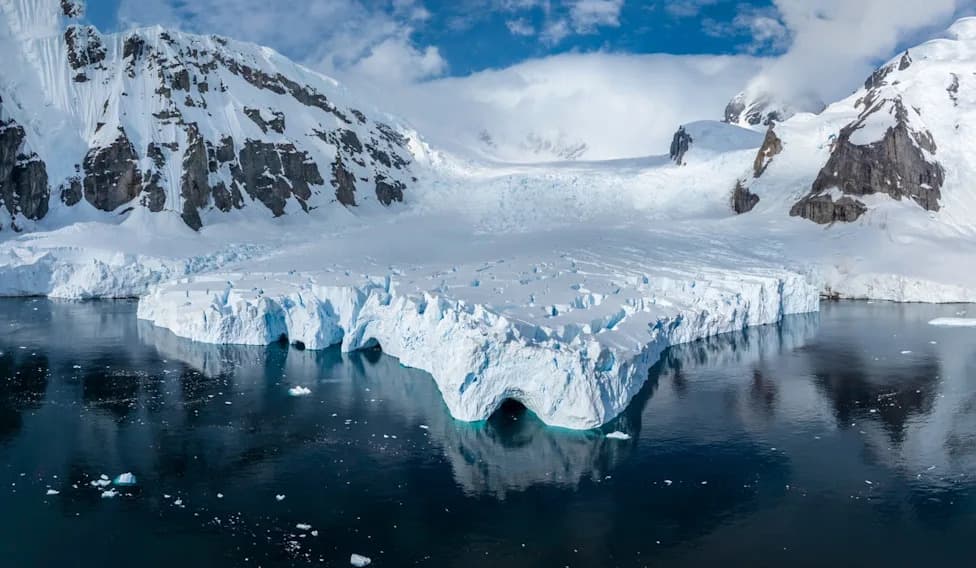
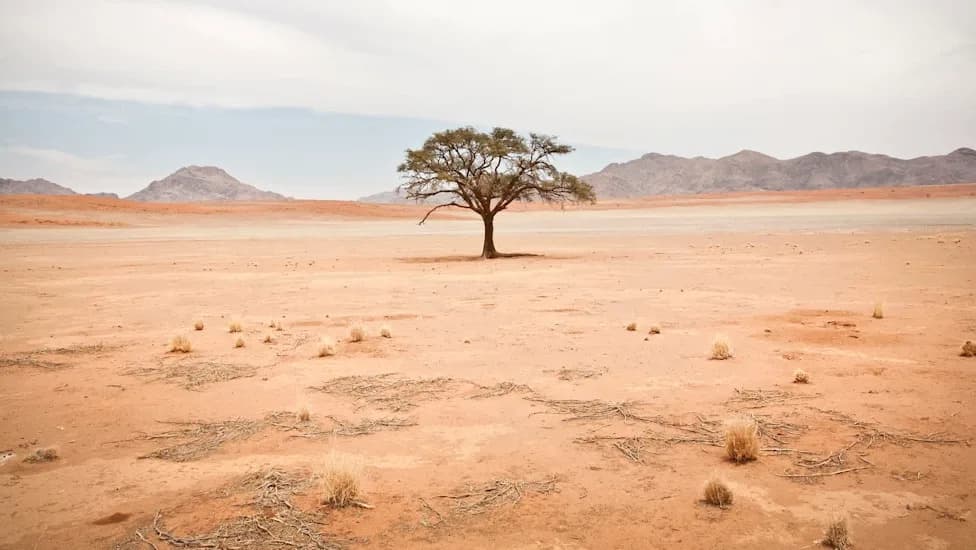
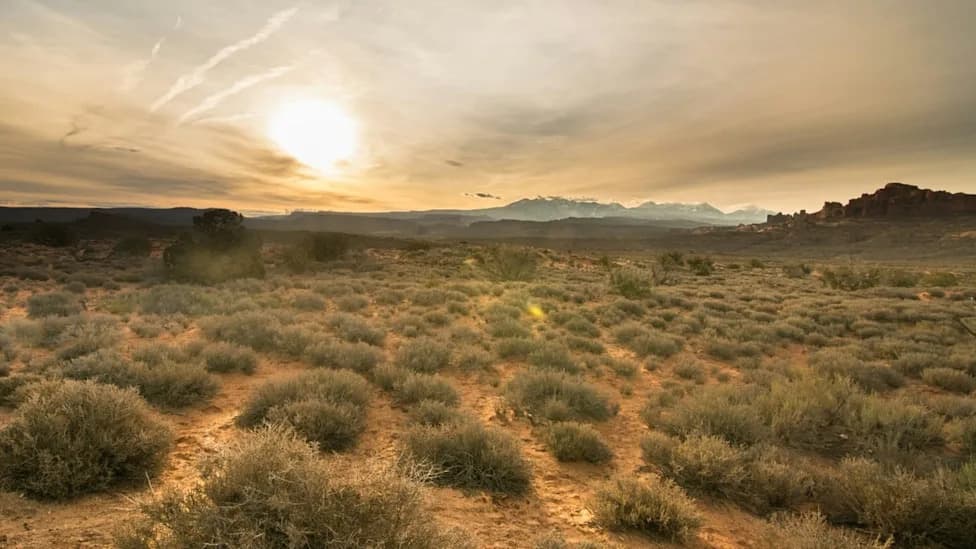
When most people picture a desert, they imagine scorching sand dunes or baked rock flats. The planet's largest desert, however, looks nothing like that: it is a frozen continent. Antarctica overturns the common assumption that deserts must be hot, replacing heat with extreme aridity.
What Defines a Desert?
Geologists and climatologists classify deserts by precipitation, not temperature. Deserts are typically defined as regions receiving about 10 inches (≈250 mm) of precipitation or less per year. By that measure, vast areas that are cold and icy still qualify as deserts because they receive very little new moisture annually.
Antarctica’s Aridity and Climate
According to the United States Antarctic Program, the interior of Antarctica receives only about 2 inches (≈50 mm) of precipitation per year on average, which firmly places it within the desert category. Much of the interior is effectively hyperarid; the McMurdo Dry Valleys, for example, are among the driest places on Earth.
How Can a Desert Be Buried in Ice?
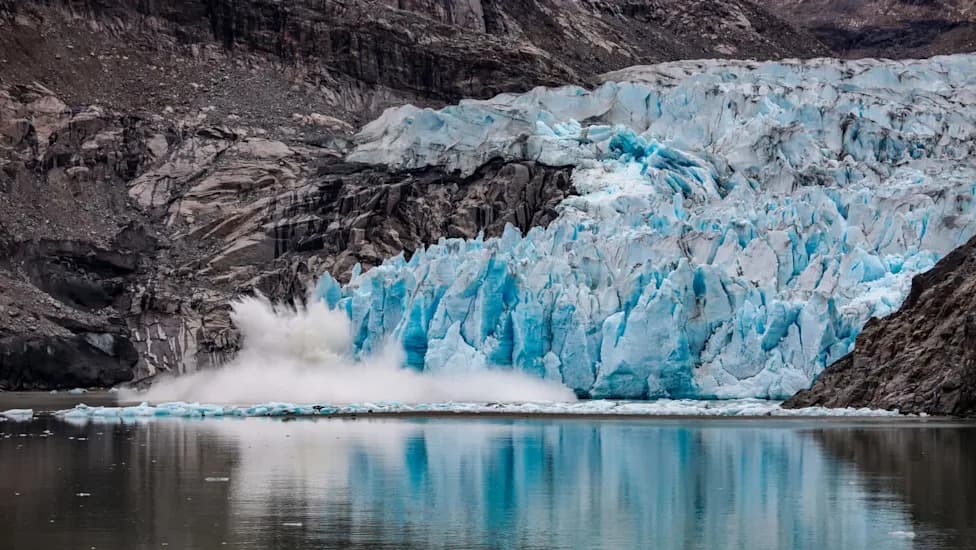
It seems paradoxical that a place receiving so little precipitation is buried under miles of ice. The explanation is time and temperature: the Antarctic ice sheet accumulated over millions of years and, because temperatures remain far below freezing, that ice does not melt away seasonally. Strong katabatic winds scour and redistribute snow and ice, sometimes causing sublimation (direct transition from ice to vapor) rather than new accumulation.
Size and Global Importance
Antarctica spans roughly 5.4 million square miles (≈14 million km²), making it about 1.5 times larger than the Sahara Desert. Despite its minimal annual precipitation, the Antarctic ice sheet holds about 90% of the world’s ice and roughly 70% of its fresh water—making it critically important to global sea level and climate systems.
Mars On Earth
Because of its extreme cold and dryness, NASA often compares parts of Antarctica to Mars. The continent has served as a testing ground for robots and instrumentation intended for Mars missions, helping researchers evaluate equipment under harsh, Mars-like conditions.
Antarctica challenges our assumptions: deserts are defined by scarcity of moisture, not by sand or heat. The continent is a stark reminder that climate and geology produce surprising extremes.
Help us improve.