A study in Environmental Research Letters projects that drylands could expand from a 1994–2023 baseline of about 38.58% of Earth's land to between 39.31% and 40.28% by 2071–2100. Researchers used meteorological records (1960–2023) and CMIP6 models and defined drylands by an aridity index below 0.65; hyper-arid zones are expected to grow the most. The paper highlights Australia, Brazil and parts of Africa as especially vulnerable and notes that higher CO2 can modestly reduce plant water loss, complicating projections. The authors call for emissions cuts, updated dryland mapping and restoration measures to reduce risks to water security, ecosystems and agriculture.
Study: Drylands Could Spread To Nearly 40% Of Earth's Land By 2100 — Australia Hit Hardest
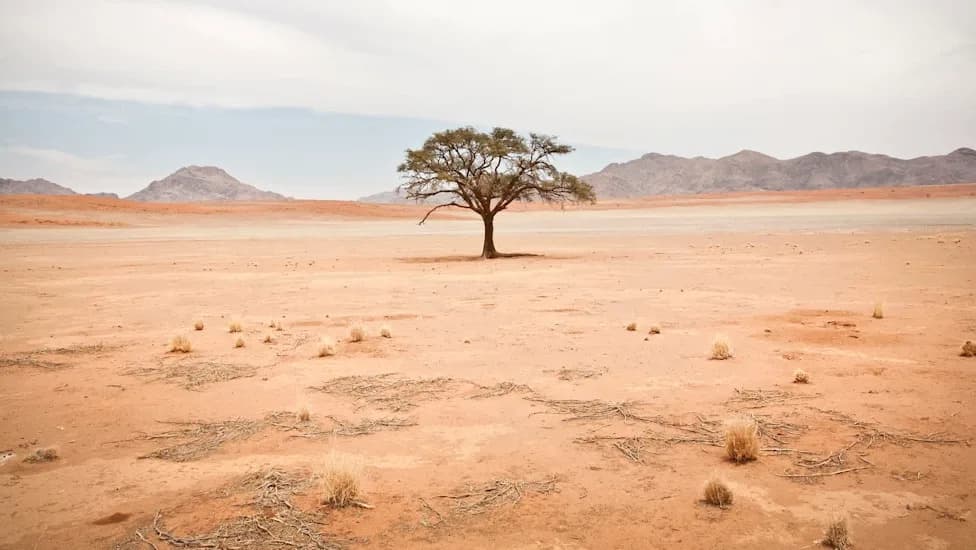
Photo Credit: iStock
New research published in Environmental Research Letters projects that dryland climates could expand across a much larger share of Earth's land by the end of this century, with serious consequences for water supplies, ecosystems and agriculture.
What the Study Found
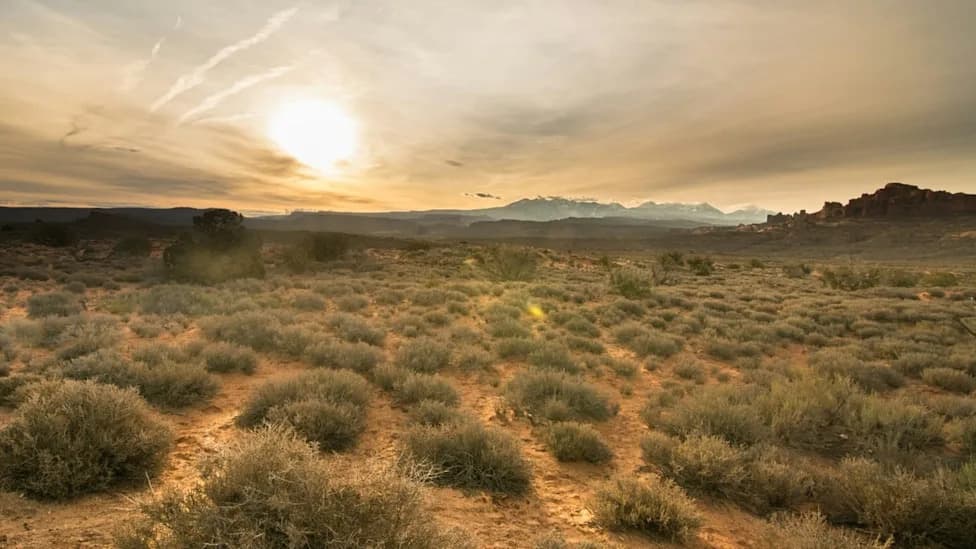
The authors estimate that drylands — measured over land outside Antarctica and defined by an aridity index below 0.65 — covered about 38.58% of Earth's land in the 1994–2023 baseline period. Using meteorological records from 1960–2023 together with climate projections from the CMIP6 model suite, they project that dryland coverage could rise to between 39.31% and 40.28% by 2071–2100.
Regional and Sectoral Impacts
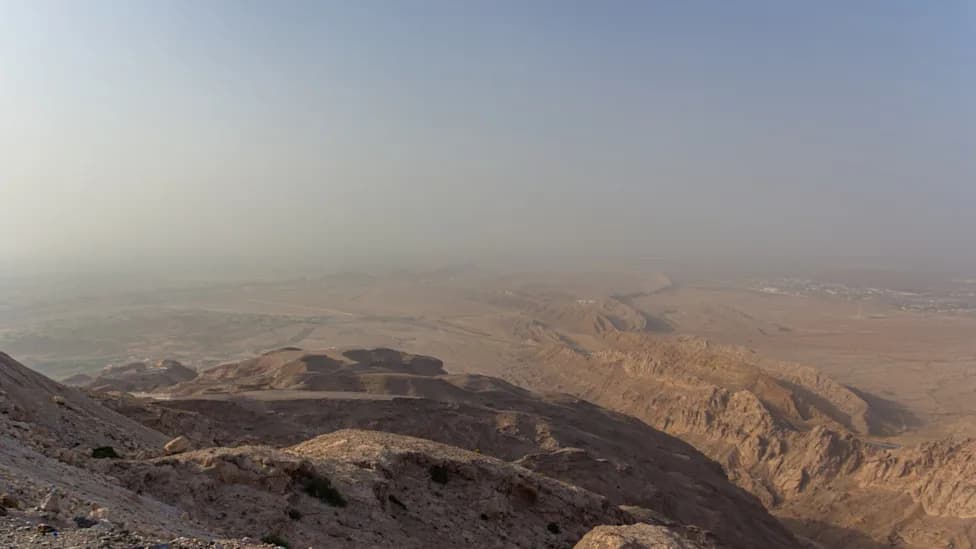
The study finds the largest absolute increases in hyper-arid areas. At the upper end of the range, drylands could expand by roughly 915,000 square miles (2.37 million km²) beyond the 1994–2023 baseline. The researchers identify Australia as the region likely to experience the most severe shift, followed by Brazil, with notable changes expected in parts of Africa. The paper also notes that China and Russia include extensive dry sub-humid zones, while countries such as Algeria, Libya and Saudi Arabia already contain large hyper-arid areas.
Why CO2 Makes Projections More Complex
The authors highlight an important nuance: rising atmospheric CO2 can partially offset projected aridity in some scenarios. Higher CO2 often causes plants to partially close their stomata, which reduces water loss through transpiration and can modestly reduce potential evapotranspiration. The team warns that conventional aridity projections that do not account for these plant physiological responses may overstate increases in dryness in some regions.
"Conventional projections often neglect CO2 effects on potential evapotranspiration, which may yield higher aridity estimates and alter aridity-change hotspot patterns," the authors write.
Consequences And Responses
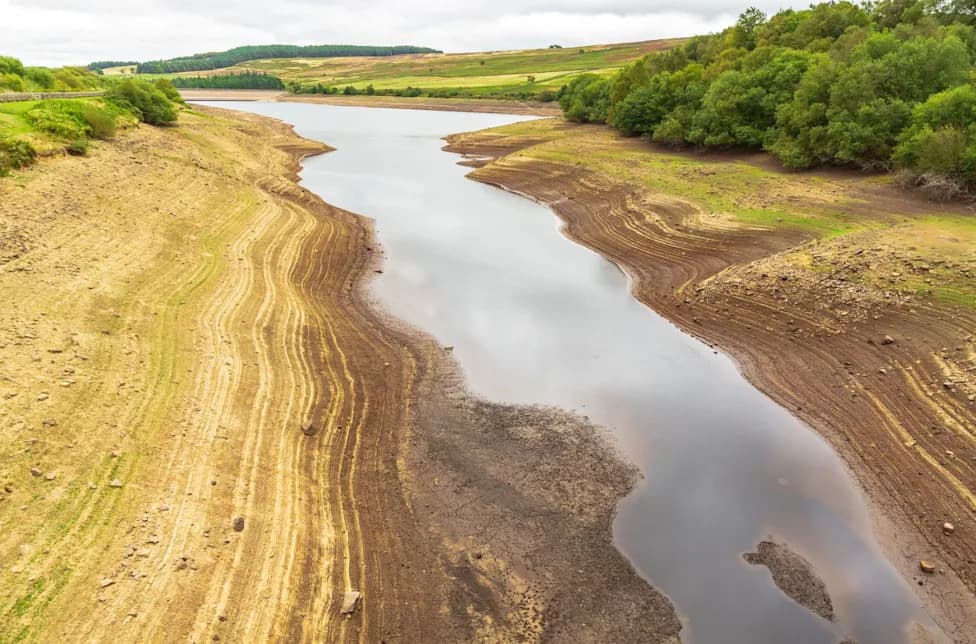
Expansion of dry climatic conditions would aggravate water scarcity, accelerate ecosystem degradation and increase risks of desertification. Agricultural productivity, rural livelihoods and food security are all vulnerable where margins for water stress are already narrow. The projections align with observed trends on the ground, including cropland degradation in drying regions and drought-driven displacement.
Recommended responses include rapid emissions reductions to limit long-term warming and targeted land-management actions: restoring native vegetation, strategic reforestation, increasing soil organic matter, controlling erosion and rebuilding watershed function. Healthier soils and landscapes retain more water, support more vegetation and are more resilient to drought.
Uncertainty And The Need For Updated Assessments
The authors call for repeated, improved mapping of dryland extent and redistribution to inform adaptation and sustainable development planning. While CO2-plant interactions can alter regional outcomes, the underlying driver remains human-caused warming that increases evaporative demand and pushes water-stressed regions toward greater aridity.
Without timely mitigation and sustained restoration, the study warns that drylands are likely to continue expanding into formerly more humid regions, reshaping landscapes, livelihoods and adaptation strategies worldwide.
Key Examples On The Ground
- Soil degradation in vulnerable farming regions is already reducing arable land as climates dry.
- Severe droughts have rendered land barren and contributed to displacement in affected regions.
- Some farmers and land managers are treating soil restoration as a climate solution, increasing carbon storage while protecting moisture and nutrients.
Help us improve.