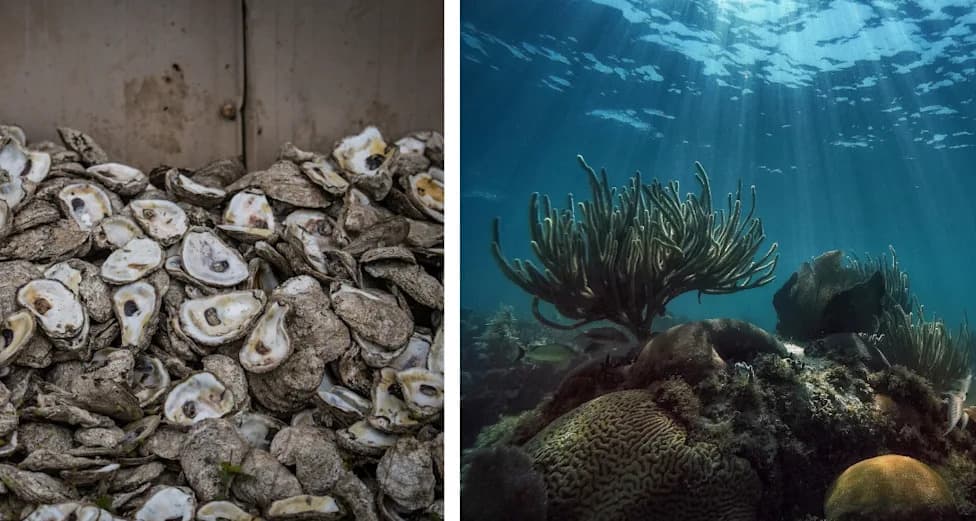
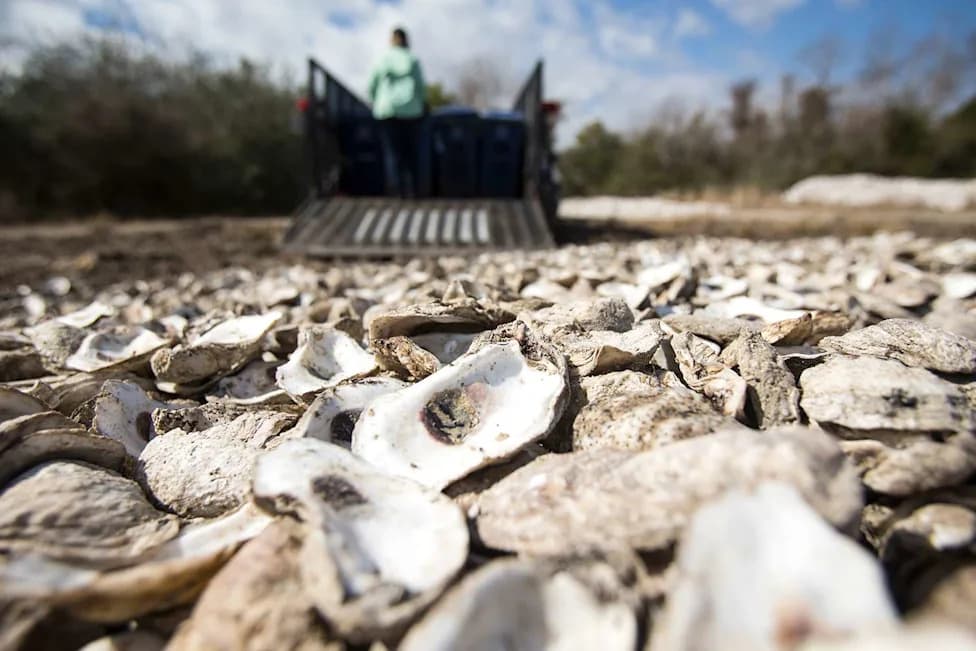
From 2007 to 2024, Florida returned over 500,000 tons of discarded oyster and clam shells to Gulf waters, creating new reef habitat and allowing oysters to reestablish. The growing reefs improved water clarity, helped curb harmful algal blooms, and supported the return of fish, turtles and dolphins after decades. Restored reefs also bolster fisheries, protect tourism revenue and act as natural storm buffers, though the approach does not erase long-term environmental damage.
Florida Recycled 500,000+ Tons Of Shells To Restore Gulf Seafloors — Here’s What Happened
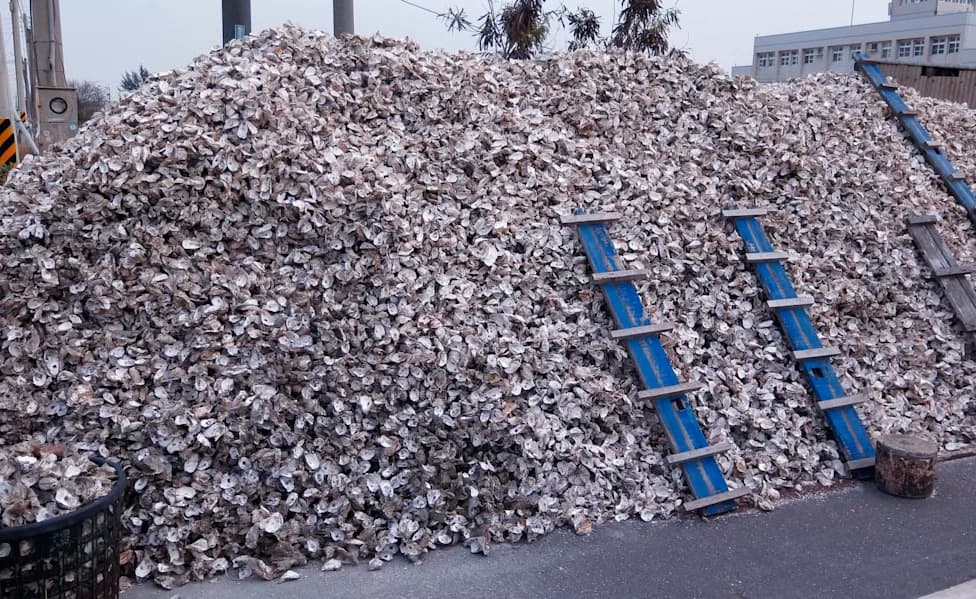
Photo Credit: iStock
Over a 17-year effort (2007–2024), Florida returned more than 500,000 tons of discarded oyster and clam shells to Gulf waters, demonstrating how targeted, low-cost restoration can help degraded marine habitats recover.
Background
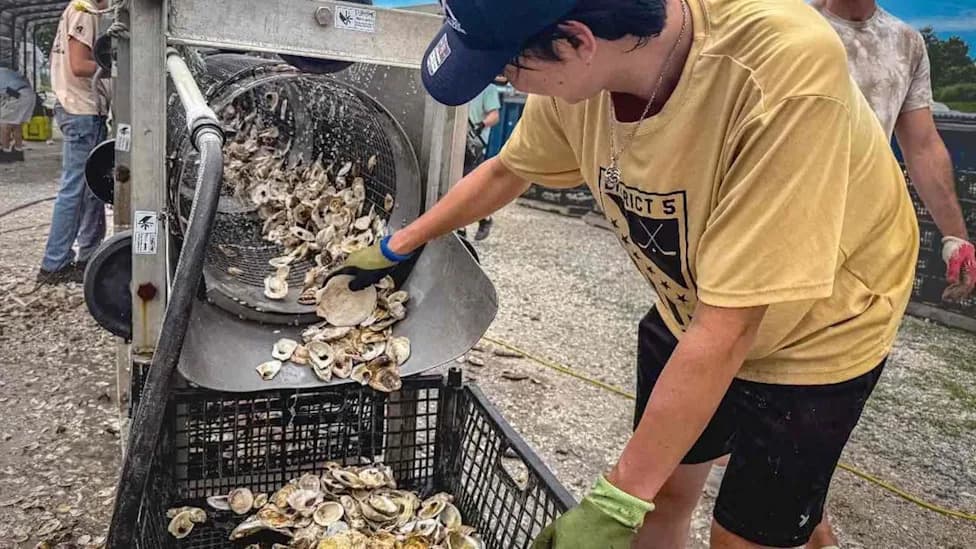
The shells were sourced from seafood restaurants and processing plants and placed where oyster reefs had eroded and soft, featureless sediment dominated the seafloor. Early criticism questioned whether adding discarded material would harm already stressed ecosystems.
How The Restoration Worked
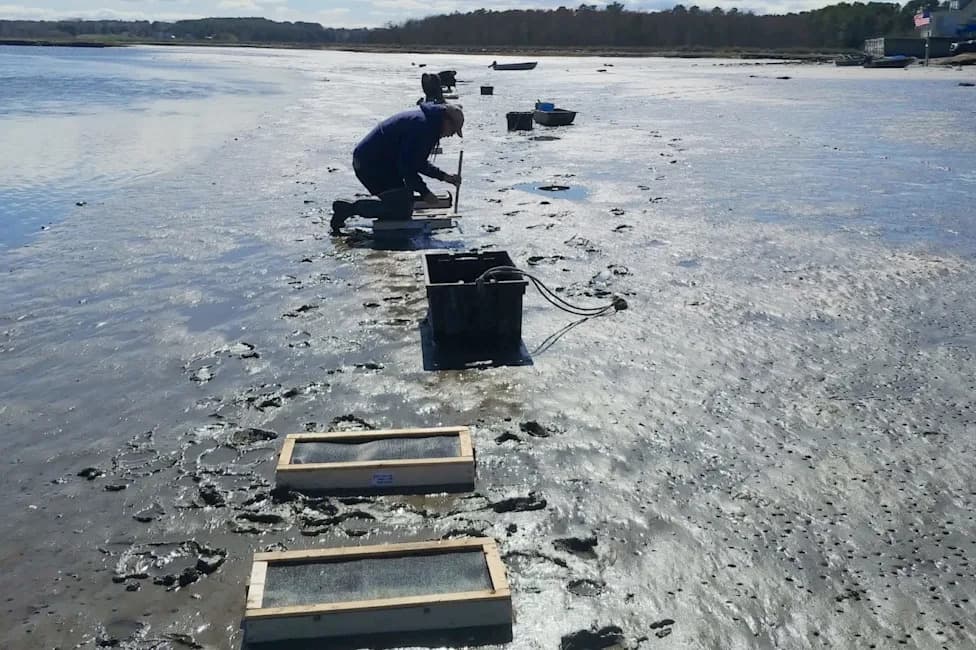
Although visible change was slow at first, scientists report that much of the recovery began at microscopic and ecological levels. The recycled shell provided hard surfaces for juvenile oysters to settle, allowing new reefs to form where none existed.
Environmental Benefits
As oyster populations established and matured, their natural filtration improved water clarity and helped suppress harmful algal blooms. Cleared waters and the structural complexity of reefs encouraged fish, turtles and dolphins to return in numbers not seen in many areas for more than 25 years.
Economic And Coastal Protection
Restored oyster reefs offer tangible community benefits: they can support local seafood supplies, stabilize fishing incomes, protect tourism revenue tied to cleaner beaches and waterways, and act as natural buffers that reduce shoreline erosion and storm damage.
Broader Interest And Adoption
Florida’s success has attracted attention from coastal engineers and marine biologists across North America, Europe and Australia. Similar shell-recycling initiatives have launched in several U.S. states, including Alabama, Texas, Louisiana, California, Mississippi and throughout the Carolinas.
Limits And Context
Recycled-shell restoration is not a cure-all: it does not erase decades of environmental damage from overharvest, pollution or events like oil spills. But the project illustrates that thoughtfully designed, nature-based restoration using recycled materials can produce measurable ecological and economic returns.
Key takeaway: Turning discarded natural material into habitat can accelerate recovery, reduce waste, and help coastal communities become more resilient.
Help us improve.