A state audit found North Carolina has cataloged 688 pre‑1983 landfill sites but 78% (534) remain uninvestigated, leaving uncertainty about contamination near homes, schools and wells. Auditors flagged 14 high‑concern sites in four coastal counties, including the Buxton Dump, where probes found buried debris and a VOC reading of 350.4 ppm. Methane levels exceeded explosive limits at 23 of 97 investigated sites. The audit urges DEQ to revise rankings, seek more funding, and secure access to high‑risk properties; DEQ agreed with the recommendations.
Audit: Nearly 80% Of North Carolina’s Pre‑1983 Landfills Remain Uninvestigated — Many Close To Homes And Wells
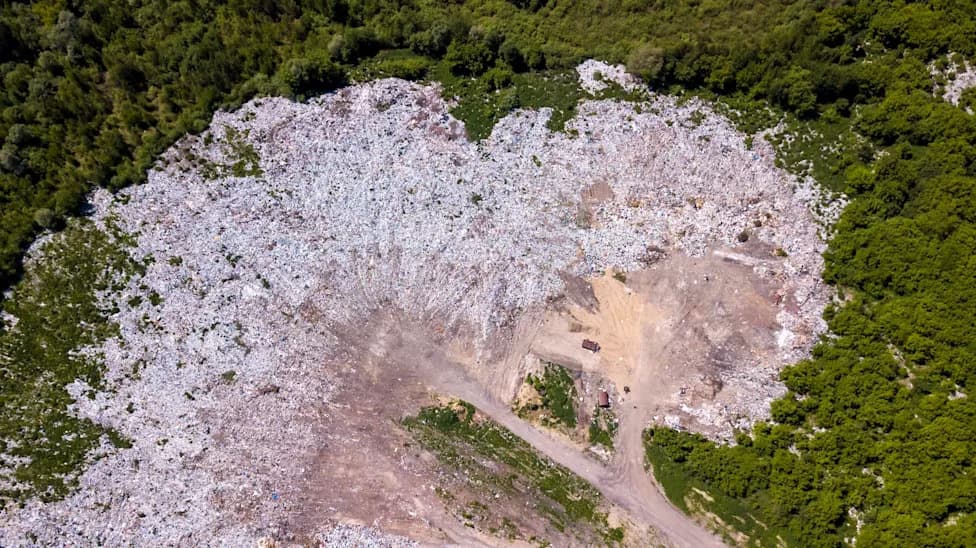
Photo Credit: iStock
A state audit has found that North Carolina still lacks complete information about hundreds of long‑closed municipal landfills, including many located near homes, schools, churches and drinking‑water wells.
Key Findings
Auditors working for State Auditor Dave Boliek reported that the state has cataloged 688 sites where municipal waste was buried before Jan. 1, 1983, when stricter environmental rules took effect. Of those, 534 sites — roughly 78% have not been investigated, leaving uncertainty about what wastes they contain and whether they pose risks to nearby communities.
The audit notes the North Carolina Department of Environmental Quality’s Pre‑Regulatory Landfill Program has largely succeeded at compiling a registry, but it has not conducted routine testing, monitoring, or follow‑up investigations at most locations.
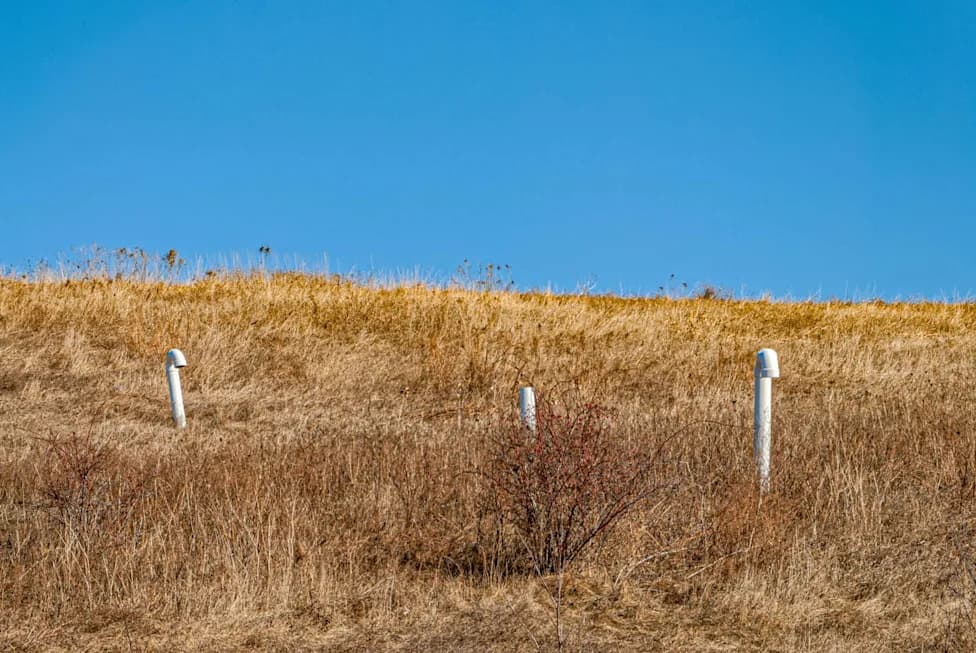
Auditors found that 84% of recorded sites are within 1,000 feet of homes, schools, daycares, churches or drinking‑water wells, increasing the potential for human exposure if contamination is present. At sites that have been examined more thoroughly, hazardous conditions have been documented: methane exceeded the Lower Explosive Limit at 23 of 97 sites that reached the investigation stage or beyond.
Notable Site: Buxton Dump
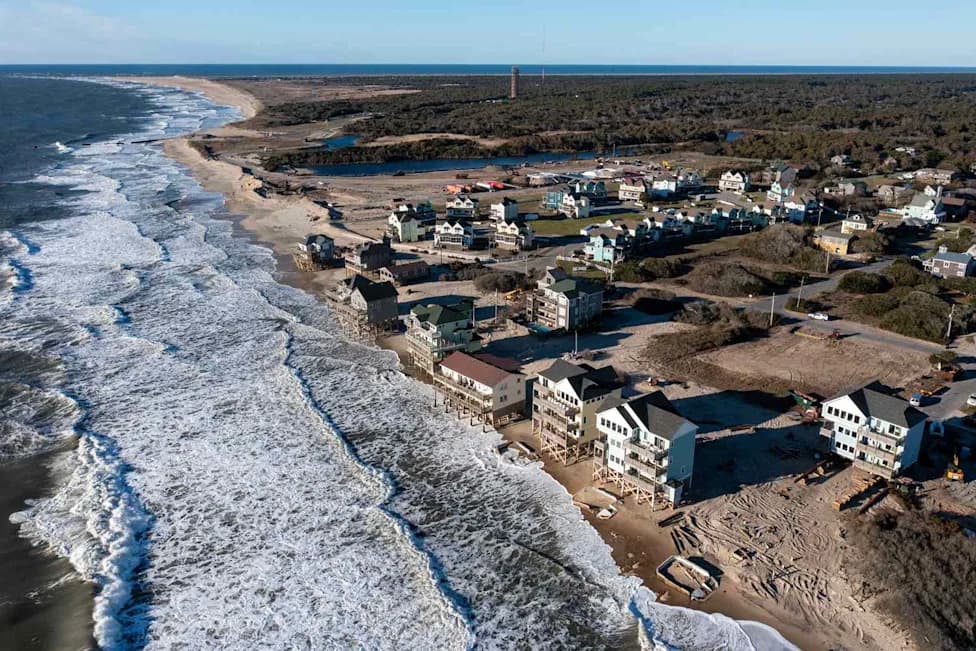
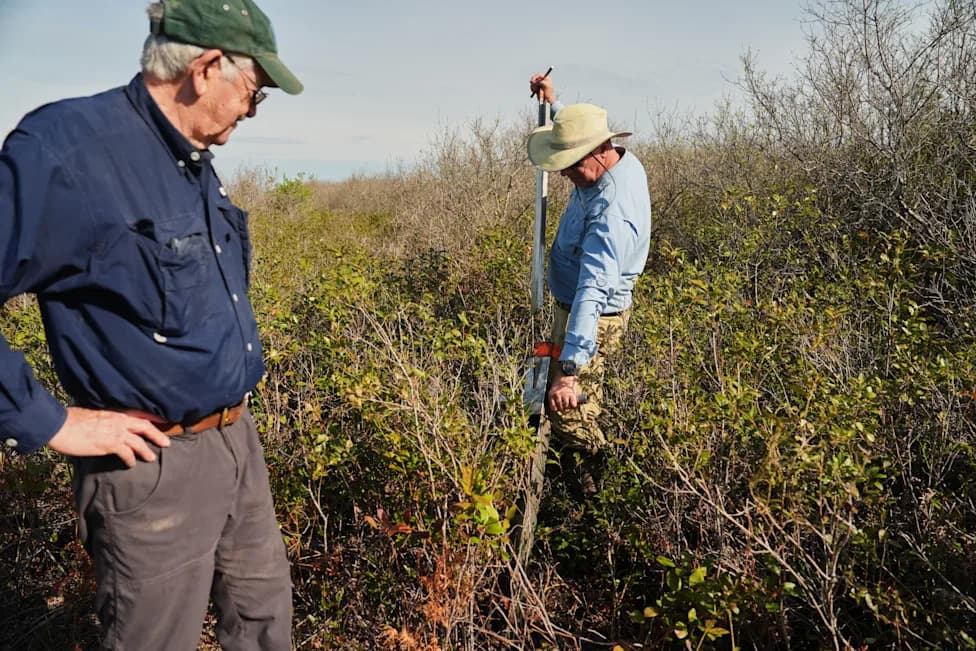
Among 14 coastal sites the audit flagged for additional attention across Dare, Currituck, Hyde and Tyrrell counties is the Buxton Dump in Dare County. Auditors ranked Buxton as the highest‑priority site in that region and No. 11 statewide. Investigators encountered buried debris — glass, plastic, metal and fabric — in nearly every completed boring, and recorded a volatile organic compound (VOC) reading of 350.4 parts per million at the site.
"But the bottom line is there are hundreds of potentially hazardous landfill sites across North Carolina, and despite tax dollars supporting a program meant to investigate these sites, 78% haven't been examined," Boliek said in a statement included with the audit.
Costs, Capacity, And Future Work
Auditors estimated the cost to investigate, assess and remediate a single site at about $1.9 million. At current funding levels, they concluded that addressing the remaining uninvestigated sites could take roughly 99 years and potentially approach $1 billion in total costs. The state’s priority rankings may change as new information arrives, including data from a 2024 statewide drinking‑water well project.
Recommendations And Agency Response
The audit recommends that DEQ revise how it ranks sites, pursue additional funding, and work with lawmakers and agency attorneys to secure access to high‑risk properties when owners do not cooperate. DEQ told auditors it agreed with the findings and recommendations, noting the program presents regulatory, legal, funding and administrative challenges.
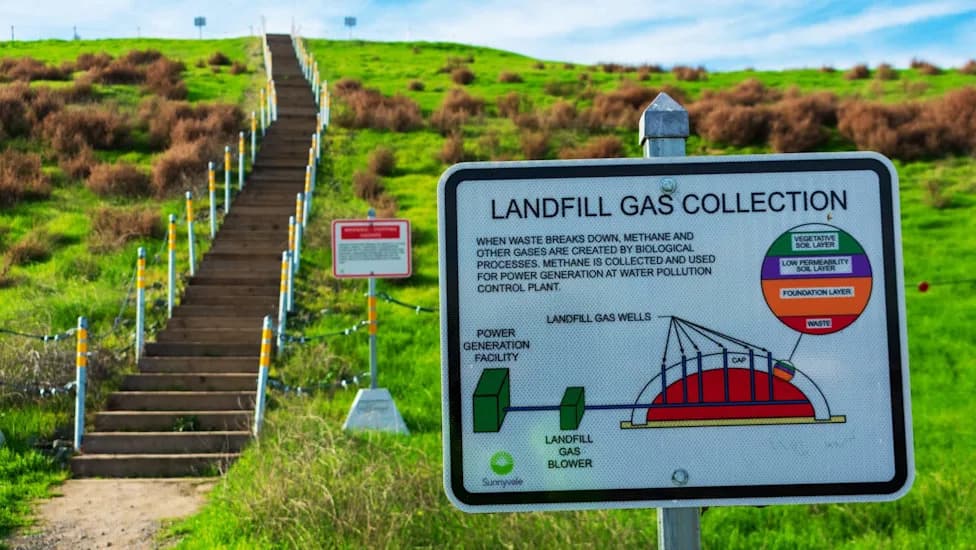
The report also warns that legacy pollution can persist for decades and that development can place people closer to former dump sites that were once isolated. As an example of potential health consequences and scrutiny, the audit references a Southern California landfill that released hazardous methane and toxic chemicals and drew complaints and investigation.
With many sites unexamined, the audit stresses an urgent need for clearer prioritization, sustained funding, and more field investigations to determine whether contamination threatens soil, groundwater or air near communities across North Carolina.
Help us improve.