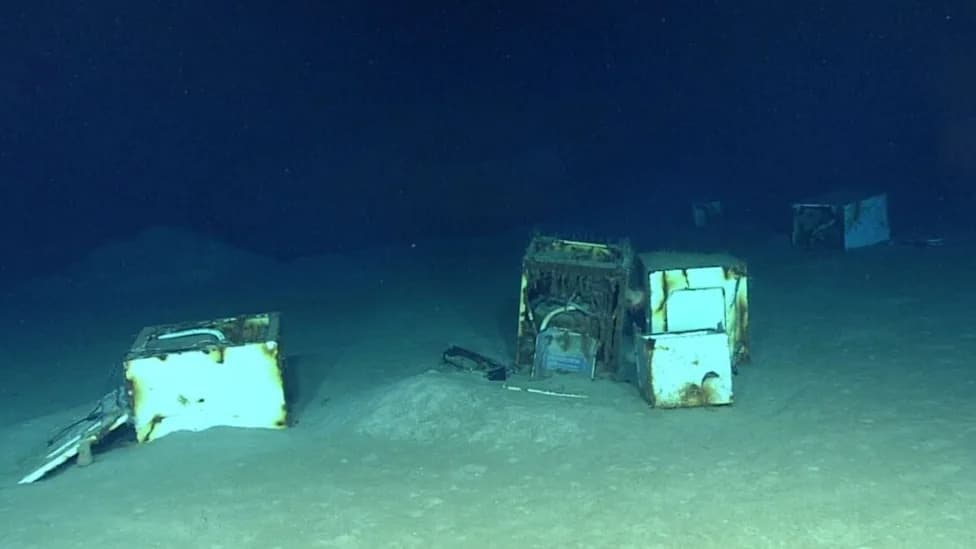
Approximately 150,000 tons of low-level radioactive waste dumped in the Atlantic between 1949 and 1982 are leaking as corroded barrels disintegrate. CNRS-led teams mapped 3,355 barrels during a 2025 survey and returned in May 2026 aboard the Pourquoi Pas?, using the Nautile submersible for 20+ dives to depths beyond 4,700 meters. Scientists detected cobalt-60 and niobium-94 linked to the dumped material, along with cesium-137 and americium-241; measured levels did not contaminate equipment or pose immediate risks to researchers. Ongoing analyses will assess the long-term ecological impact on marine life and habitats.
Decades-Old Radioactive Waste From Postwar Dumping Now Leaks Into Atlantic, CNRS Survey Finds
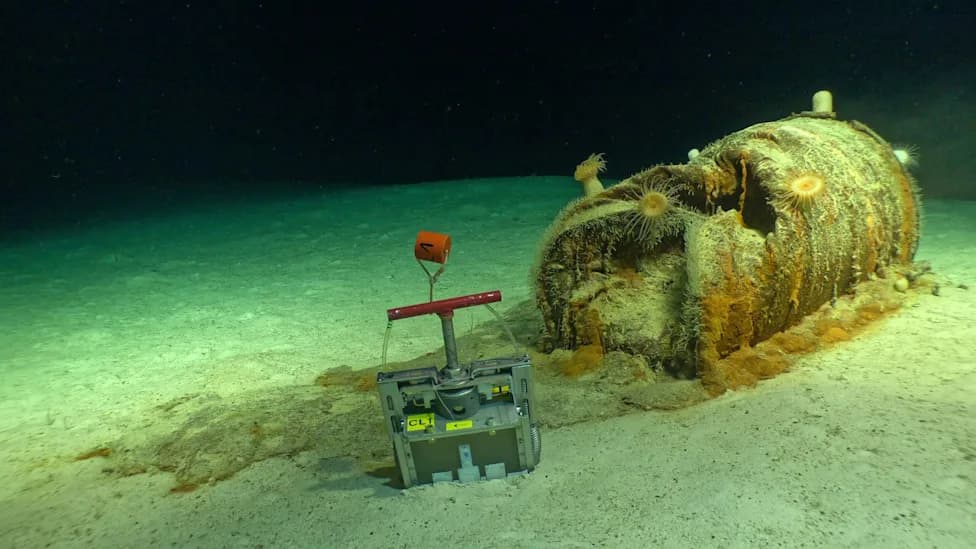
Campagne NODSSUM, CNRS, Flotte océanographique française
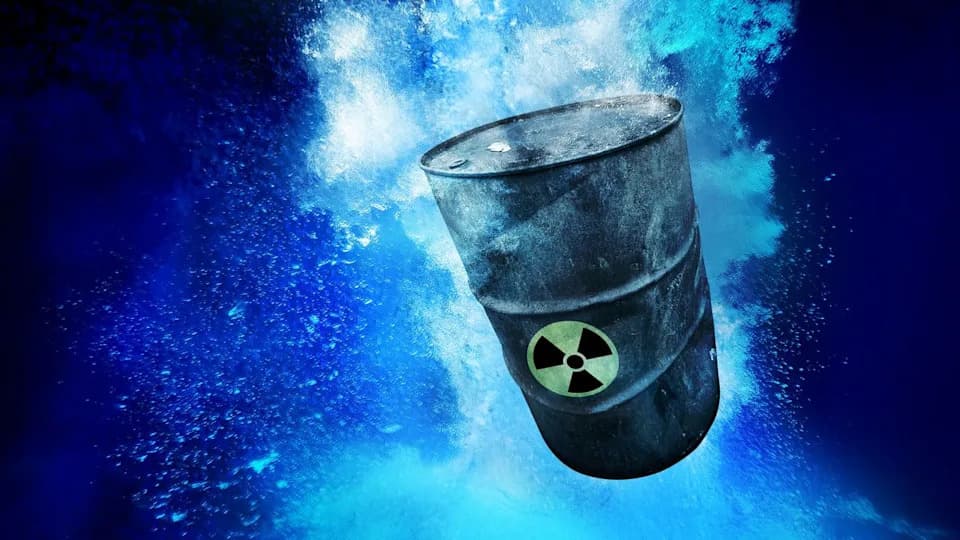
Researchers say roughly 150,000 tons of low-level radioactive waste dumped on the Atlantic seafloor after World War II are now leaking as many corroded barrels disintegrate and release their contents into surrounding sediments and water.
Background and Discovery
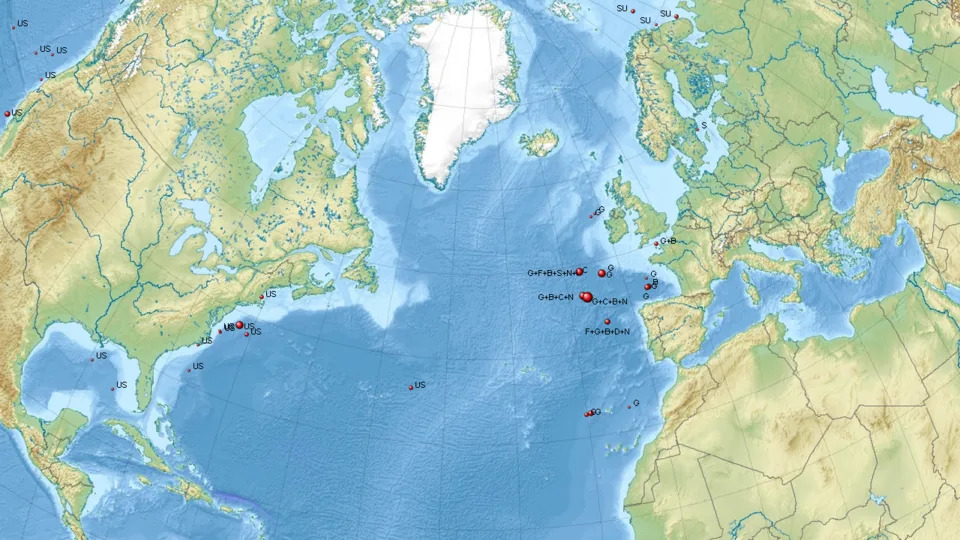
According to a ScienceAlert report and investigations led by France's National Center for Scientific Research (CNRS), more than 200,000 steel drums containing low-level radioactive material were deposited on the Atlantic seabed between 1949 and 1982. The barrels reportedly contained a mix of radionuclides, including cesium-137, plutonium isotopes and tritium. Over time many containers have corroded, broken open and spread contaminants across the seafloor.
CNRS Expeditions and Findings
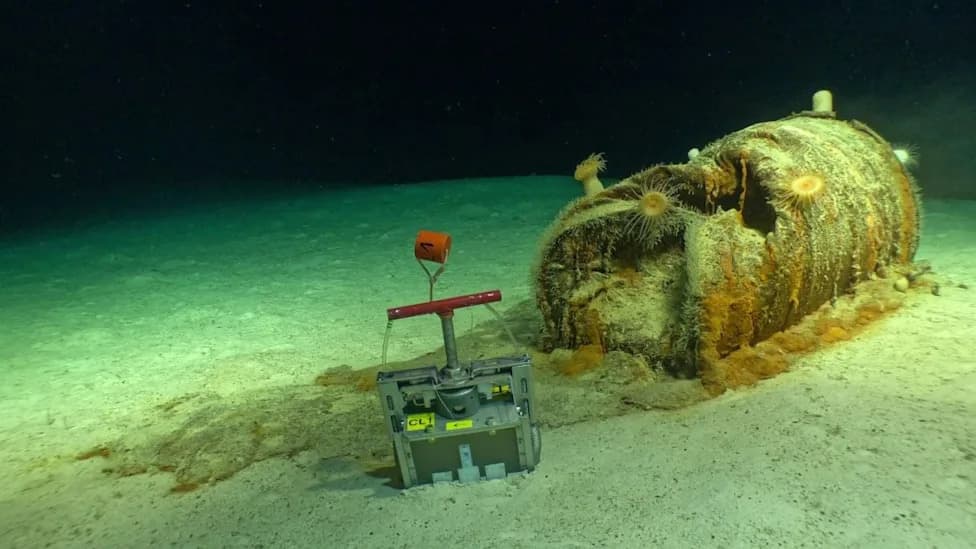
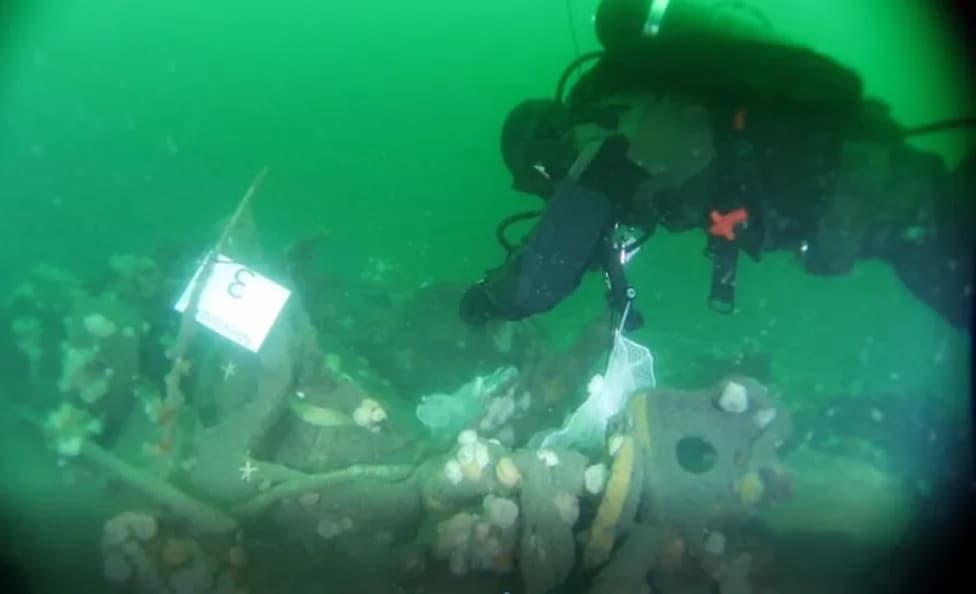
In 2025 a CNRS-led team, including nuclear engineer Patrick Chardon and marine geologist Javier Escartín, conducted a month-long survey that photographed and mapped barrels and collected water, sediment, fish and crustacean samples around the sites. That effort identified and mapped 3,355 barrels.
Masaqui,CC BY-SA 3.0, via Wikimedia Commons
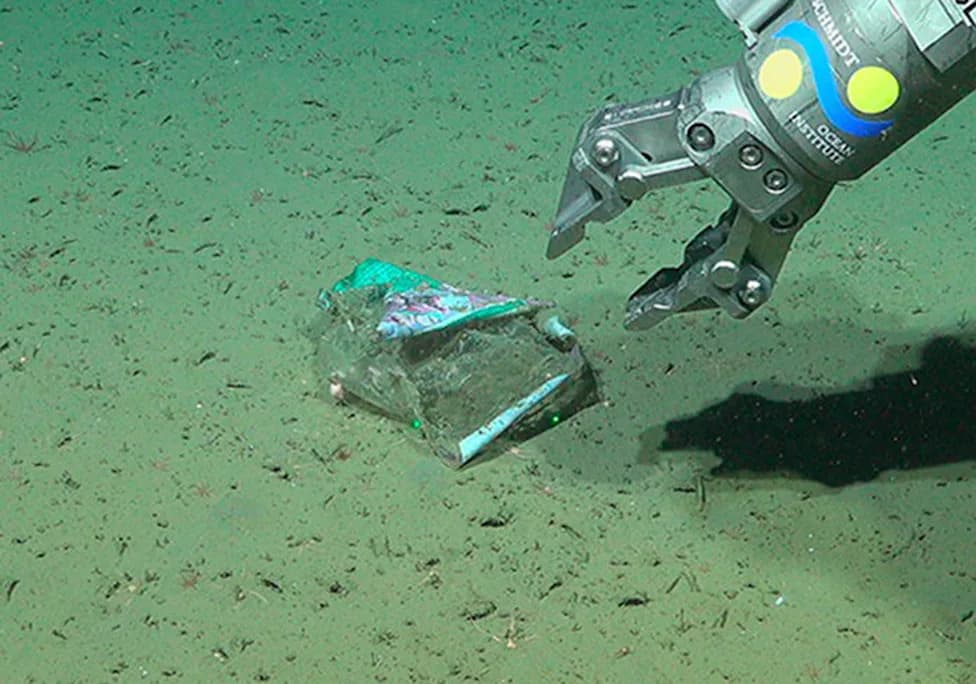
The researchers returned in May 2026 aboard the research vessel Pourquoi Pas? and performed more than 20 dives using the three-person submersible Nautile, descending to depths exceeding 4,700 meters to inspect barrels in situ and collect additional samples for laboratory analysis.
Radioactive Signatures and Safety
Investigators detected radioactive signatures of cobalt-60 and niobium-94 that could be specifically linked to the dumped material. They also found traces of cesium-137 and americium-241 in nearby sediments and biota. While radiation above background levels was measurable in the vicinity of some barrels, CNRS and ScienceAlert report that concentrations encountered during the dives were not high enough to pose an immediate risk to the scientists or to contaminate the Nautile and its instruments.
Environmental Concerns and Next Steps
Many of the radionuclides identified can persist in marine environments for decades to millennia. As containers degrade they may become incorporated into local ecosystems and provide hard substrate colonized by marine organisms, complicating assessments of ecological impact. Analysis of samples and ongoing monitoring aim to quantify contamination spread, uptake by marine life and long-term ecological consequences.
Note: The barrels are described as "low-level" waste, which is different from high-level radioactive waste (such as spent nuclear fuel), but long-lived isotopes in low-level waste can still pose environmental risks over extended periods.
Researchers emphasize that further study is needed to determine the full extent of environmental effects and to inform any potential remediation or monitoring strategies.
Help us improve.