Pantheon Regeneration is racing to restore a 23-square-mile peatland near Belhaven, NC, where roughly 50 miles of drainage ditches have turned up to 15-foot peat into a source of ~130,000 tons of CO2 per year. The plan: rewet ditches, remove invasives, replant natives, and sell verified carbon credits to finance expansion. Rapid rewetting is urgent to prevent long-burning peat fires that can release millennia of stored carbon and lower the ground by feet.
Racing To Rewet 'Black Gold': Restoring North Carolina's Peatlands Before They Burn
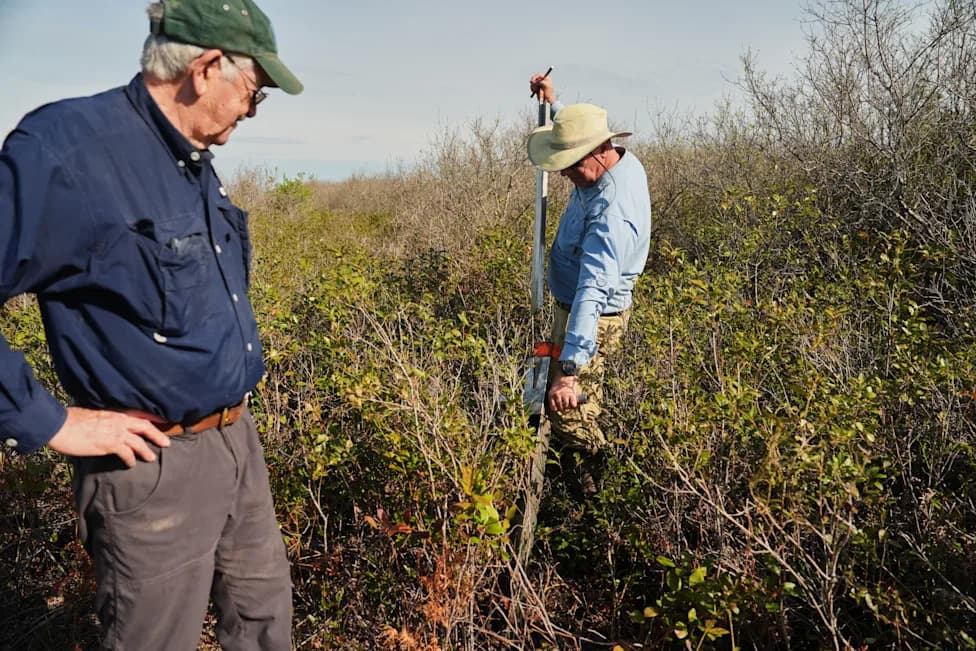
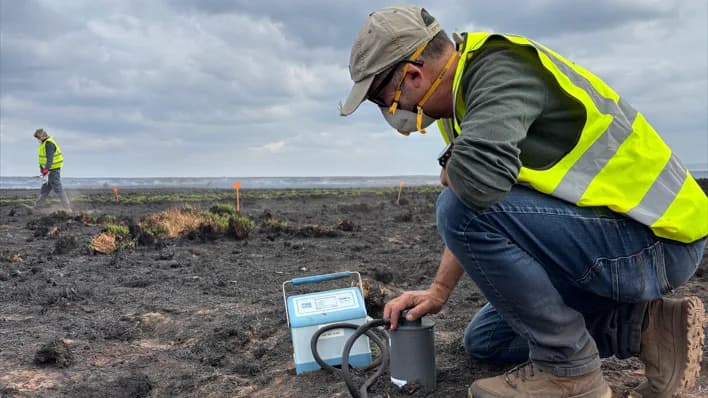
Neal Flanagan, right, a research scientist at Duke University, uses a tool to take a soil sample from a peatland as Curt Richardson, an ecology professor at Duke, observes Wednesday, May 6, 2026, in Belhaven, N.C. (AP Photo/Joshua A. Bickel)(AP Photo/Joshua A. Bickel)
At dawn in Belhaven, North Carolina, warblers, flycatchers, sparrows and towhees fill the treetops while deer browse tender buds and black bears root for insects. The scenery—part of the state's Inner Banks—draws birdwatchers each spring. But below the surface lies something more urgent: a 23-square-mile (60 km²) peatland with peat as deep as 15 feet (5 m) that is drying out, emitting carbon and at risk of catastrophic fires.
Why This Peatland Matters
Peatlands cover only about 3% of the world's land area but store roughly one-third of Earth's soil carbon—more than all forests combined. When intact and waterlogged, peat traps gases produced by decaying plants in oxygen-poor conditions while surface vegetation pulls down atmospheric carbon. When drained, tilled or burned, peatlands become major greenhouse-gas sources; degraded peatlands now contribute an estimated 6% of global annual emissions.
The Problem Here
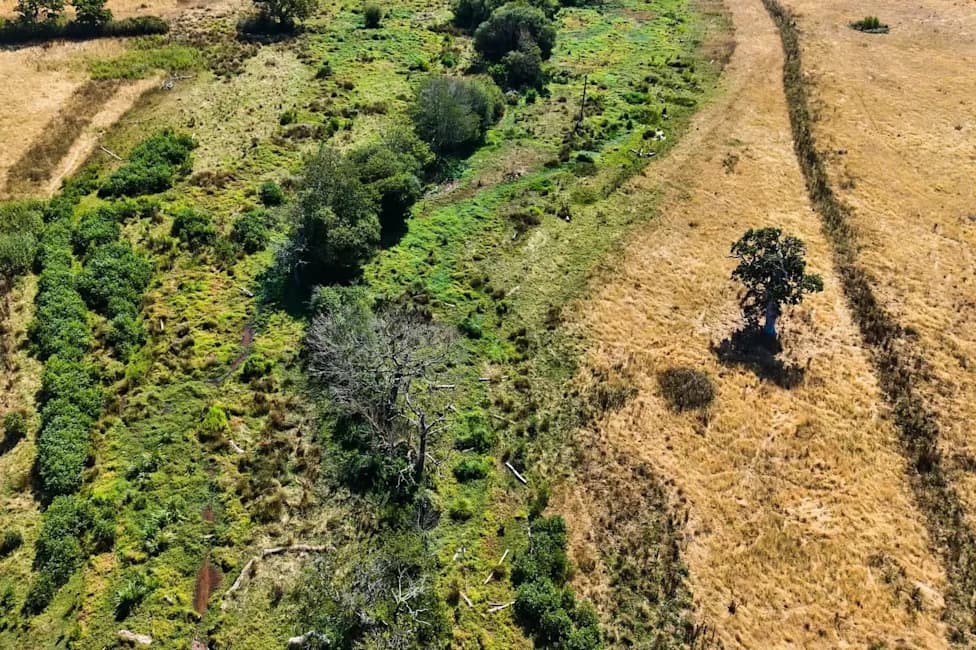
Decades-old drainage—about 50 miles (80 km) of ditches across this site—lowered the water table and dried centuries of accumulated peat. That has turned the site into a source of roughly 130,000 tons of carbon dioxide a year, altered native habitats and made the landscape vulnerable to long-burning peat fires that can smolder underground for weeks or months and destroy feet of ancient peat.
Pantheon’s Restoration Plan
Pantheon Regeneration, led by CEO Tripp Wall, has acquired this tract to reverse the damage. The company plans to:
- Rewet drained areas by blocking ditches and restoring the water table.
- Remove invasive species and replant native grasses, shrubs and trees.
- Use rigorous measurement and verification—groundwater monitoring, core sampling, a gas-exchange tower and computer models—with third-party verification to quantify carbon benefits.
- Sell verified carbon credits to fund restoration and to scale up—aiming to buy, restore and permanently protect 1 million acres (about 1,562 sq mi / 4,047 km²) of peatland from Virginia to northern Florida over the next decade.
On the Ground
Duke ecologist Curtis Richardson and colleagues describe the peat as "black gold": near-surface layers are dry and fibrous, the middle layers crumbly and moist with charcoal from past fires, and the saturated bottom layers nearly 50% carbon and the consistency of axle grease. Field teams including Neal Flanagan and ecologists such as Steve Apfelbaum are documenting bird, plant and hydrological responses as rewetting begins. The site already supports breeding and migratory birds, and Pantheon has released a pair of red wolves that have since produced pups.
Fire Risk And Urgency
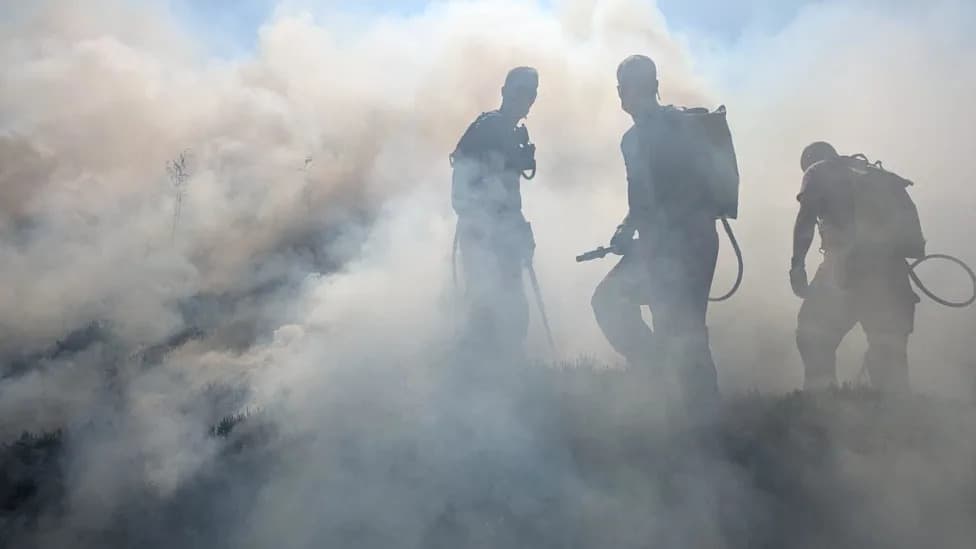
Catastrophic peat fires are the largest threat. One blaze four years ago burned nearly 2,000 acres and lowered peat by as much as 1.5 feet (0.5 m); a 2008 drought fire burned aboveground for months and smoldered underground for four months, damaging more than a quarter of the nearby Pocosin Lakes refuge. Where water-level restoration had begun, fires burned less deeply—showing the protective value of rewetting.
Funding, Transparency And Verification
Pantheon plans to finance scaling through verified carbon credits sold to corporations, including initial investment from backers such as Microsoft. Aware of past abuses in carbon markets, Pantheon emphasizes scientific rigor: long-term baseline data on carbon loss, continuous groundwater measurements, core sampling, tower-based gas exchange measurements and independent third-party verification of carbon benefits.
"There's urgency to start with what's degraded now," said Wall. "Rewetting protects ancient carbon that we cannot replace within human lifetimes."
The project builds on models used by nonprofits and government agencies—most notably restoration at the neighboring Pocosin Lakes National Wildlife Refuge, one of the largest peatland restoration efforts in the U.S.—and aims to create large wildlife corridors and biodiversity hotspots while delivering measurable climate benefits.
Correction: Pantheon's operations director is Vlad Roosevelt, not Vladimir.
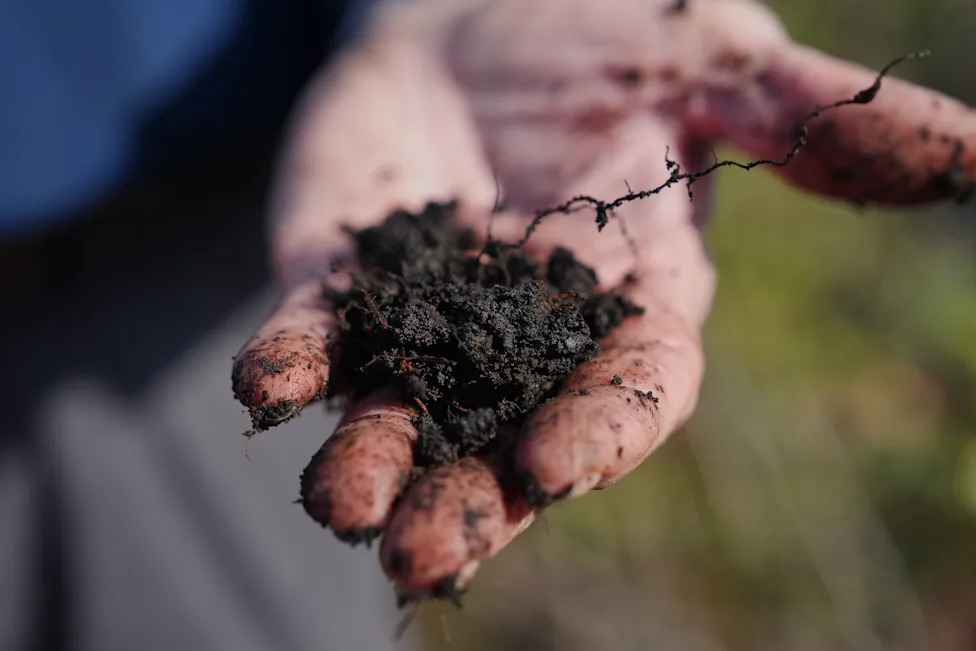
Curtis Richardson, an ecology professor at Duke University, holds peat soil Wednesday, May 6, 2026, in Belhaven, N.C. (AP Photo/Joshua A. Bickel)(AP Photo/Joshua A. Bickel)
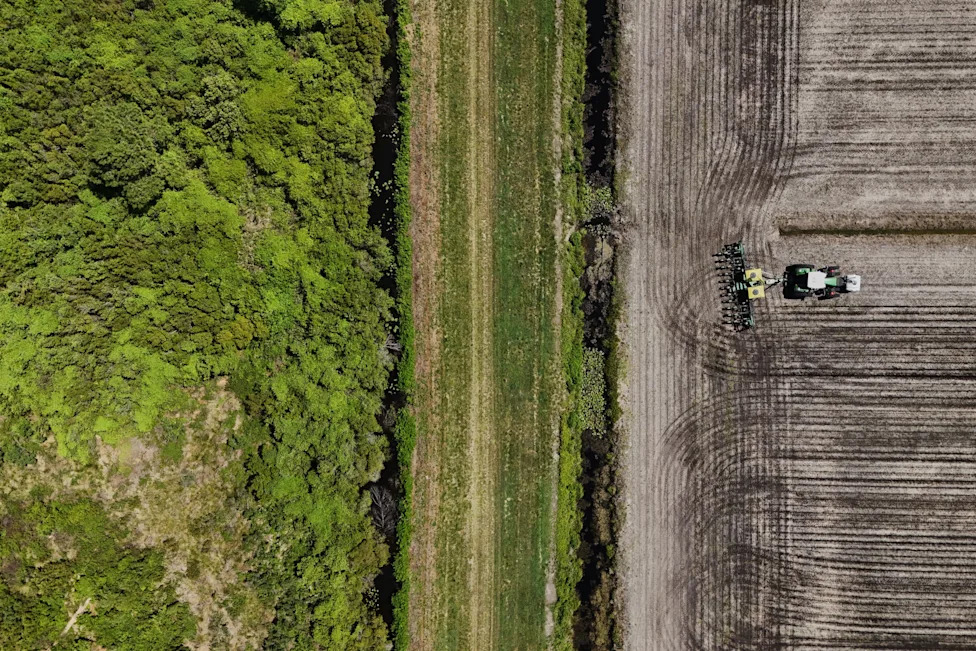
A planter, right, works in a field adjacent to a peatland forest Tuesday, May 5, 2026, in Belhaven, N.C. (AP Photo/Joshua A. Bickel)(AP Photo/Joshua A. Bickel)
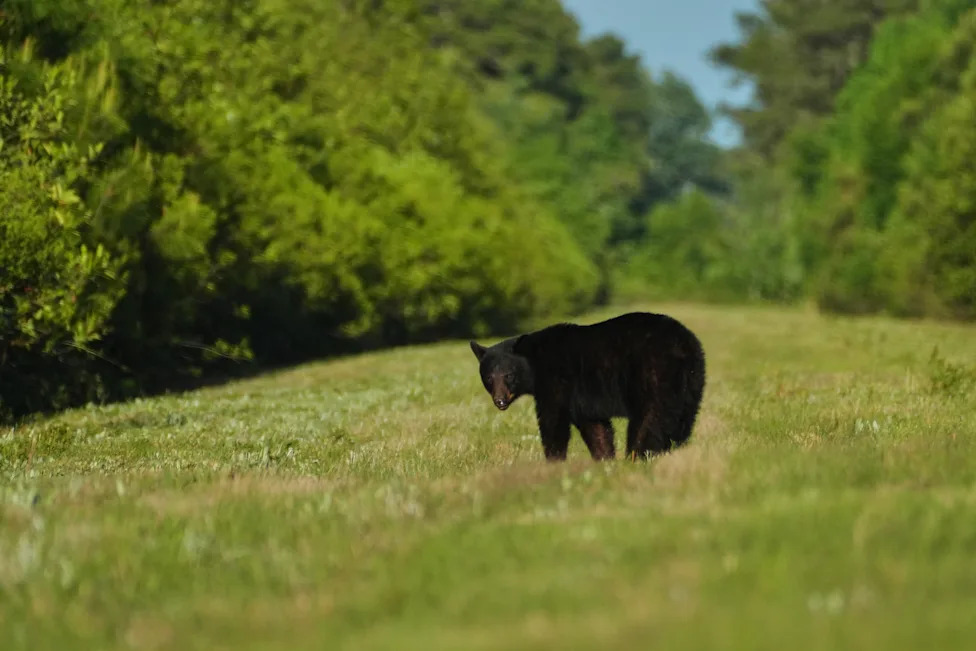
A juvenile black bear walks through a clearing where peatlands are being restored Tuesday, May 5, 2026, in Belhaven, N.C. (AP Photo/Joshua A. Bickel)(AP Photo/Joshua A. Bickel)
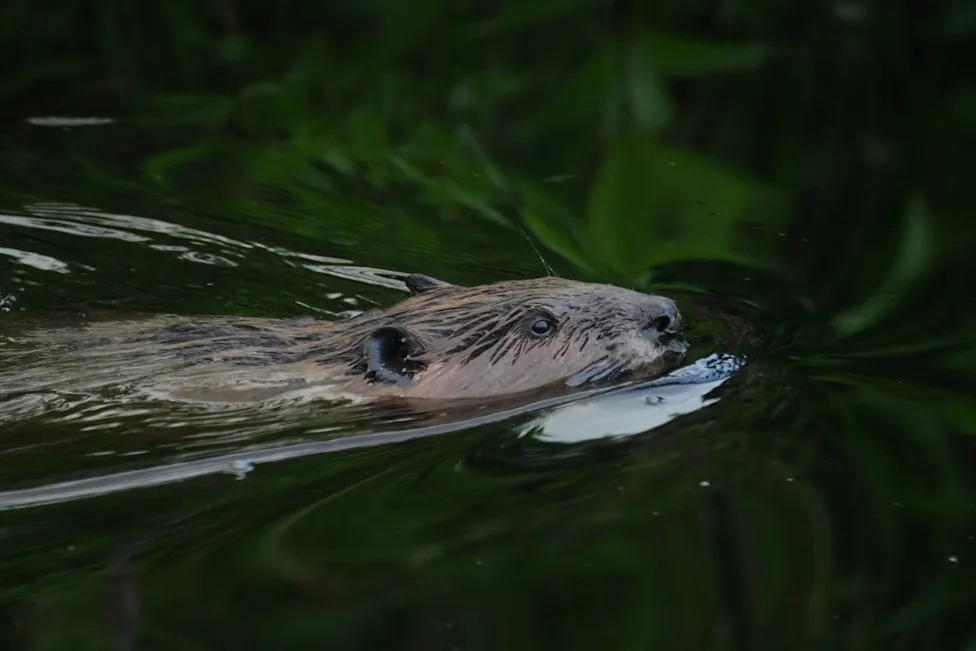
A beaver swims in a creek at the Pocosin Lakes National Wildlife Refuge, Wednesday, May 6, 2026, in Belhaven, N.C. (AP Photo/Joshua A. Bickel)(AP Photo/Joshua A. Bickel)
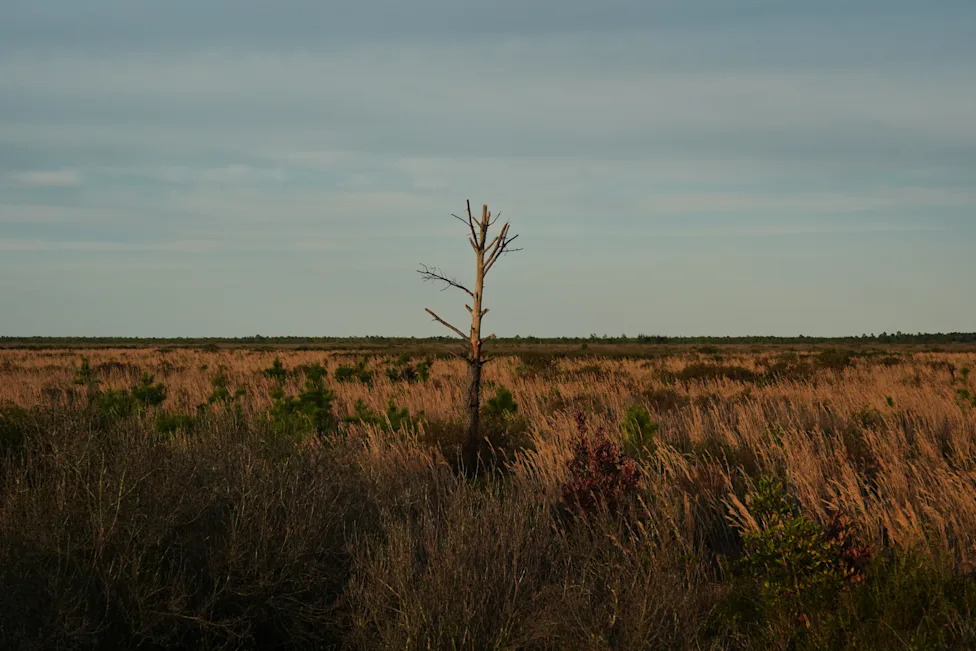
A fire-damaged tree stands in an area of peatland Tuesday, May 5, 2026, in Belhaven, N.C. (AP Photo/Joshua A. Bickel)(AP Photo/Joshua A. Bickel)
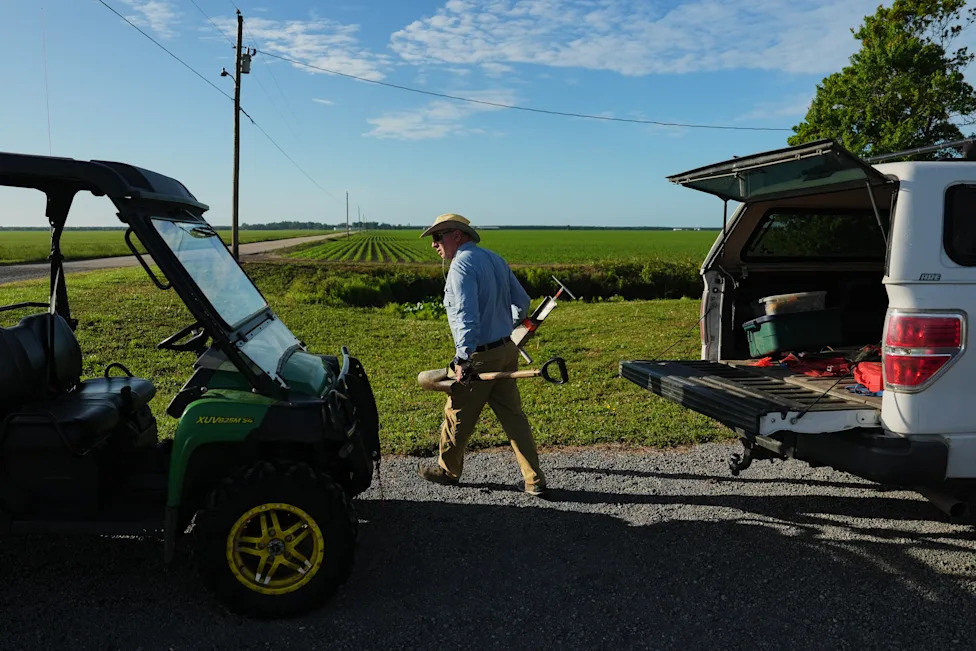
Neal Flanagan, a research scientist at Duke University, carries soil sampling tools Wednesday, May 6, 2026, in Belhaven, N.C. (AP Photo/Joshua A. Bickel)(AP Photo/Joshua A. Bickel)
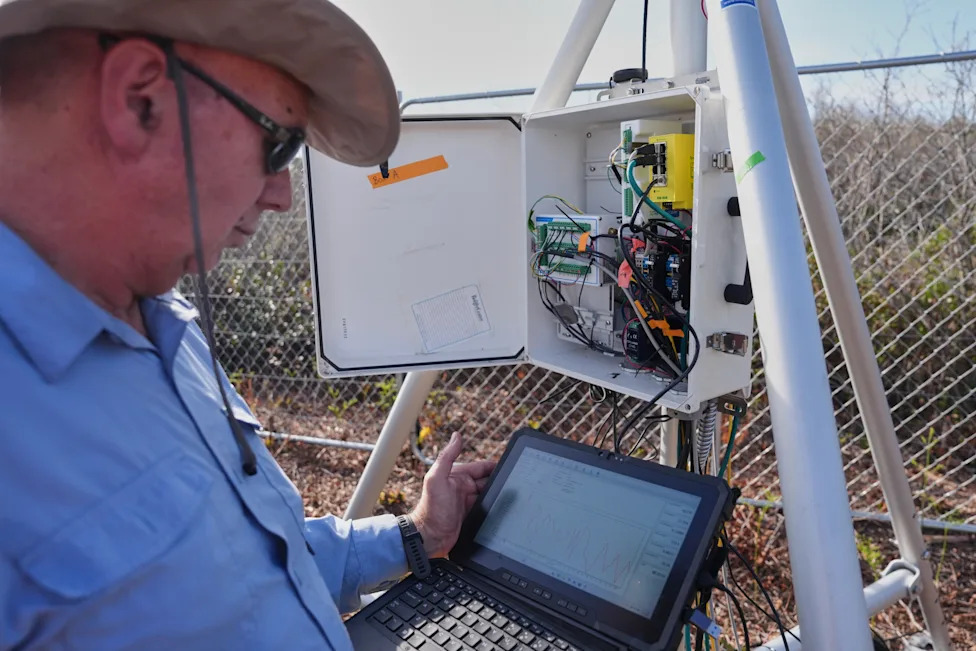
Neal Flanagan, a research scientist at Duke University, displays real-time carbon dioxide emissions from a sensor Wednesday, May 6, 2026, in Belhaven, N.C. (AP Photo/Joshua A. Bickel)(AP Photo/Joshua A. Bickel)
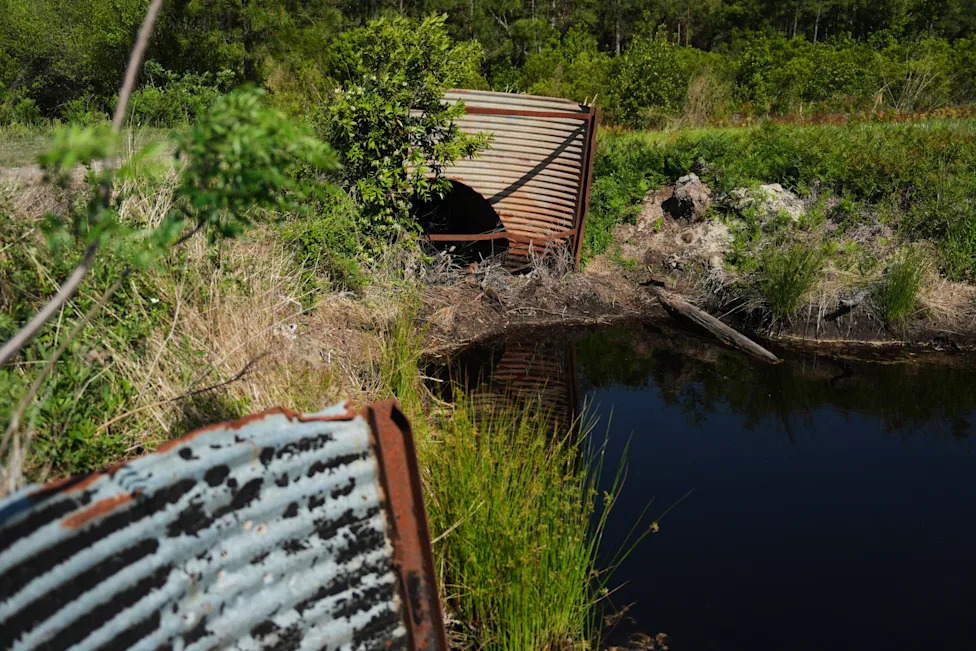
Old water control structures sit in disrepair Tuesday, May 5, 2026, in Belhaven, N.C. (AP Photo/Joshua A. Bickel)(AP Photo/Joshua A. Bickel)
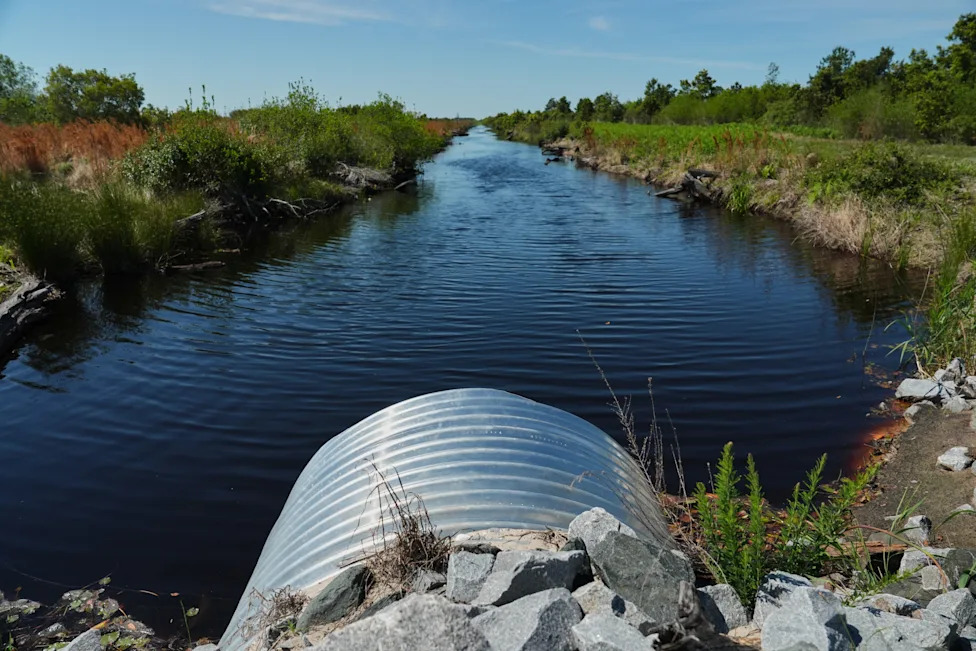
Water fills an irrigation ditch with repaired drainage structures Tuesday, May 5, 2026, in Belhaven, N.C. (AP Photo/Joshua A. Bickel)(AP Photo/Joshua A. Bickel)
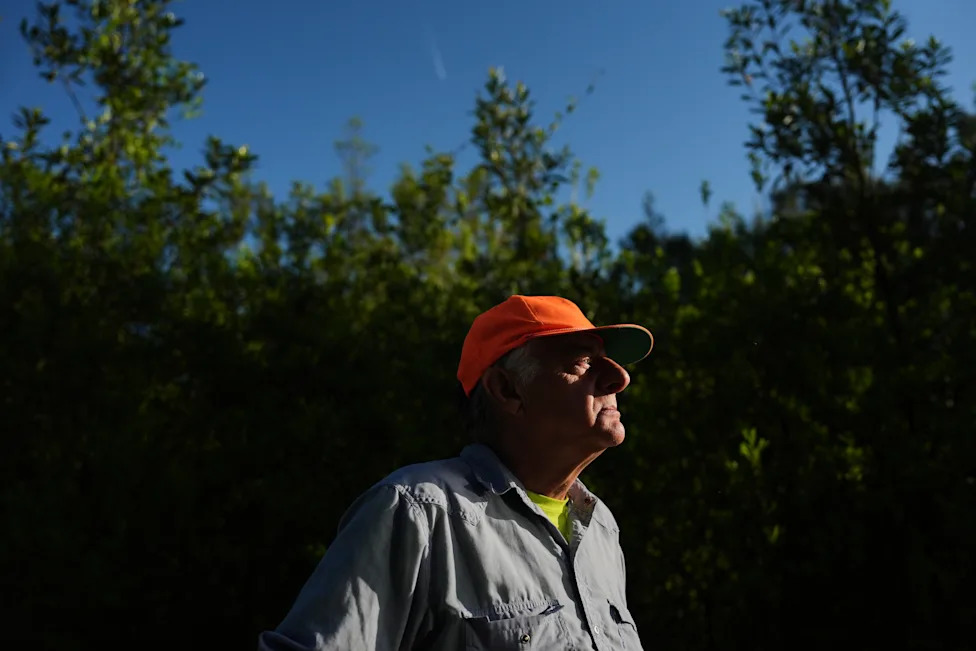
Steve Apfelbaum, a biologist and ecologist, listens for bird calls while conducting a survey Tuesday, May 5, 2026, in Belhaven, N.C. (AP Photo/Joshua A. Bickel)(AP Photo/Joshua A. Bickel)
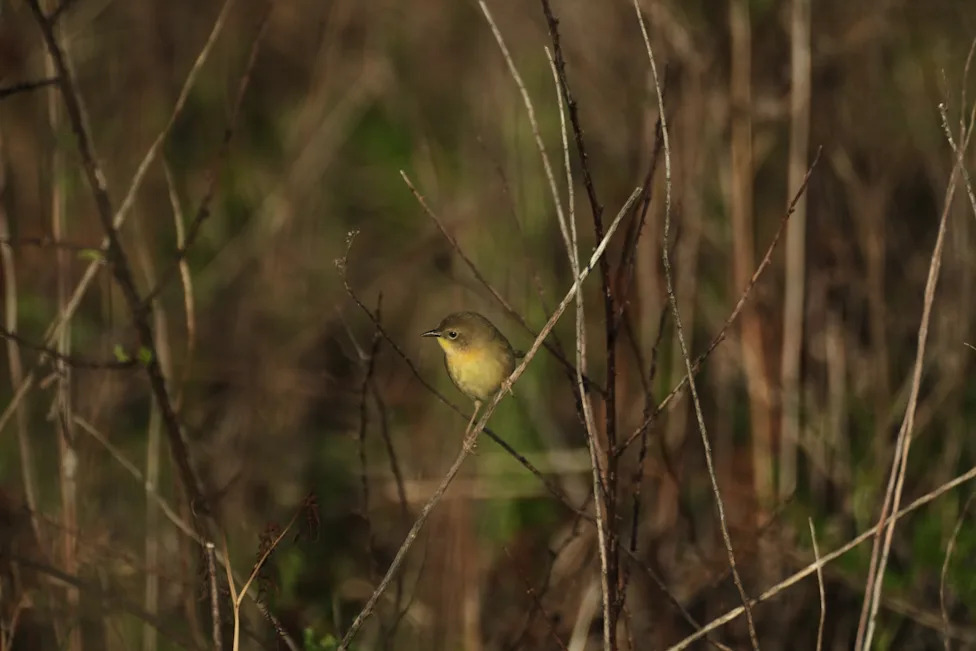
A common yellowthroat perches on a branch where peatlands are being restored Wednesday, May 6, 2026, in Belhaven, N.C. (AP Photo/Joshua A. Bickel)(AP Photo/Joshua A. Bickel)
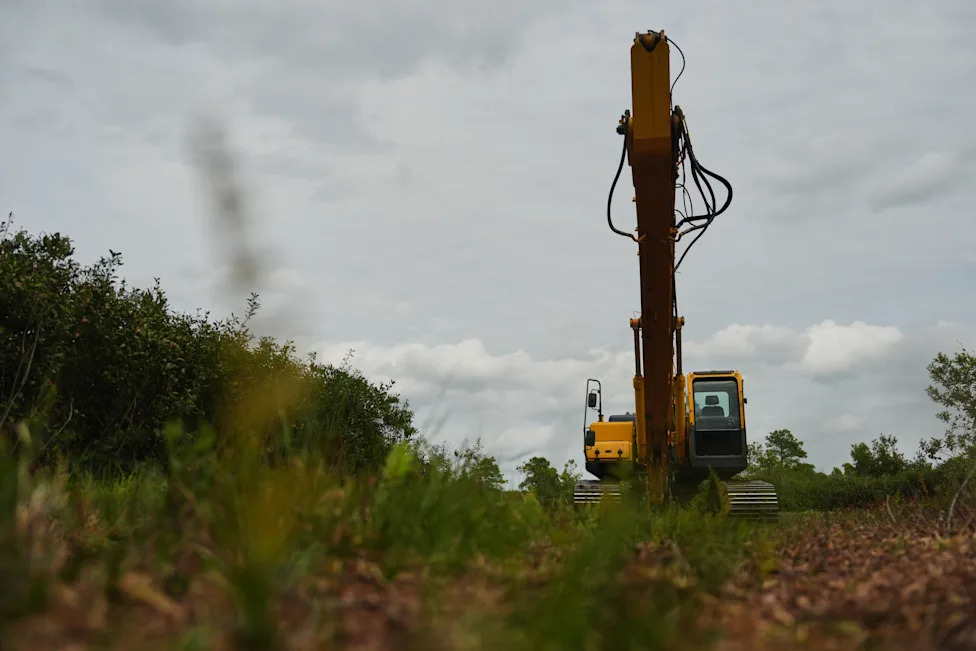
A excavator sits near a restoration site Wednesday, May 6, 2026, in Belhaven, N.C. (AP Photo/Joshua A. Bickel)(AP Photo/Joshua A. Bickel)
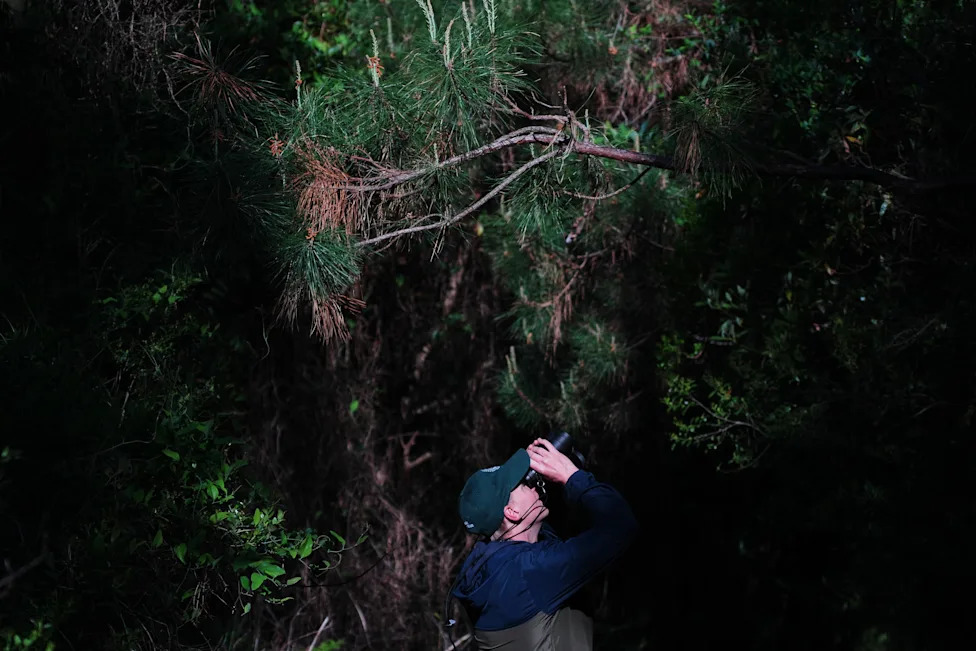
Vlad Roosevelt, director of operations at Pantheon Regeneration, searches for birds during a survey Tuesday, May 5, 2026, in Belhaven, N.C. (AP Photo/Joshua A. Bickel)(AP Photo/Joshua A. Bickel)
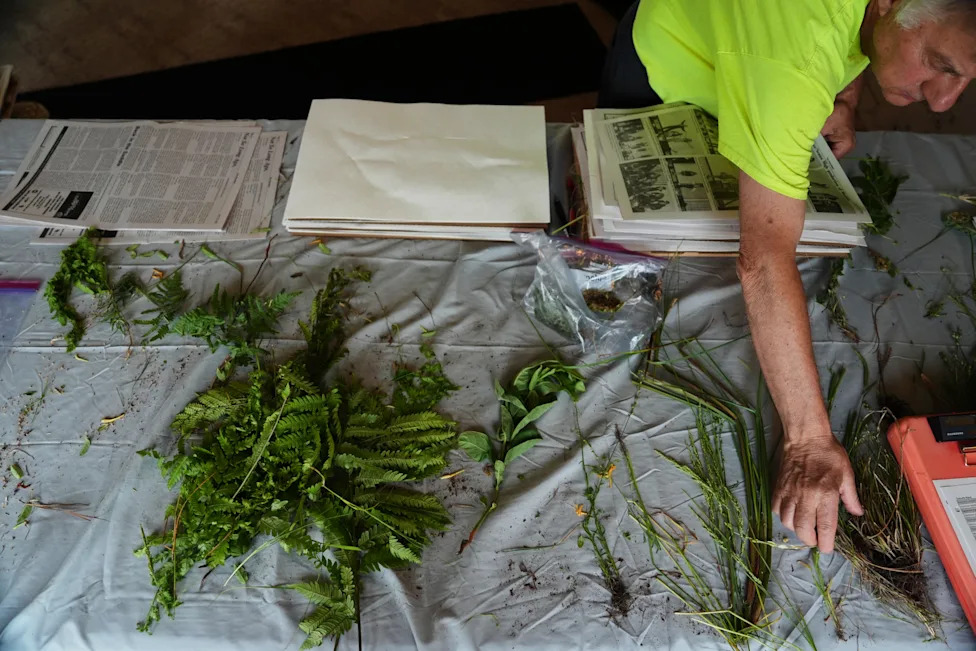
Steve Apfelbaum, a biologist and ecologist, organizes local plant samples Wednesday, May 6, 2026, in Belhaven, N.C. (AP Photo/Joshua A. Bickel)(AP Photo/Joshua A. Bickel)
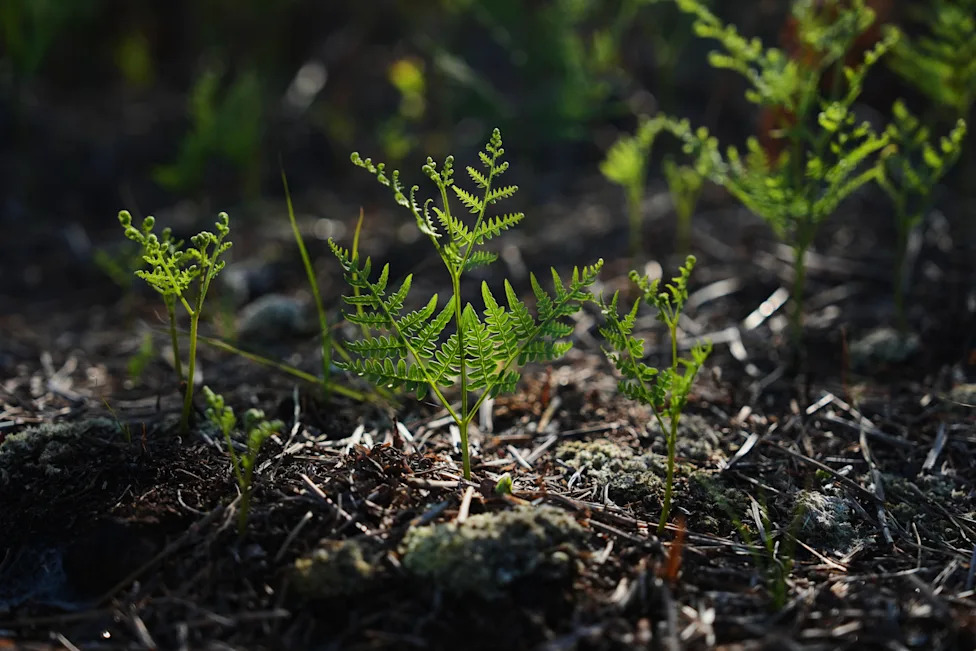
A bracken plant grows out of peatland soil Wednesday, May 6, 2026, in Belhaven, N.C. (AP Photo/Joshua A. Bickel)(AP Photo/Joshua A. Bickel)
Help us improve.