New Zealand produced 94.5% of its electricity from renewable sources in Q1 2026, driven by record solar output (373 GWh) and strong hydro and wind generation. Solar rose about 50% year‑on‑year, while overall net generation grew 1.9%. Gas and coal generation fell sharply — down 67% and 66% respectively — helped by planned outages at Huntly Power Station. Officials said the results reduce fossil‑fuel exposure, improve air quality prospects, and mark the highest March‑quarter renewables share since 1980.
New Zealand Hits 94.5% Renewable Electricity in Q1 2026 — Record Solar Boosts Clean-Energy Milestone

Photo Credit: iStock
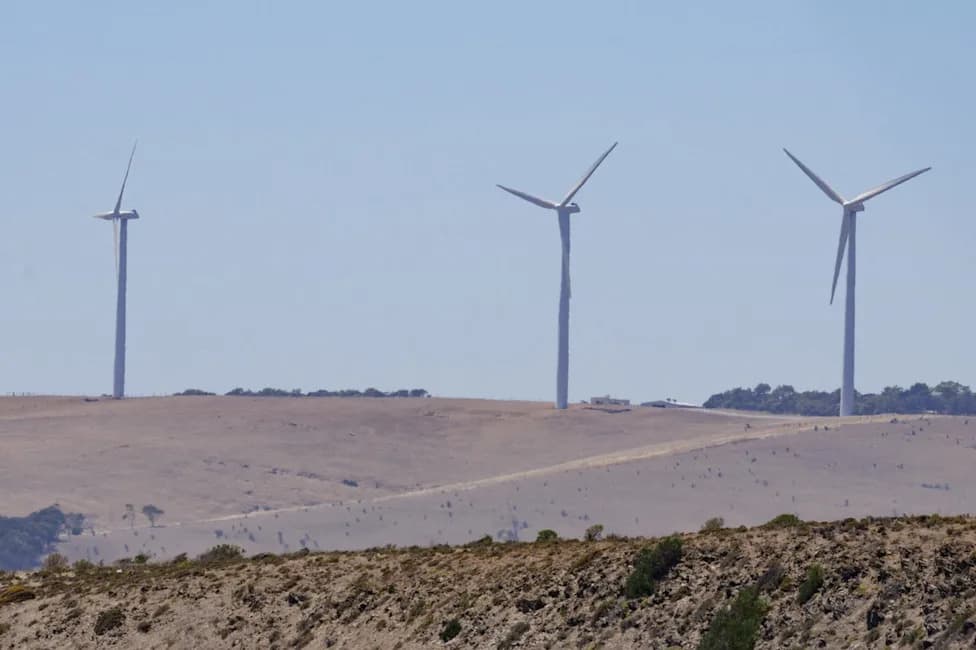
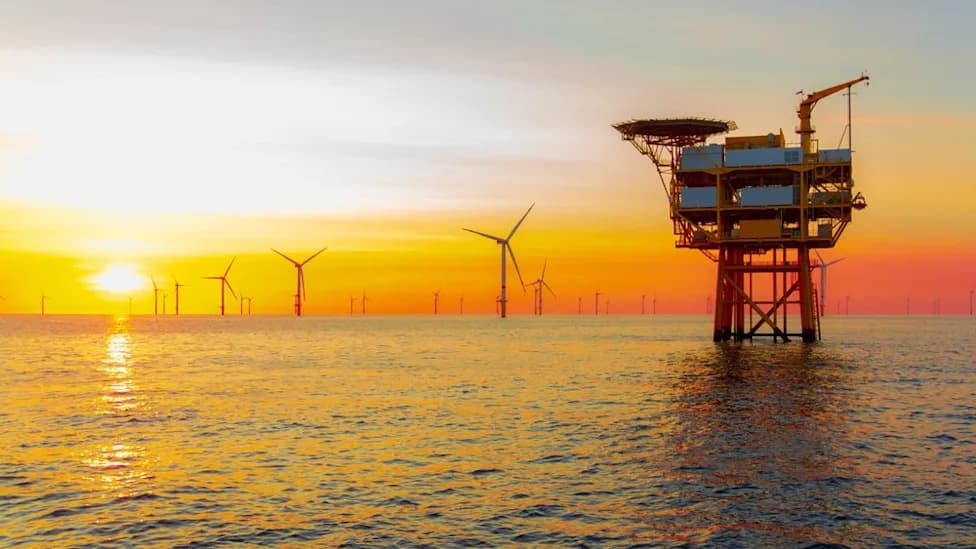
New Zealand recorded one of its cleanest quarters of electricity generation in the first three months of 2026, with renewable sources providing 94.5% of the country's power. A surge in solar output, combined with strong hydro inflows and increased wind generation, pushed the renewable share sharply higher year‑on‑year.
Record Solar, Strong Hydro and Wind
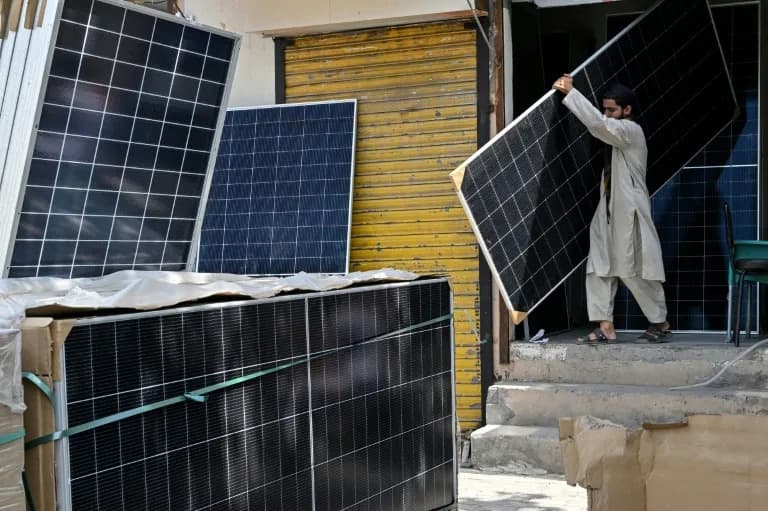
According to the Ministry of Business, Innovation & Employment (MBIE) Energy Quarterly, solar generation reached a record 373 gigawatt‑hours (GWh) in Q1 — roughly a 50% increase from the same quarter last year. New capacity at projects such as Pāmu Rā ki Whitianga and Te Herenga o Te Rā near Ōpōtiki, together with favourable summer weather, helped drive that jump.
"A favourable mix of strong hydro inflows, increased wind output, and a 50% year‑on‑year increase in solar generation helped keep renewable electricity generation high this quarter," MBIE domains manager Amapola Generosa said in a press release.
Fossil Fuels Plummet As Net Generation Edges Up
Net electricity generation rose 1.9% from a year earlier, yet fossil‑fuel generation fell sharply: gas‑fired generation dropped 67% and coal‑fired generation fell 66%. MBIE noted that planned outages at Huntly Power Station contributed to the reduction in coal use.
Wider Market Context
Generosa cautioned that declining domestic gas production and ongoing global uncertainty continue to influence prices and supply across the energy system. Still, MBIE reported that fuel imports remained stable despite disruptions to global shipping routes after the early‑March closure of the Strait of Hormuz.
What This Means
Higher renewable penetration reduces emissions from burning coal and gas, lowers exposure to volatile international fossil‑fuel markets, and improves prospects for cleaner electricity as demand rises. Potential benefits include more stable energy costs, better air quality and greater grid resilience.
MBIE highlighted that weather remains a key driver of renewable output: high rainfall and windy conditions increased hydro and wind generation. Generosa described the quarter as a milestone, noting this marks two consecutive quarters with renewables supplying over 90% of New Zealand's electricity and the highest share for a March quarter since 1980.
Help us improve.