The U.K. recorded its highest wind power output in 2025, with wind, solar, hydro and biomass producing over 127 TWh — about 44% of the country's electricity. Wind accounted for more than 85 TWh (nearly 30% of Great Britain’s power), and offshore wind hit a record 52 TWh (17.7% of the mix). Early 2026 figures show wind output jumping 31% year-on-year, while large onshore and offshore pipelines (50+ GW and 93 GW) and rising jobs point to further expansion and stronger energy security.
UK Wind Power Hits Record Levels, Bolstering Energy Security Amid Global Supply Strains
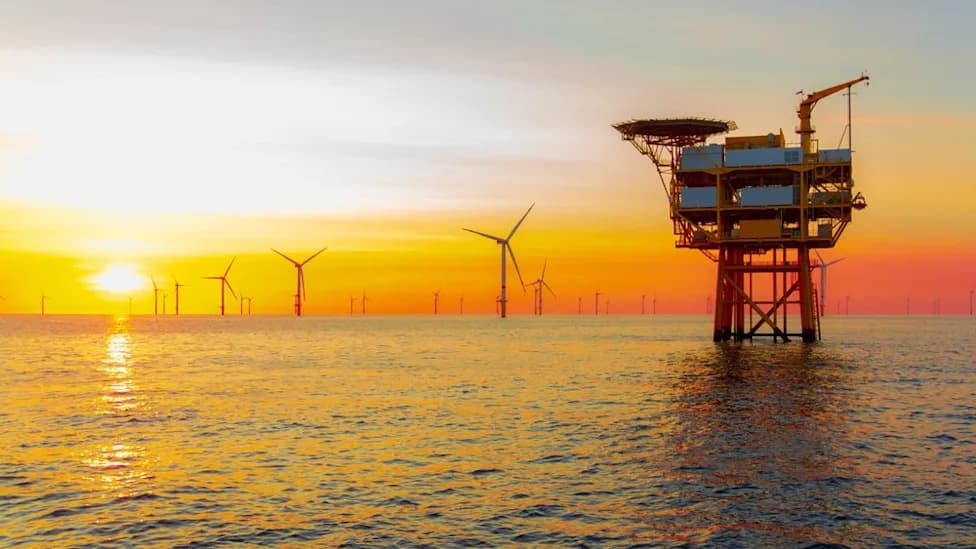
UK Wind Power Hits Record High as Energy Security Risks Mount
The United Kingdom has rapidly expanded its wind energy capacity over the past decade and reached record wind output in 2025. With a large pipeline of onshore and offshore projects progressing through planning and construction, wind is set to play an increasingly central role in the U.K. electricity mix and national energy security over the coming decade.
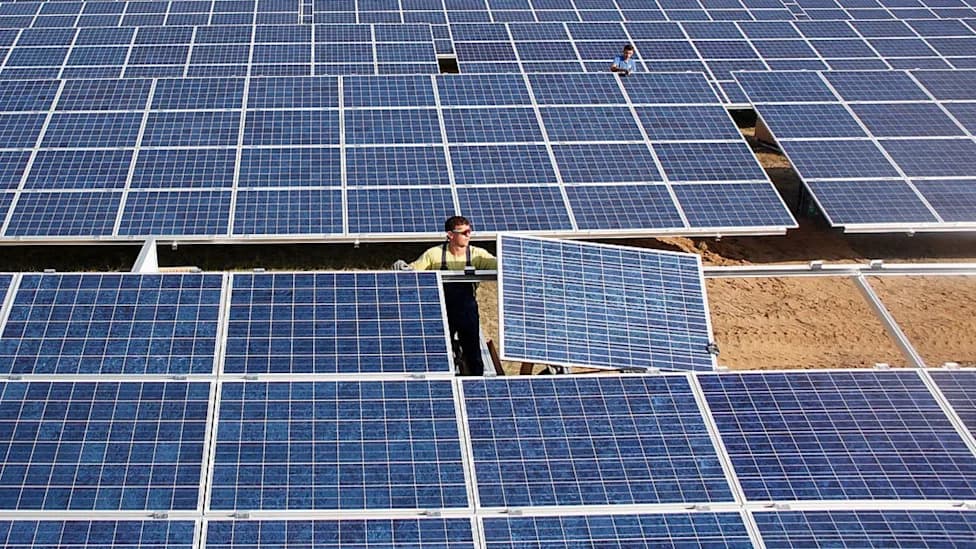
Key 2025 figures: According to the National Energy System Operator (Neso), wind was the largest single renewable electricity source in 2025. Together, wind, solar, hydro and biomass produced more than 127 terawatt-hours (TWh) of electricity — roughly 44% of the U.K.'s power for the year.
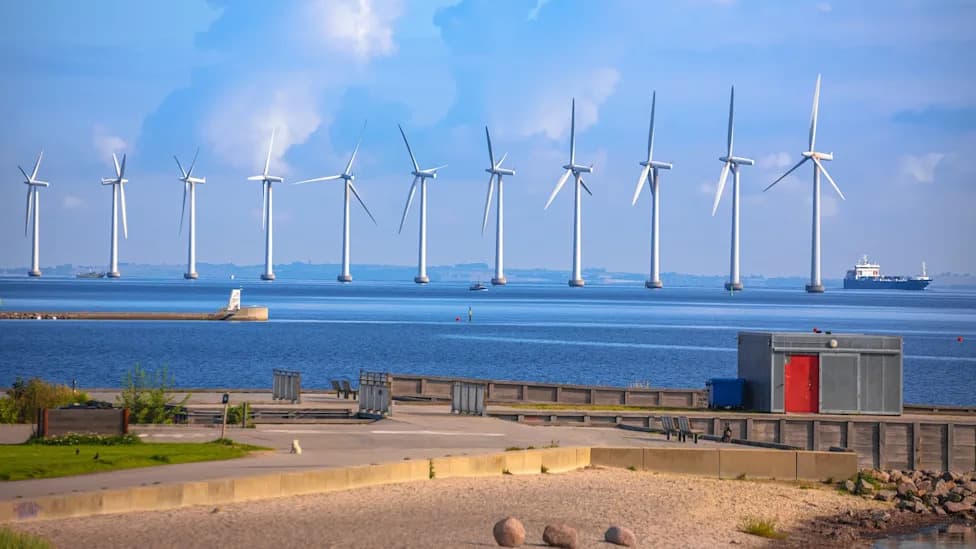
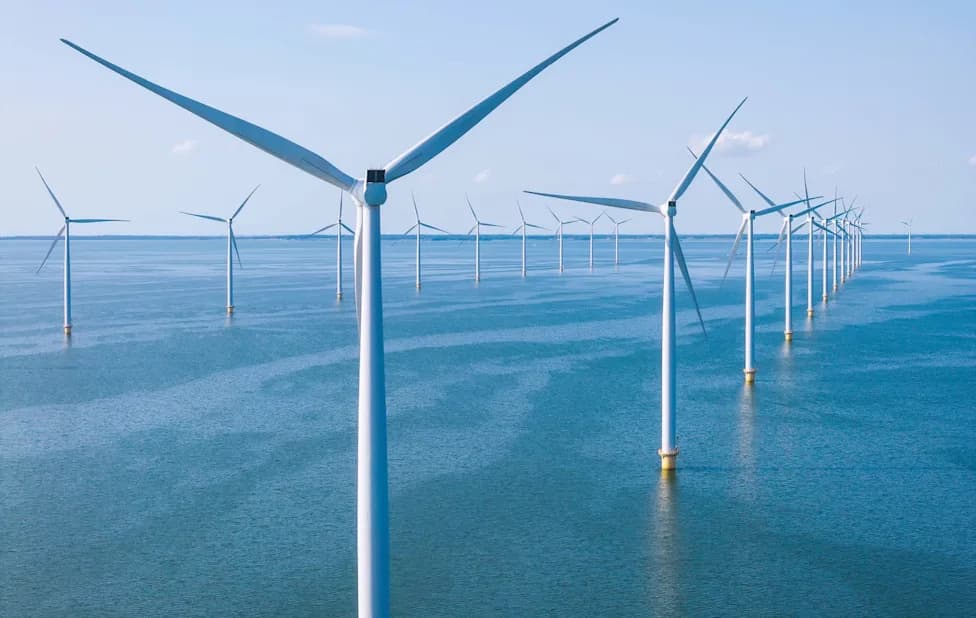
Wind alone generated over 85 TWh in 2025 — nearly 30% of Great Britain’s electricity — while offshore wind delivered a record 52 TWh, equivalent to about 17.7% of the national mix, the Department for Energy Security and Net Zero reports.
“We secured a record-breaking amount of offshore wind in the last round, which will bring over £30 billion in private investment to the U.K., and it’s essential that we continue to procure good value renewables,”
RenewableUK CEO Tara Singh said. “The last auction showed onshore wind is half the cost of new gas plants and offshore wind is 40% cheaper.”
Early 2026 data point to sustained momentum: power from wind farms rose 31% in the first three months of 2026 compared with the same period in 2025, according to London Stock Exchange data. That increase helped lift clean energy generation by about 16% year-on-year and contributed to an approximate 4% rise in total power output.
Energy Security And Market Context
The growth in wind generation has materially diversified the U.K.’s power mix and reduced reliance on fossil fuels. Higher levels of clean electricity in 2026 have helped the U.K. weather global oil and gas shortages triggered by trade disruptions — including the temporary closure of the Strait of Hormuz — which sent fuel prices higher and highlighted the vulnerability of markets that depend heavily on fossil imports.
Project Pipeline And Regional Development
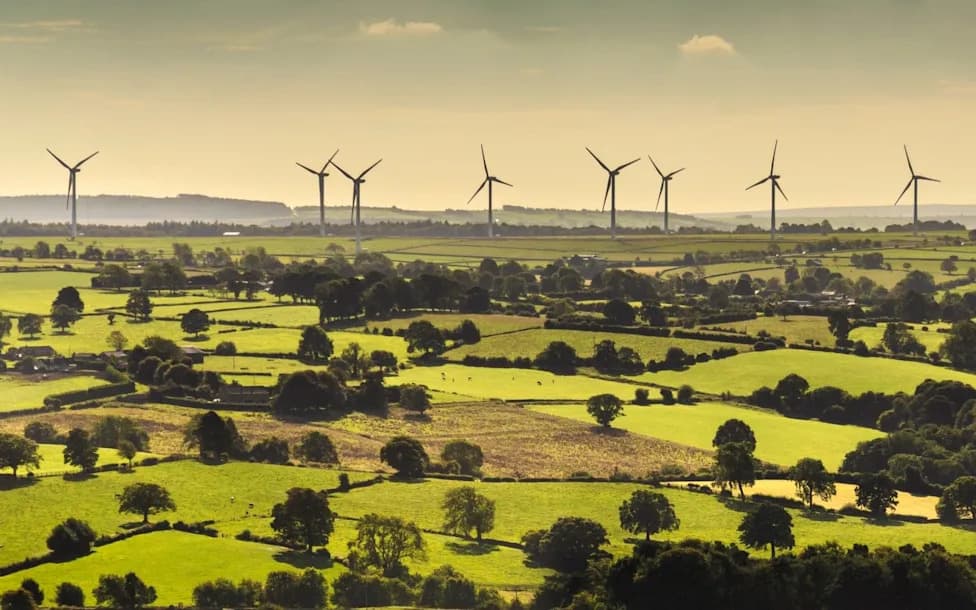
Onshore activity in England has accelerated since policy changes in 2024: 45 new onshore wind applications were submitted in the year to March — roughly 36 MW per month — as reported by the Guardian. The U.K. onshore pipeline now exceeds 50 GW and grew by more than 3 GW in the past year.
Scotland remains the dominant hub for onshore wind capacity — its projects were not constrained by England’s prior de facto restrictions — and currently accounts for about 75% of the U.K.'s onshore portfolio. Wales represents roughly 12%, England 8% and Northern Ireland 5%.
North Sea Cooperation And Offshore Ambition
International plans are also pushing expansion in the North Sea. In January, German chancellor Friedrich Merz said he wants the North Sea to become the "largest reservoir of clean energy worldwide," part of an initiative with the U.K. and other European partners to accelerate offshore wind deployment and create a connected subsea grid. Proponents target up to 100 GW of interconnected offshore capacity — a scale supporters say could supply tens of millions of homes across the region.
The Crown Estate’s U.K. Offshore Wind Report (May) highlights about 93 GW of fixed and floating offshore capacity in planning or identified as having future potential. The offshore wind sector currently employs roughly 40,000 people in the U.K.; that workforce could expand to as many as 94,000 by 2030. In 2025 alone, offshore wind is estimated to have displaced approximately 20.8 million tonnes of CO2.
Overall, the U.K.'s accelerated rollout of onshore and offshore wind, backed by significant private investment and growing supply chains, is expected to strengthen domestic energy security and reduce exposure to fossil fuel market shocks over the coming decade.
By Felicity Bradstock for Oilprice.com
Help us improve.