Solar and wind supplied around 80% of demand on Australia’s National Electricity Market across 18–19 September, with rooftop solar contributing nearly half of generation at peak. Open Electricity and AEMO five‑minute data recorded peaks of about 80.1% and 80.4% respectively. Clear weather, falling wholesale prices and growing rooftop installations helped drive the surge; grid operators say more storage and stronger transmission will be vital as coal plants are retired.
Solar and Wind Power Reach Around 80% of Australia’s Main Grid — Renewables Break Records Two Days Running
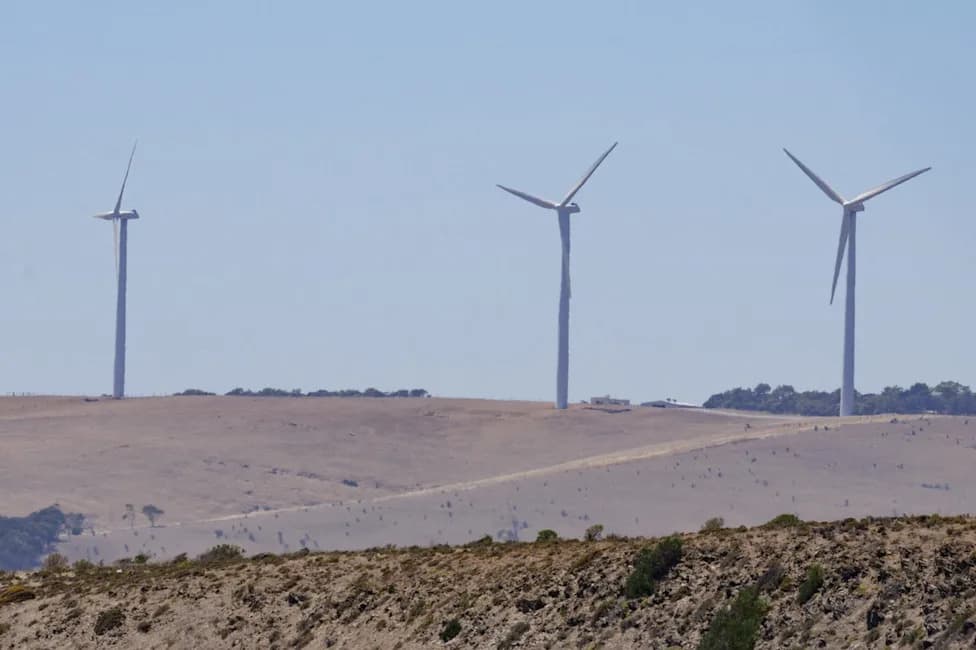
Solar and wind supply record 80% of Australia’s main power grid for first time
Solar and wind generation set a new renewable-energy milestone in Australia over 18–19 September, supplying roughly 80% of demand on the National Electricity Market (NEM) for the first time.
Data from Open Electricity show the NEM — which covers New South Wales, Victoria, Queensland, South Australia and the Australian Capital Territory — reached a renewable share of 79.5% at about 1:30pm on 18 September. Five‑minute resolution data indicated the share briefly climbed to as much as 80.1%.
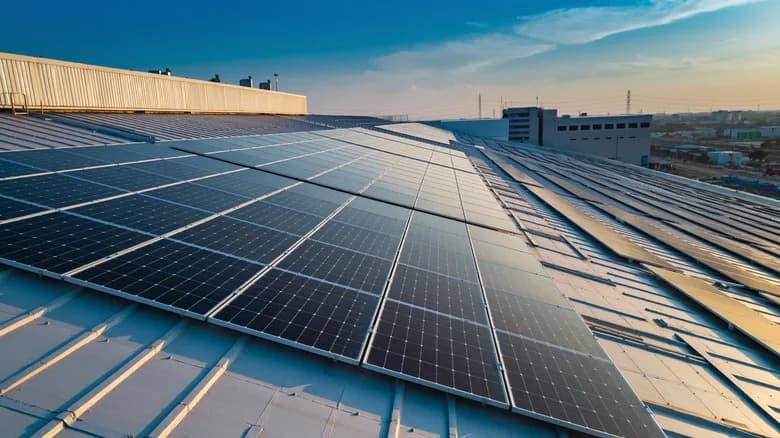
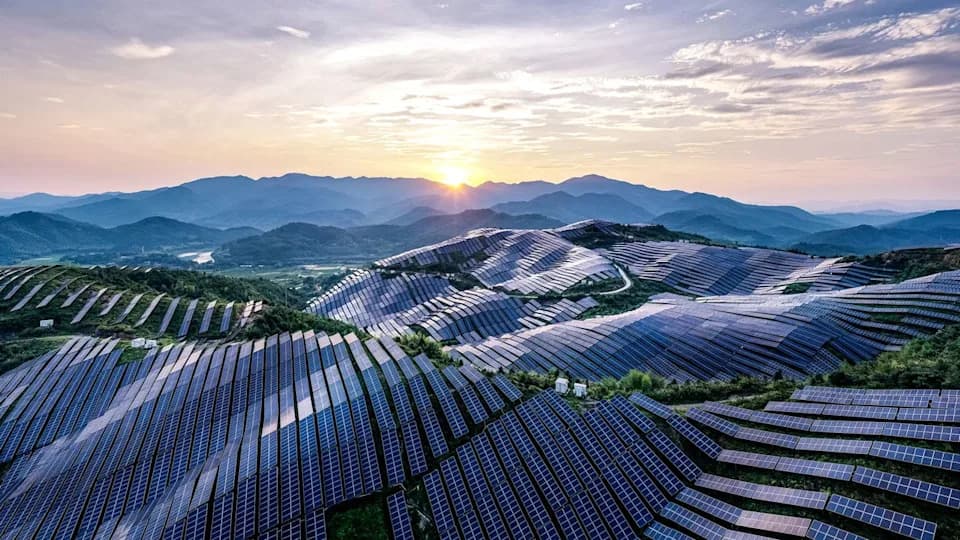
By mid‑afternoon on 18 September, 26,316 MW of renewable generation was feeding the grid while just over 2,000 MW came from fossil fuels. Rooftop solar alone accounted for 47.9% of generation, with utility‑scale solar contributing a further 22.1%. Brown and black coal together made up roughly 20% of the mix and gas provided under 1%.
The milestone was fleeting. The Australian Energy Market Operator (AEMO) recorded a higher renewable share of 80.4% on 19 September, when rooftop solar supplied more than half of total demand for about 30 minutes at lunchtime. That second peak combined rooftop and large‑scale solar with wind output and a small contribution from hydropower (around 1%), while coal and gas provided the remaining roughly 20%.
Why The Records Happened
Experts say a run of clear, sunny days and relatively low demand for heating or cooling helped create a "record season" for renewables. Dylan McConnell, an energy‑systems researcher at the University of New South Wales, told The Guardian that such records are likely to be broken again as similar weather and growing rooftop capacity align.
Chris Bowen (Australia's federal energy minister): "More clean, cheap, sovereign energy powering our homes and businesses than ever before. There's a long way to go, but expect more and more of these milestones in the future as Labor gets on with the job of the energy transition."
Broader Trends And Implications
Renewables supplied an average 42.1% of the NEM in the three months to June — a record for that quarter — following a 46.5% share in the first quarter. Average underlying demand in the June quarter reached a record 24,220 MW, while average wholesale prices fell 47% year‑on‑year to A$74 per MWh (about £38), their lowest level for that quarter since 2020.
Grid operators face growing complexity as coal‑fired stations are retired. Increasing storage (batteries and pumped hydro), demand response and stronger transmission links will be essential to move renewable electricity across time and between regions as high‑renewable periods become more frequent.
What to watch next: further short‑term records as rooftop solar capacity and large‑scale renewables grow, and policy and investment moves to expand storage and interconnection to manage variability.
Help us improve.