The Lubec Shellfish Committee and the Downeast Institute planted seed clams on Lawrence’s Factory, Globe Cove and Klondike flats and will monitor them closely as a strong El Niño raises risks to clam survival. Warmer, wetter conditions expected in 2026 could boost invasive green crabs and native predators like ribbon worms, and favor fouling algae such as Dasysiphonia japonica that smother clam beds. While moderate rainfall can feed phytoplankton and speed clam growth, experts warn milder winters may reduce natural checks on predators and worsen long-term declines.
El Niño Threatens Maine Clam Flats — Lubec Plants Seed Clams as Risks Rise
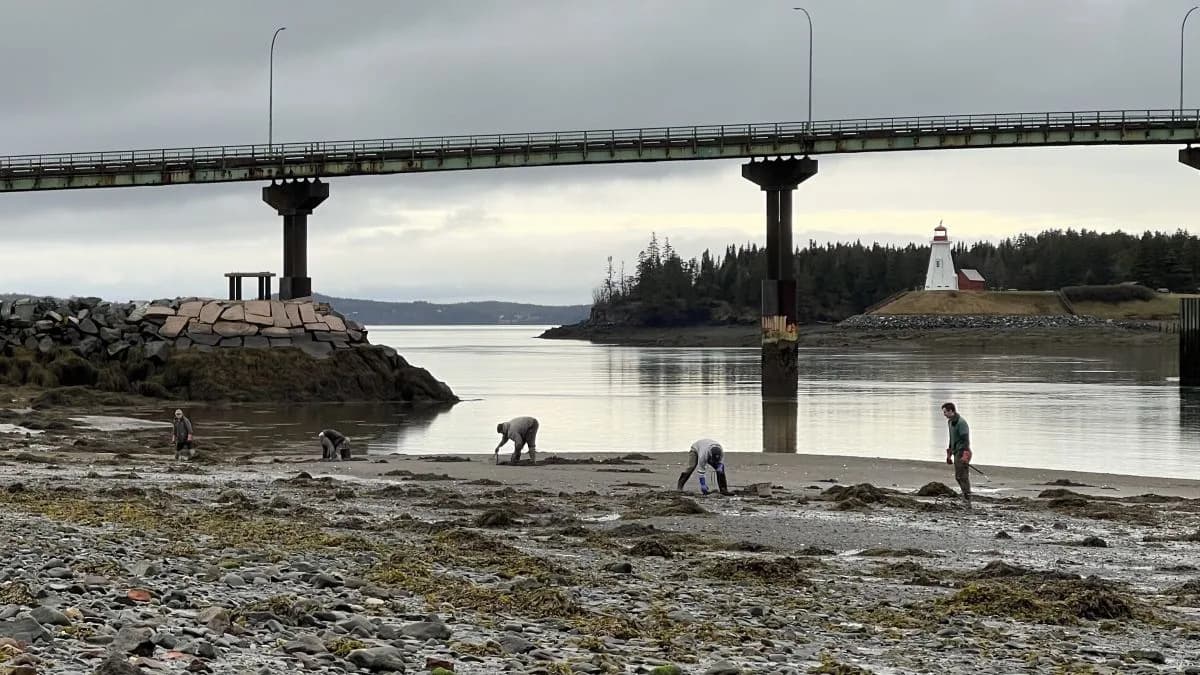
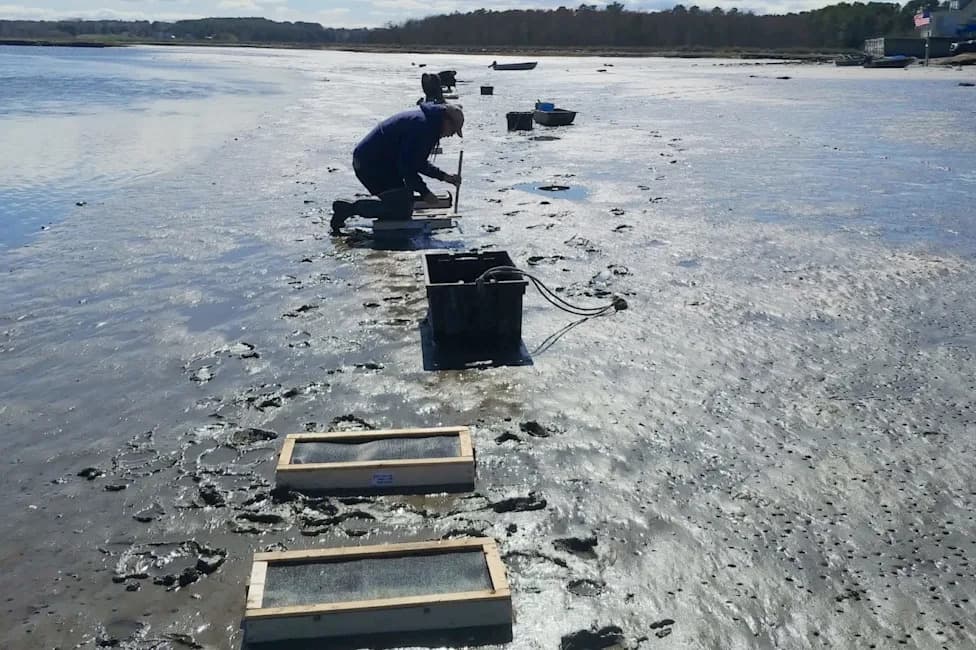
Clammers gathering juvenile clams in the Narrows flats on May 7.
Lubec shellfish harvesters, with assistance from Kyle Pepperman of the Downeast Institute, planted seed clams last week on freshly prepared beds at Lawrence’s Factory, Globe Cove and Klondike flats. The new beds will require year-round care and close monitoring for predators and for biofouling from algae and seaweed.
Ongoing Monitoring by Local Managers
The Lubec Shellfish Committee, which oversees, manages and conserves local shellfish resources, said it will routinely check conditions on the recently planted flats and issue updates if changes occur. Committee members emphasize that vigilance will be essential to protect the new beds.
El Niño Raises the Stakes
Scientists expect a strong El Niño this year, which is likely to make 2026 warmer and wetter than usual in Maine. El Niño refers to unusually warm surface waters in the eastern Pacific that alter wind patterns and produce weather shifts around the world. While its effects vary by region and season, National Oceanic and Atmospheric Administration outlooks and climate experts say El Niño-like patterns are already apparent in this summer's forecasts.
How Warmer, Wetter Conditions Could Hurt Clams
A warmer, wetter 2026 could have immediate and longer-term impacts on clam beds by altering food supplies, predator populations and habitat conditions. Some changes may appear this year; others could unfold over multiple seasons.
Green Crabs: An Expanding Threat
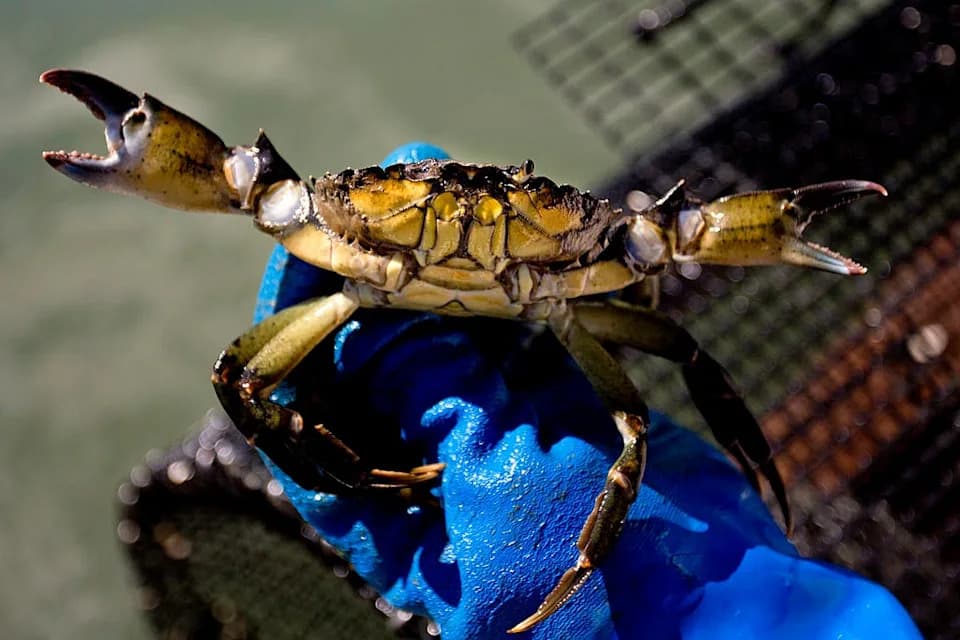
Perhaps the greatest risk to softshell clams is the invasive green crab (Carcinus maenas). Present in New England since at least the 1800s, green crabs surged about 50 years ago as warming Gulf of Maine waters created favorable conditions. The species reproduces in huge numbers: a single female commonly releases more than 200,000 eggs per clutch, and even at a 1 percent survival rate that yields roughly 2,000 larvae drifting in the water column.
Efforts to control green crab populations have had limited success. Their rise has been tied to steep declines in clam harvests along the Maine coast. A 2016 Downeast Institute report documented the collapse of Freeport's clam fishery, where harvests fell about 70 percent and clammers' income dropped roughly 50 percent after green crabs became established.
Other Predators and Fouling Species
Native predators such as the milky ribbon worm (Cerebratulus lacteus) also may benefit from warmer waters. This predator can reach up to 3 feet in length and swallow small clams whole; its ability to squeeze through very fine mesh makes it a major threat to clam gardens.
Warmer seas also favor invasive and nuisance algae. Dasysiphonia japonica, a red alga spreading along the New England coast since at least 2010, forms low, dense turf that can crowd out kelp forests and create oxygen-poor conditions that smother marine life, including clam beds. When this alga decomposes onshore it can turn orange and release harmful compounds. Harmful algal blooms driven by organisms such as Alexandrium catenella (responsible for red tides) are another warming-linked hazard.
Some Potential Upsides — And Ongoing Uncertainty
Not all effects of El Niño will be negative. Moderate increases in rainfall can flush nutrients into coastal waters, boosting the phytoplankton that clams feed on, and warmer water can accelerate clam growth under some conditions. Still, experts caution that milder winters reduce natural freeze mortality that once limited green crab numbers, potentially increasing predation pressure in 2027.
Context From Climate Experts: Andrew Pershing of Climate Central notes that El Niño's precise local impacts are difficult to predict and will unfold on top of an ongoing warming trend in the Gulf of Maine. In that sense, an El Niño year provides a preview of potential long-term changes to Maine's coast.
The Lubec Shellfish Committee and partners will continue monitoring the new plantings closely and update harvesters and the public as conditions evolve.
Help us improve.