The Bureau of Land Management denied a May 8, 2026 request to graze bison on seven federal allotments, prompting an appeal from the American Prairie Association. Ranchers cite brucellosis and economic priorities for cattle, while conservationists warn the decision increases pressure on already vulnerable Yellowstone herds. The Department of the Interior says the ruling follows the Taylor Grazing Act because the herd is managed for conservation rather than "livestock production." The case is now in administrative appeals and could reach federal court.
BLM Denies Wild Bison Grazing Lease — Appeal Filed as Yellowstone Herds Face New Pressure
On May 8, 2026, the Bureau of Land Management (BLM) denied a grazing lease for seven federal allotments sought by the American Prairie Association to support wild bison. The association has asked the Department of the Interior’s Board of Appeals to stay the decision while it pursues administrative review.
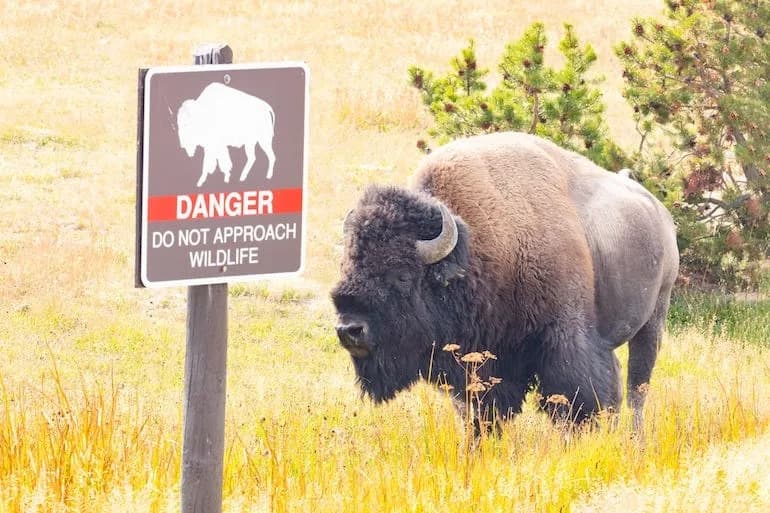
What prompted the dispute? Cattle ranchers oppose sharing federal grazing allotments with bison, citing the perceived risk that bison could transmit brucellosis to cattle. Attempts to test whole bison herds for disease have, at times, caused significant stress and mortality, prompting managers to shift toward sampling representative adult animals from breeding herds rather than broad testing programs.
Concerns about disease have also been cited to justify lethal management of bison. Hunting by recreational shooters in open country and management culls remain sources of mortality. For decades the U.S. Forest Service has permitted ranchers to truck cattle into summer range around Yellowstone while bison using the same lands are subject to removal—policies that advocates have repeatedly petitioned the agency to change.
Native Nations and hunting — Native Nations that maintain bison hunting traditions exercise treaty rights to harvest animals. Conservationists and some tribal leaders argue that in years of poor calf survival and herd decline, harvest should be curtailed and focused on ceremonial and cultural needs to allow population recovery.
Resilience, hybridization, and numbers — Bison (modern Bison bison) are a species that survived dramatic Pleistocene extinctions and evolved from larger ancestral forms such as Bison priscus and Bison antiquus. Part of modern bison’s history includes introgressive hybridization with cattle: genetic studies of several major North American bison lineages have found cattle DNA in many commercial and conservation herds.
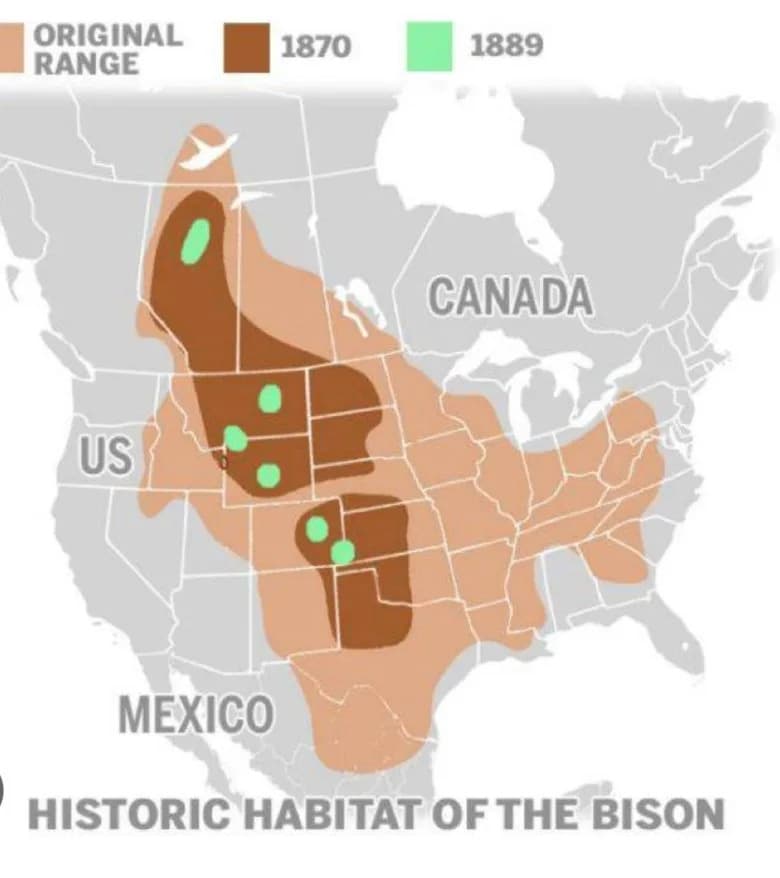
Today roughly 30,000 bison roam free in the wild in North America, while about 470,000 are raised in commercial herds. Preserving truly wild bison matters because those populations continue to evolve within native ecosystems; Yellowstone National Park hosts one of the most important wild bison populations and has been central to recent regulatory decisions.
"While we do not comment on pending litigation, the Bureau of Land Management’s decision was firmly grounded in federal law and a thorough review of the administrative record. The agency determined that American Prairie’s bison operation does not satisfy the statutory requirements for a federal grazing permit under the Taylor Grazing Act because the herd is managed primarily for conservation purposes rather than livestock production."
Regulatory line and Yellowstone’s losses — The Department of the Interior has defended the BLM ruling as an interpretation of the Taylor Grazing Act that excludes wild, conservation-managed bison from federal grazing permits on the basis that they are not managed primarily for livestock production. Yellowstone’s bison populations—representing Plains bison (Bison bison bison) and Wood bison (Bison bison athabascae)—suffered severe losses this year, the worst since 2008.
On Dec. 22, 2022, a freight truck struck animals just outside Yellowstone, killing 13 bison and resulting in additional euthanizations. Food shortages had pushed the herd beyond park boundaries into riskier landscapes where vehicle collisions and legal hunting posed real threats.
Although advocacy groups have helped expand protected range beyond Yellowstone, protections to date have not eliminated human-caused and management-related threats. Petitions from nonprofit organizations prompted the Department of the Interior to conduct a status review to determine whether Plains bison warrant protection under the Endangered Species Act; the Department has recommended protection but has not finalized whether the proper listing is "threatened" or "endangered."
Co-management and policy recommendations — Many conservationists and tribal leaders say meaningful co-management of distinct bison herds with Native Nations is long overdue. Yellowstone and other federal agencies should consult Tribes that maintain bison traditions in accordance with President Biden’s Executive Order of Jan. 21, 2021, and the consultation protocols developed under that guidance.
Markets, jurisdiction, and food systems — Commercial bison ranching has created economic incentives that helped sustain many herds; ground bison is now widely available in grocery stores. Regulatory oversight varies by context: meat inspection for private slaughter is often voluntary, but meat entering commercial markets must comply with federal inspection standards. Depending on whether animals are wild or domesticated, management and regulatory responsibility may involve the U.S. Fish and Wildlife Service, the U.S. Department of Agriculture, or the Food and Drug Administration.
Legal path forward — The BLM decision is under administrative appeal within the Department of the Interior. Under doctrines of ripeness and exhaustion, parties generally must pursue available administrative remedies before seeking judicial review. If the Interior’s Board of Appeals upholds the agency action, the dispute could proceed to federal district court.
In litigation, challengers may argue the Department’s action effectively functions as agency rulemaking. Rulemaking under the Administrative Procedure Act generally requires notice-and-comment procedures, including a public notice and a comment period (commonly at least 60 days) before an agency imposes binding rules that affect regulated parties.
Conclusion — The BLM decision and ensuing appeal highlight tensions among conservation goals, ranching interests, tribal rights, and public-land management. The case will test administrative law limits and the government’s approach to conserving truly wild bison while balancing competing land uses.
About the author: Professor Victoria Sutton (Lumbee) is a law professor at Texas Tech University. For more of her writing, see: https://profvictoria.substack.com/
This article originally appeared on Native News Online.
Help us improve.