U.S. Wildlife Service guidance could let endangered animals be killed during development and resource projects if the harm is not intentionally directed at them. The memo, attributed to Director Brian Nesvik in September 2026, expands on a prior 2026 rule that removed habitat destruction from the Act’s definition of "harm." Conservationists, former officials and state agencies warn the change would undercut environmental reviews, permits and mitigation measures and could spur additional lawsuits.
New U.S. Wildlife Guidance Could Allow Endangered Animals To Be Killed If Not 'Targeted'

Photo Credit: iStock
The U.S. Fish and Wildlife Service has issued guidance that could permit the unintentional killing of endangered animals during development, logging and other projects so long as those deaths are not the deliberate objective. The directive, attributed to Director Brian Nesvik in September 2026, builds on an earlier 2026 rule that removed habitat destruction from the statutory definition of "harm" under the Endangered Species Act (ESA).
What The Memo Says
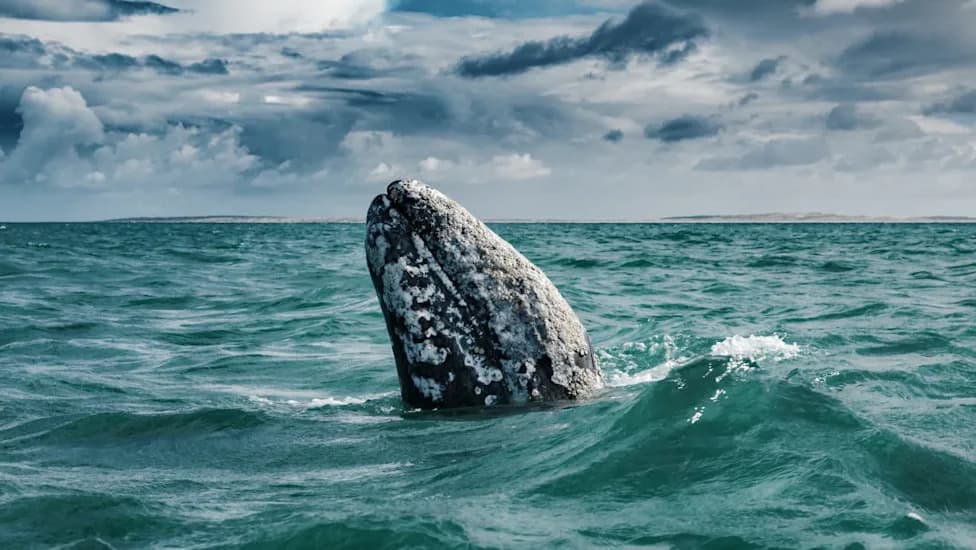
According to reporting by Stateline, Nesvik told agency staff that a direct killing would violate the ESA's ban on an unlawful "take" only when the act was "intentionally directed at a particular animal or animals." The memo offers concrete examples to illustrate that view: a vessel that accidentally strikes a whale "has not taken it, because the vessel's course was not set against the whale," and felling a tree "is not a take of the bats roosting in it unless the tree is felled for the purpose of killing or capturing them."
Why Conservationists Are Alarmed
Conservation groups, many former federal wildlife officials and a range of state wildlife agencies say the interpretation would strip much of the ESA's practical force. For decades the ESA has required federal agencies, developers and industries to evaluate and mitigate harms to threatened species—through environmental reviews, permit conditions and project modifications. If incidental deaths or habitat destruction are excluded from the law’s protections, those safeguards could disappear.
Brett Hartl, Government Affairs Director at the Center for Biological Diversity: "Unless you're wearing a T‑shirt that says, 'I'm here to draw the blood of endangered species,' you're basically off the hook."
Former grizzly-bear recovery coordinator Chris Servheen called the memo "ridiculously extreme," warning it could render the Act "essentially...a meaningless law." Jane Davenport, senior attorney at Defenders of Wildlife, noted the memo leans on a dissent by the late Justice Antonin Scalia in a 1995 case, even though the Supreme Court majority said habitat destruction can qualify as "harm."
Earthjustice attorney Ben Levitan described the guidance as altering the practical meaning of the earlier rule in a way the public was not told to expect, calling the approach "incredibly sneaky and disingenuous." State wildlife officials from Arizona, Georgia, Louisiana, New Mexico, North Dakota, New Jersey, Vermont and Wyoming filed public comments raising concerns; the Association of Fish & Wildlife Agencies also submitted objections.
Potential Consequences For Communities And Species
Advocates warn the policy could accelerate habitat loss and related harms: increased flooding, degraded water quality, reduced resilience of landscapes, and rising conflicts over public-land use and neighborhood safety as projects proceed with less federal oversight. Critics also argue many state agencies do not have the legal authority, capacity or expertise to replace federal protections.
Groups including a coalition of attorneys general, tribes and environmental organizations have already sued over earlier ESA rollbacks; legal challenges tied to this guidance are expected. Proponents argue the changes provide states greater flexibility, while opponents say they amount to a de facto weakening of nationwide species protections.
Broader Context
- Earlier 2026 rulemaking removed habitat destruction from the statute’s definition of "harm."
- Related rollbacks and policy moves have included easing protections during offshore drilling in the Gulf of Mexico and withdrawing a rule aimed at protecting North Atlantic right whales.
- The debate raises questions about how federal and state agencies will share responsibility for endangered species management going forward.
Bottom line: The Nesvik memo represents a significant reinterpretation of what counts as an unlawful "take" under the Endangered Species Act. If implemented and upheld, it could narrow federal protections and prompt new litigation over the future of endangered-species conservation in the United States.
Help us improve.