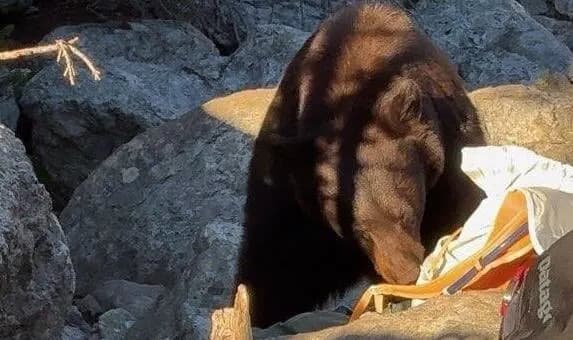
Three Yellowstone visitors moved to about 15 feet from a bison to take close photos, violating the park rule to stay at least 25 yards (75 feet) away. The incident, recorded by photographer April ("Yellowstone Concierge"), drew widespread criticism online. Bison cause more injuries at Yellowstone than any other animal; while deaths are rare, close encounters can result in severe trauma. Park officials urge visitors to give wildlife space, use zoom lenses, and follow safety rules including using bear spray and seeking cover if threatened.
Risking Injury for a Photo: Yellowstone Visitors Approach Bison to Within 15 Feet
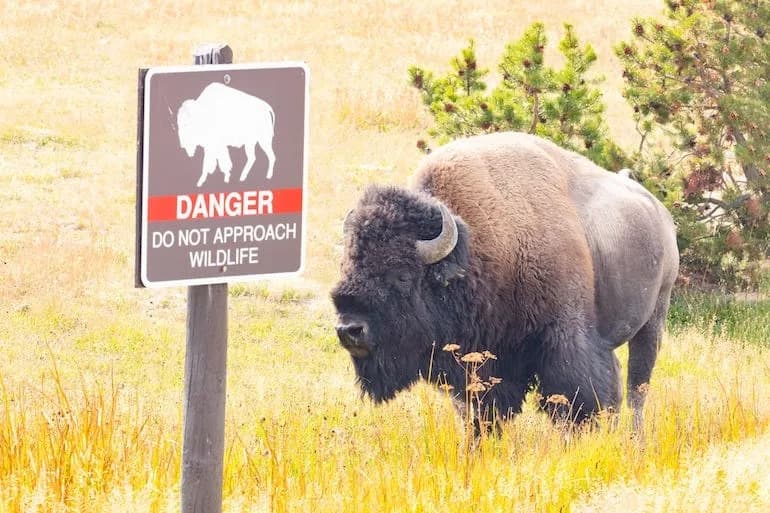
Yellowstone National Park regulations state that visitors must maintain a distance of at least 75 feet from bison.
Three visitors at Yellowstone National Park ignored posted rules and moved to within roughly 15 feet of a bison to take close-up photos, footage shows. The encounter, recorded by wildlife photographer April — who posts as Yellowstone Concierge on Instagram — highlights the dangerous consequences of getting too close to wild animals.
Incident Caught on Video
In the video, April points out that the group violated park regulations requiring visitors to remain at least 25 yards (75 feet) from bison. Despite clear signage and warnings, the visitors approached the animal to get a better shot — a risky decision that has drawn strong public criticism.
Public Reaction
Comments on the Instagram post condemned the visitors' actions. Among the reactions were:
"Did they not hear about the old man the bison flipped?"
"Or the woman who ended up losing her jeans to the bison?"
"I feel like I have started rooting for the wild animals to charge at them."
"Where's a Ranger? Fine the heck out of them!"
"Stupid Stupid Stupid!!! These are not pets. Stay in your cars."
Why This Matters
Bison cause more injuries to visitors at Yellowstone than any other animal in the park. While recorded deaths are rare — only two documented fatalities — close encounters have left people gored, hurled into the air, and suffering broken bones, punctured lungs and serious internal injuries.
Park Rules and Safety Advice
Yellowstone's guidance is explicit: "Keep at least 25 yards (75 feet) from bison at all times and never approach a bison to take a photo." If a bison approaches, the park advises turning around and leaving the area. When a bison is approached too closely, it may display warning behaviors such as bluff charging, head bobbing while staring, pawing the ground, bellowing, or raising its tail — all signals that a charge could be imminent.
If charged or followed, officials recommend moving away immediately, using bear spray while retreating if necessary, and seeking cover behind vehicles or trees. Drivers should also plan extra travel time through Yellowstone and stay inside their vehicles during "bison jams" — do not honk, drive toward, or try to force animals off the road.
Takeaway
Visitors can capture excellent photos safely by using a zoom lens or stepping back. Following park regulations protects both people and wildlife; violators can face substantial fines.
Related coverage: This story follows other reports of risky tourist behavior around bison at Yellowstone, including coverage by FTW Outdoors and For The Win.
Help us improve.