A New Bridge Strategy poll for the Grand Canyon Trust finds 66% of Utah voters support restoring full protections to Bears Ears and Grand Staircase-Escalante, and 82% want tribes to play a strong role in managing sacred public lands. President Trump's July 13 proclamation reduced the monuments by roughly 90%, shrinking protections from over 3 million acres to about 303,000 acres. Tribal leaders warn opening removed lands to mining—especially uranium—could recreate long-term health and environmental harms experienced in the mid-20th century.
Poll: Majority Of Utah Voters Back Restoring Protections For Bears Ears And Grand Staircase-Escalante
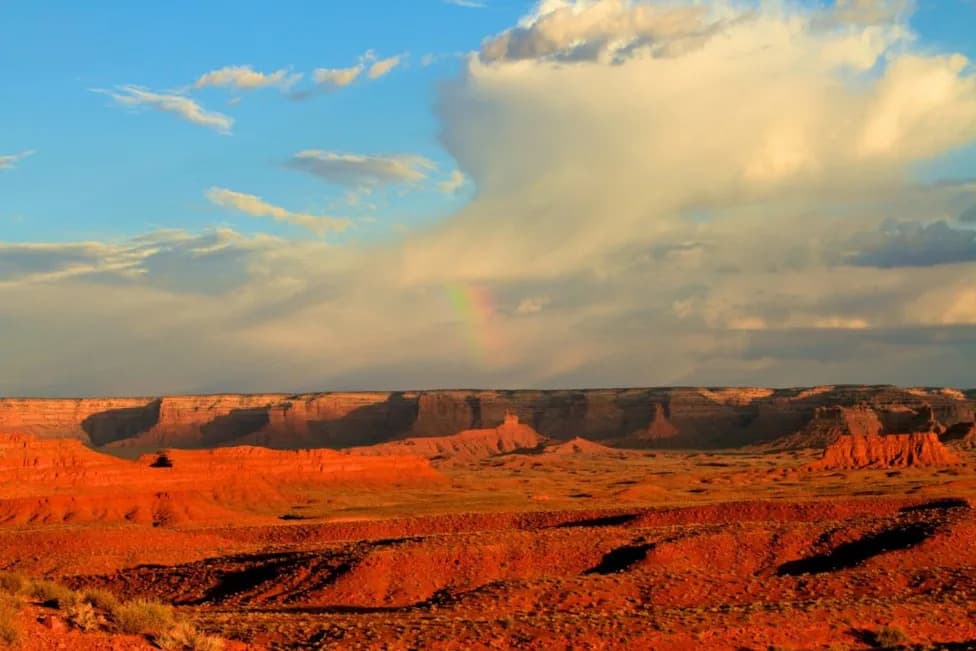
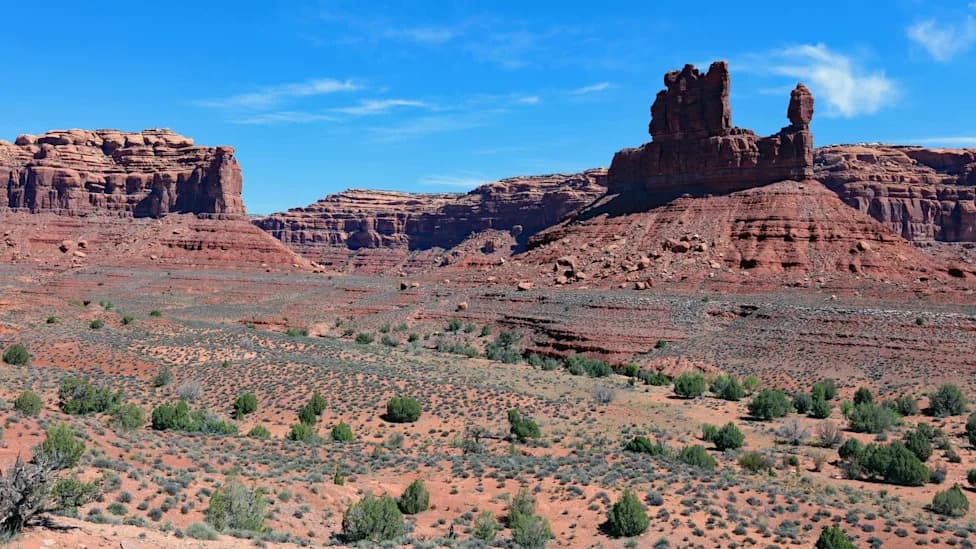
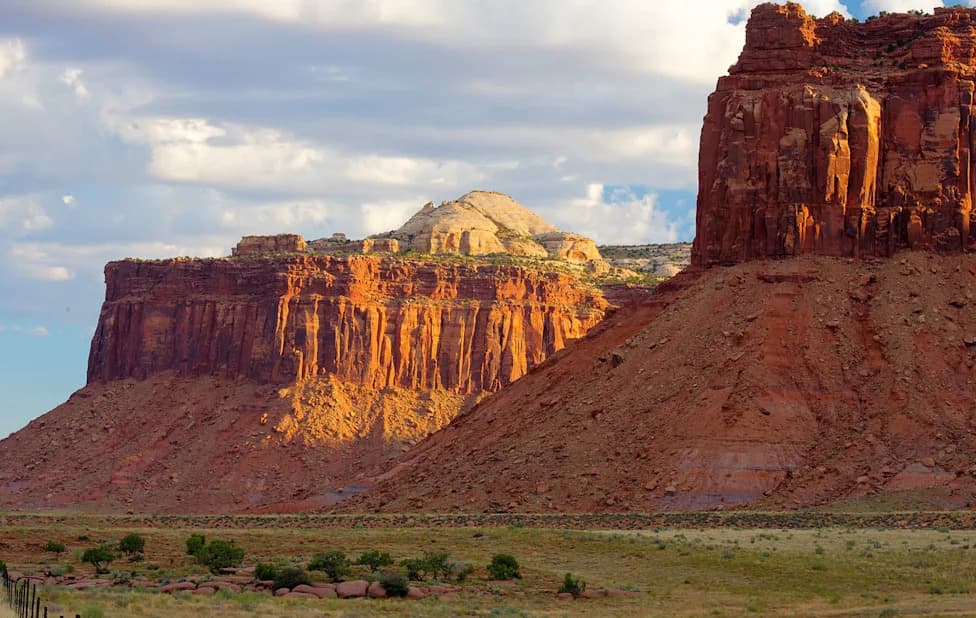
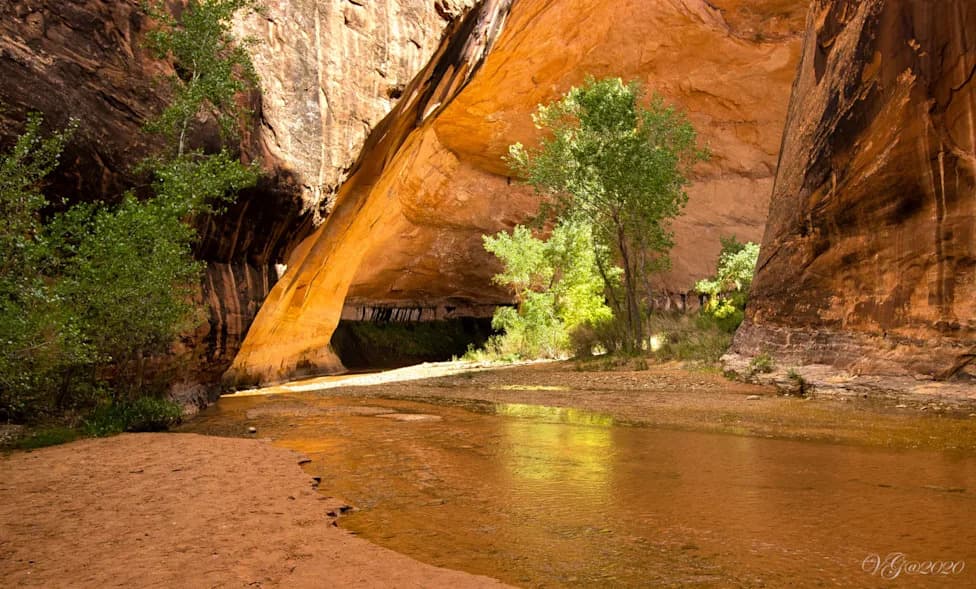
The Bears Ears National Monument, pictured above, and Grand Staircase-Escalante Monument, were reduced by 90% earlier this year.
As mining claims on lands removed from two Utah national monuments become eligible on Friday, Sept. 11, a new poll shows Utah voters overwhelmingly favor restoring protections and ensuring tribal leadership in land stewardship.
Poll Findings
Polling by New Bridge Strategy for the Grand Canyon Trust found that 66% of Utah voters support restoring full protections for all of Bears Ears and Grand Staircase-Escalante. The survey also found that 82% of Utah voters believe Native American tribes should play a strong role in managing public lands that contain sacred or culturally significant sites, and 81% oppose selling public lands to private interests.
What Changed
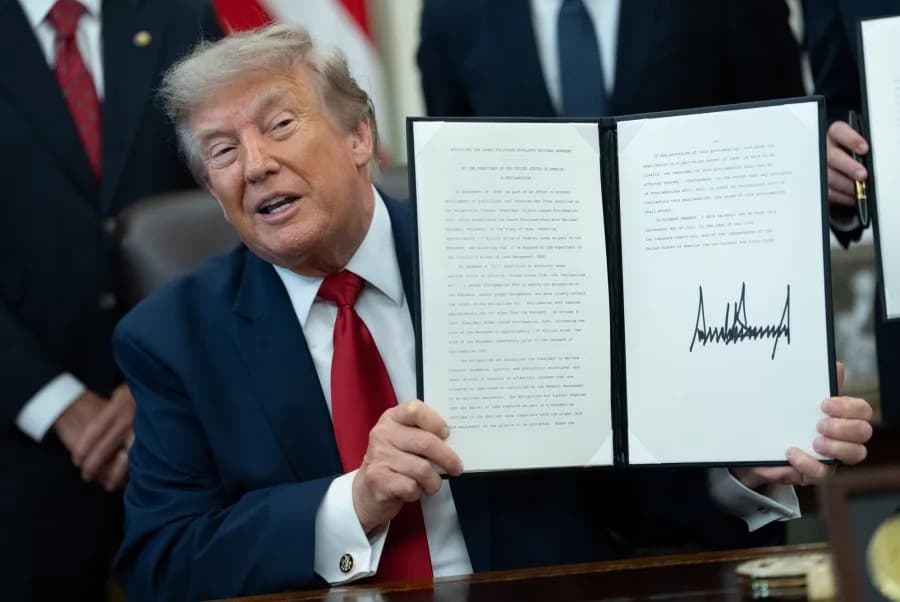
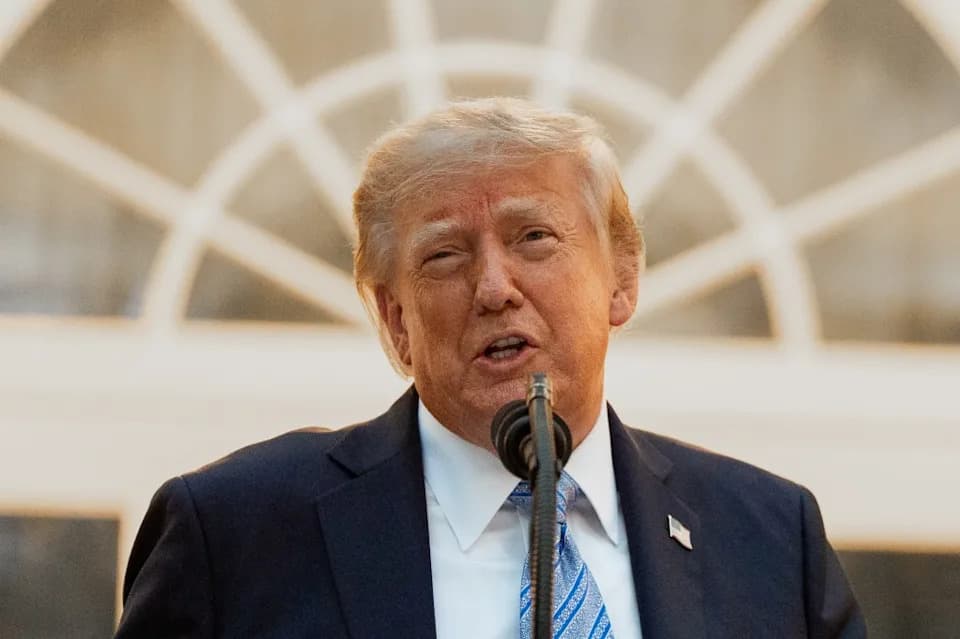
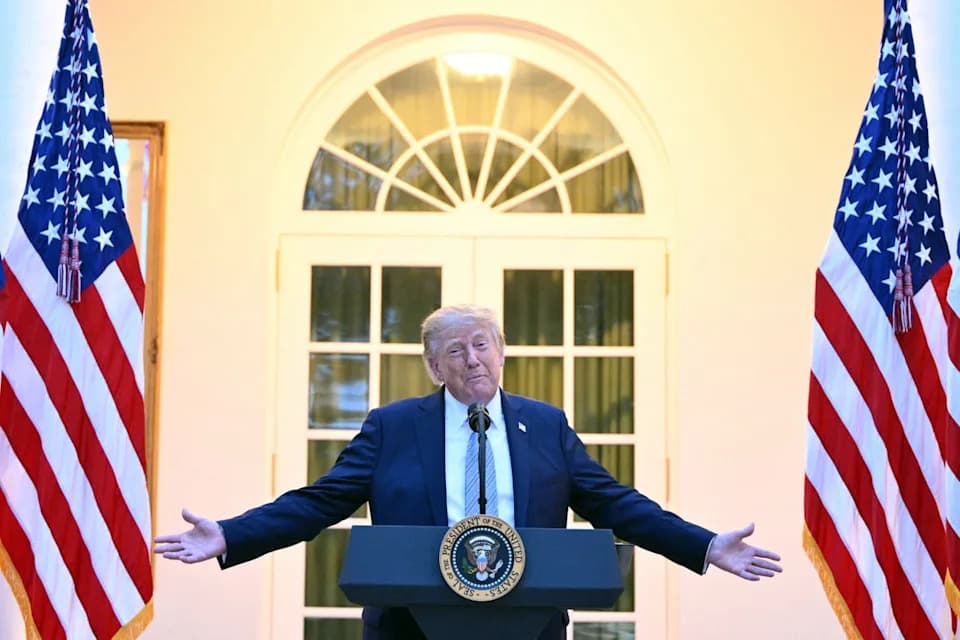
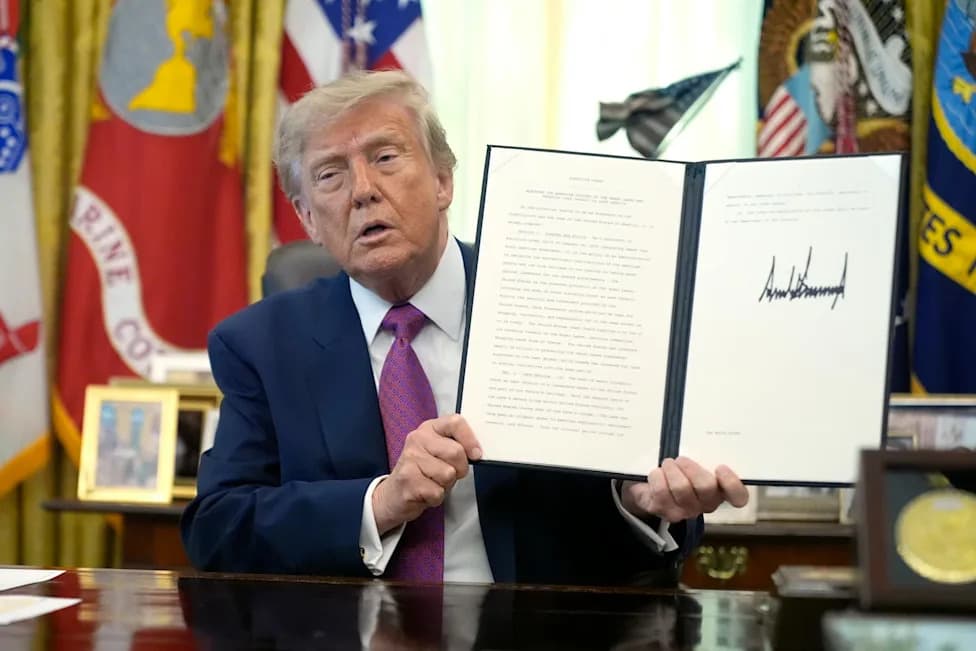
On July 13, President Trump issued a proclamation that reduced the Bears Ears and Grand Staircase-Escalante national monuments by roughly 90 percent. The move shrank the combined protected area from more than 3 million acres to about 303,000 acres and ended a four-year tribal coalition that had helped guide monument management. Mining companies began filing claims on newly unprotected parcels the day after the proclamation; claims filed before Friday, Sept. 11 are considered invalid.
Why Tribes Oppose the Reductions
The landscapes stripped of protection are sacred to regional tribes, including the Hopi Tribe, Navajo Nation, Ute Mountain Ute Tribe, Ute Indian Tribe and Pueblo of Zuni. They contain thousands of archaeological and cultural sites—cliff dwellings, rock art, ceremonial locations and ancestral villages—where tribal citizens continue to hunt, gather medicinal plants and practice traditions.
“Bears Ears and Grand Staircase are not merely boundaries drawn on the map. They are our sacred places, our churches, our medicine cabinets, our grocery stores, and living landscapes where ceremonies, histories, teachings, and relationships with land continue today,” said Davina Smith-Idjesa (Diné), co-chair of the Bears Ears Inter-Tribal Coalition.
Autumn Gillard, descendant of the Cedar Band of Paiutes and coordinator of the Grand Staircase-Escalante Inter-Tribal Coalition, urged protections that preserve Native histories and culture. She said responsible management must preserve the monuments' full cultural record and meaningfully include the communities whose identities are bound to the landscape.
Health And Environmental Concerns
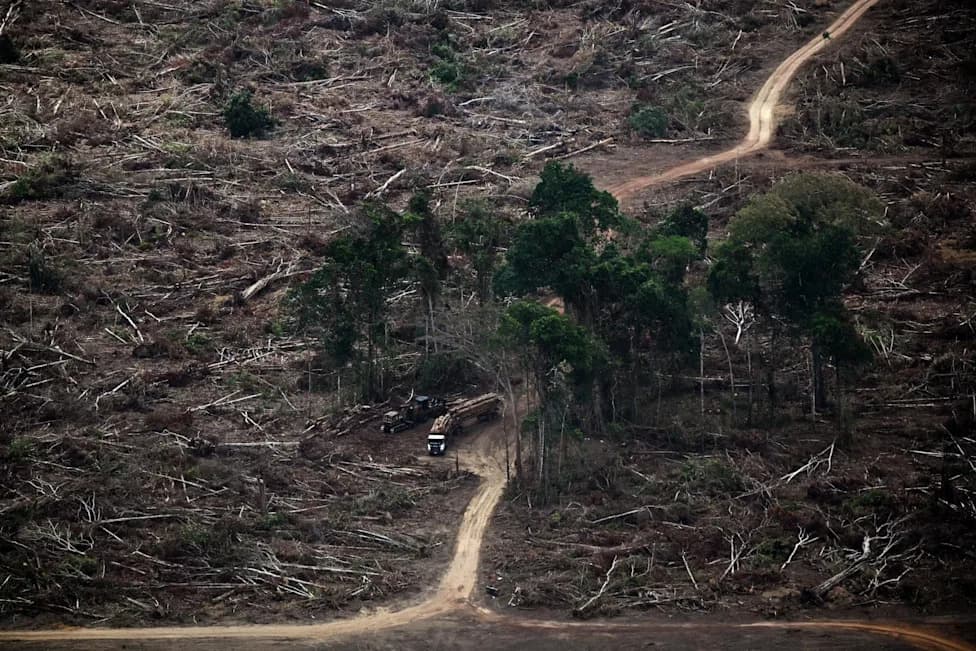
Advocates warn that opening these lands to mining could revive harmful impacts seen during the United States' first uranium boom (1940s–1970s). That earlier period of extraction, often conducted on or near Native lands, left long-term health and environmental consequences: elevated cancer and kidney disease rates, respiratory illnesses, and lasting contamination in water and soil in some communities.
“Our community had no idea,” Smith-Idjesa recalled of growing up in Monument Valley, where she said families drank from wells later found to be contaminated and saw livestock deformities and early deaths linked by community members to uranium exposure.
Gillard added that limited healthcare access in many tribal and rural areas would magnify public-health risks if mining expands. She warned of severe population and environmental impacts if exposures recur at scale.
What Comes Next
With mining claims becoming eligible on Sept. 11, the poll and tribal testimony underscore strong public support in Utah for returning protections and for giving tribal nations a meaningful, lasting role in managing these culturally and ecologically important landscapes. Advocates are asking federal and state leaders to heed the public and tribal calls for restored protections and co-management arrangements.
Source: Polling commissioned by the Grand Canyon Trust; reporting first published by Native News Online.
Help us improve.