The Trump administration signed two executive orders to expand hunting and fishing access on federal lands and to roll back Biden-era restrictions on lead ammunition and tackle. One order instructs the Interior secretary to open Castle Mountains National Monument (California) and Craters of the Moon (Idaho) to hunting within 90 days, excluding species protected by 16 U.S.C. 1533. Officials also proposed easing access to checkerboarded and landlocked parcels via easements and exchanges. A 2019 analysis found more than 6.35 million acres of landlocked state lands across 11 Western states.
Map Shows States That Will Be Most Affected by Trump’s New Hunting Orders
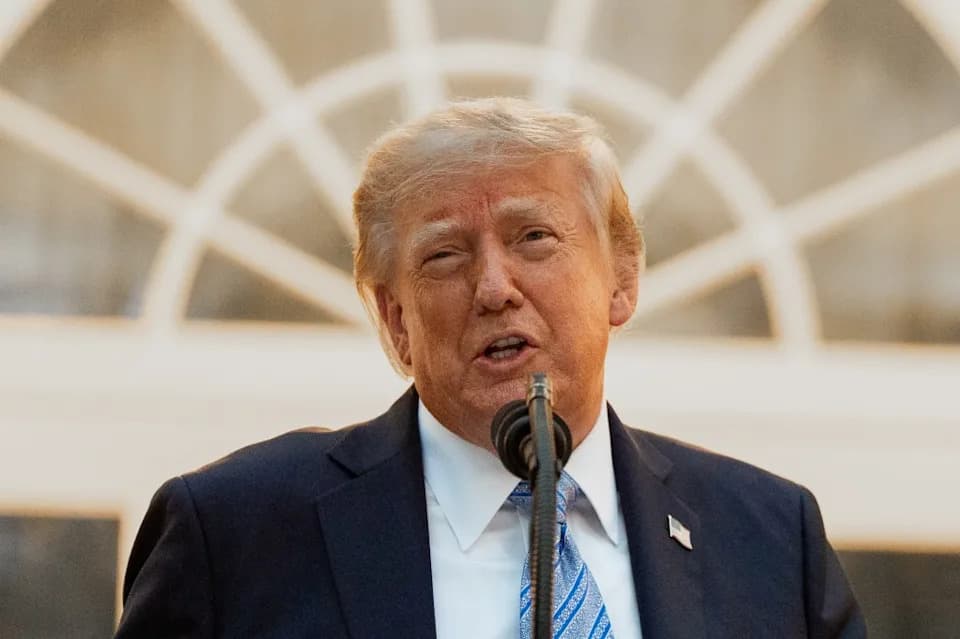
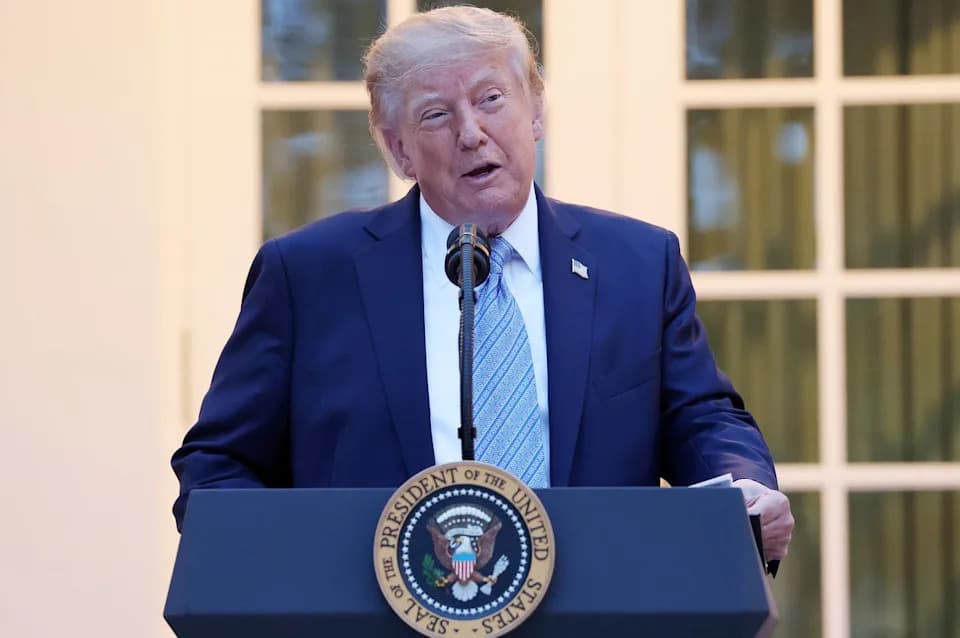
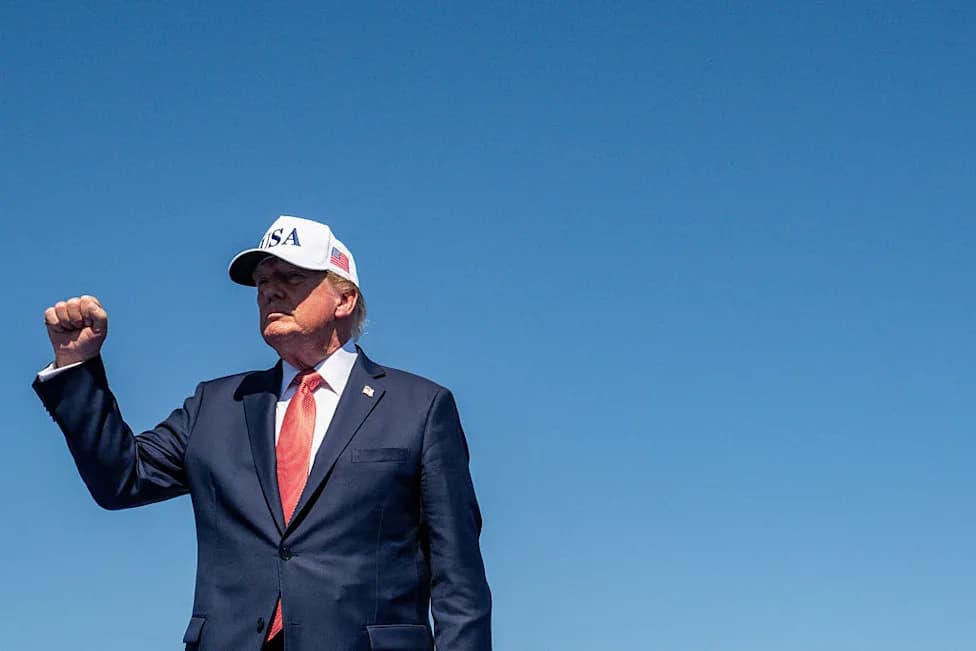
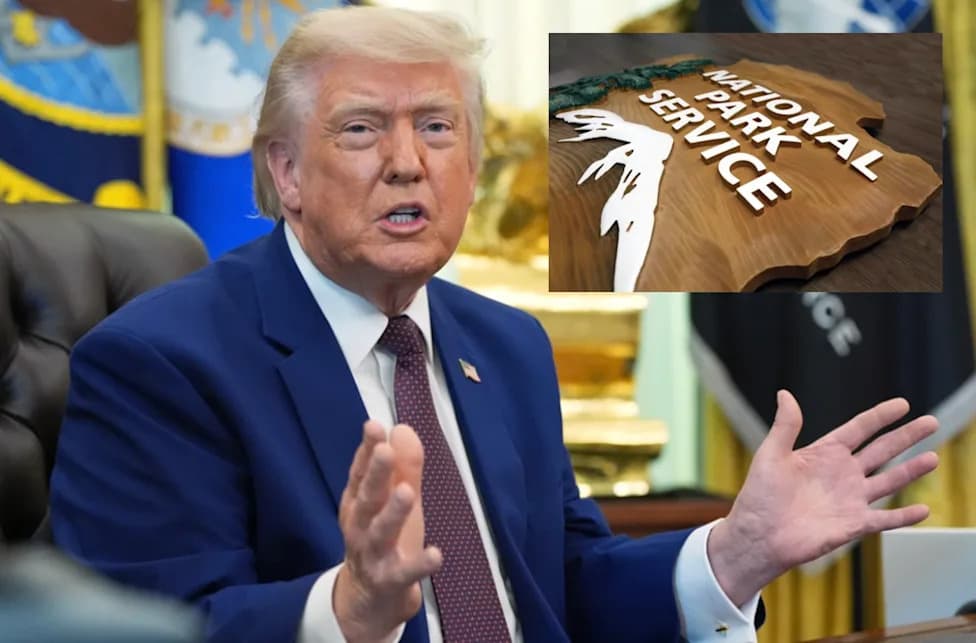
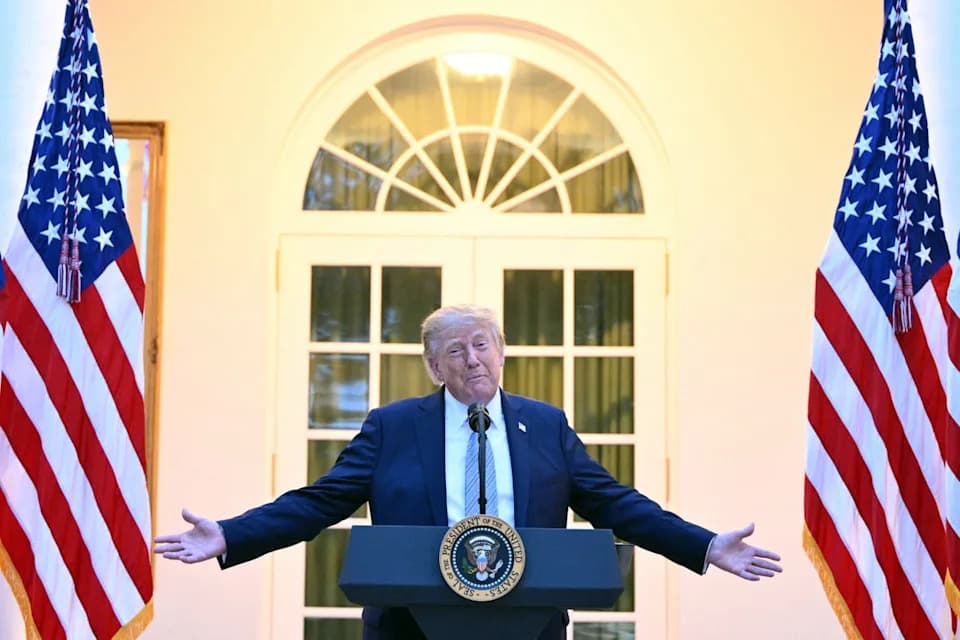
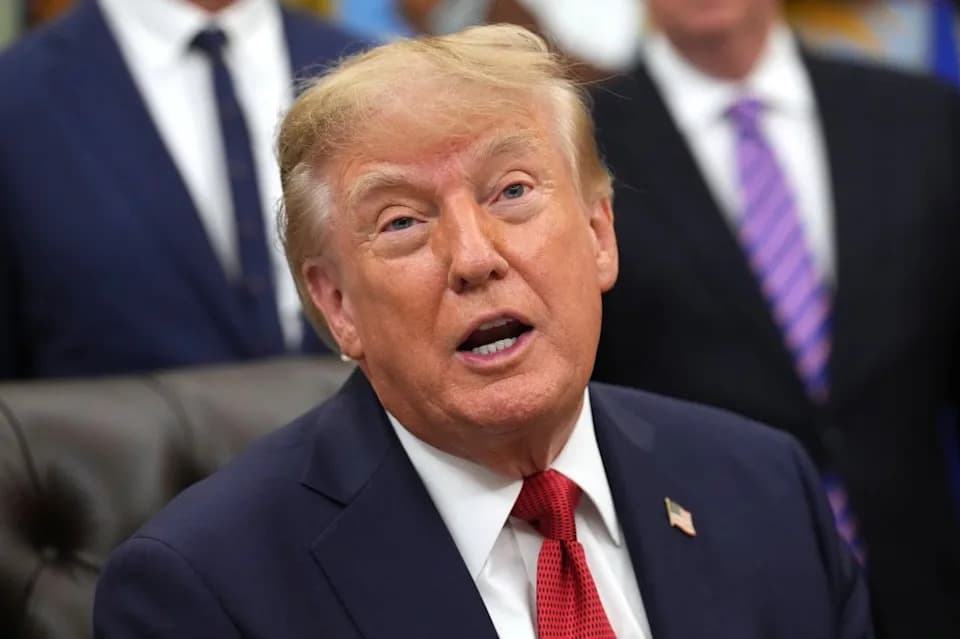
President Donald Trump speaks during a dinner in the Rose Garden of the White House, Thursday, Sept. 17, 2026, in Washington.
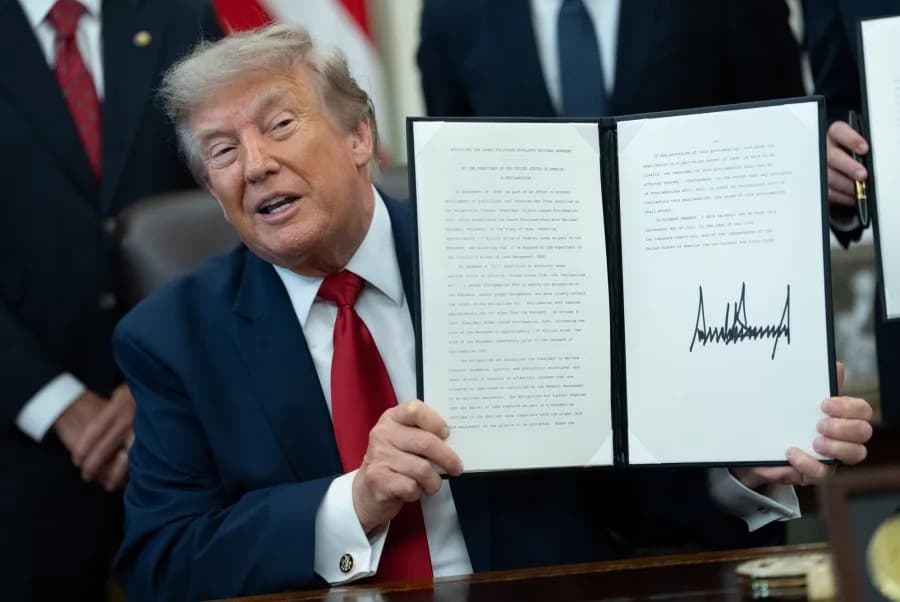
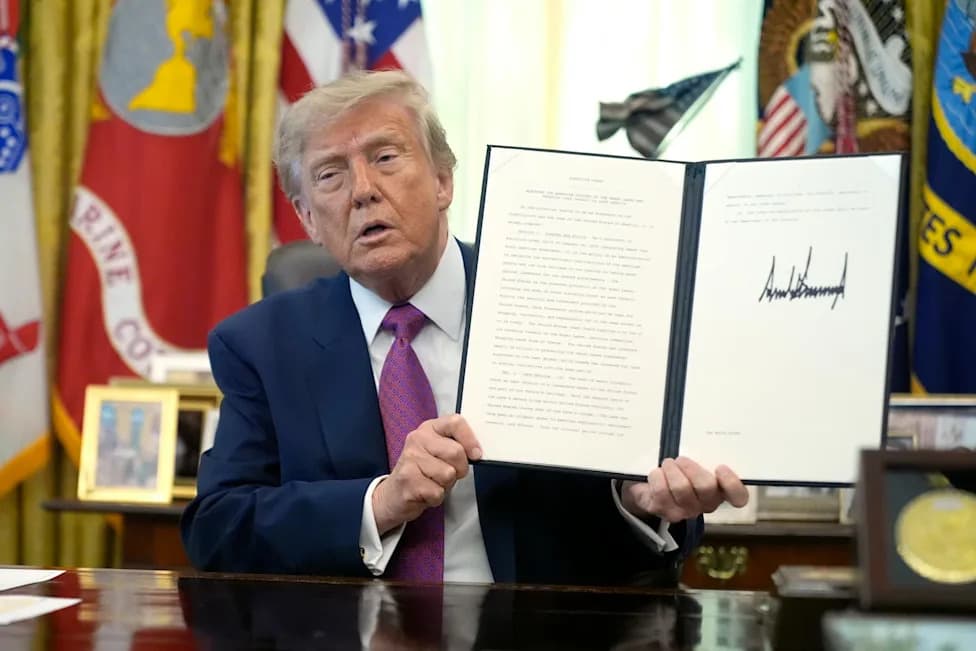
The Trump administration on Thursday signed two executive orders intended to expand hunting and fishing access on federal lands and to reverse Biden-era restrictions on lead ammunition and fishing tackle. The moves are expected to have the biggest impact in Western states that contain large national monuments and checkerboard patterns of public and private land ownership.
What the Orders Do
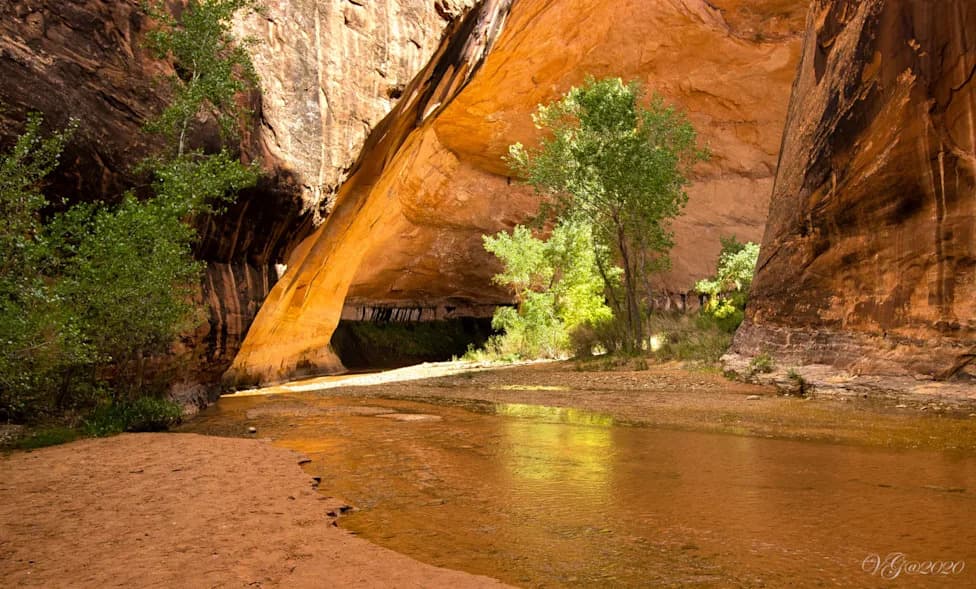
One order directs Secretary of the Interior Doug Burgum to open hunting within California's Castle Mountains National Monument and Idaho's Craters of the Moon National Monument and Preserve within 90 days. That allowance would apply only to species not protected under the endangered-species provisions referenced in 16 U.S.C. 1533. The order emphasizes that hunting must be properly managed and that historic, cultural and scientific resources within the monuments should not be jeopardized.
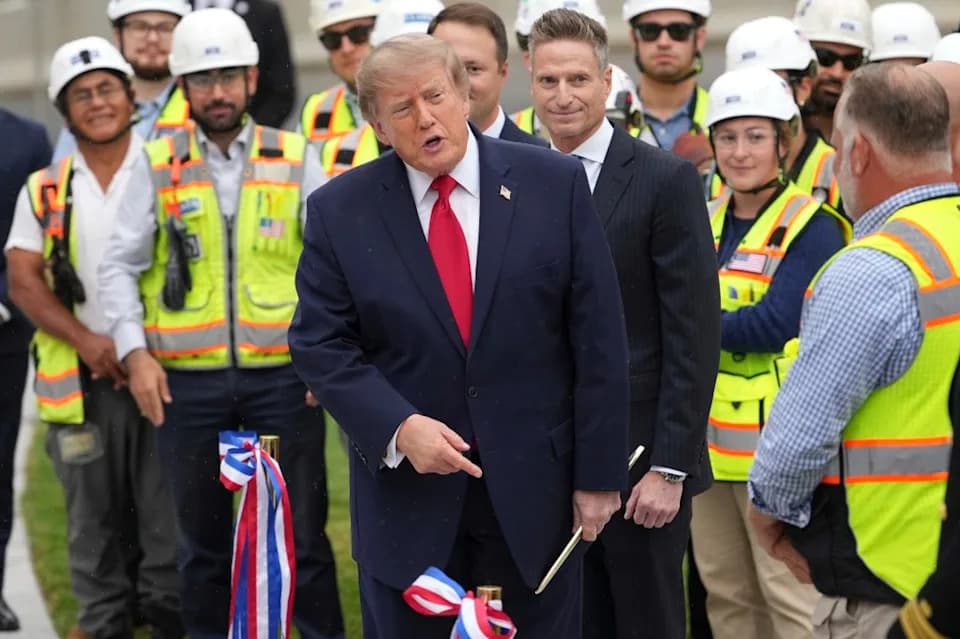
"We believe that public lands belong to the American people and to the public, and hunters, fishers, and outdoorsmen should be able to access them," the president said at a Rose Garden event with more than 100 hunters, anglers and outdoor-industry leaders.
In a second order, the administration rolled back Biden-era limits on the use of traditional lead ammunition and fishing tackle. The previous restrictions were put in place to reduce the risk of lead poisoning for wildlife and ecosystems; opponents argued they made some hunting and fishing more difficult or costly.
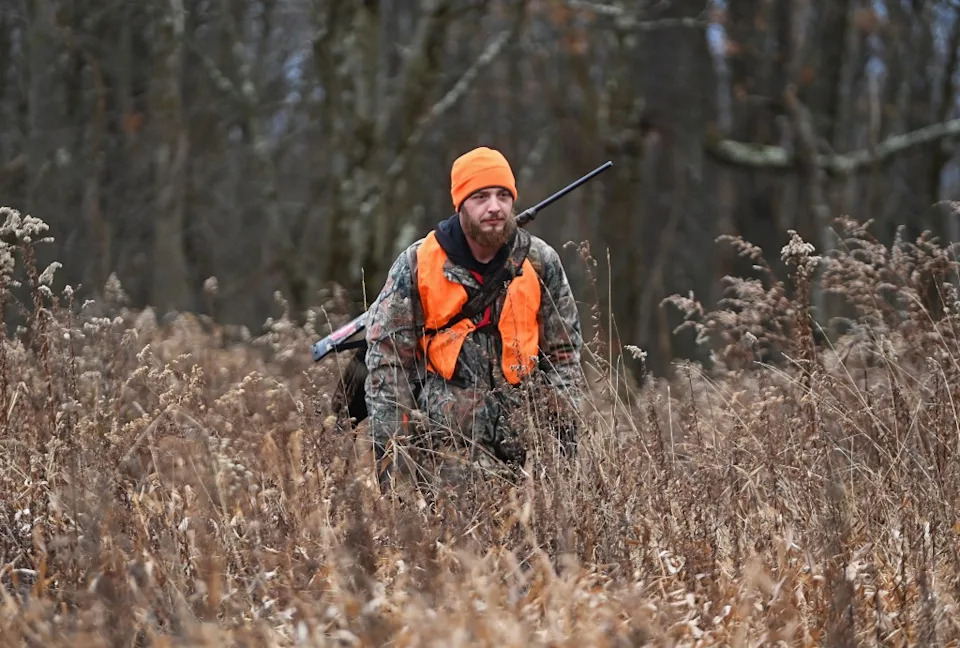
Cory Blewitt, of Greensburg, heads out of the woods after a day of deer hunting during deer-firearms season on State Game Lands No. 42, in Jenner Twp., in Somerset County, Pennsylvania, on December 1, 2025.
Broader Access Measures
Beyond the two monument exceptions, the administration proposed several measures to increase public access on federal lands, including unlocking checkerboarded and landlocked parcels through voluntary access easements, land exchanges and cooperative agreements, reviewing Forest Service river-access lottery programs, and generally expanding hunting opportunities on federal lands.
Where Access Issues Are Most Acute
States with the most landlocked federal or state parcels are largely in the West, where alternating blocks of public and private ownership—often called "checkerboard" ownership—can leave pockets of public land inaccessible without permission or easements. A 2019 analysis by the Theodore Roosevelt Conservation Partnership (TRCP) found more than 6.35 million acres of state lands across 11 Western states were landlocked by private lands, creating barriers for hunters and anglers and opportunities for future access efforts.
TRCP's 2019 Landlocked Acreage (By State):
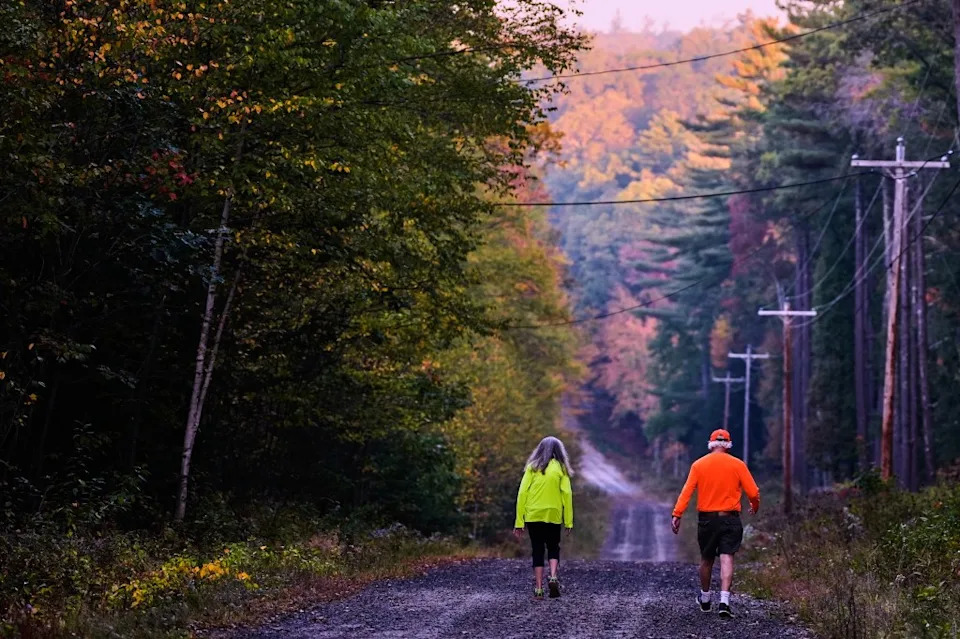
A couple, wearing protective high-visibility clothing due to hunting season, take a walk at dawn, as trees of in the distance turn to fall foliage colors, Tuesday, October 7, 2025, in Chester, New Hampshire.
- Arizona: 1,310,000 acres
- California: 38,000 acres
- Colorado: 435,000 acres
- Idaho: 71,000 acres
- Montana: 1,560,000 acres
- Nevada: < 1,000 acres
- New Mexico: 1,350,000 acres
- Oregon: 47,000 acres
- Utah: 116,000 acres
- Washington: 316,000 acres
- Wyoming: 1,110,000 acres
The TRCP noted roughly 95 percent of those landlocked areas were state trust lands. Separate reporting in 2025 by the San Francisco Chronicle identified at least 75,000 acres in California that are entirely surrounded by private property.
What’s Next
It remains unclear which additional federal parcels might be opened if the administration pursues broader voluntary easements or land exchanges. Newsweek said it contacted the White House, the Department of the Interior, the Department of Defense and the Department of Commerce for comment.
Contact: Newsweek editors Ben Kelly and Emma Lee-Sang.
Help us improve.