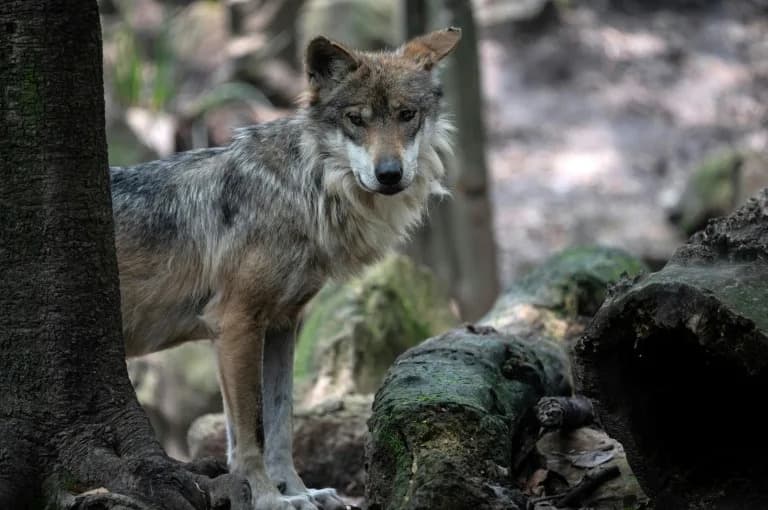
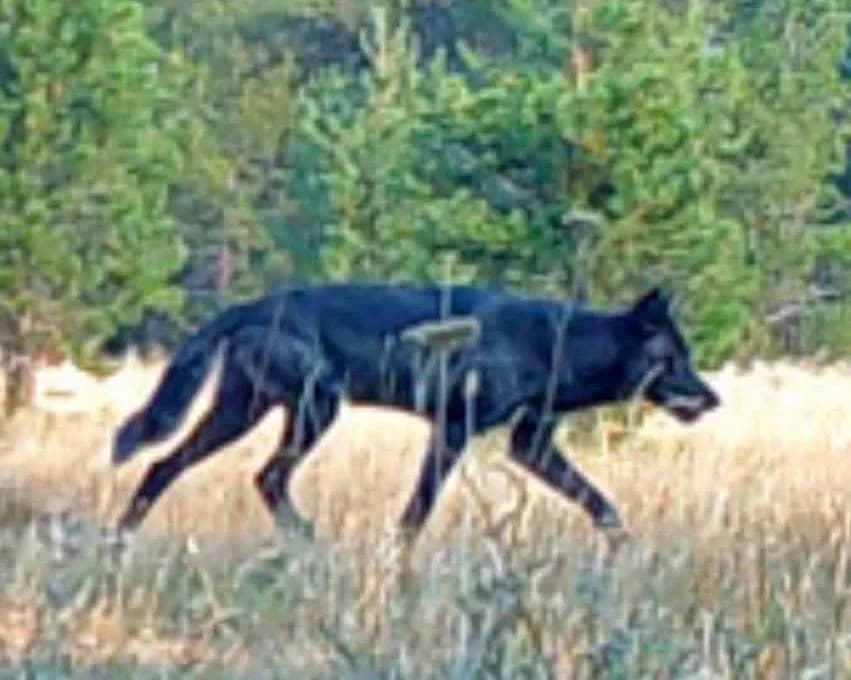
One of Yellowstone’s oldest known wolves, 1090F, may be at risk after her pack denned just outside the park in Wyoming, where protections can end. The Center for Biological Diversity warned that Wyoming’s wolf hunting season, which opened Sept. 15, could expose the matriarch to being killed and urged the Wyoming Game and Fish Commission to use its adaptive management authority to protect the family. The case highlights how park boundaries can abruptly change protections for roaming wildlife and why state management decisions matter for ecosystem health.
Yellowstone Matriarch 1090F May Be at Risk After Denning Outside Park as Wyoming Hunt Begins
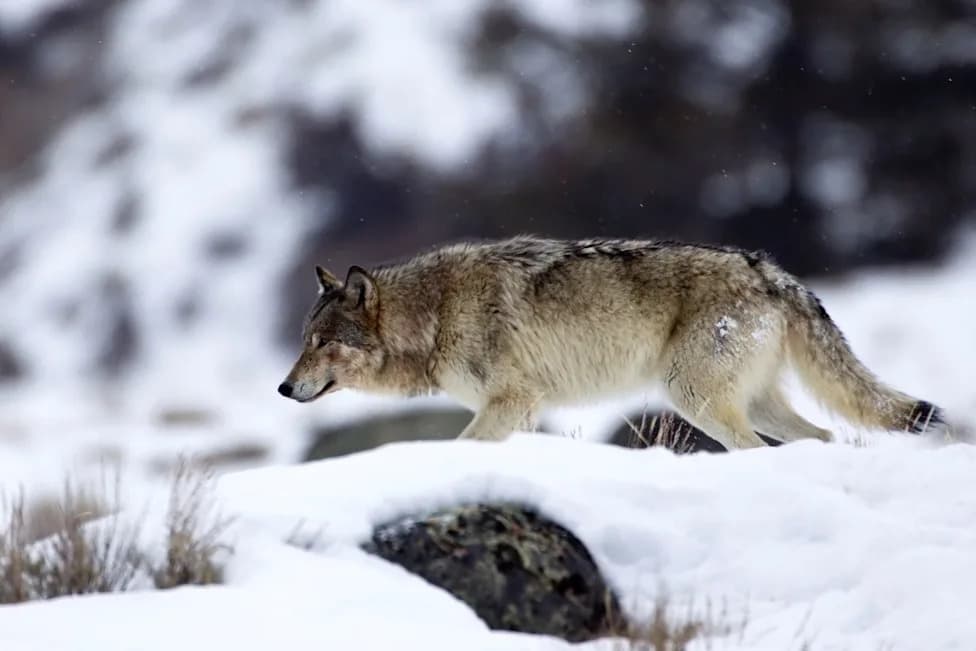
Photo Credit: iStock
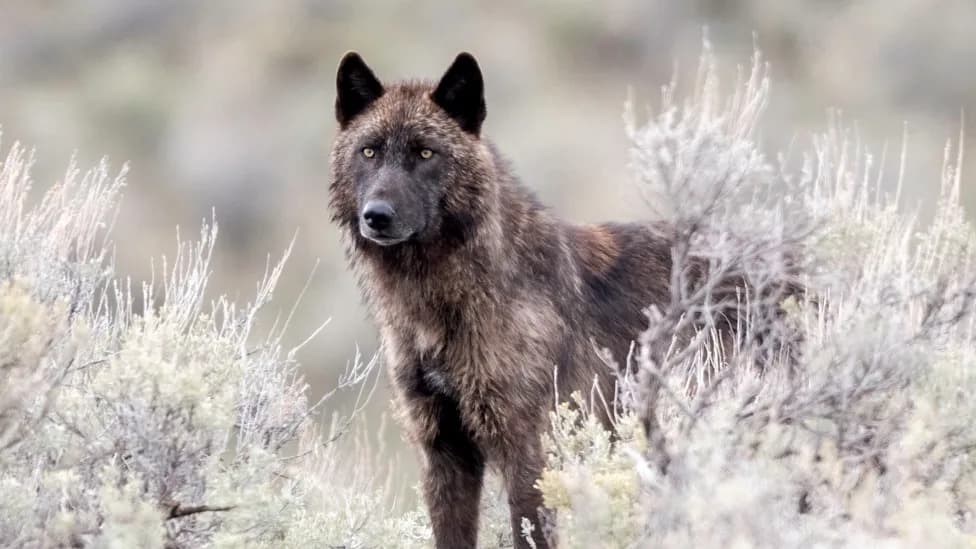
One of the Greater Yellowstone Ecosystem’s longest-lived wolves, known by the collar number 1090F, now faces a potential threat after her pack established a den just outside Yellowstone National Park in Wyoming — where legal protections can suddenly disappear.
A Long-Lived Matriarch Suddenly Vulnerable
Having spent nearly her entire life inside park boundaries, 1090F is the matriarch of “Mollie’s” pack and plays an outsized role in pack social structure and survival. Older breeding females like 1090F help maintain cohesion, transmit learned behaviors, and stabilize family lines; losing one can reshape a pack for years.
“The beloved, majestic matriarch of Mollie’s pack has a target on her back,” the Center for Biological Diversity wrote in an Instagram post highlighting the risk.
Why Crossing the Boundary Matters
Wolves are protected inside Yellowstone, but those safeguards can lapse the moment animals move beyond park lines. Wyoming’s wolf hunting season opened on Sept. 15, and because 1090F’s den is outside the park, she could now be exposed to legal hunting or other state management actions.
The Center for Biological Diversity has urged the Wyoming Game and Fish Commission to use its adaptive management authority — a regulatory tool the commission can deploy to respond to changing conservation needs — to protect Mollie’s pack while the family remains near the park boundary. Supporters have also been asked to contact the governor and the commission to press for protective measures.
Ecological And Public-Interest Stakes
Yellowstone’s wolves have had measurable ecosystem effects: by changing elk behavior they helped create conditions for significant plant recovery in some areas. For many people these wolves are part of a shared public inheritance — wildlife on public lands that draws visitors and inspires respect for nature.
But a map line means nothing to a roaming wolf. The episode highlights the tension between protections inside national parks and different rules on adjacent public and private lands. Similar controversies — from efforts to remove protections for Mexican gray wolves to management decisions on Isle Royale after human-wolf encounters — show that well-known animals commonly remain vulnerable once they move beyond protected boundaries.
What’s Next
The immediate options rest with state wildlife authorities. Advocates say the Wyoming Game and Fish Commission can and should use its authorities to prevent the loss of an ecologically important animal and to maintain the stability of Mollie’s pack. Whether the commission will act, and whether hunters will encounter 1090F or other pack members, remains to be seen.
Why it matters: The fate of a single long-lived breeding female affects pack dynamics, local ecosystems, and public trust in wildlife management. Her story underscores how wildlife management decisions made at the state level can have outsized consequences for animals that roam across protected-area borders.
Help us improve.