Dengue Is Shifting From Seasonal To Year‑Round In India. Unusually early cases in 2026 (6,927 by February) and high recent annual burdens suggest the transmission window is expanding. Climate change, urbanisation and air pollution are extending mosquito seasons; India has approved Takeda’s Qdenga and is running Phase III vaccine trials, but experts warn that vaccines must be paired with continuous vector control, surveillance and public awareness.
Dengue Is No Longer Just A Monsoon Threat — Early 2026 Surge Signals Year‑Round Risk
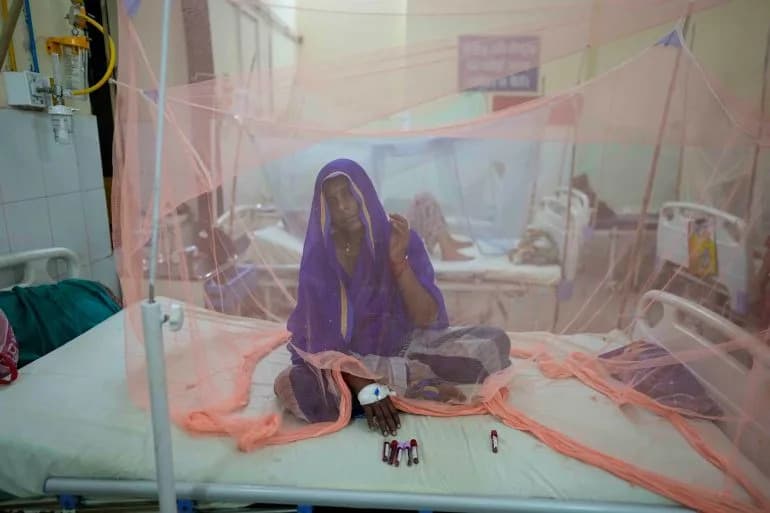
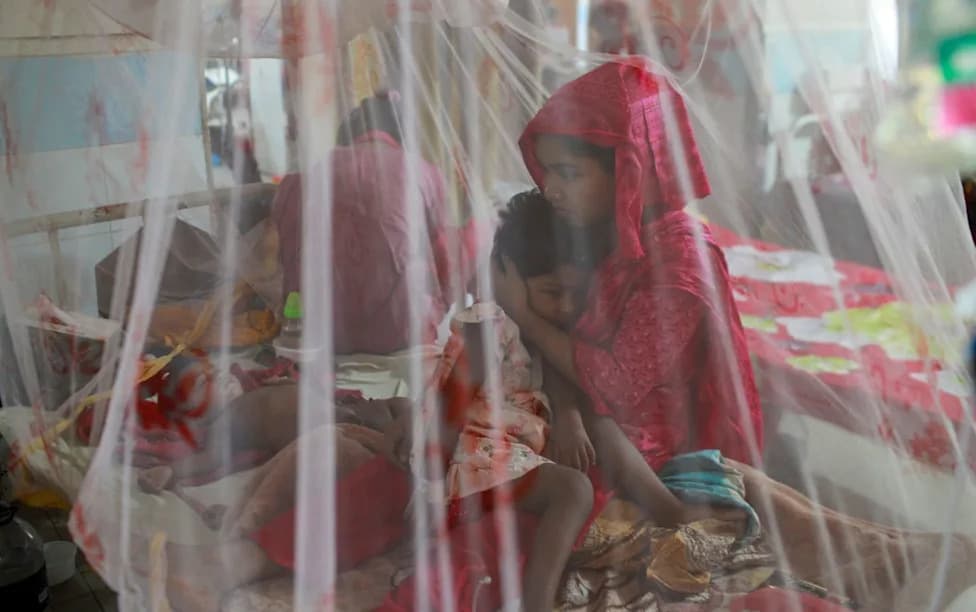
A dengue patient rests under a mosquito net at the dengue ward of the government-run Tej Bahadur Sapru Hospital in Prayagraj, Uttar Pradesh, India, on October 13, 2022 [Rajesh Kumar Singh/AP]
Gurugram, India — When 32-year-old software engineer Nitin Sharma came down with a high fever in May, dengue was the last thing on his mind. The monsoon was still weeks away and, like many Indians, he had long believed dengue arrived with the rains and faded when the season ended. Blood tests at a private hospital in Gurugram, however, confirmed dengue, and Sharma spent nearly two weeks recovering from lingering fatigue and body aches.
Early Surge and Changing Seasonality
Doctors across India say Sharma’s experience is increasingly common. Hospitals reported dengue infections weeks before the monsoon officially reached Kerala, and official data show India recorded 6,927 dengue cases by the end of February 2026 — an unusually early transmission window. Tamil Nadu leads early-year infections (2,873 cases), followed by Maharashtra (786), Kerala (670) and Karnataka (560).
Historically, dengue cases rose with the monsoon, peaked in the weeks after heavy rains, then declined as temperatures fell. That pattern is blurring: transmission now appears to be starting earlier and persisting longer, particularly in warmer southern states with extended mosquito breeding seasons and more active diagnostic reporting.
Drivers: Climate, Urbanisation And Pollution
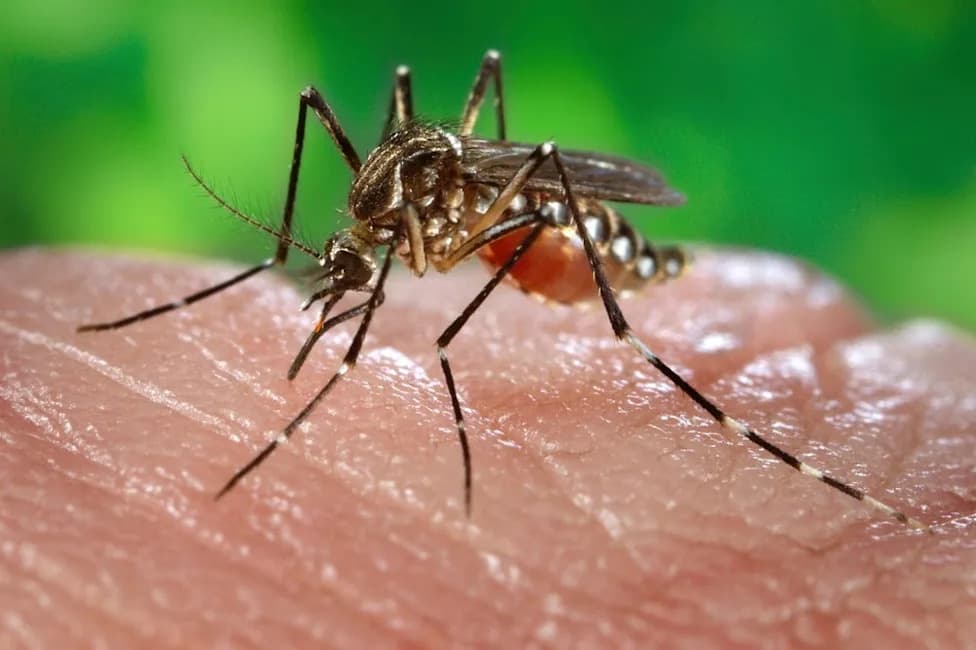
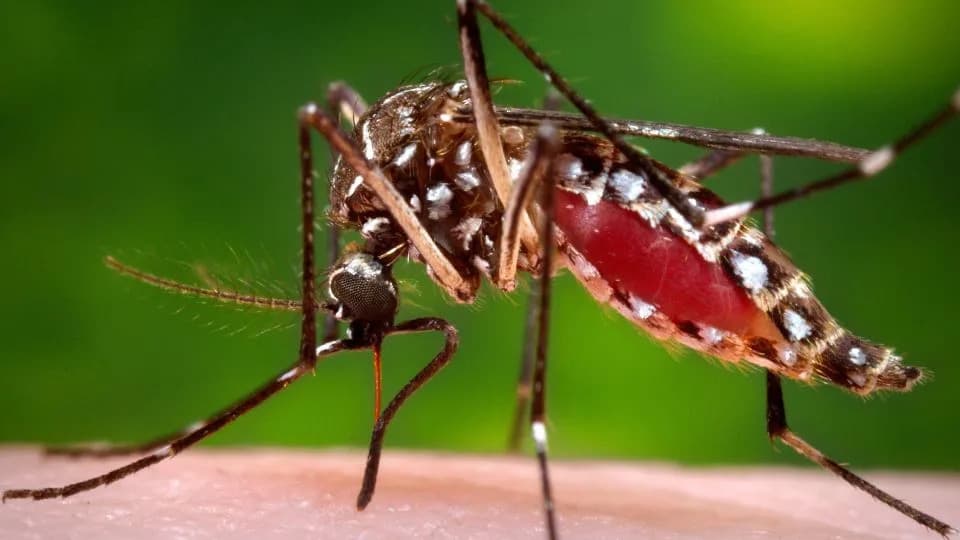
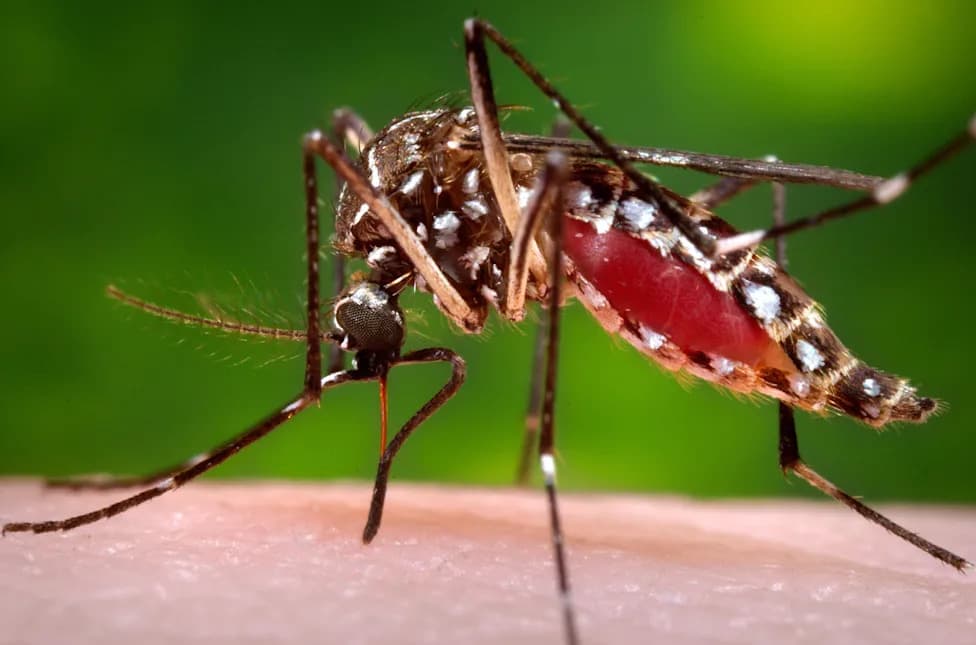
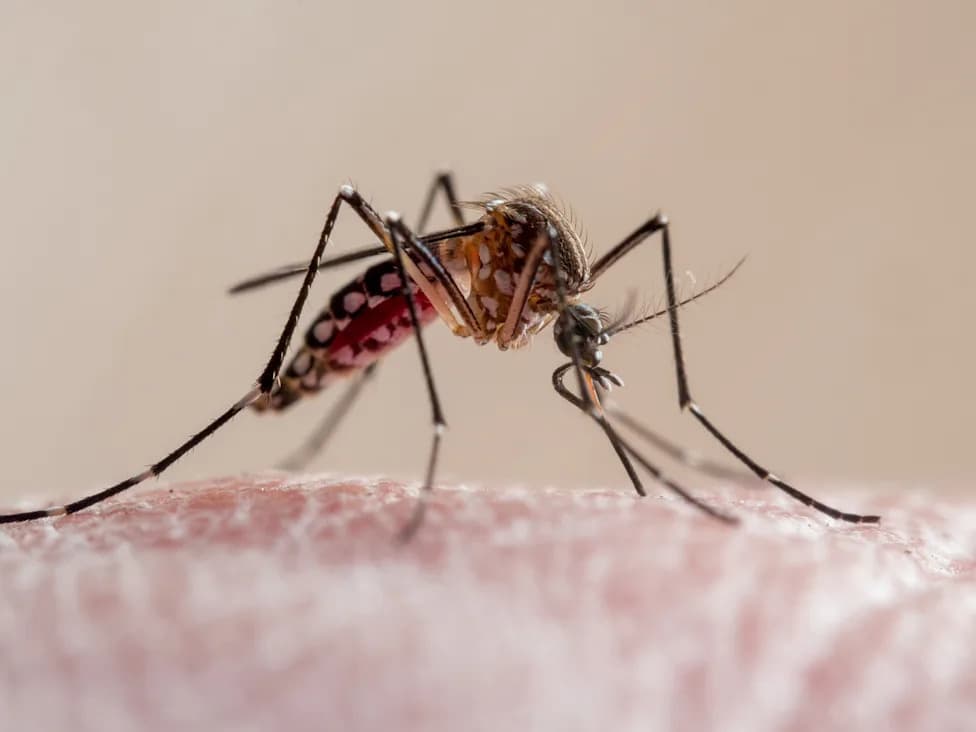
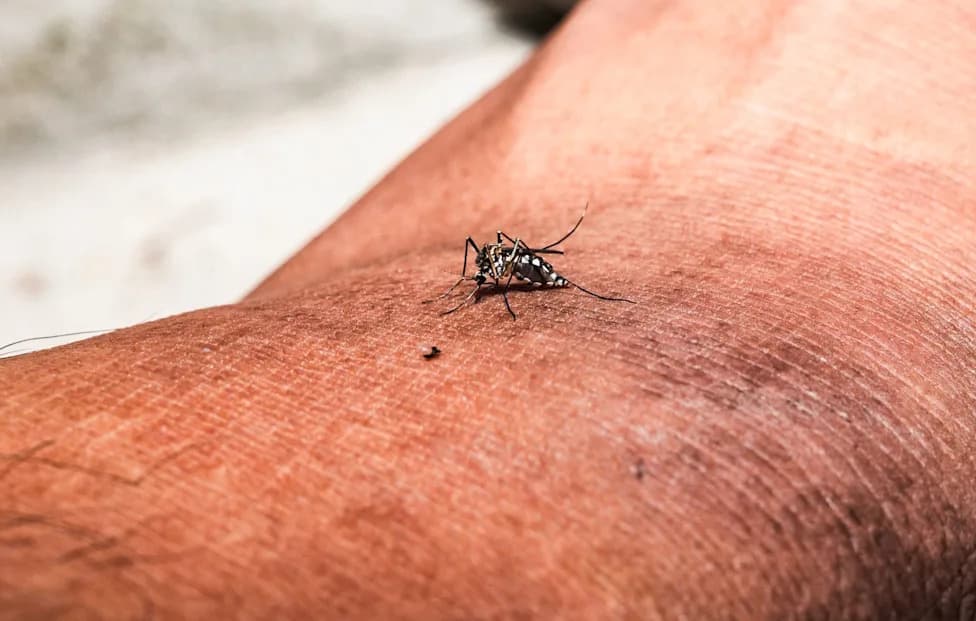
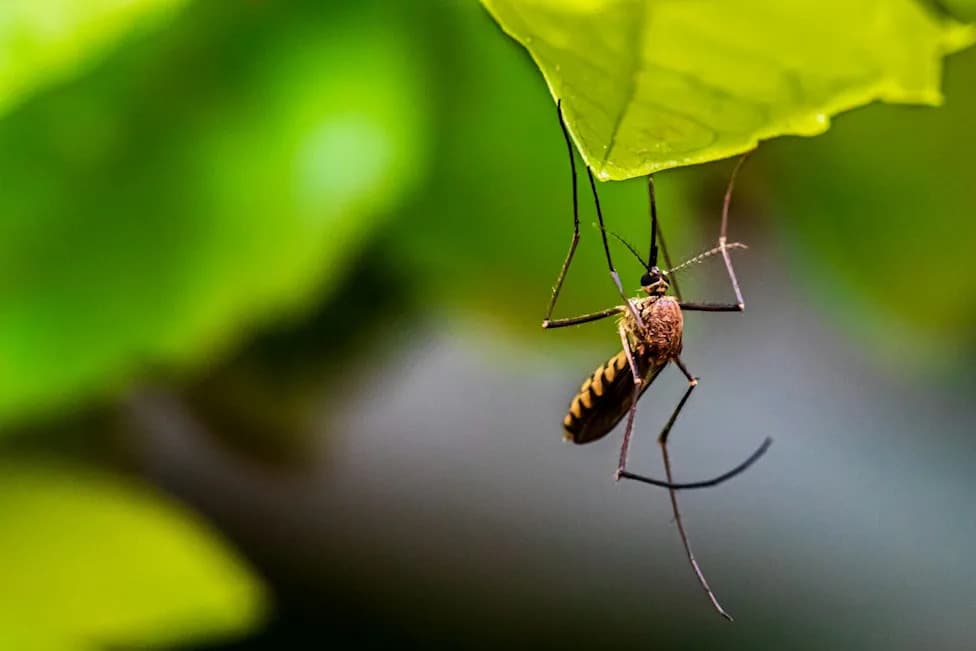
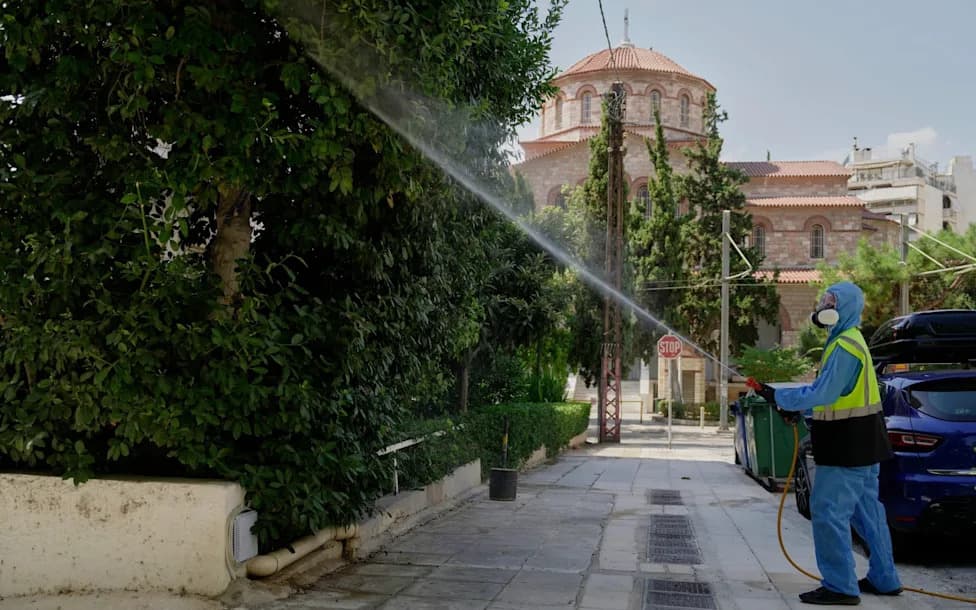
Health experts point to rising temperatures, erratic rainfall, rapid urbanisation and changing water-storage practices as key drivers that allow Aedes mosquitoes to survive longer and expand their range. Urban conditions — especially stagnant water in flower pots, rooftop tanks and construction sites — create year-round breeding opportunities.
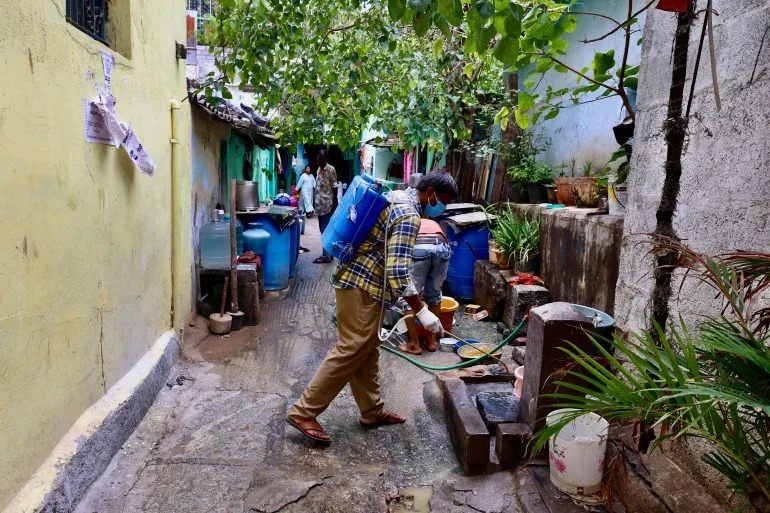
A Bruhat Bengaluru Mahanagara Palike (BBMP) worker sprays an area to eradicate mosquitoes in Bengaluru, India, July 8, 2024 [Jagadeesh NV/EPA]
Evidence From Recent Studies
A 2026 study in Environmental Pollution found a strong association between long-term exposure to fine particulate matter (PM2.5) and higher dengue mortality: countries with greater PM2.5 exposure recorded dengue death rates three to five times higher than countries with cleaner air. The authors suggest air pollution may worsen dengue outcomes through systemic inflammation and immune stress.
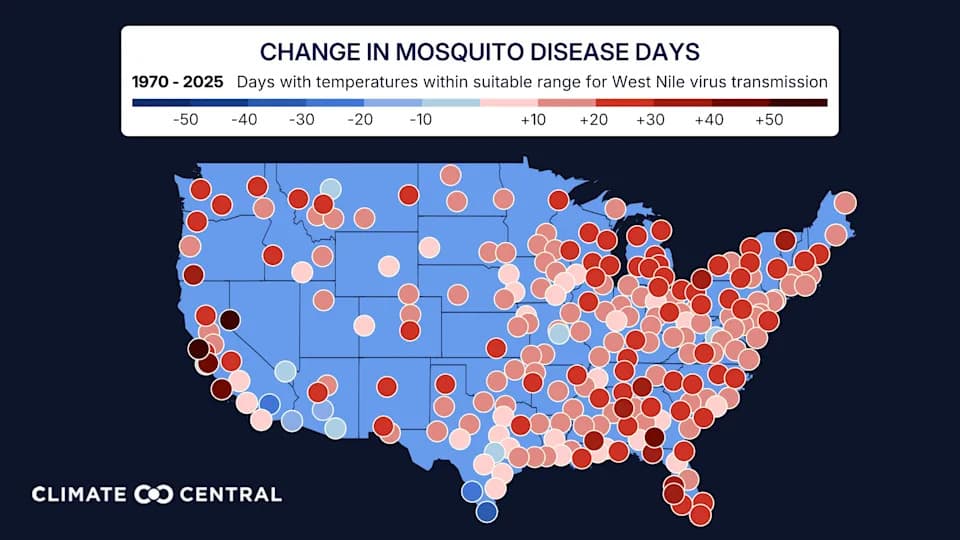
Earlier research published in Scientific Reports (January 2025) analysing Pune (2004–2015) showed dengue transmission is favoured by temperatures above 27°C, humidity between 60–78%, and moderate, evenly distributed rainfall; extreme rains can sometimes reduce transmission by flushing breeding sites. Models project increased dengue risk under future climate-change scenarios.
Vaccines And Prevention Efforts
India is accelerating vaccine efforts. In 2026 the government approved Takeda’s Qdenga for use, with local production in partnership with Biological E. The Indian Council of Medical Research and Panacea Biotec completed Phase III enrolment for the indigenous single-dose candidate "DengiAll" (10,335 volunteers), and the Serum Institute is conducting Phase III trials of TetraVax-DV. Researchers aim for an affordable, tetravalent vaccine that protects against all four dengue serotypes.
Experts caution that vaccines alone will not end dengue. Dr Gagandeep Kang and other specialists stress that vector control, year-round surveillance, improved sanitation, public awareness and stronger primary care remain essential components of prevention.
Practical Advice For The Public
Health officials urge year-round vigilance: use repellents, fix screens, empty or cover water containers, inspect flower pots and rooftop tanks regularly, and report suspected cases promptly. As Sharma put it, "It feels like the disease can happen any time now."
Key data: 6,927 cases by Feb 2026; annual totals of 289,235 cases (485 deaths) in 2023, 233,519 cases (297 deaths) in 2024 and 121,824 cases (131 deaths) in 2025.
Help us improve.