Florida has confirmed its first dengue-related death this year as locally acquired infections climb, with 152 cases reported for the week ending Sept. 12. Hillsborough County accounts for 134 of those cases, and Florida’s total is the highest since 2023. The CDC reports about 6,800 U.S. cases this season and Puerto Rico has declared a public health emergency. Health officials urge prevention measures and warn against taking aspirin or ibuprofen if dengue is suspected.
Florida Confirms First Dengue Death This Year As Cases Rise — 152 Local Infections Reported
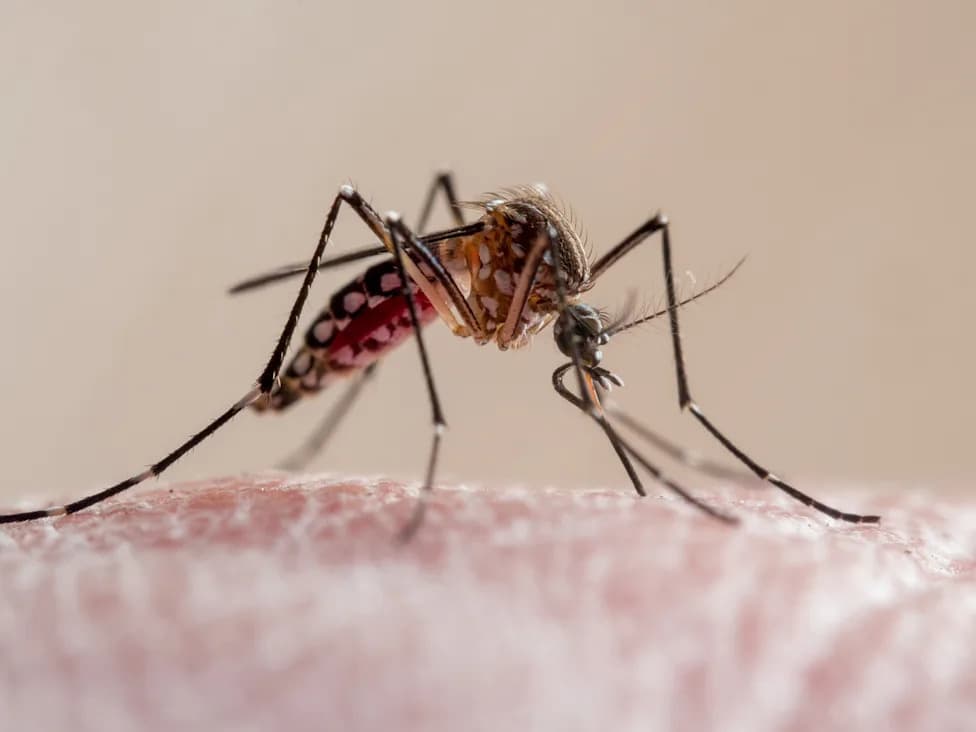
What to know about dengue fever as Florida reports 1st death and cases rise
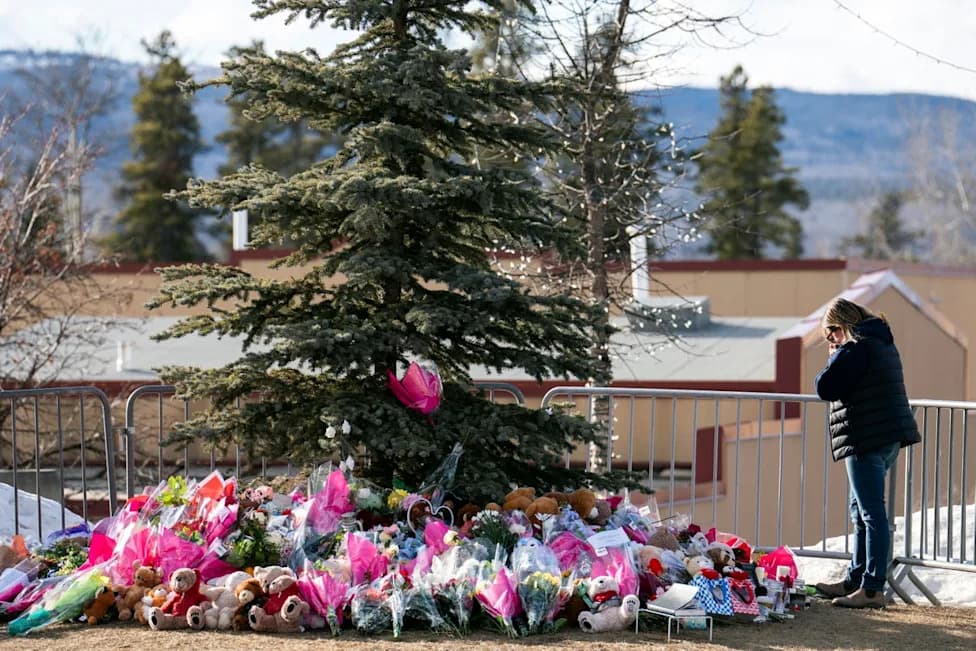
The Florida Department of Health has confirmed the state’s first dengue-related death this year as locally acquired infections continue to rise.
The department did not release identifying details about the patient. Local reporting by The Tampa Bay Times described the deceased as an 80-year-old Tampa woman who died on Sept. 4; the Florida health department has not publicly verified those specifics and did not immediately respond to requests for comment.
Recent Case Numbers
For the week ending Sept. 12, Florida confirmed 152 locally acquired dengue cases, based on state health department data. That is the highest single-week total the state has seen since 2023, when Florida recorded 189 locally acquired cases for the entire year, according to Centers for Disease Control and Prevention (CDC) figures.
Hillsborough County — which includes Tampa — has reported the largest share so far this year with 134 cases. Other counties with confirmed infections include Miami-Dade, Orange, Palm Beach, Pasco and Pinellas.
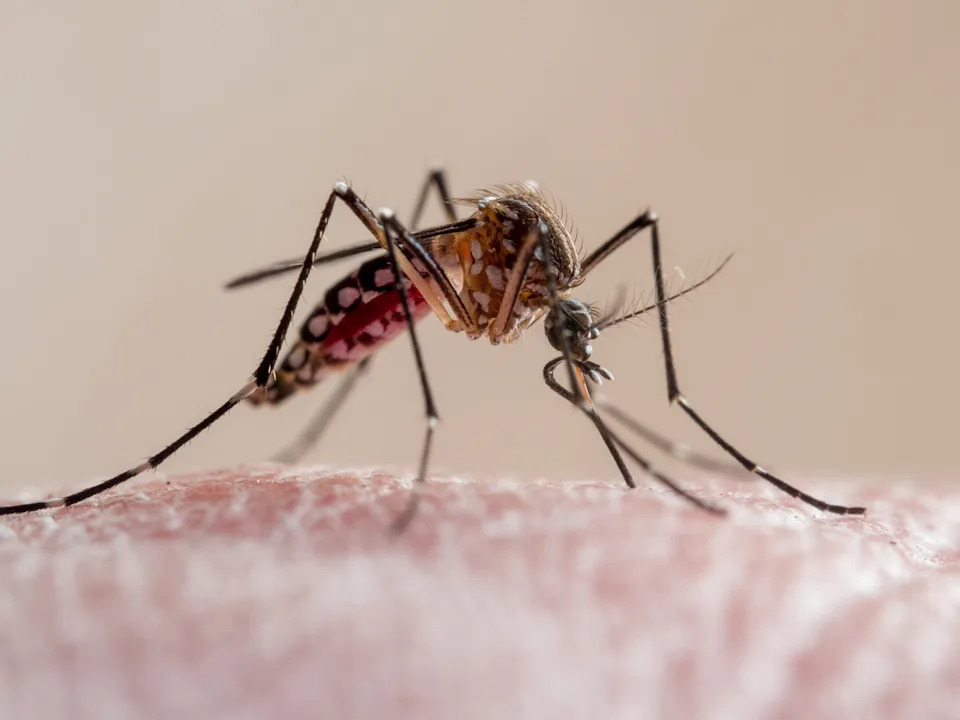
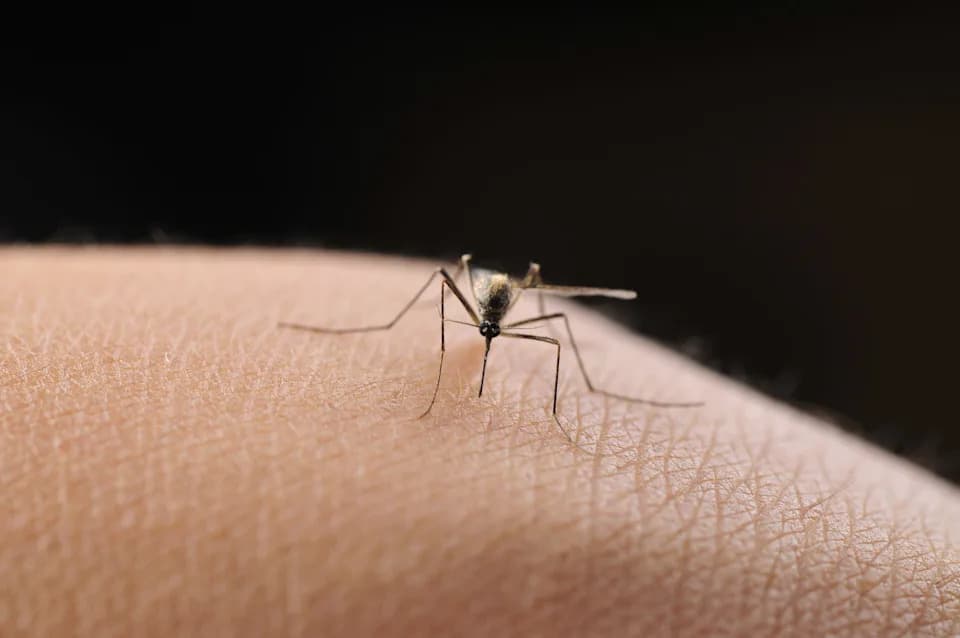
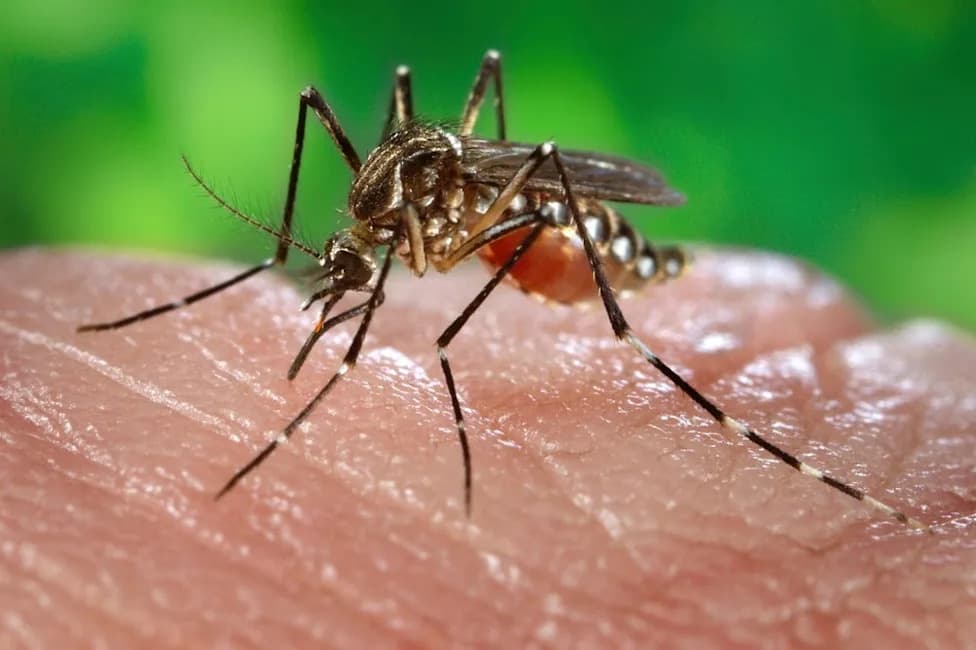
Joao Paulo Burini/Getty Images - PHOTO: Close-up of a mosquito biting human skin.
How Dengue Spreads and Who's At Risk
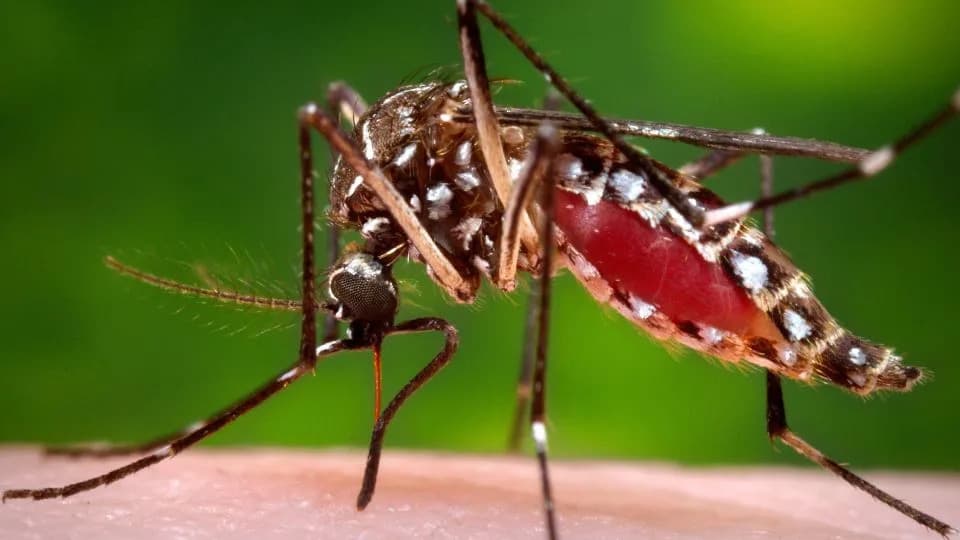
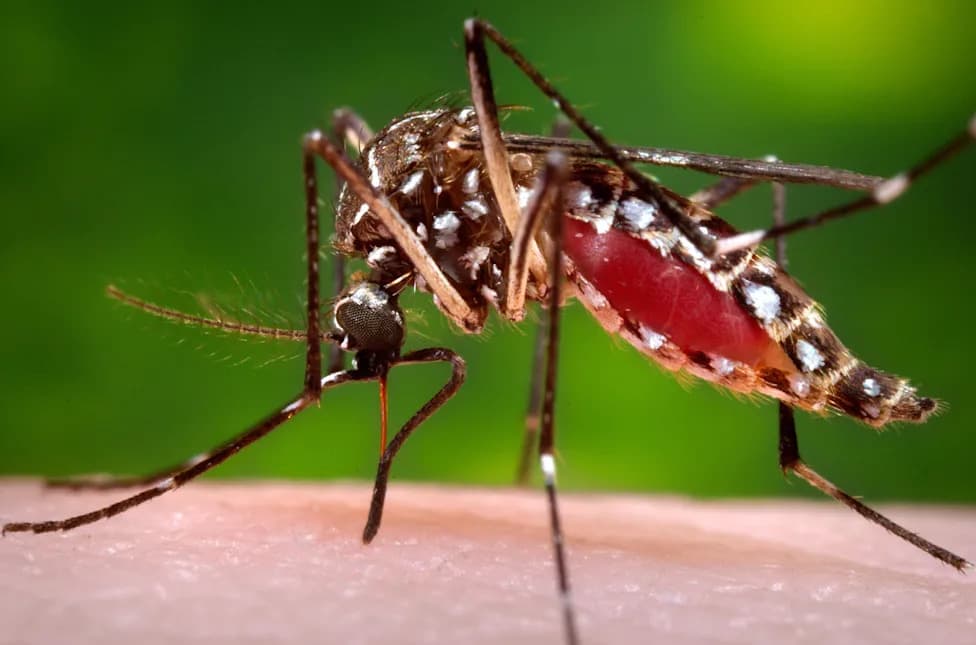
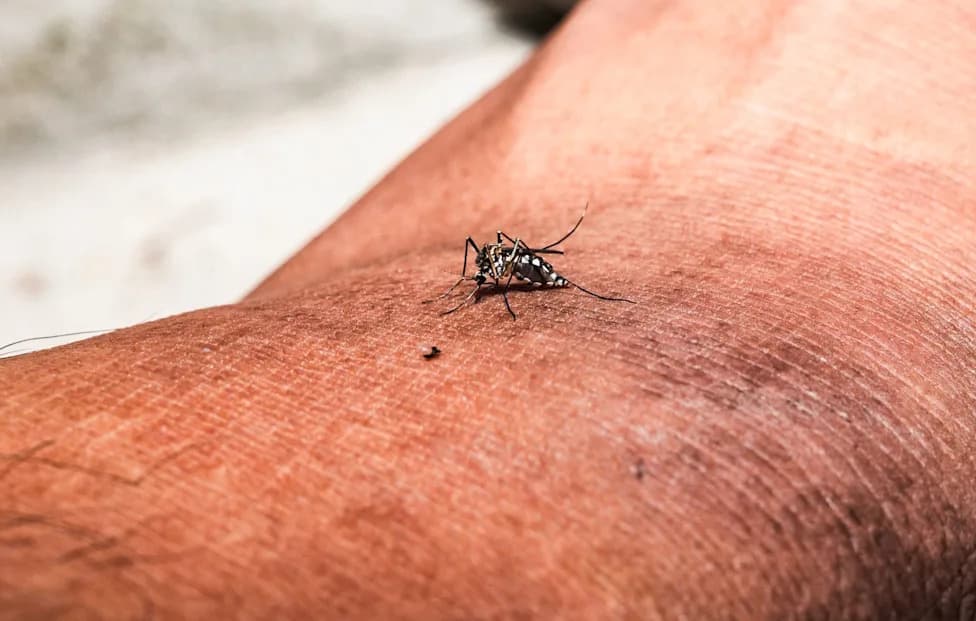
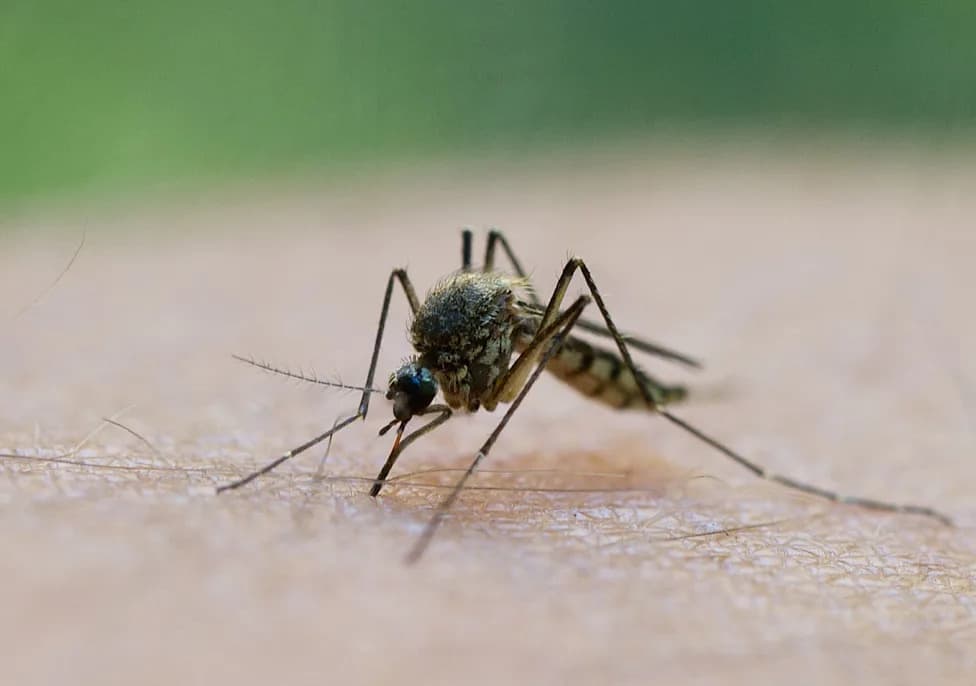
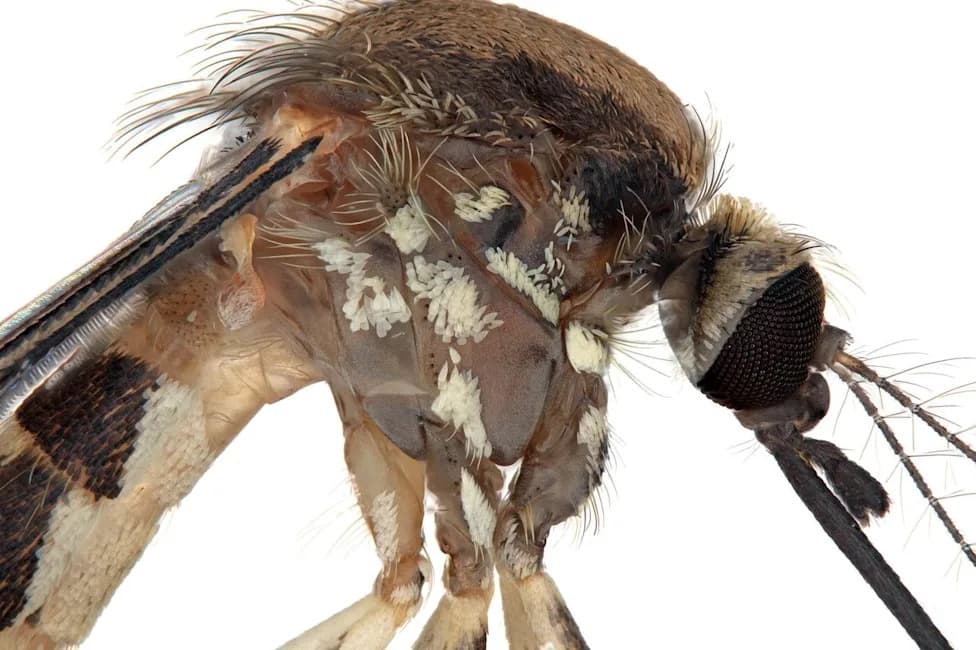
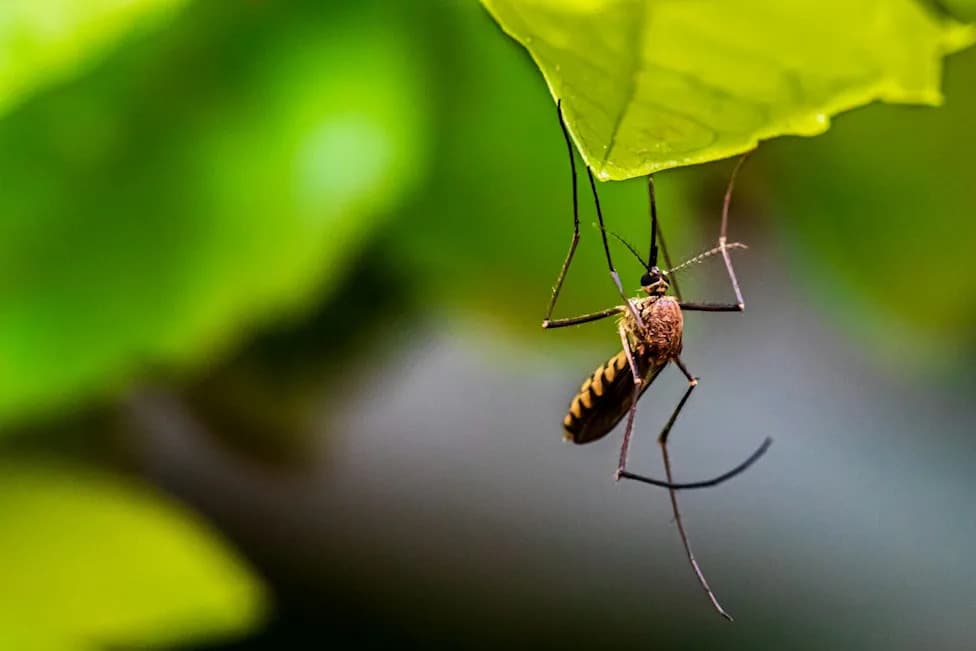
Dengue viruses are transmitted by bites from infected Aedes species mosquitoes, which are common in tropical and subtropical areas. These same mosquitoes also spread Zika and chikungunya viruses. There are four dengue virus strains (1–4), and people can be infected more than once over a lifetime.
Symptoms and Severity
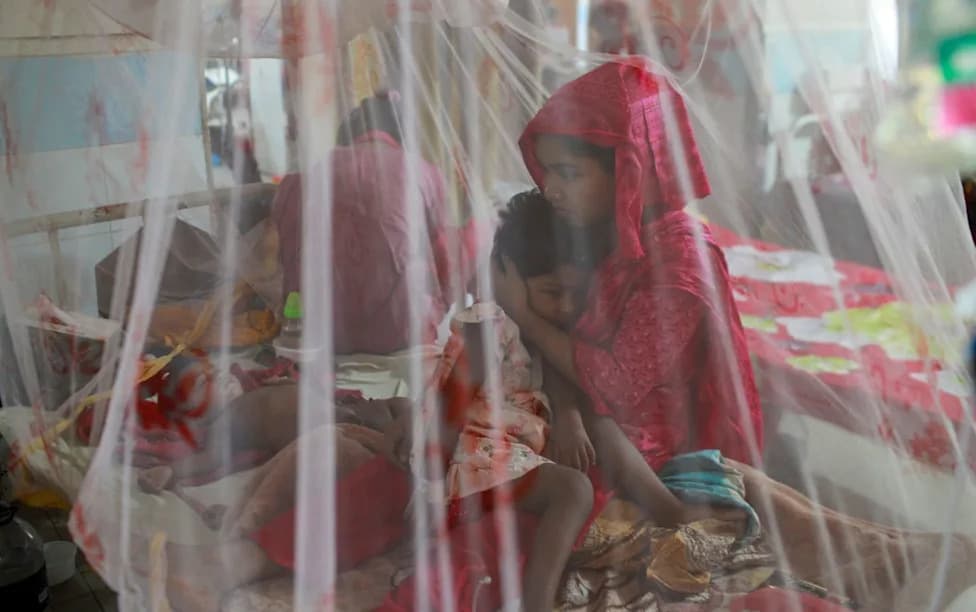
- About 1 in 4 people infected with dengue develop symptoms, which typically last two to seven days and are often mild. Common symptoms include fever, rash, nausea, vomiting, muscle and joint pain, and severe bone pain.
- About 1 in 20 infected people progress to severe dengue, which can cause shock, internal bleeding and — in some cases — death.
Treatment
There are no disease-specific antiviral treatments for dengue. The CDC recommends rest, increased fluid intake and over-the-counter medications to relieve symptoms. Patients who develop severe disease often require hospitalization and supportive care, such as intravenous fluids. The CDC also advises against aspirin and ibuprofen when dengue is suspected because these drugs can increase the risk of bleeding or stomach inflammation.
Vaccine Status
At present, no dengue vaccine is widely available in the United States. A vaccine (Dengvaxia) received U.S. regulatory approval for limited use in individuals ages 9–16 with a laboratory-confirmed prior dengue infection and living in endemic areas, but vaccine use in the U.S. is limited by strict eligibility criteria and availability.
Prevention Tips
- Use EPA-registered mosquito repellents and follow product instructions.
- Wear long sleeves and long pants outdoors, especially during dawn and dusk when Aedes mosquitoes are most active.
- Stay in air-conditioned or well-screened spaces when possible.
- Eliminate standing water (flowerpots, tires, buckets) where mosquitoes can breed.
Puerto Rico has declared a public health emergency amid a rise in dengue cases. Nationwide, the CDC has reported roughly 6,800 dengue cases in the U.S. this season, including recent infections reported in Los Angeles County.
Reporting: This article draws on statements from the Florida Department of Health, CDC data and local reporting from The Tampa Bay Times; ABC News sought comment from FDOH but did not receive an immediate response.
Help us improve.