The UKHSA has begun an eradication programme after Aedes aegypti mosquitoes capable of transmitting dengue were found breeding at multiple homes in east London — the first confirmed breeding in Britain. Control actions include destruction of larvae and close monitoring, and UKHSA says the public risk is "very low" with no linked human cases. The finding comes as Aedes aegypti spreads in parts of Europe; Takeda's Qdenga is currently the only MHRA-approved dengue vaccine in the UK.
Dengue-Capable Aedes aegypti Found Breeding in East London — UKHSA Launches Eradication Programme
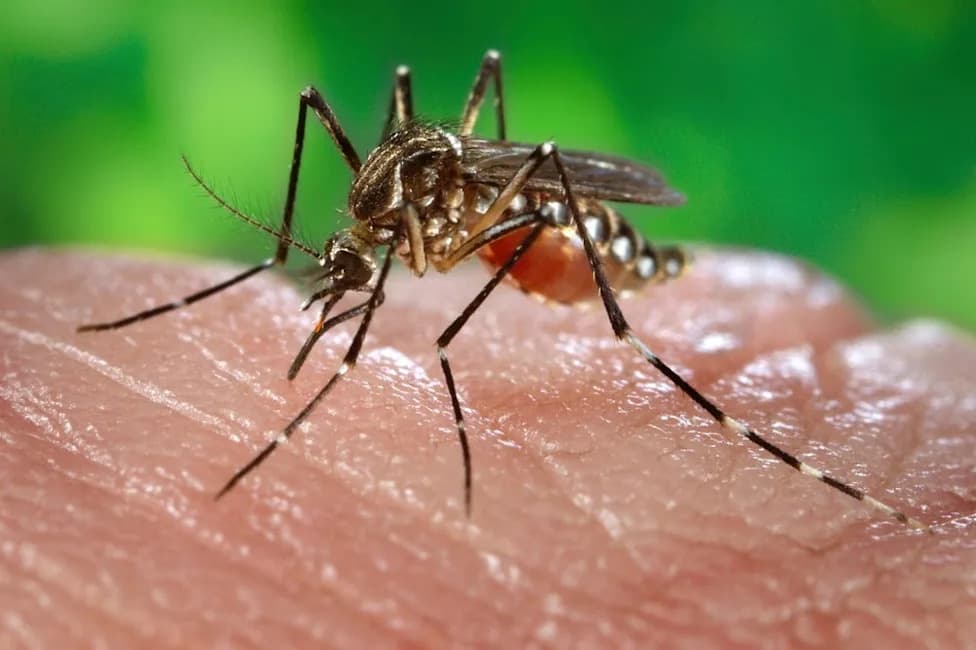
The UKHSA does not believe that the identified breeding mosquitos pose significant meaningful harm to the British public. Credit: Rawpixel.com / Shutterstock.com.
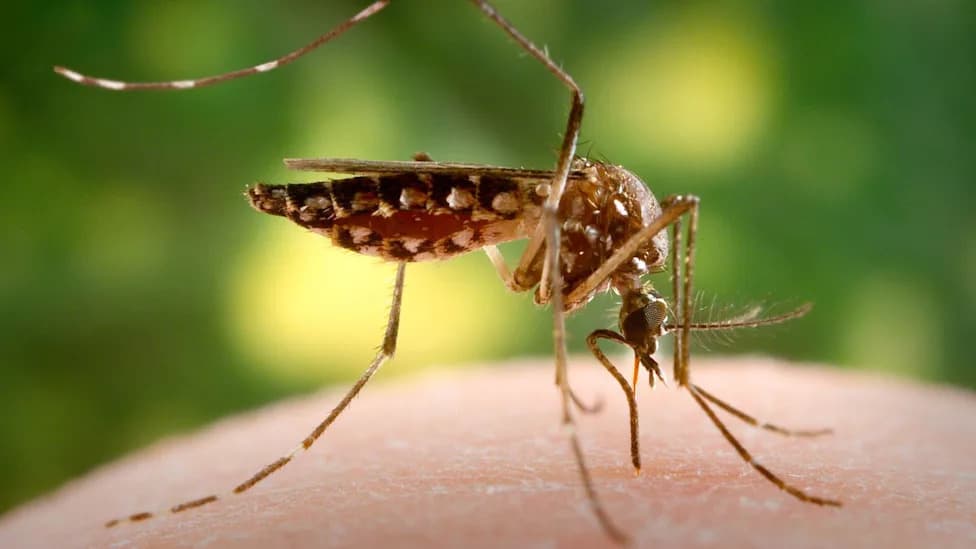
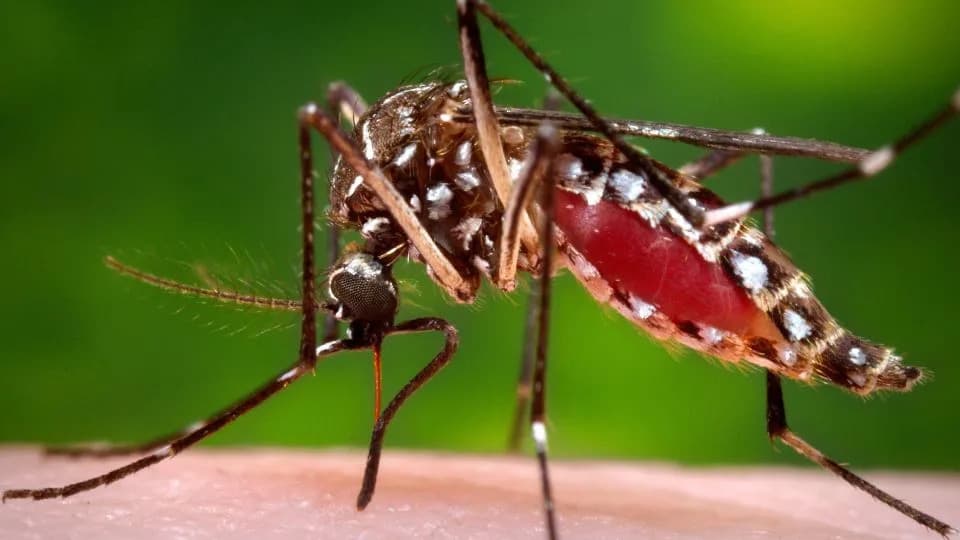
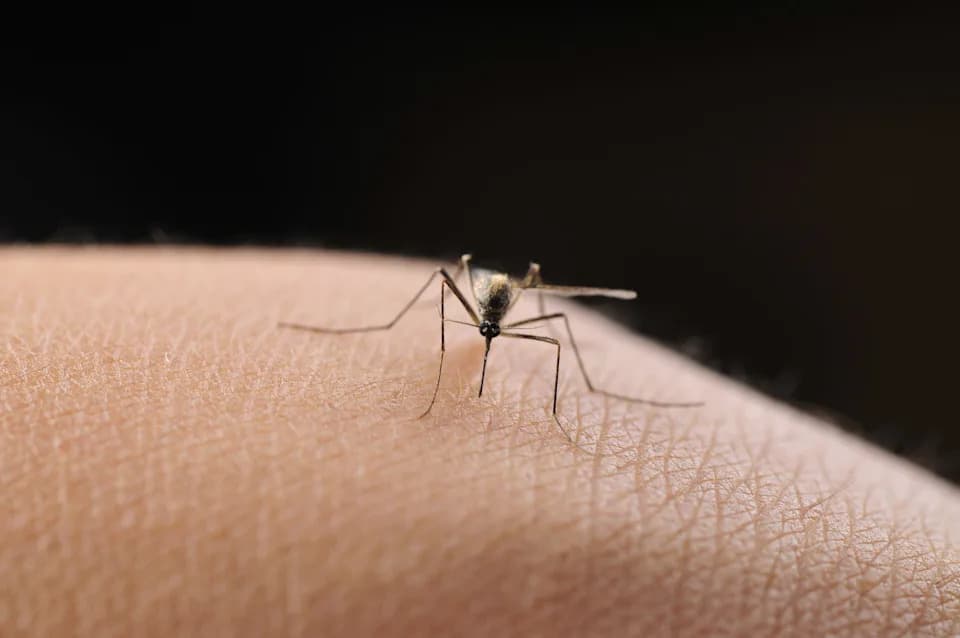
The UK Health Security Agency (UKHSA) has launched an eradication programme after a population of Aedes aegypti mosquitoes — a species capable of transmitting dengue, Zika and chikungunya — was found breeding at multiple residential properties in east London.
Control Measures Under Way
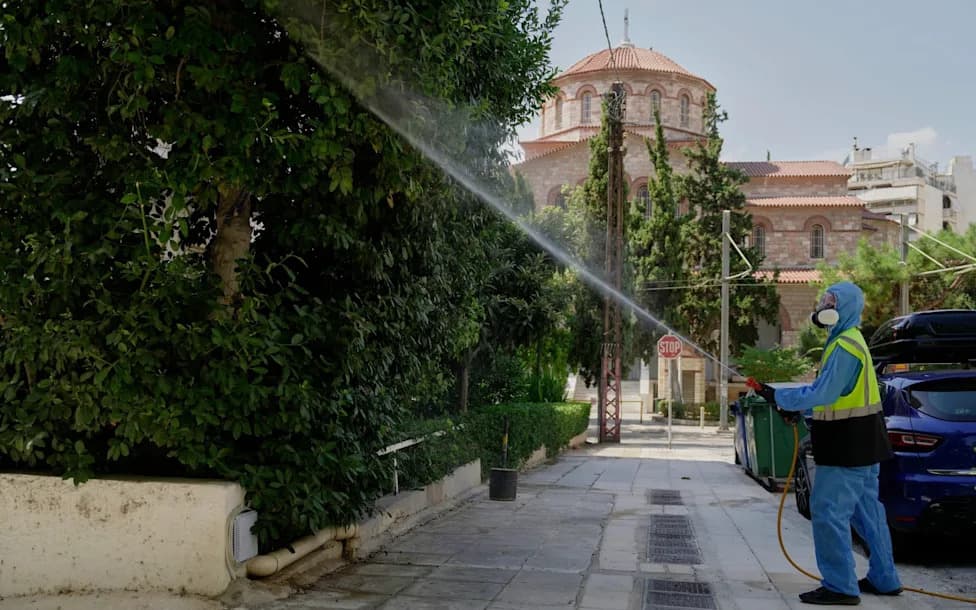
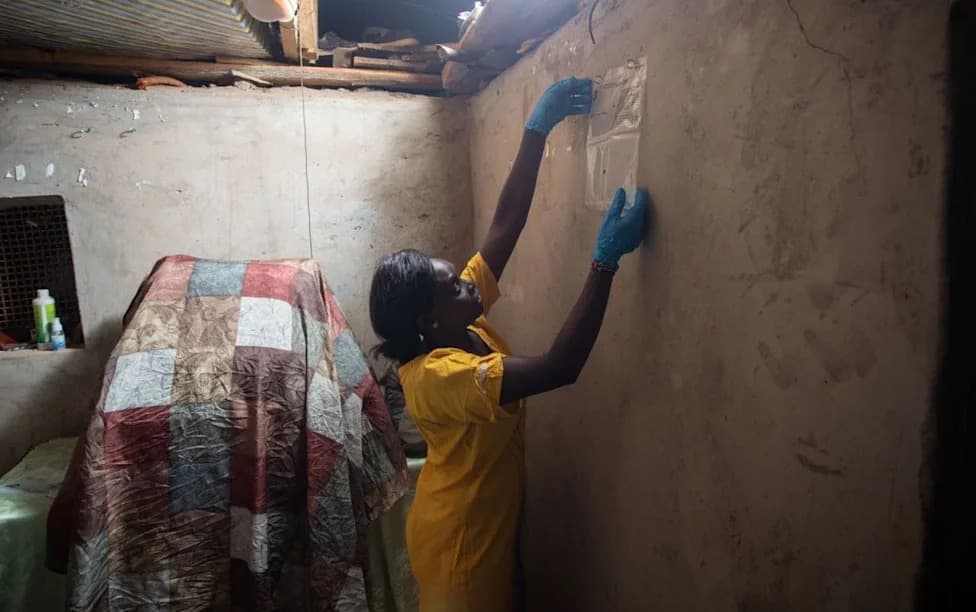
Following the discovery, UKHSA has implemented targeted control actions to prevent the population becoming established. Measures include the destruction of Aedes aegypti larvae and close surveillance of affected properties. UKHSA teams continue to monitor the area to ensure the insects do not spread to neighbouring sites.
First Confirmed Local Breeding
Although individual Aedes aegypti mosquitoes have been recorded in the UK previously, this is the first confirmed evidence that the species is breeding in Britain. The detection in London coincides with reports of Aedes aegypti expanding elsewhere in Europe — the European Centre for Disease Prevention and Control (ECDC) has said the species is now established in part of Cyprus.
Public Health Risk
Dr Jolyon Medlock, head of medical entomology and Zoonoses Ecology at UKHSA, said the risk to the public is currently "very low". There is no evidence the mosquitoes have caused human infections, and larvae have not been detected in nearby public areas. Medlock added that Aedes aegypti generally cannot persist long-term in the typical UK climate, which is usually too cold for the species, though a warming climate could lead to more frequent incursions.
Context: Disease And Vaccines
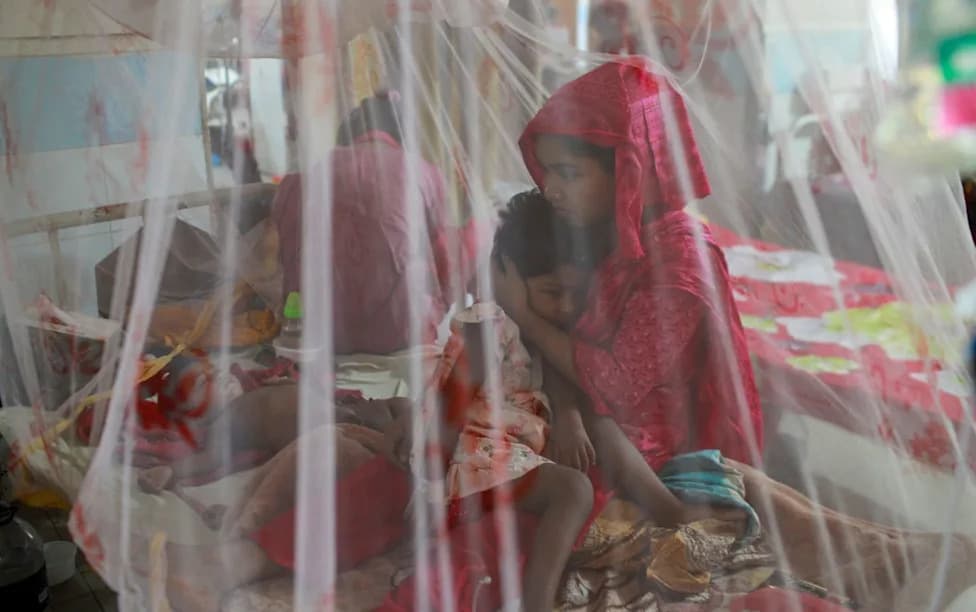
Aedes aegypti is strongly associated with transmission of viruses such as dengue, Zika and chikungunya. Of these, dengue is the most prevalent: researchers estimate 3.6 million cases were recorded between January and August 2026. In the UK, the only dengue vaccine authorised by the Medicines and Healthcare products Regulatory Agency (MHRA) is Takeda's Qdenga, available via private travel clinics for people aged four years and older. Takeda previously withdrew its US marketing application after the FDA requested additional data.
Qdenga's rollout across the UK, Europe, Brazil, Argentina, Indonesia and Thailand was seen as an important step in dengue prevention, particularly after Sanofi's Dengvaxia was withdrawn amid low demand and safety concerns for people who had never had dengue. Meanwhile, MSD (Merck & Co) is testing a single-dose, quadrivalent vaccine, V181, in the Phase III MOBILIZE-1 study (NCT07013487).
What To Watch
UKHSA advises people to eliminate standing water around homes and gardens where mosquitoes can breed and to follow local public-health guidance. Authorities will continue surveillance and targeted control measures while assessing any change in risk.
Help us improve.