Florida has recorded 152 locally acquired dengue cases this year, and state officials confirmed a death linked to the outbreak. Hillsborough County north of Tampa accounts for more than 130 locally acquired cases. Mosquito control crews are spraying and inspecting properties for standing water, while experts warn that climate change and persistent mosquito populations could make outbreaks more frequent.
Florida Confirms Dengue Death As Outbreak Near Tampa Intensifies
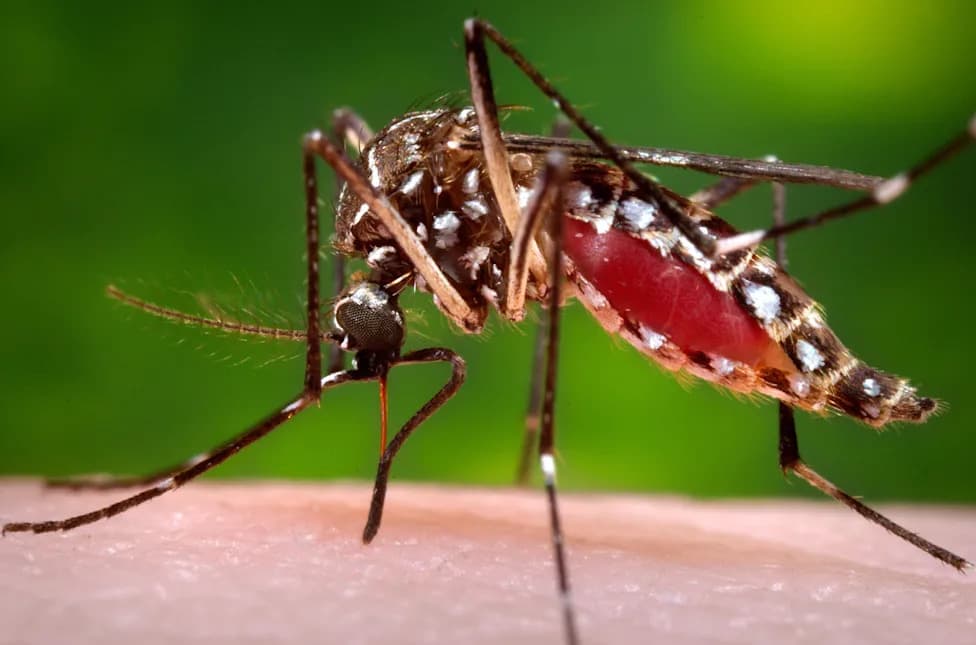
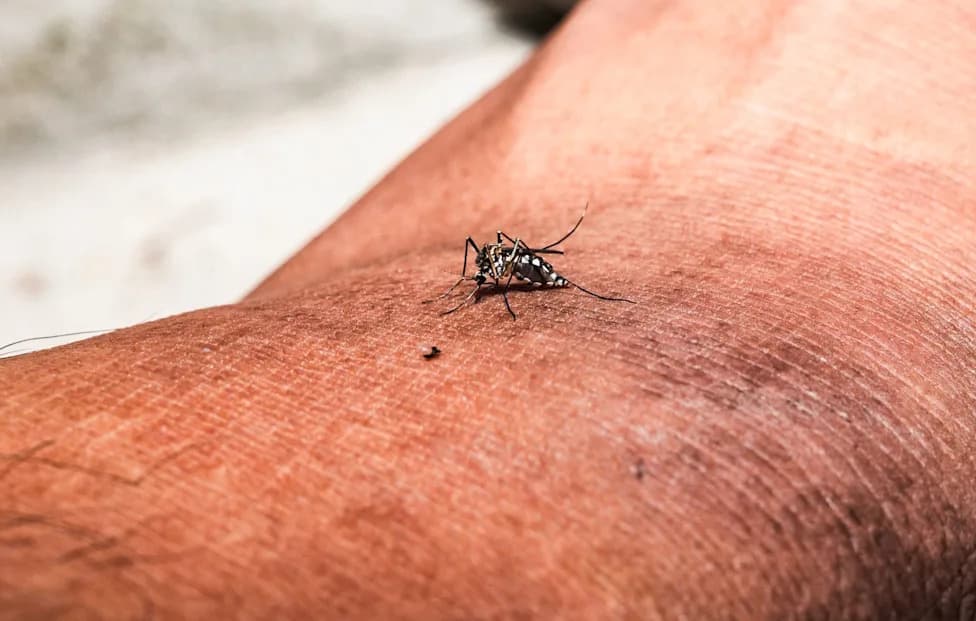
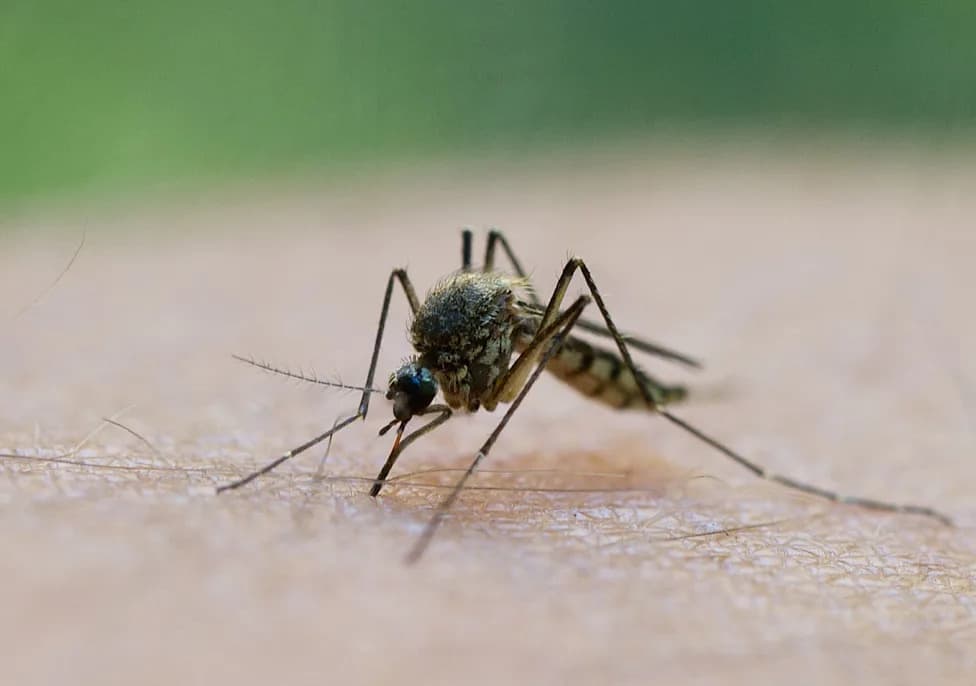
FILE - This 2006 photo provided by the Centers for Disease Control and Prevention shows a female Aedes aegypti mosquito in the process of acquiring a blood meal from a human host. (James Gathany/Centers for Disease Control and Prevention via AP, File)
Florida is facing one of its most serious dengue outbreaks in decades, and state health officials confirmed that the outbreak has claimed a life. The Florida Department of Health announced the death but did not release further details. Local reporting identified the victim as an elderly Tampa woman who died on Sept. 4.
Rising Case Numbers
Hillsborough County — which typically records only a handful of locally acquired dengue infections each year — has reported more than 130 locally acquired cases so far in 2026, county officials said. Statewide, the Florida Department of Health reports 152 locally acquired cases this year, the second-largest annual total after nearly 200 cases in 2023.
What Officials Are Doing
Mosquito-control crews north of Tampa have been conducting around-the-clock spraying and inspecting properties for standing water, including old tires and other containers where mosquitoes breed. "This is wildly unusual for us," said Chris Wilkerson, a Hillsborough County spokesperson. Paolo Pecora, a senior environmental scientist with Hillsborough County Mosquito Management Services, said recent mosquito sampling in the area has not detected the virus, which could indicate the immediate risk of new infections is decreasing.
Why Dengue Is Spreading
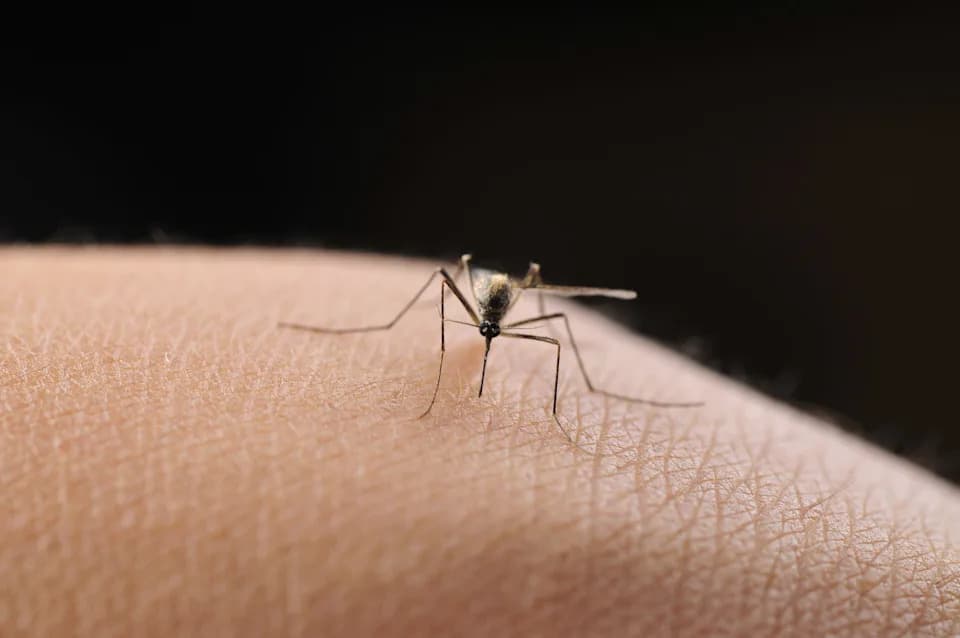
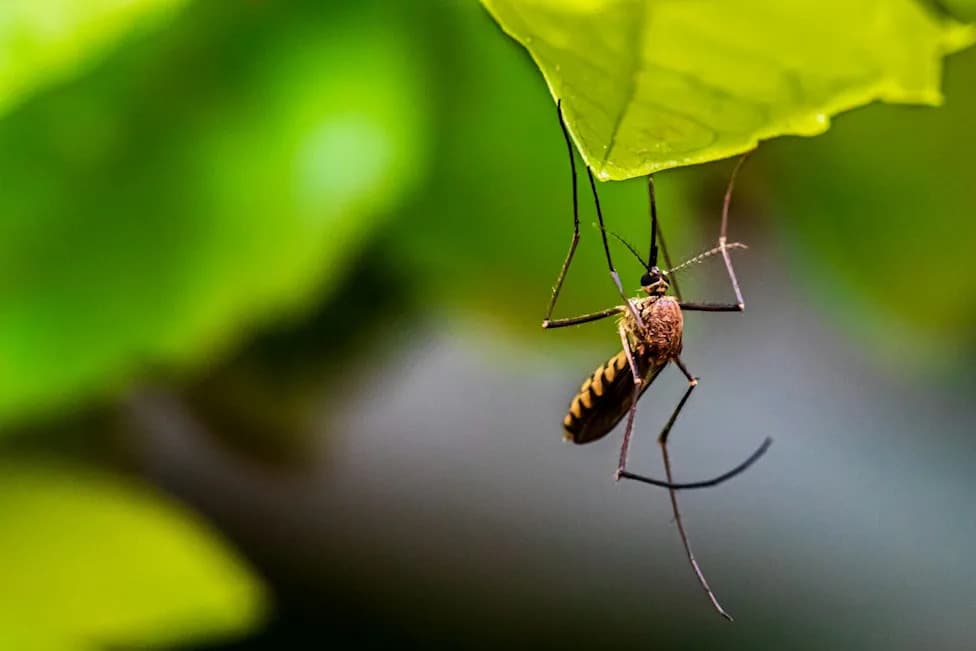
Dengue is caused by a virus transmitted by warm-weather Aedes mosquitoes. Experts say the mosquitoes' geographic range is expanding in part because of climate change and recent weather conditions that favor larger mosquito populations. Outbreaks often begin when an infected traveler is bitten by local mosquitoes that then spread the virus to residents. "It can mushroom from there," said Michael von Fricken, an associate professor of environmental and global health at the University of Florida. Given the recurring abundance of these mosquitoes in Florida, he added, outbreaks may become more frequent.
Symptoms, Global Context And Underreporting
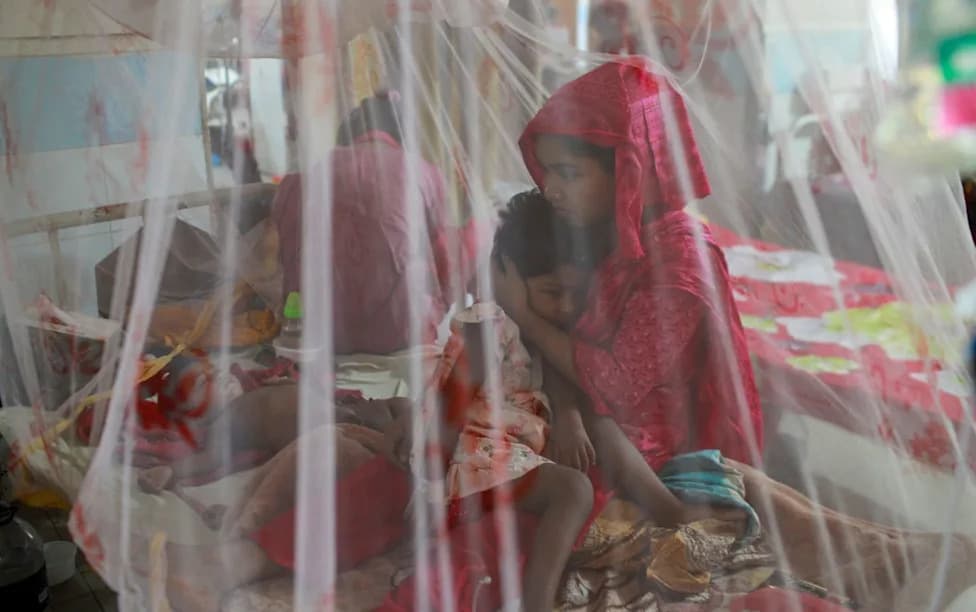
Many infected people do not develop noticeable symptoms, so reported case counts likely understate the true number of infections. When illness occurs, dengue commonly causes headache, fever and flu-like symptoms; severe cases can lead to serious bleeding, shock and death. Globally, the World Health Organization reports more than 2.2 million dengue infections and nearly 1,200 deaths so far this year. In the United States, the Centers for Disease Control and Prevention notes nearly 1,500 locally acquired cases, most of them in Puerto Rico.
Historical note: In 2009–2010, Key West reported dengue cases acquired in the continental U.S. — the first such cluster outside the Texas-Mexico border since 1945.
The Florida Department of Health and local authorities continue surveillance and control efforts. Residents are urged to remove sources of standing water, use mosquito repellent, and seek medical care if they develop dengue-like symptoms.
Help us improve.