Italian health authorities link this year’s West Nile virus spread to warmer temperatures and longer mosquito seasons, with more than 650 infections recorded—about half of Europe’s total. Most infections are asymptomatic or mild, though older adults and people with underlying conditions face higher risk of severe illness. Experts warn that climate change, biodiversity loss and land-use changes are helping mosquitoes expand geographically and prolong transmission, prompting concern across Europe.
Italy Sees West Nile Spread As Longer, Warmer Seasons Fuel Mosquito Surge

Antonino Bella, a senior researcher at the Infectious Diseases Department of the Italian National Institute of Health, looks at a map of Italy showing provinces with confirmed circulation of West Nile virus in vectors, animals, and humans during the 2026 season, in Rome, Friday, Sept. 18, 2026. (AP Photo/Gregorio Borgia)(AP Photo/Gregorio Borgia)
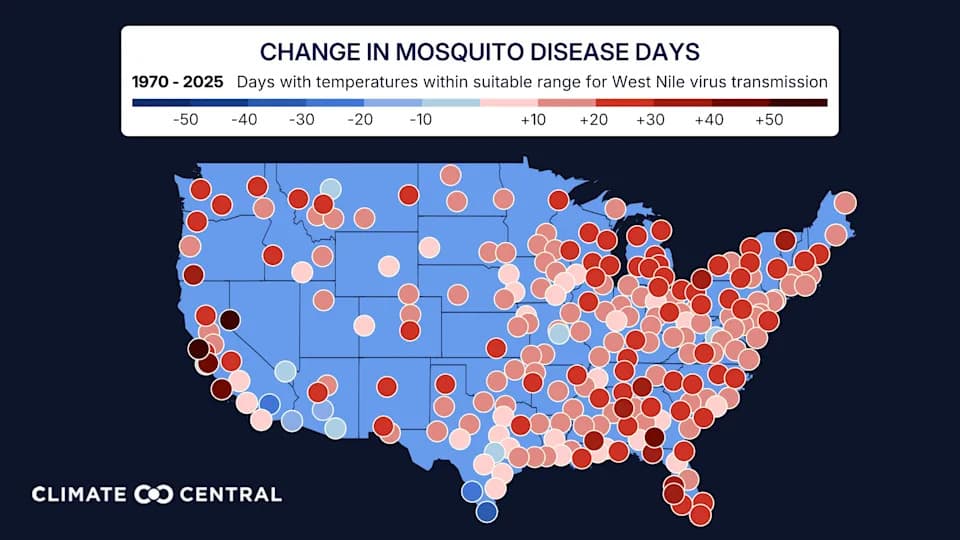
Italian health authorities say rising temperatures and extended warm seasons are allowing mosquitoes to spread West Nile virus across wider areas of the country and for more months each year.
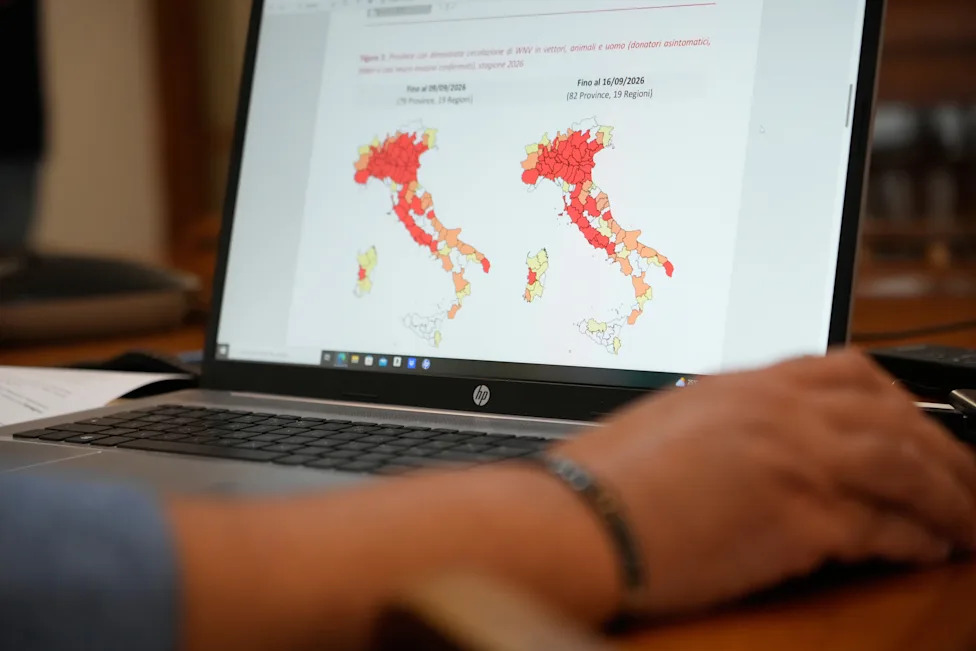
Antonino Bella, senior researcher at the Infectious Diseases Department of the Italian National Institute of Health, checks a map of Italy showing provinces with confirmed circulation of West Nile virus (WNV) in vectors, animals, and humans for the 2026 season, in Rome, Friday, Sept. 18, 2026. (AP Photo/Gregorio Borgia)(AP Photo/Gregorio Borgia)
Overview
So far this year Italy has recorded more than 650 West Nile infections, which local health officials say represents roughly half of all cases reported in Europe. West Nile has been regarded as endemic in Italy since 2020, when case numbers began to surge. The infection is now reported each summer and into early autumn, and in some years the transmission season can stretch as late as November.
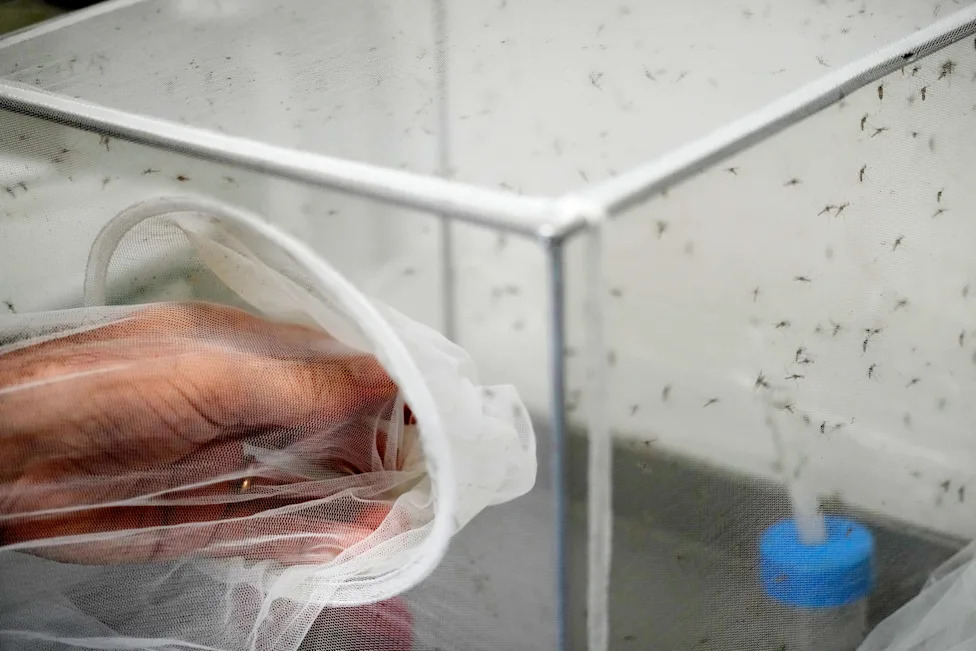
Francesco Severino, a senior researcher in medical entomology, places a net over a cage containing mosquitoes inside a laboratory at the Italian National Institute of Health in Rome, Friday, Sept. 18, 2026. (AP Photo/Gregorio Borgia)(AP Photo/Gregorio Borgia)
Why This Is Happening
"Higher temperatures linked to climate change help mosquitoes reproduce and extend the transmission season, increasing the chances that infected mosquitoes will spread the virus to people,"
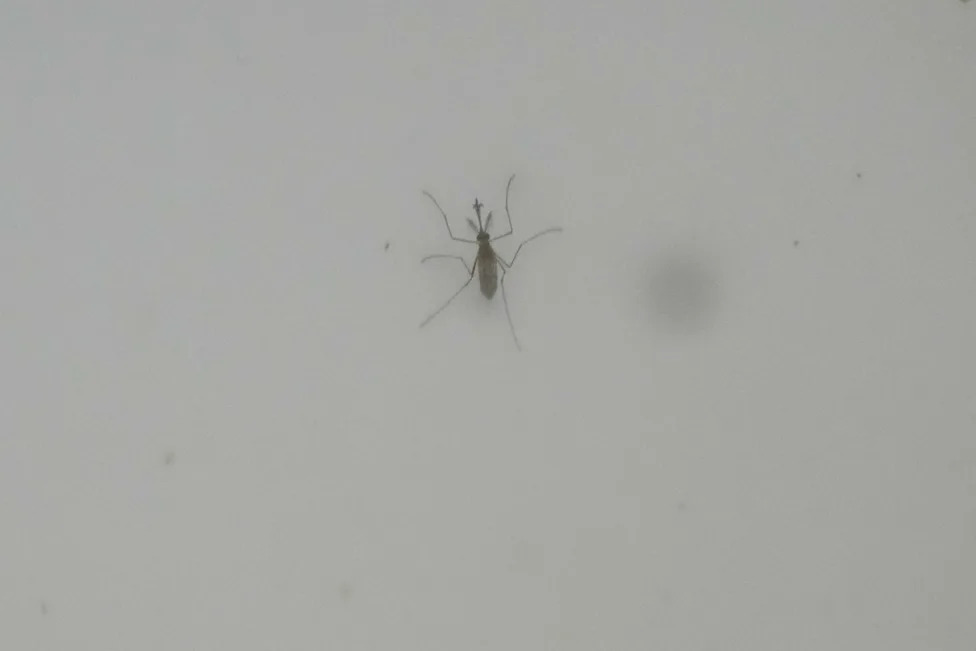 Mosquitoes are kept in a laboratory enclosure for research into mosquito-borne diseases at the Italian National Institute of Health in Rome, Friday, Sept. 18, 2026. (AP Photo/Gregorio Borgia)(AP Photo/Gregorio Borgia)
said Antonino Bella, a researcher at Italy's National Institute of Health (ISS). Warmer weather accelerates mosquito life cycles and improves survival for both vectors and the virus, increasing the window for human infections.
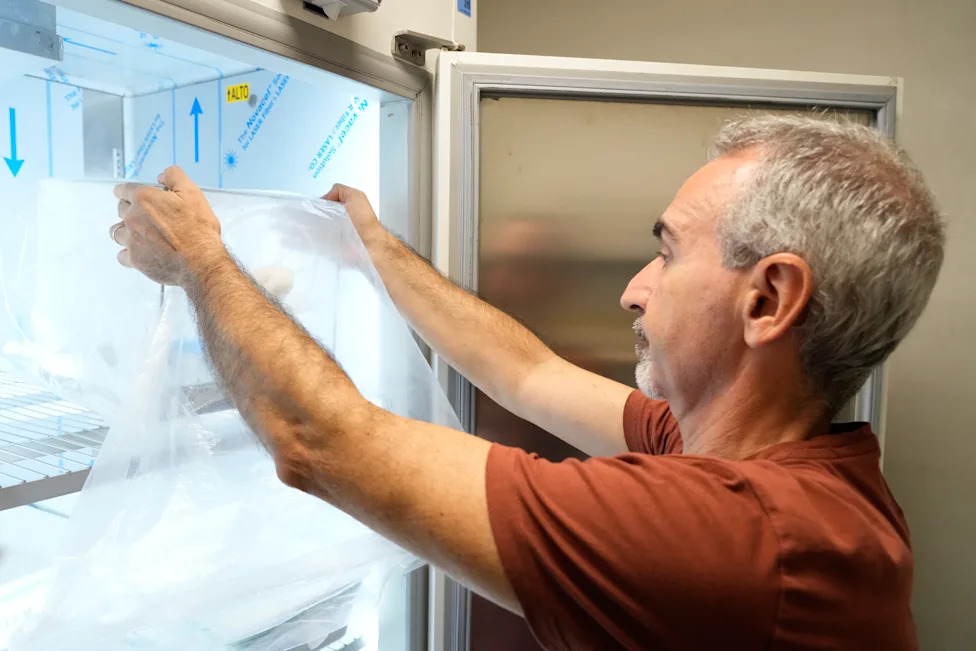
Francesco Severino, a senior researcher in medical entomology, moves a cage containing mosquitoes inside a laboratory at the Italian National Institute of Health in Rome, Friday, Sept. 18, 2026. (AP Photo/Gregorio Borgia)(AP Photo/Gregorio Borgia)
Symptoms and Risk
About 80% of infected people develop no symptoms. Most of the remainder have a mild, flu-like illness; a small minority — chiefly older adults and people with underlying health conditions — may develop severe neurological complications.
Spread and Surveillance
Regions that were once largely unaffected are increasingly reporting infections, reflecting a gradual geographic expansion of the virus within Italy. Italy's extensive monitoring network, which tracks mosquitoes, birds, blood donors and human infections, contributes to the country’s relatively high detection rate and offers a model for other European nations.
European Context
Neighbouring and more northerly countries are watching closely. The Netherlands has reported more than two dozen cases this year—the first locally acquired infections there since 2020—and several deaths, according to Dutch health authorities. A Belgian research team visited the ISS to study Italy’s surveillance and research systems.
Broader Drivers
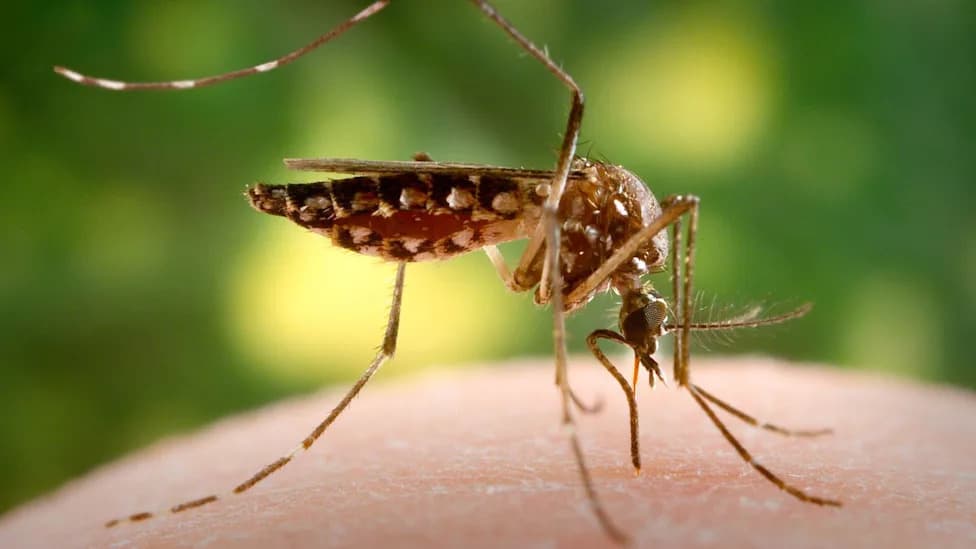
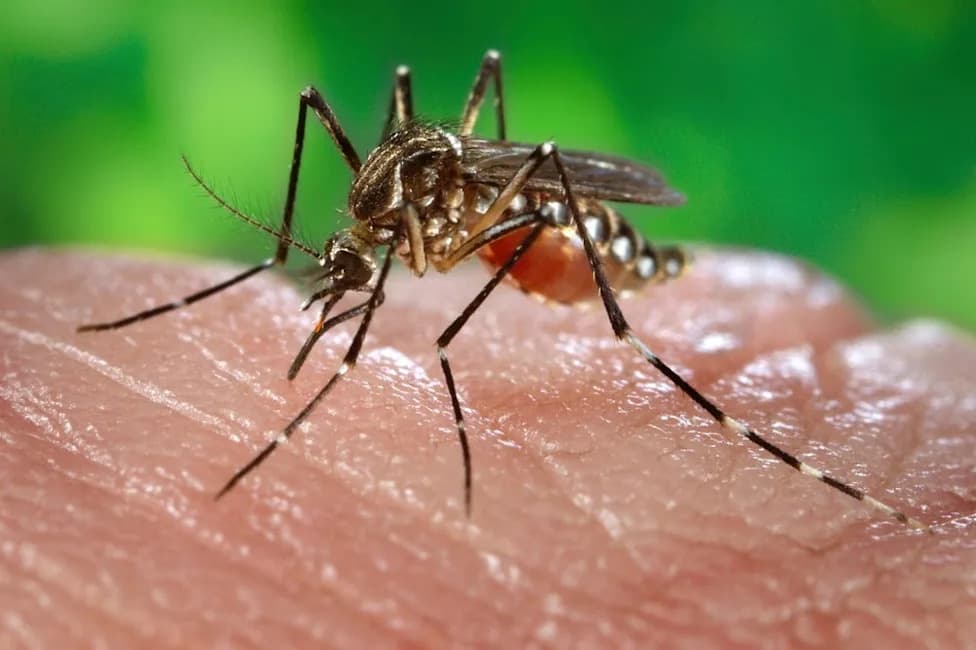
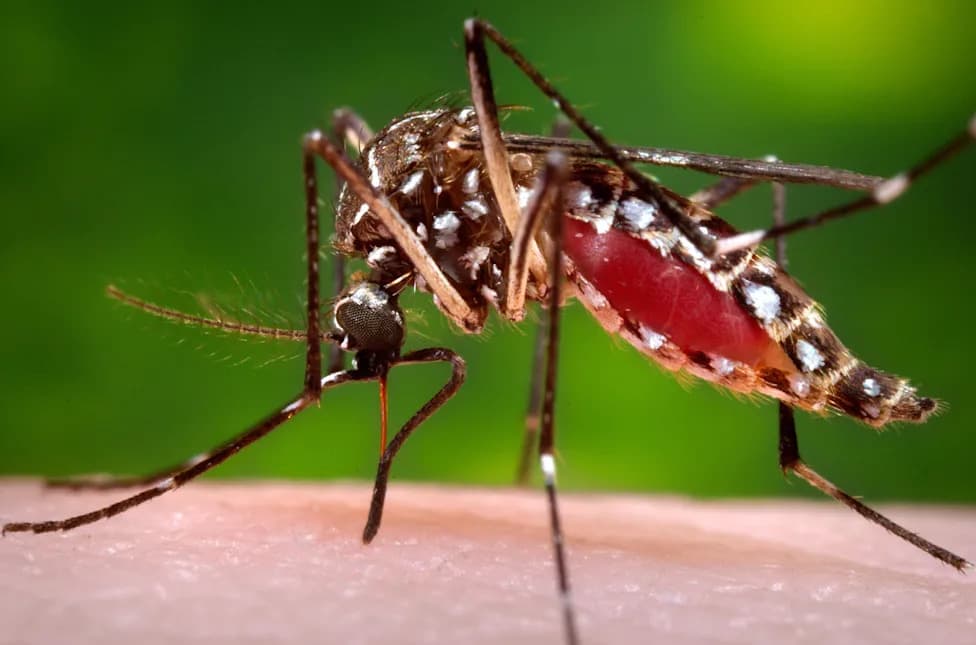
Experts point to a combination of factors: a warming climate that lengthens mosquito seasons, loss of biodiversity and land-use changes that may favor bird species that act as efficient virus reservoirs. The European Centre for Disease Prevention and Control (ECDC) has warned that Europe’s warming trend, with more frequent heat waves and longer summers, creates favorable conditions for invasive mosquitoes such as Aedes albopictus and Aedes aegypti. Aedes aegypti has been established in Cyprus since 2022 and could spread further; Aedes albopictus is now present in more countries and regions than it was a decade ago.
What To Watch For
Public health officials recommend heightened surveillance, targeted mosquito control, protection of vulnerable populations, and public awareness about preventing mosquito bites. Continued monitoring and international cooperation will be essential to detect and limit future spread.
Help us improve.